Australian retail splits in two as consumers chase value and experience
Australian retail is increasingly becoming a tale of two extremes, with consumers gravitating either towards premium, experience-led shopping or budget online platforms such as Temu and Shein, according to new consumer insights from Roy Morgan’s Future of Retail FY27 report.
As consumers become more selective with their spending, the findings point to growing challenges for traditional retailers and shopping centre operators heading into the financial year 2026-27, with analysts warning of the sector’s so-called “barbell effect”, where on one end, retailers are competing aggressively on value and price, while on the other, retailers are offering a premium shopping experience.
At the value end of the market, platforms such as Temu and Shein continue to attract millions of Australians despite ongoing concerns about quality and product consistency. Roy Morgan’s Risk Monitor ranked Temu as Australia’s most distrusted brand in the 12 months to September 2025.
Many consumers approach the platforms with tempered expectations, understanding that not every purchase will match product imagery or quality expectations. Yet, the value proposition remains compelling enough to drive repeat spending.
Despite this mistrust, Roy Morgan noted that Temu had 5 million Australian shoppers in 2025, while Shein had 2.9 million, highlighting the growing strength of value-led retail even amid broader concerns about trust and reliability.
At the other end of the spectrum, premium retailers continue to elevate the brand experience, creating more than a simple transaction for both in-store and online shoppers.
These retailers are now investing more heavily in experiential retail concepts, hospitality integration, loyalty programs and elevated customer service to create reasons for customers to return to physical stores.

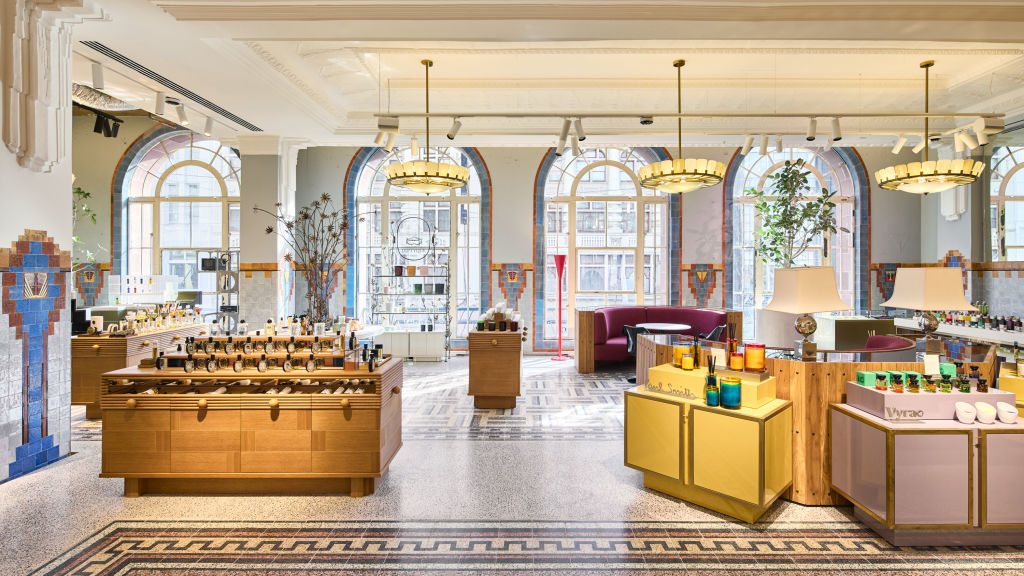
Beauty retailer MECCA has become one of the best examples of the trend, with its large-format concept stores, including its largest flagship on Bourke Street, Melbourne, blending in-store services, educational spaces and mixed-use offerings, including a flower bar and hair salon, to curate a more elevated shopping experience.
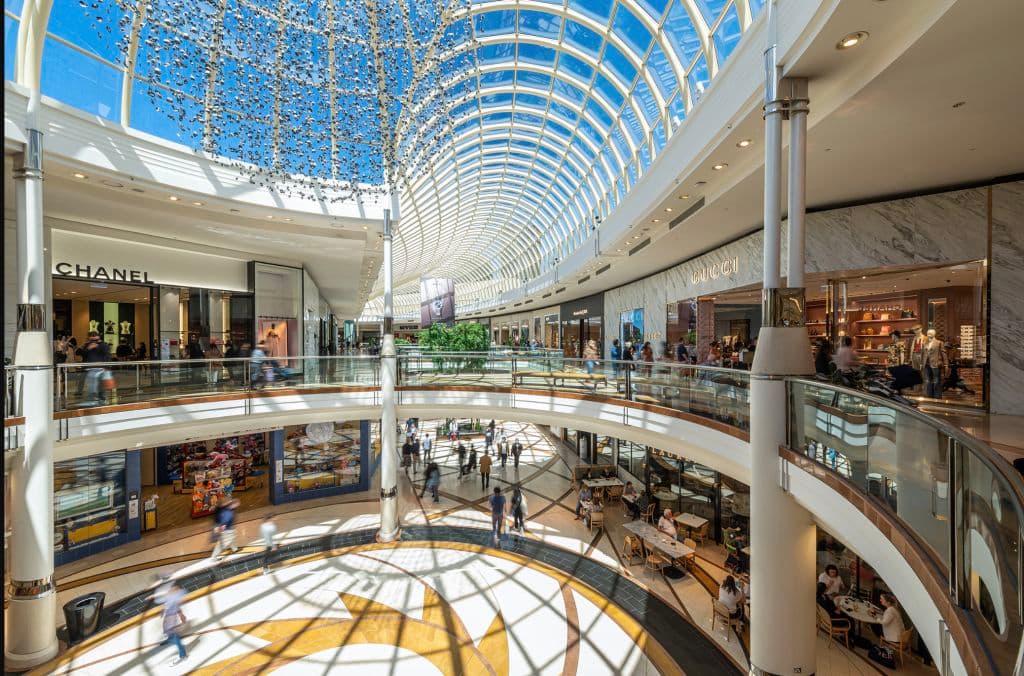
In Melbourne, the recently launched Matchworks precinct also reflects growing demand for experience-led retail environments that integrate hospitality, wellness and entertainment alongside traditional retail offerings. This not only diversifies the shopping experience but also encourages more foot traffic and, most importantly, dwell time.
While retailers can now be divided into budget and premium segments, the middle market is becoming harder to sustain, according to Roy Morgan, as it’s too expensive to compete with discount platforms and not distinctive enough to command premium spending. This then raises the question: will the middle market move into the budget category, or invest more in their brand to become premium?