Australian hotel deals surge to $1.67 billion in H1 2026
The Australian hotel market has proven it’s one of the most resilient commercial sectors this year, with Colliers’ Q2 Hotels Market Snapshot revealing transactions reached $1.67 billion across 27 deals during the first six months of 2026.
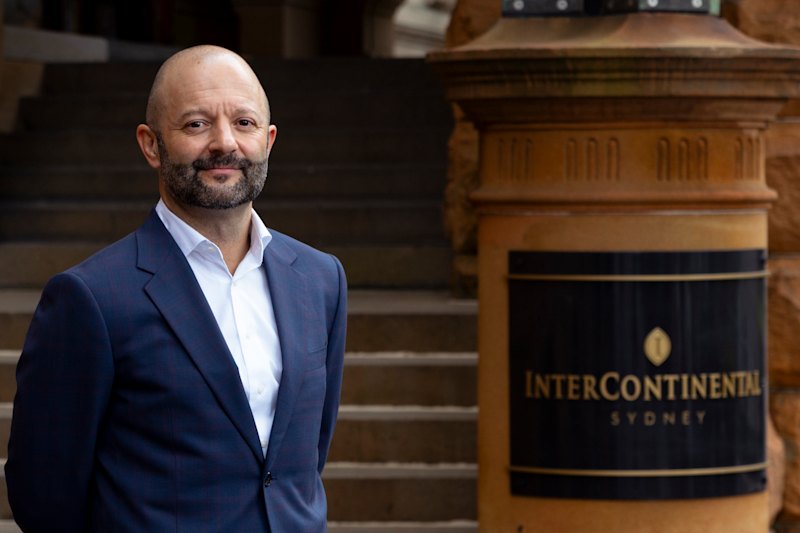
“Hotels continue to demonstrate their appeal as a long-term investment class supported by flexible revenue models, limited future supply and Australia’s position as a highly attractive global tourism destination,” Karen Wales, head of hotels, transaction services at Colliers, says.
Transaction volumes increased 24 per cent from the first half of 2025, while the number of deals rose 4 per cent, making it the most active opening half since the market’s 2015 liquidity peak.
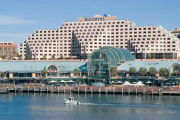
There was no shortage of major transactions, including Blackstone’s acquisition of Hamilton Island and Wentworth Capital and Sun Hung Kai & Company’s purchase of the 781-room Novotel and Ibis complex at Darling Harbour.
For these larger transactions, investment funds were the most active buyers, although private investors and owner-operators continued to dominate the middle market. Offshore capital from Singapore, Japan and Hong Kong also contributed to activity.
Wales says resilient trading fundamentals were driving investor interest along with limited new supply.
“Unlike commercial properties tied to long leases, hotels can adjust room rates daily. This gives owners a level of protection against inflation, while allowing them to respond quickly to major events, seasonal demand and changing travel patterns,” she says.
Australia’s political and economic stability is also becoming more valuable to global investors seeking defensive income in an uncertain geopolitical environment.
“The market has moved into a more selective phase, with investors taking a disciplined approach to acquisitions while continuing to seek exposure to assets supported by strong tourism fundamentals and operational upside,” Wales adds.
Lifestyle asset demand
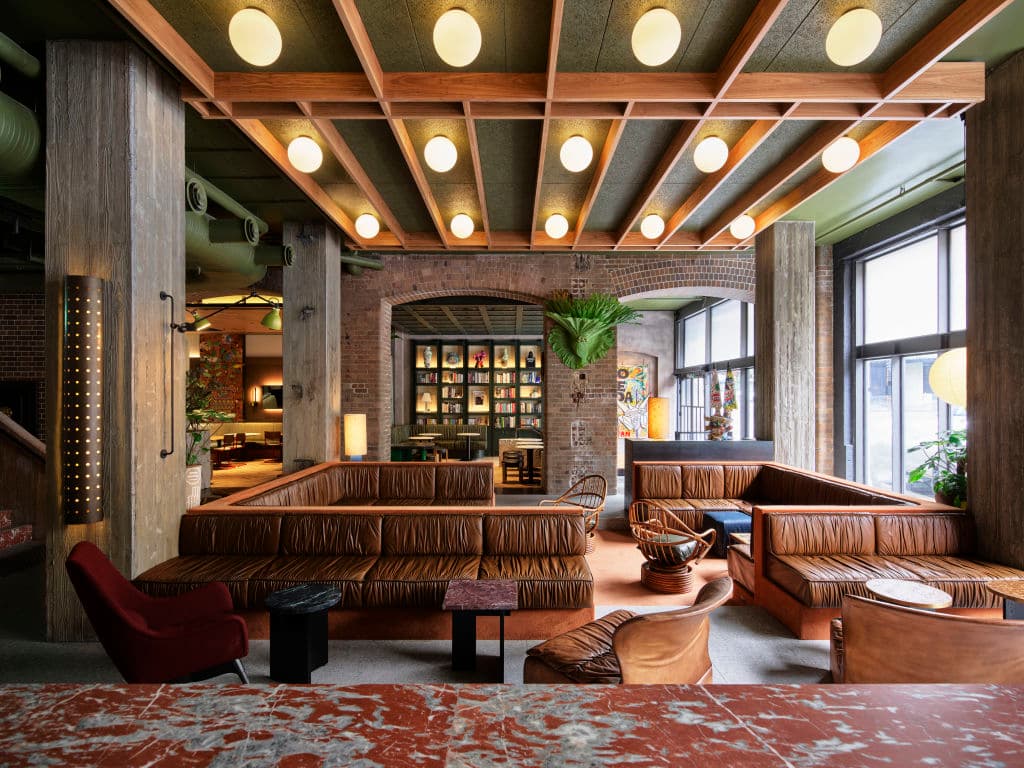
The strongest demand is not necessarily for the newest hotel, with investors instead targeting established properties where value can be created through reinvention.
“Hotels with strong operating fundamentals, experienced management and opportunities for repositioning, refurbishment or operational improvements are attracting the strongest interest,” Wales says.
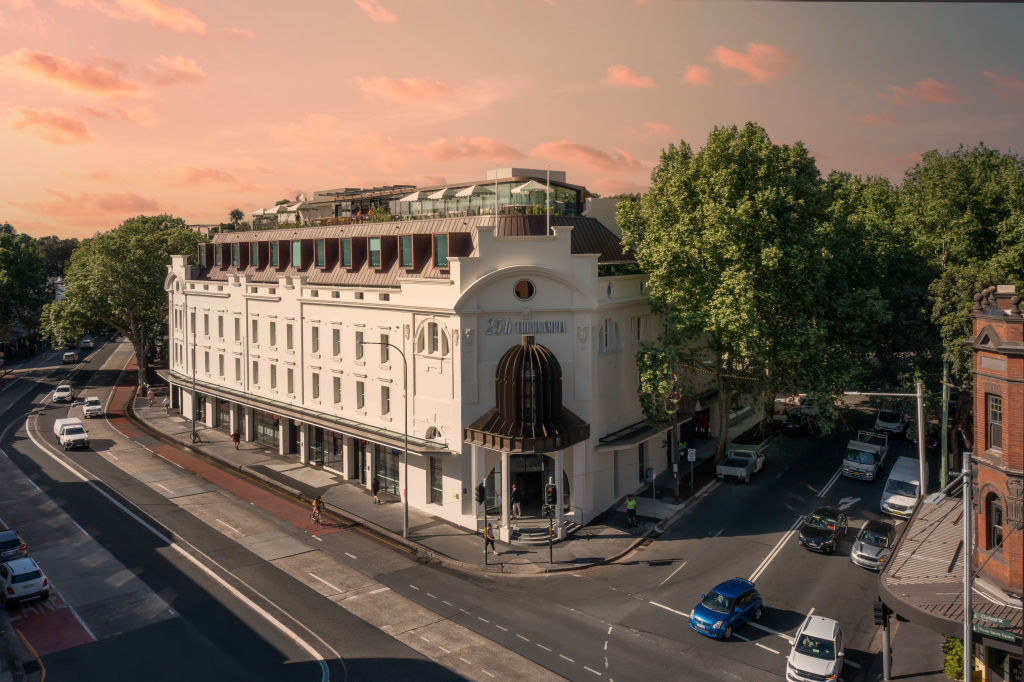
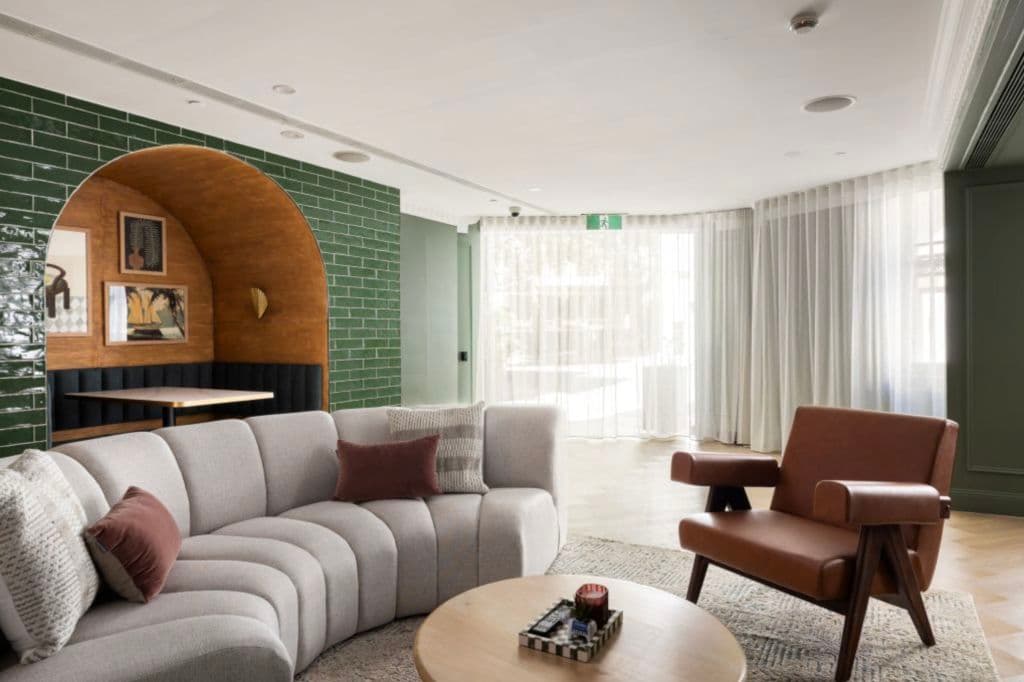
Premium, luxury and lifestyle hotels are particularly sought after, especially where they have a distinctive identity and can generate revenue beyond accommodation.
Restaurants, bars, wellness facilities, events and branded experiences can turn a conventional hotel into a broader lifestyle destination. Properties such as Capella Sydney, Emporium South Bank in Brisbane and the Mondrian Gold Coast demonstrate this with top-tier dining options in addition to accommodation.
That diversity of income is becoming increasingly important to investors. It also provides an opportunity to lift average daily rates and capture more of each guest’s spending without relying solely on occupancy.
Refurbishment gains an edge
For many buyers, refurbishing an existing hotel has become more attractive than undertaking a new development.
Elevated construction costs and planning delays continue to make new projects difficult to deliver. Existing properties that can be acquired below replacement cost have considerable appeal for this reason.
“In many cases, refurbishment is more attractive,” Wales says. “It can improve the guest experience, drive average daily rate growth and unlock value without the risks associated with developing a new hotel.”
However, a wave of delayed developments is expected to open during the second half of 2026, with more than double the number of rooms delivered in the first half forecast to enter the market.
Projects include QT Parramatta, Andaz Gold Coast and Crystalbrook Sam in Adelaide. Much of the new supply will be concentrated in Melbourne and Adelaide, where additional competition could place short-term pressure on occupancy and room rates.
Why demand is holding up
The strength of the hotel sector appears at odds with the pressure higher living costs are placing on travellers. However, Wales says financial pressures had altered the way Australians travelled more than their desire to travel.
“Consumers continue to prioritise experiences and travel, although many are taking shorter trips or spending more selectively,” she says.
Major events, corporate travel and the return of international tourists are helping offset weaker discretionary spending. Higher-income travellers have also remained relatively resilient, supporting the premium and luxury segments.
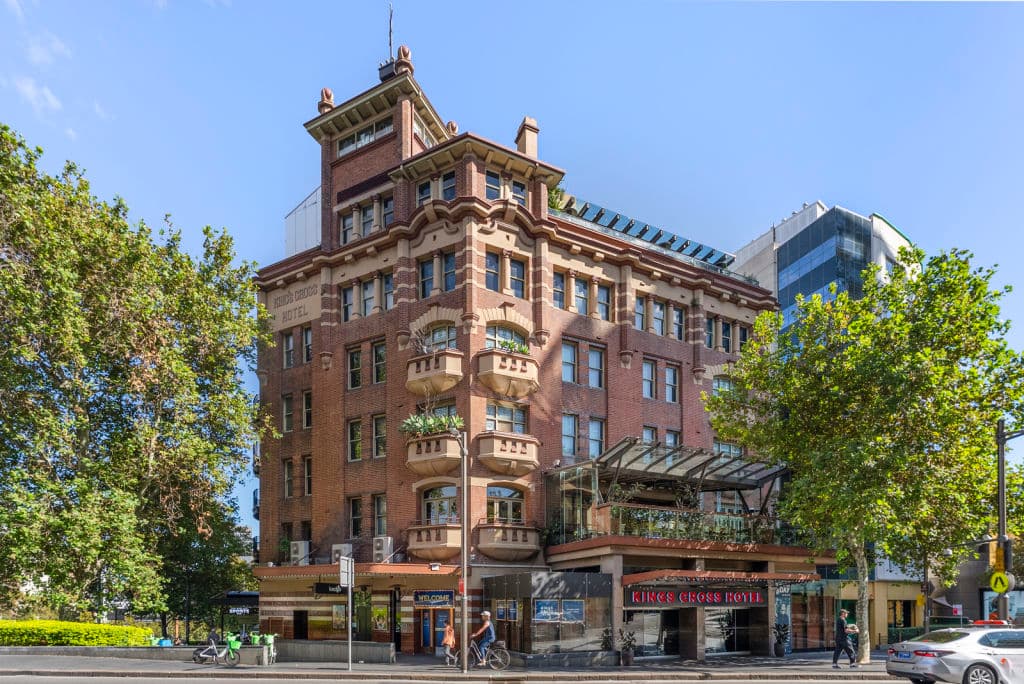
Sydney continues to lead the country, recording Australia’s strongest occupancy, average daily rates and revenue per available room. Revenue per available room in the city’s luxury segment increased 9 per cent during the first half.
Perth is benefiting from the resources sector and corporate travel, while Adelaide and Hobart have emerged as strong secondary markets. Southeast Queensland remains a key growth region, supported by population growth, infrastructure investment and preparations for the Brisbane 2032 Olympics.
Melbourne and Brisbane’s luxury hotels are also outperforming their broader markets, although regional and drive-to destinations remain more exposed to fuel costs, airline capacity and household budget pressures.