Australia’s luxury hotels outperform market as pricing soars
Australia’s luxury hotels are getting personal and providing guests more than the keys to a plush suite.
The bedlinen thread count might once have been a benchmark of quality for premium travellers, but today’s customers are gravitating toward hotels that offer local immersion, elevated design and wellness amenities they can share on social media.
By meeting this demand, led by Gen Z clientele, prices are reaching new heights, CBRE’s Luxury Hotel Market Report has found.
Australia’s luxury hotel sector is outperforming the broader hotel market, and the profitability is allowing investors to sleep easily.
The report shows annual demand for luxury assets grew at a 2.9 per cent compound annual growth rate, compared to 1.3 per cent for the rest of the sector, with stable occupancy. The average income generated per occupied room is up from $62 in 2019 to $94 this year, and the median price per key rose 81 per cent, from about $396,000 in 2011-2014 to $718,000 in 2023-2026.
CBRE director of hotel research Ally Gibson says this flows into investor confidence and higher valuations.
“Combined with rising replacement costs and the scarcity of established luxury assets, this has pushed pricing to new benchmarks,” she says. “Guests are willing to pay more for differentiated experiences through design, service, wellness, food and beverage and a strong sense of place.”
Constrained supply pipeline
The sector has added 3517 new rooms across 20 hotels since 2020, led by Melbourne with six establishments. However, rising building costs will limit the number of future projects, and hotels favoured by wealthy customers will find little new competition beyond 2028.
As a result, Sydney leads the capital-city markets that could see strong buyer interest for existing premises, Gibson says.
“Sydney is a standout given its gateway status, market depth and sector-leading luxury performance,” she says. “Perth and Brisbane should also attract strong interest, with both recording annual luxury rate growth of around 7 per cent since 2019, and relatively limited future supply.
“Melbourne remains important, although significant recent development is likely to make investors more selective.”
Gibson says Australia has the right conditions to attract international capital.
“Australia combines a stable and transparent investment environment with strong hotel earnings and a growing luxury travel market,” she says.
Record sales transactions
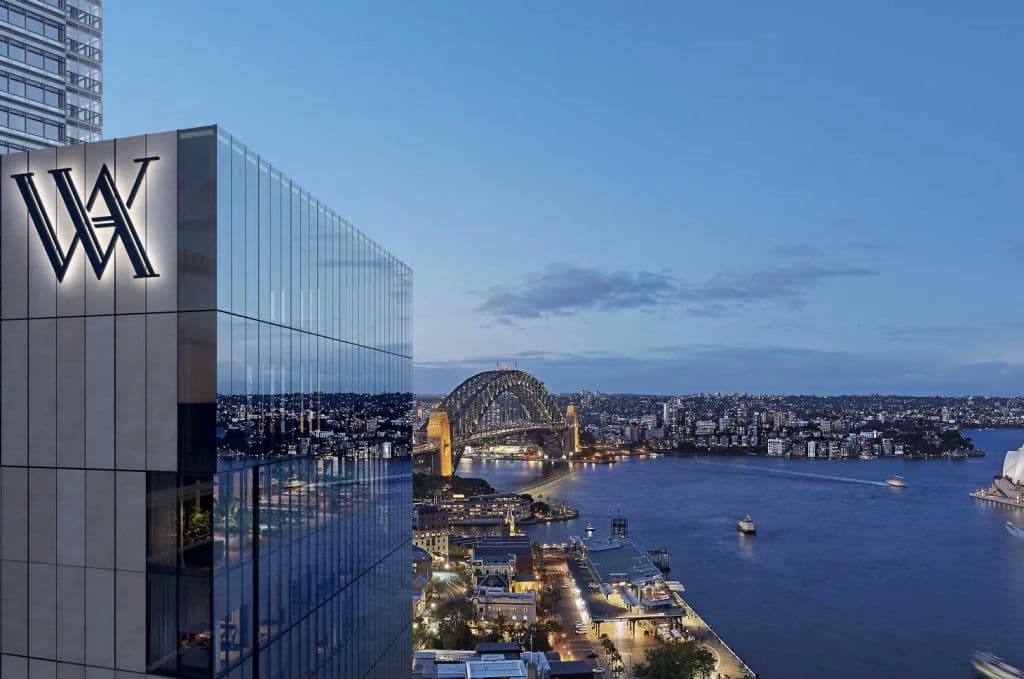
Under these conditions, CBRE’s luxury hotel sales have reached new heights. The $575 million sale of the yet-to-be-built Waldorf Astoria Sydney in 2023 to Andrew and Nicola Forrest’s private investment firm was a record price for an Australian hotel. The hotel – the showpiece of One Circular Quay – will host celebrity chef Curtis Stone’s first permanent restaurant in Australia.
In the same year, the $154 million sale of Sofitel Adelaide to fund manager Salter Brothers set a state record for a single-asset hotel, which is marketed as a “living gallery”.
In 2022, Hobart’s Parliament Square, which includes The Tasman hotel, changed hands for $338 million – Tasmania’s largest recorded real estate transaction. Guests can book into bespoke wine and whisky tastings or concerts by musicians such as Conrad Sewell and Ben Folds.
Experiential hospitality shift
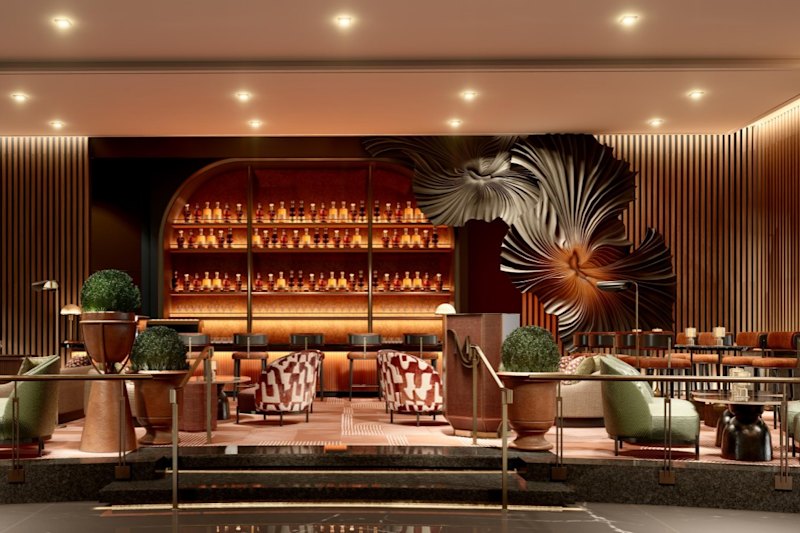
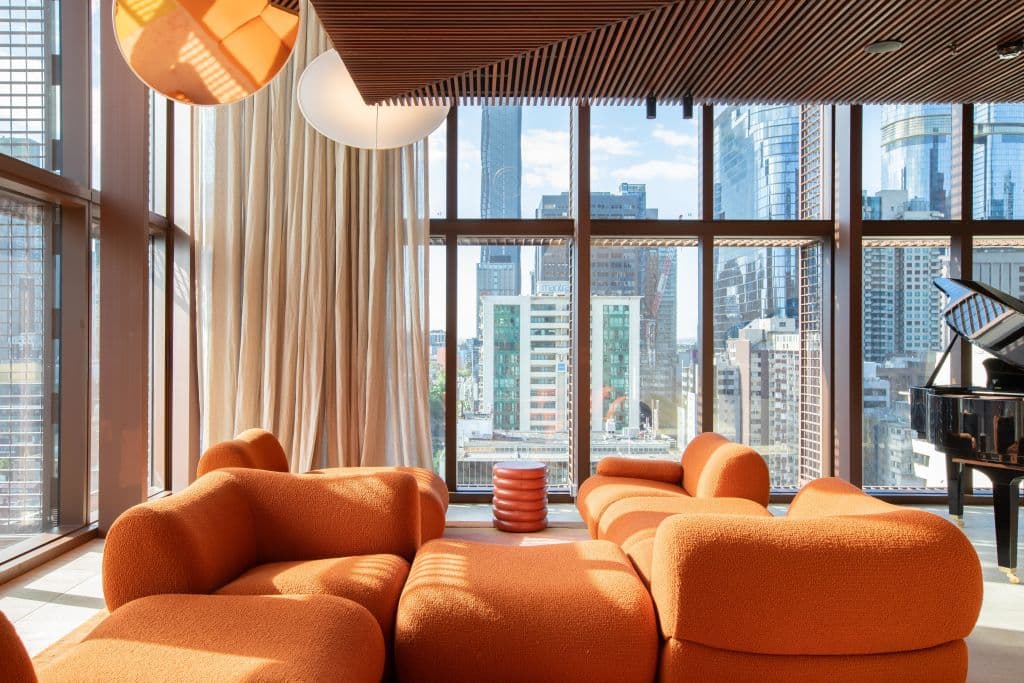
Hyde Melbourne Place general manager Jodi Brown says the hotel is a social hub, not just a place to sleep. It has a live music program, a rotating series of wellness events, and three food and beverage venues: Cleo, Mr Mills and Marmelo.
“Ten years ago, luxury was largely about the room,” Brown says. “Today, guests want the hotel to be their way into the city; where the locals eat, what’s playing, what’s worth seeing, and also to experience parts of that inside the building.
“Service has shifted, too. Guests still expect polish, but they respond far more to warmth and personality than formality.”
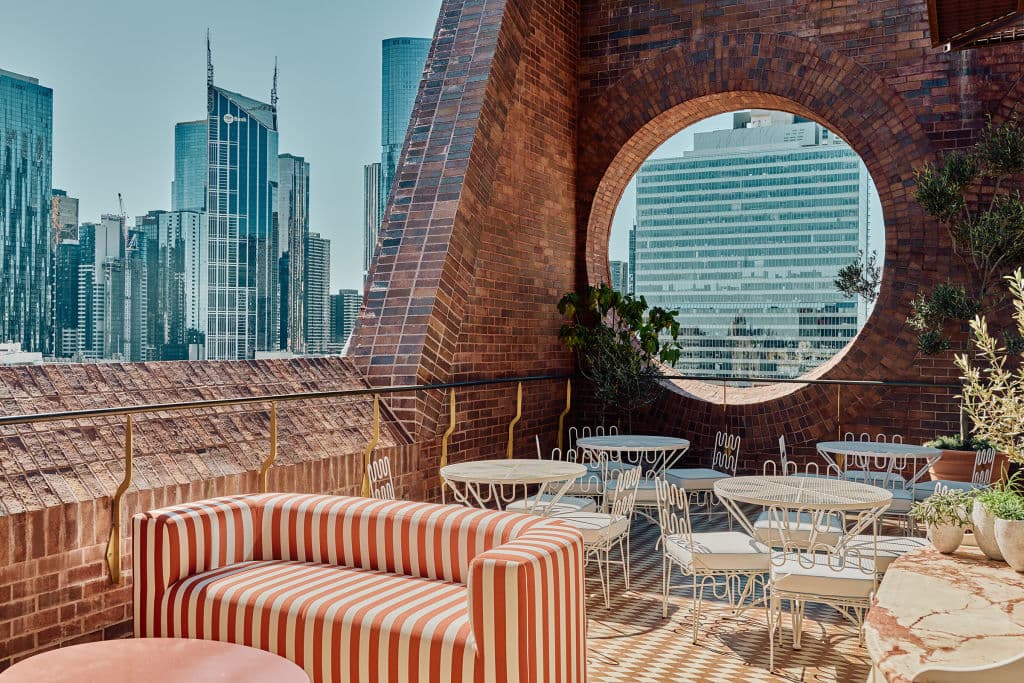
Brown says Gen Z clientele are drawn to this style of hospitality: “They want design with personality, wellness that fits into their lives, and moments they’ll talk about afterwards.
“They’re also drawn to authenticity. If something feels staged, they’ll move on. Our job is to create spaces and experiences that feel like the real Melbourne, not a polished version of it.”
Boutique regional demand
Luxury small business operators are also well positioned to give guests an intimate experience.
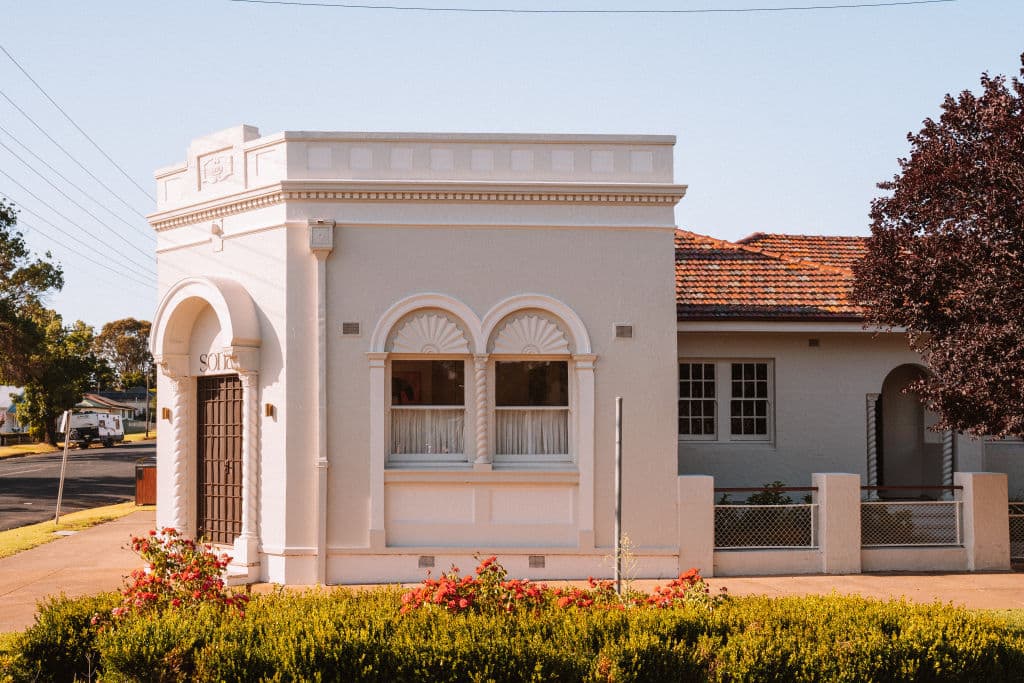
Pip Brett and her husband Nick Luelf run boutique luxury accommodation Bon Bon in Orange, west of Sydney, and Sona, about 30 minutes’ drive away in Molong.
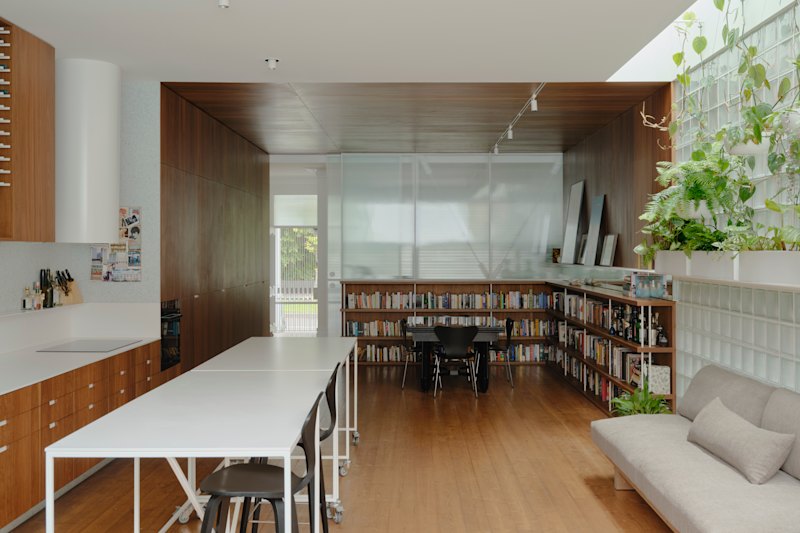
Luelf is a builder and Brett is the founder of lifestyle and homewares boutique Jumbled in Orange, and they worked with architects Studio Esteta on both premises. The properties have individual character, expressed through curated finishes, textiles and furniture.
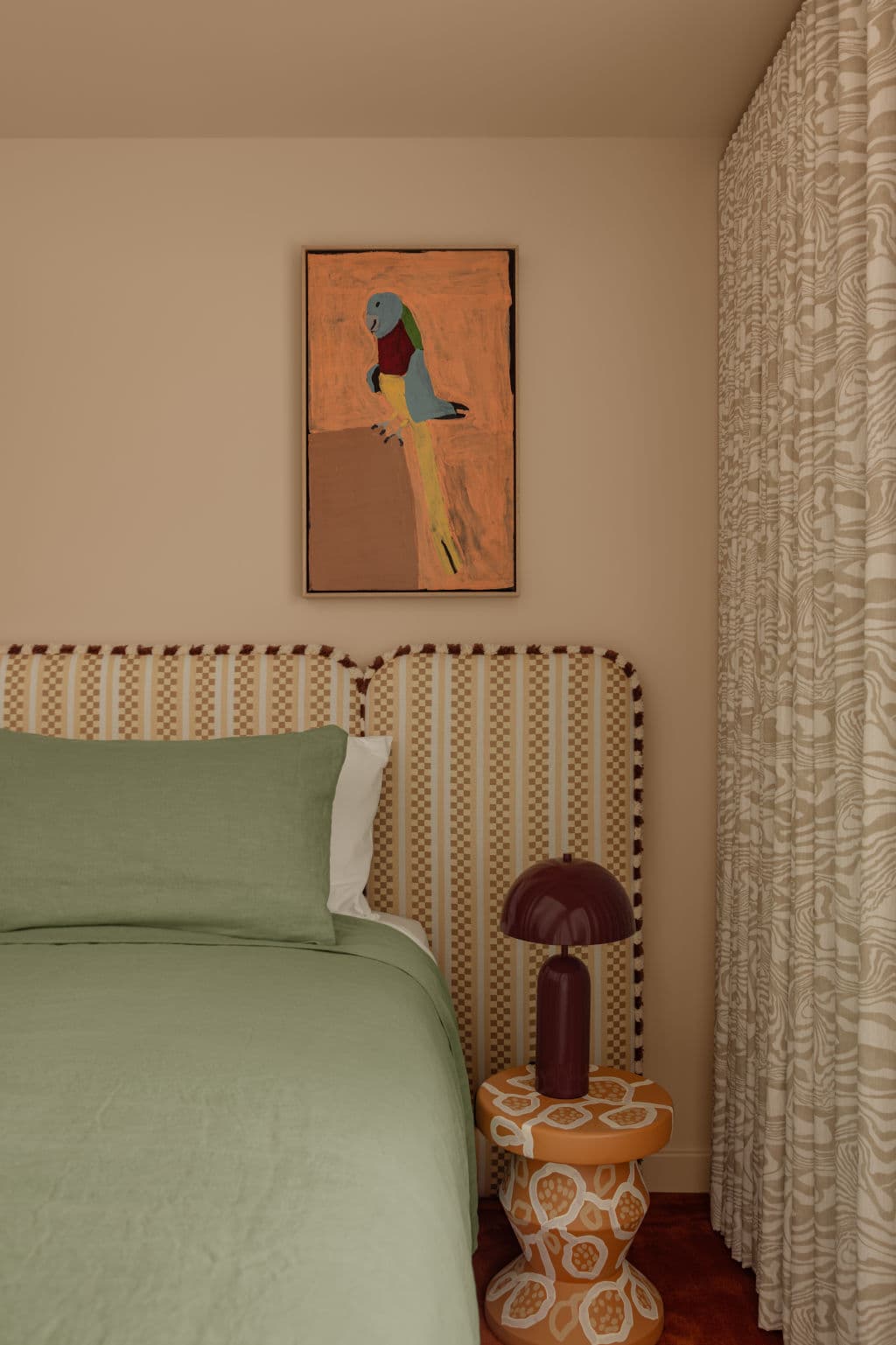
“It’s a different type of luxury, where another person has touched everything and made it special,” Brett says.
“My husband used to think that it’s just a place to put your head, but I think it’s so much more than that. The experience starts from when you book, and when you get there, it’s so wonderful when you’re staying somewhere beautiful and you don’t have to leave.”
She says their visitors are looking for an experience that meaningfully connects them to the region.
Sona guests can arrange for a cook to prepare meals, dinner parties and picnics for them, and tell Brett they love it when the local newspaper is delivered in the morning.
Brett has noticed booking volumes have increased as more Australians choose to spend their holidays and cash locally.
“With the doom and gloom with the economy, petrol prices going up, and airfares are so crazy, lots of people are doing road trips, exploring their own backyards and regions,” she says.
“There’s a lot to be said for three days away – you don’t have to stress yourself with work and emails.”