Woolworths sales on the rise as investor appetite for supermarkets increases
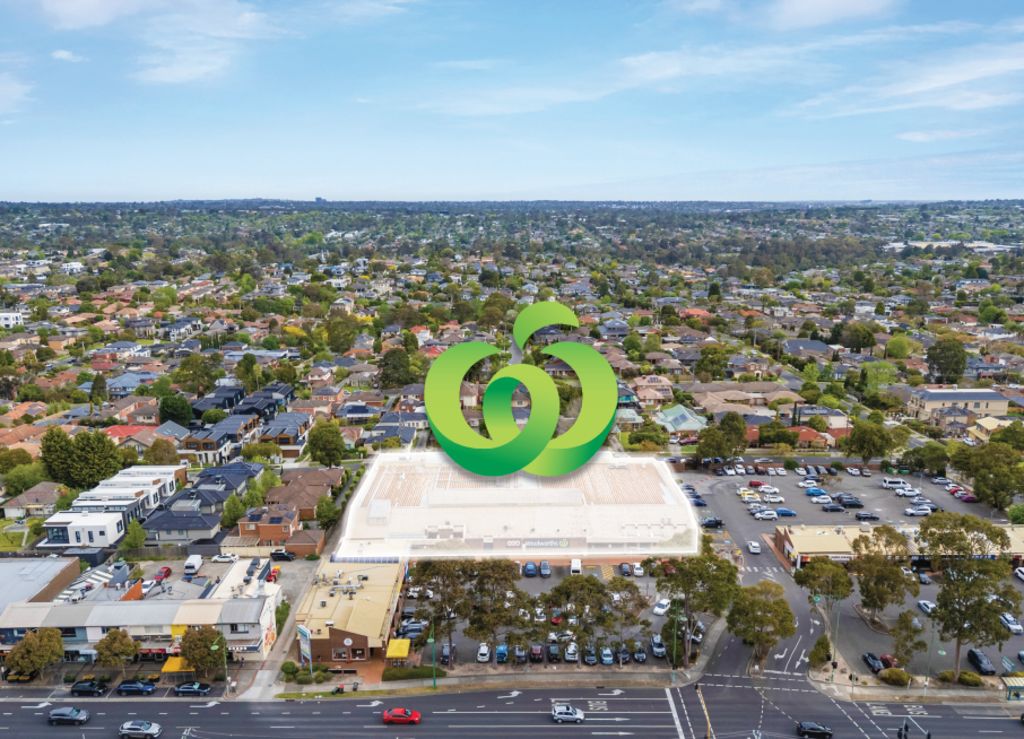
Investor demand for non-discretionary retail assets has been reinforced by a string of major Woolworths transactions, headlined by the sale of a freestanding Woolworths supermarket in Melbourne’s Doncaster East which received 22 formal offers and achieved a benchmark yield of 3.65 per cent.
The $16.35 million transaction, managed by Colliers, marks the sharpest yield recorded for a full-line supermarket since 2022 and follows what the agency described as an exceptionally competitive campaign, with more than 300 enquiries and 40 inspections.
Yvonne Zhou, associate director, Asia markets at Colliers said there was high demand from the Asian-based market.
“Given that 38 per cent of the Doncaster East population are of Chinese heritage, there was particularly strong demand from Asian capital, which continue to target high-quality retail assets with high underlying land values,” said Zhou.
At the close, the highly competitive bidding achieved five unconditional offers on contract and left an estimated $260 million in unsatisfied capital still seeking similar opportunities, underscoring the depth of demand for supermarket assets in Victoria.
Tim McIntosh, Colliers national director of retail middle markets, said the result reflected the growing preference among investors for secure, income-producing assets underpinned by strong land fundamentals.
“Freestanding supermarkets with long-term NET leases are exceptionally rare, and investors are increasingly prioritising assets that combine essential-service security with strong underlying land value and future development potential,” McIntosh said.
The Doncaster East asset is anchored by a recently renewed 10-year NET lease to Woolworths Group until 2036 and occupies a 3213 square metre Commercial 1-zoned landholding within the Devon Plaza retail precinct. The site also benefits from high visibility with exposure to more than 20,000 vehicles daily and proximity to the $26 billion North East Link infrastructure project, which is expected to further enhance connectivity and land values.
The metropolitan result follows a pair of significant regional supermarket transactions, with Victorian private investors acquiring two Woolworths-anchored assets in New South Wales and South Australia for a combined total exceeding $40 million.
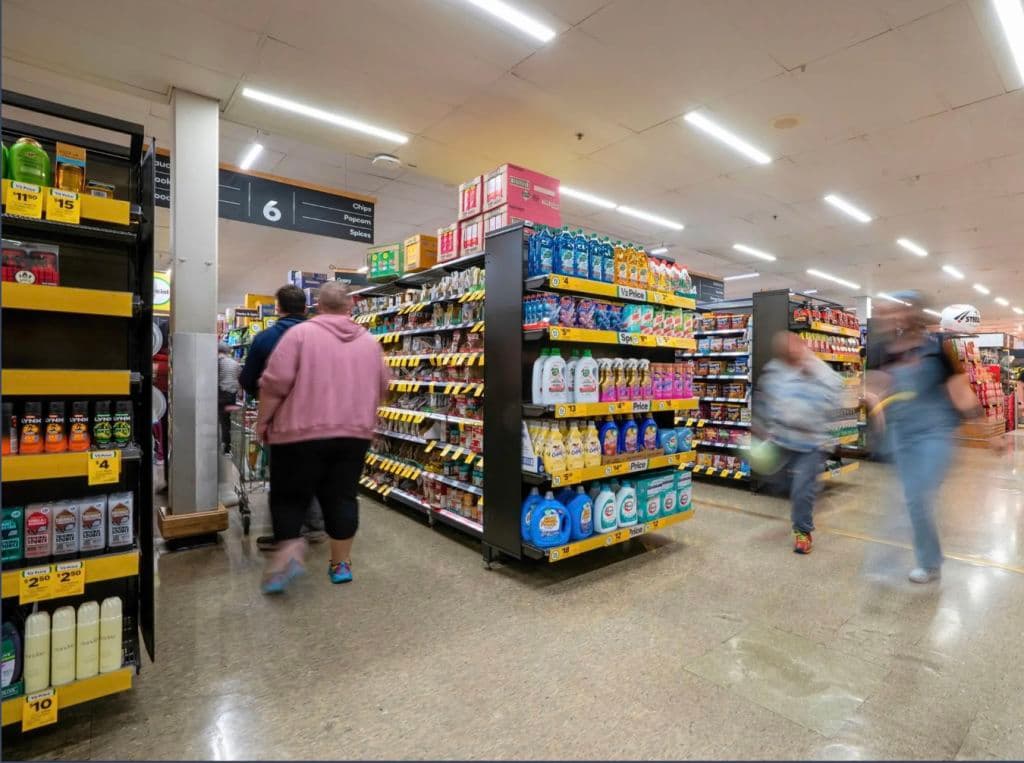
The sales of Woolworths Moree in NSW and Woolworths Mount Gambier in South Australia were handled by Stonebridge Property Group and reflected yields of circa 5 per cent.
Together, the transactions point to a sustained appetite from private capital for supermarket investments, especially those with household names behind them such as Woolworths, as buyers seek assets offering predictable income streams and defensive characteristics amid broader economic uncertainty.
Will Heffernan, Colliers executive of retail middle markets said supermarket assets had increasingly become a cornerstone of investor portfolios, driven by limited supply and resilient trading performance.
“With supply at historic lows, supermarkets continue to attract intense competition from a wide mix of local and offshore buyers seeking stability and long-term growth,” Heffernan said.