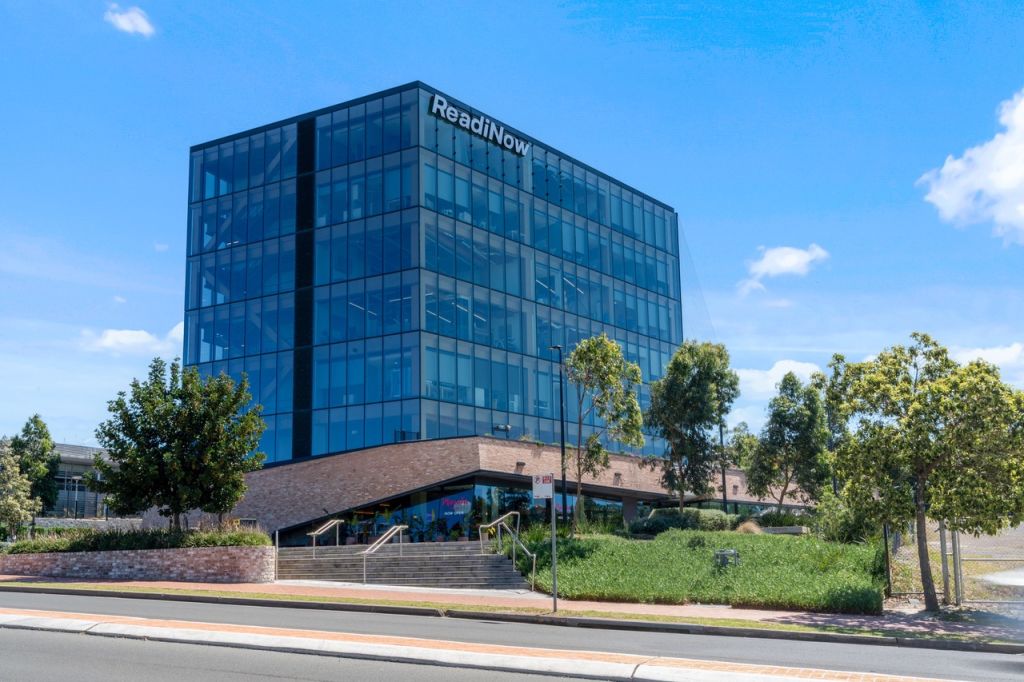
Why investors are increasingly turning to healthcare real estate
Healthcare has long been a commercial property staple, popular for its robust yields and low volatility. But in recent years, investor demand has accelerated. Off the back of favourable demographic trends and ongoing public spending, the sector has moved from a steady performer to a highly sought-after allocation.
Recent sector growth reflects investor appetite. Research from M3 Property estimates that the Australian healthcare and life sciences property sector has expanded by 43 per cent since 2019. The property advisory firm also expects the sector to more than double from $5.2 billion to $12.1 billion by 2028.
Several factors are driving the shift, with one of the biggest being Australia’s growing and ageing population. Healthcare spending in 2023-24 was $270.5 billion, but that number is expected to rise as the bulk of the population moves into older age brackets and relies more heavily on healthcare services.
“Australia’s population has one of the highest growth rates in the world. And with a larger population, obviously there needs to be a greater spend on healthcare,” says Jesse Curtis, head of funds management at Centuria.
“Our population is … also getting older. And with that comes a rise of chronic conditions and comorbidities.”
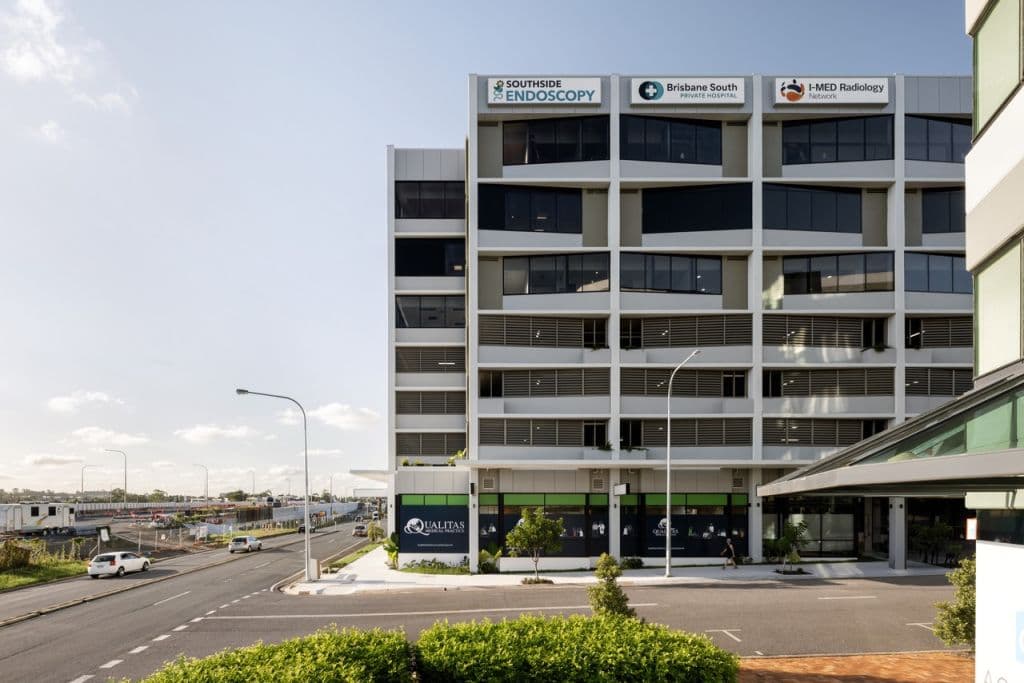
An uptick in government investment in primary care, NDIS and Medicare funding is also boosting confidence in healthcare assets. Governments funded nearly 70 per cent of total health spending in 2023-24, underpinning the sector’s revenue base.
The “stickiness” of healthcare tenants is another draw. Given the high fitout costs for most medical operators, tenants face greater barriers to relocation and are more likely to enter into longer lease terms. Also common are CPI-linked rent reviews and triple-net leases, in which tenants typically cover outgoings such as maintenance, insurance and rates, and landlords benefit from greater cash flow certainty.
As a result, WALE profiles in the sector are often comparatively long, contributing to income stability.
“On the buyer side, I am seeing more clients ask for healthcare assets as a deliberate shift toward income they can underwrite with more confidence,” adds Chris Huxter, head of commercial investments at InvestorKit.
The return profile of healthcare property is also attracting investors, with yields now sitting competitively among other core sectors and regional assets offering a modest premium.
Burgess Rawson by CBRE data shows that metro healthcare assets delivered average yields of 5.87 per cent, and regional assets, 6.54 per cent, in 2024-25. This is closely aligned with prime industrial and retail, which recently recorded national weighted averages of 5.72 per cent and 5.91 per cent, respectively, according to Colliers.
What healthcare buyers want
Within the sector, medical centres, day hospitals and diagnostic facilities are popular, as are more specialised formats such as radiology clinics and allied health suites. Integrated health and life sciences precincts with research facilities and education or training components are becoming more prominent. Regional areas are also attracting attention, particularly in growth corridors with rising populations and limited new supply.
Curtis adds that there’s a current constraint on new medical development, thanks to high construction costs and limited suitable sites. This means investor competition is often concentrated on existing, well-leased assets.
“Right now, the cost to be able to deliver new healthcare space is very high,” he says. “Where you’ve got large populations, you’ve usually got a scarcity of land and competing land uses.”
Huxter adds: “The sector is still smaller and less ‘scaled’ than most buyers assume, which keeps competition focused on a limited pool of good stock.”
While private capital investors still make up the bulk of smaller medical acquisitions, Huxter says there’s an increasing proportion of high-net-worth buyers and private syndicates investing in smaller medical centres and specialist suites.
“The buyer mix is broad, with private capital still doing a lot of the heavy lifting for smaller medical assets,” he says.
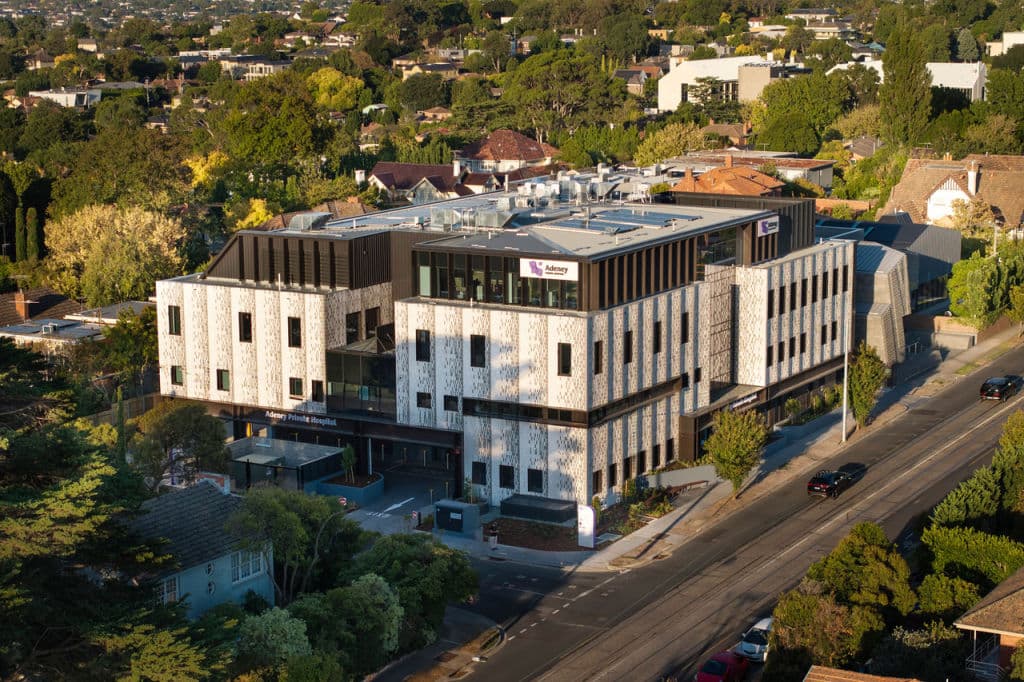
The test of a ‘good’ asset
Not all healthcare assets are created equal. Curtis notes that building fundamentals are essential to ensuring operators can operate efficiently, including proper waiting room space, logical patient flow, accessible parking, and fit-for-purpose consulting rooms.
The building’s adaptability should also be carefully assessed, because it’s easier to re-lease if a tenant leaves. It should be functional, accessible and suitable for a range of healthcare uses.
“A ‘good’ healthcare asset is the one that still leases well if the current tenant changes. That is the test most buyers skip,” Huxter says.
The WALE is another key component, but it shouldn’t be the only consideration. Huxter recommends having an in-depth understanding of the local catchment to gauge whether underlying demand fundamentals support ongoing occupancy and sustainable rent levels.
“I treat it as a two-part equation. WALE and covenant get you financeable income. Location and catchment are your downside protection,” he says. “If you ask one question before you buy, make it this: ‘if this tenant left, who leases it next and at what rent?’”
The quality of the operator is also an important consideration, as it indicates whether the tenant’s business model is likely to remain viable over time. A long lease doesn’t protect investors if the operator fails, and the strength of the tenant covenant remains central to risk assessment.
“The lease looks long, but the business is thin,” Huxter cautions. “The biggest risks are predictable, and they get ignored because ‘healthcare’ sounds safe.”
The momentum for healthcare property investment doesn’t look to be slowing down anytime soon. Curtis says that local institutional participation remains relatively limited, with ample scope for further investment in the sector.
“In Australia, healthcare real estate is one of the lowest percentage of institutional ownerships in the world,” he says. “We’re really in our infancy in terms of the institutional investments, so we anticipate there’s still a lot more to come.”