Why commercial spaces are ditching sleek design for a homely feel
There are many adages about homes. There’s no place like them, they’re where the heart is, how sweet they are. The general sentiment is one of affection for the abodes we return to daily, which might explain why commercial spaces are increasingly feeling a little like home, too.
From restaurants to gyms, the nurturing feelings associated with the home are finding their way into the design schemes of the places we visit to get out of the house.
Undulating curves on walls and benches are replacing hard, sterile edges. Glossy, look-but-don’t-touch furniture is being superseded by plush textiles you want to nestle into, while sentimental touches in the way of second-hand decor are claiming space over brand new pieces.
“There’s a broader shift away from over-designed commercial spaces,” says David Flack, founder and principal of Melbourne-based design firm Flack Studio. “More and more, people are craving authenticity, spaces with soul.”
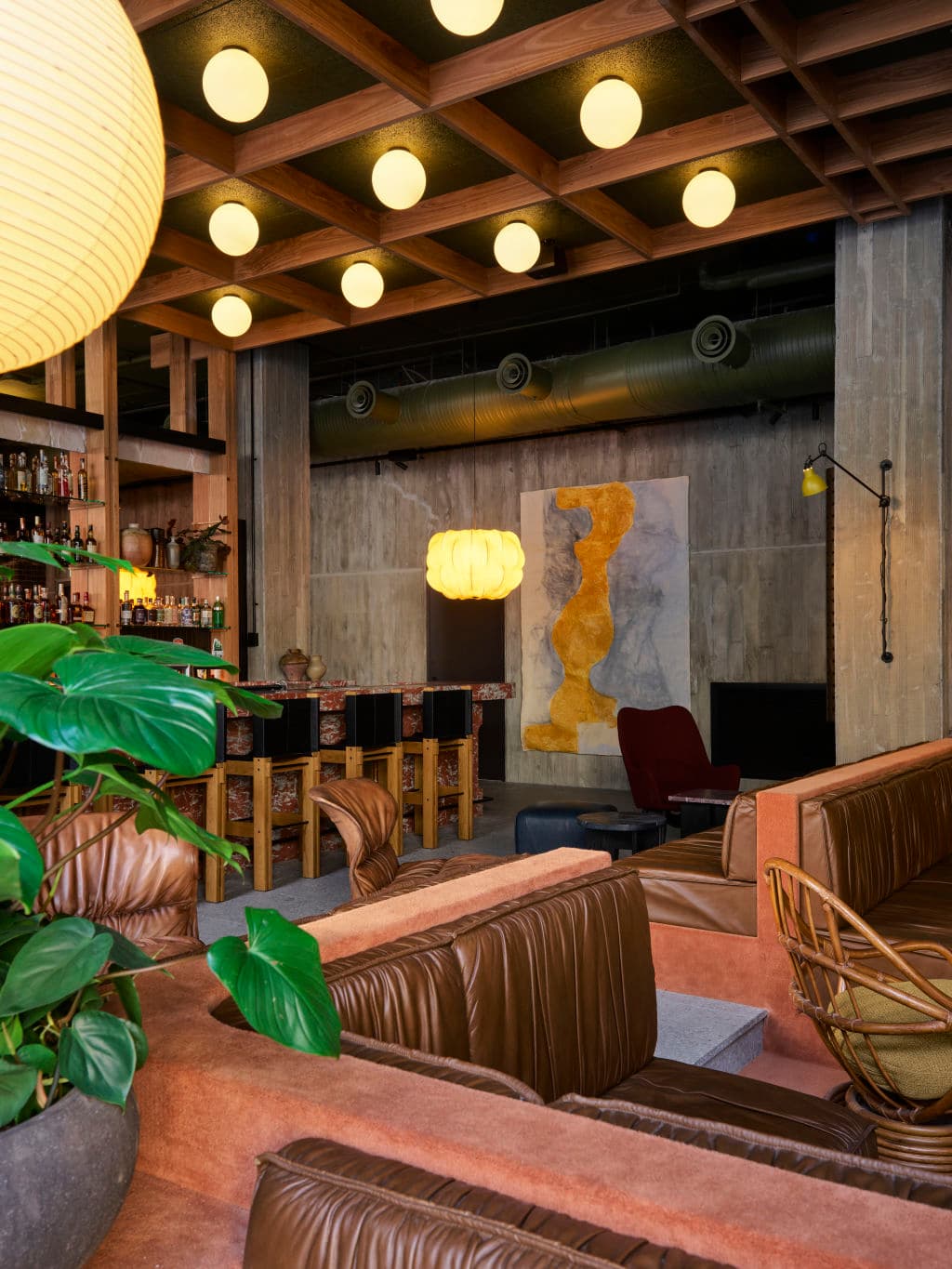
When Flack turned its attention to designing the interiors of Sydney’s Ace Hotel in 2022, the vision was a far cry from the shiny marble lobby of a five-star hotel. Instead, the fitout is closer to a stylishly appointed home, a place where, Flack says, “guests would feel genuinely comfortable”.
The lobby, a space which is also home to the hotel’s convivial bar and a casual restaurant, is divided up by rectangular booth-style seating reminiscent of ’70s-style sunken lounges. Upholstered in buttery tobacco leather, the seating encourages imbibers to settle in.
The ethos is simple: “If a space feels transactional, people won’t return. If it feels like somewhere they genuinely want to be and linger, they will keep coming back,” says Flack.
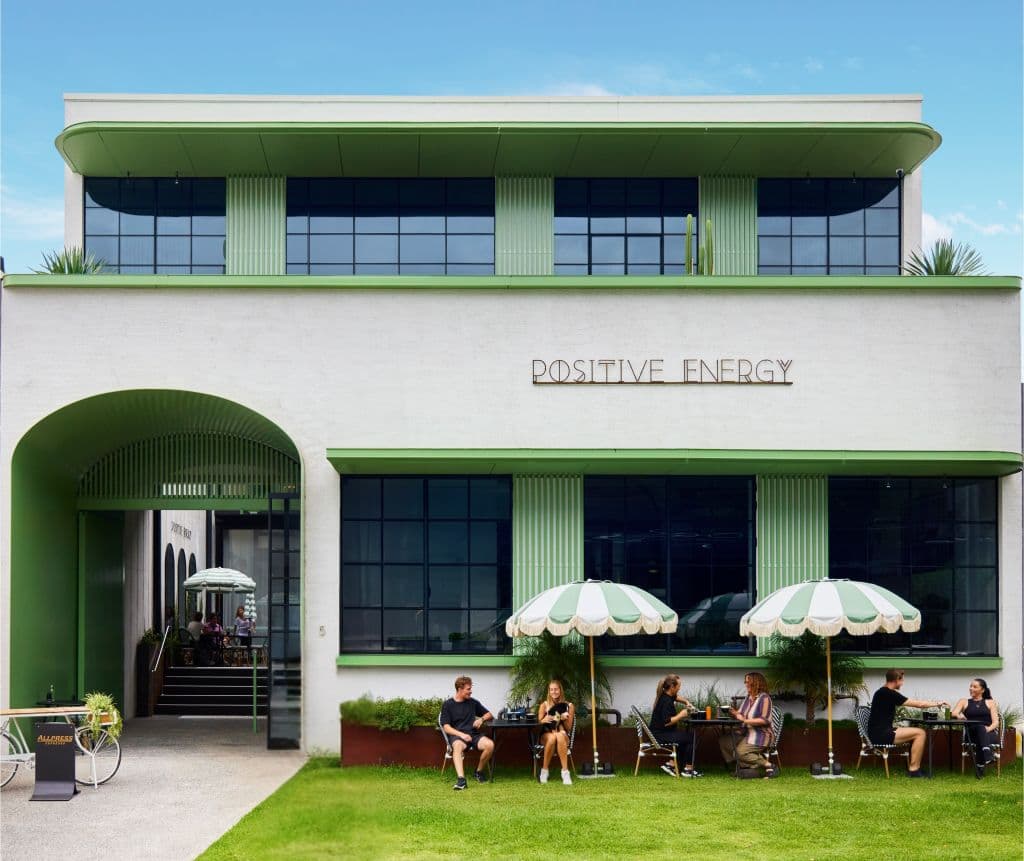
Over the bridge in Sydney’s Northern Beaches suburb of Balgowlah, the traditional gym has been reimagined too. In a semi-industrial street sits Positive Energy – an architect-designed wellness centre complete with pistachio-green accents and striped umbrellas that wouldn’t be out of place in Palm Springs.
“Traditional gyms can feel quite intimidating or serious, and that never really resonated with me,” explains Jodie Hines, Positive Energy’s founder. “I think people are really craving spaces that feel safe, calm and a little more like home, somewhere they can take a breath and switch off from the outside world.”
Positive Energy, which opened in September 2025, takes a more holistic approach to wellness, fusing physical health with mental wellbeing. Naturally, the aesthetic had to follow suit.
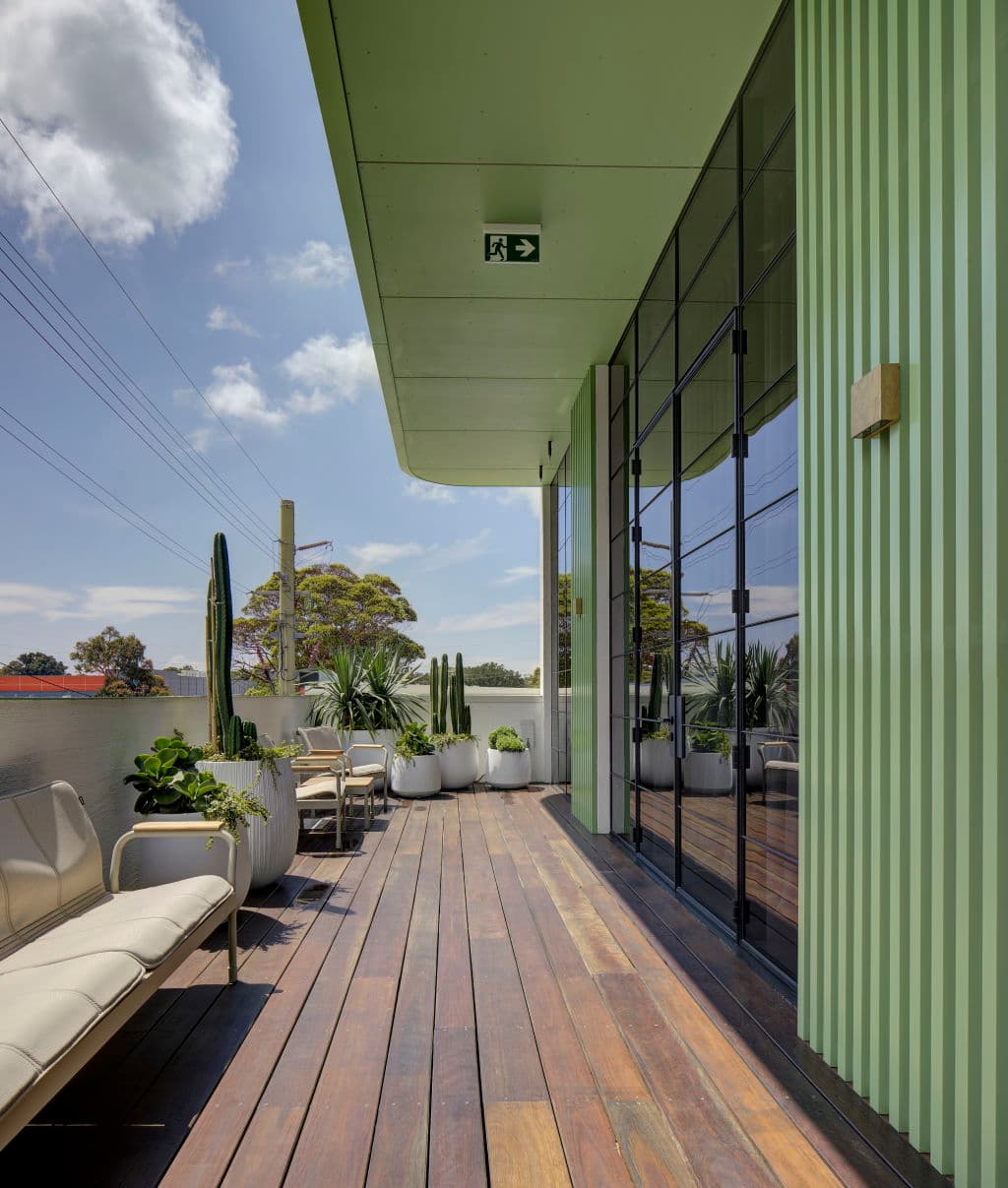
In one of the studios, floor-to-ceiling glass doors open onto a timber balcony, where succulents and palms cluster in oversized pots. Back inside, sheer curtains around the room’s perimeter add tactile softness. Natural light floods the space, thanks to a central atrium, creating the kind of atmosphere you’d find in a breezy coastal home. “I wanted the space to feel uplifting the moment you walk in, like it instantly shifts your mood,” Hines says.
The cafe and juice bar at the entrance, with its relaxed bench seating, invites you to linger – an easy place to gather, pause and unwind. Much like a kitchen at home, it serves as the space’s natural heart.
In a world that feels increasingly volatile, there’s something to be said for finding a sense of familiarity in our gym or the local cafe.
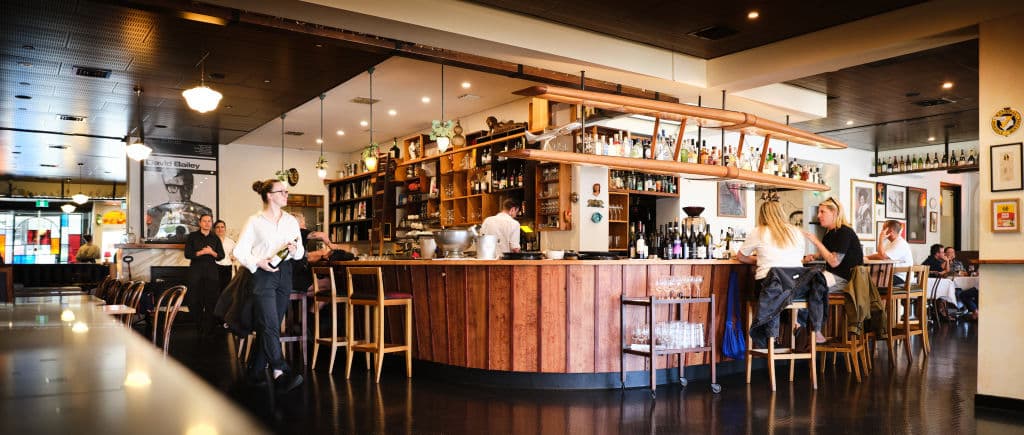
Take Geralds Bar in Melbourne’s Carlton North. After 19 years at the same Rathdowne Village location, the wine bar recently moved into a bigger space on Lygon Street, but that didn’t mean it was abandoning its homely atmosphere.
Calling upon The Timber Trip – the makers who handled the woodwork in the original Geralds Bar – the new space pays homage to its predecessor, courtesy of a striking curved bar. The centrepiece was fashioned from recycled timber, some pieces leftover from a staircase Coyle was building 25 years ago, and others salvaged from an old house in Doncaster.
“We managed to reuse all the bar shelves, tables and bar stools from the old Geralds,” says Mario Di Ienno, one of the bar’s founders.
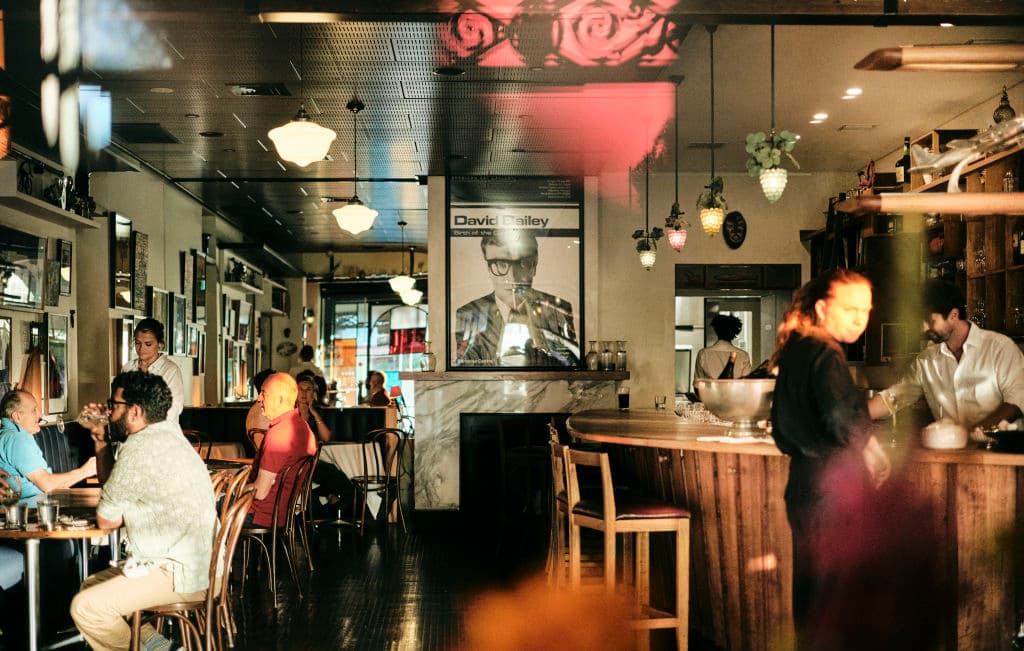
The space exudes a kitschiness, like the home of an Italian nonna, with frosted-glass sconces shaped like bunches of grapes and, in one area of the bar, shelves filled with an impressive collection of records. The effect is one of nostalgia and lived-inness, as if it’s been there all along.
As nice as it can be to occasionally feel a million miles away from our humble abodes, if these venues prove anything, it’s that Dorothy had it right all along.