Three Tasmanian islands for sale offering the ultimate secluded lifestyle
For those chasing the ultimate lifestyle, it’s hard to imagine anything more alluring than owning your own island – and in Tasmania, these opportunities are more than just fantasy.
Scattered across the Bass Strait, many of north-eastern Tasmania’s islands were formed by rising sea levels that separated them from the mainland thousands of years ago, leaving behind a scattering of isles defined by rocky terrain, open grazing land and remote coastlines.
Now, a trio of private islands is offering buyers the chance to secure their own slice of this rare and tightly held landscape, each with a distinct character ranging from productive farmland to wilderness escapes.
Puncheon Island
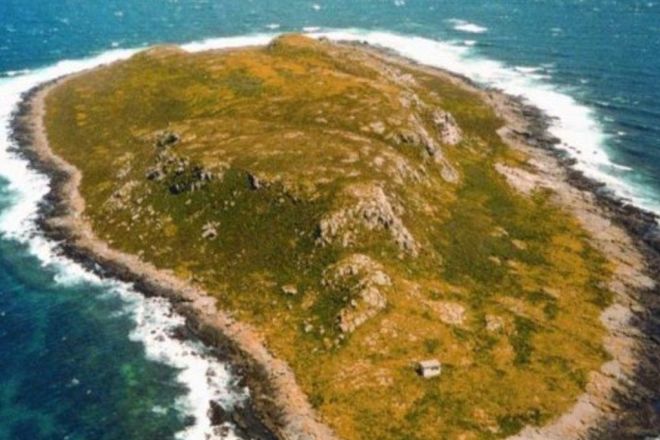
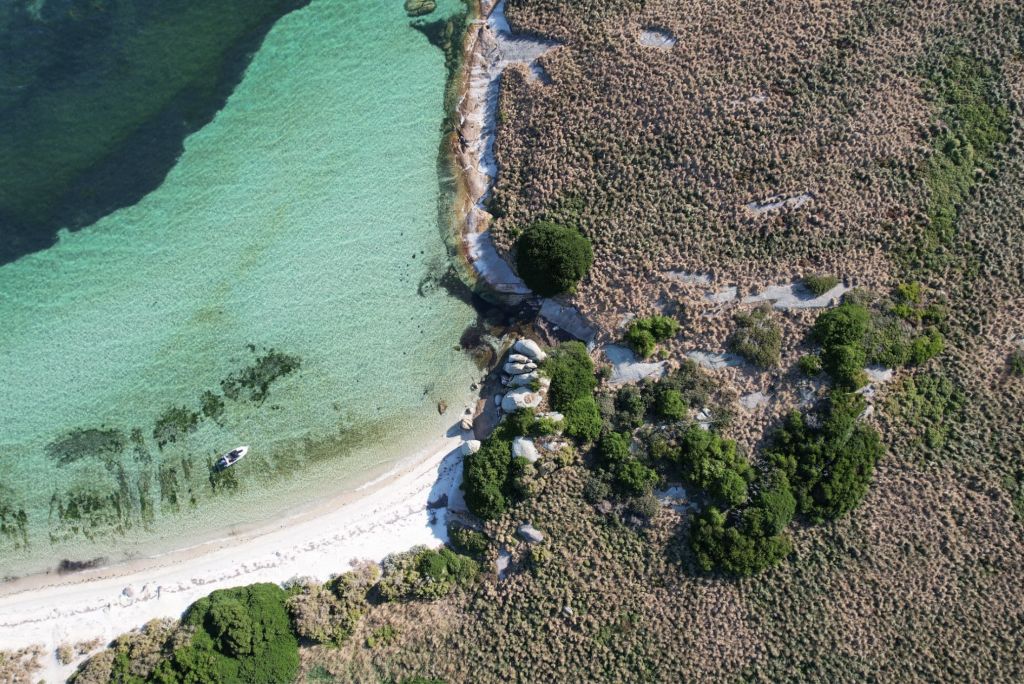
In the Furneaux Group, south of Flinders Island, Puncheon Island spans around 16.25 hectares and is accessible only by boat or helicopter, reinforcing its sense of a total escape.
The island has been used for farming since the 1850s, with drystone walls still dividing the paddocks – a reminder of an era when island living was both practical and self-sufficient.
Set back from the shoreline, a modest three-bedroom house allows the new owners to settle right into their new surroundings. The design includes double-glazed doors in a five-panel bifold system, while a well-appointed kitchen, with a 900-millimetre Smeg electric oven and generous storage, has been added for modern living.
Beyond the home, the island is equipped for living off the land, with a henhouse, 14 raised vegetable beds, and machinery (including a tractor with slasher, a quad bike and a cart) housed in a large storage shed. Solar panels and battery storage are backed by a silenced generator, ensuring modern comforts remain within reach. Despite its seclusion, essentials are not far away, with the village of Lady Barron on Flinders Island accessible in around 35 minutes by boat.
Little Dog Island
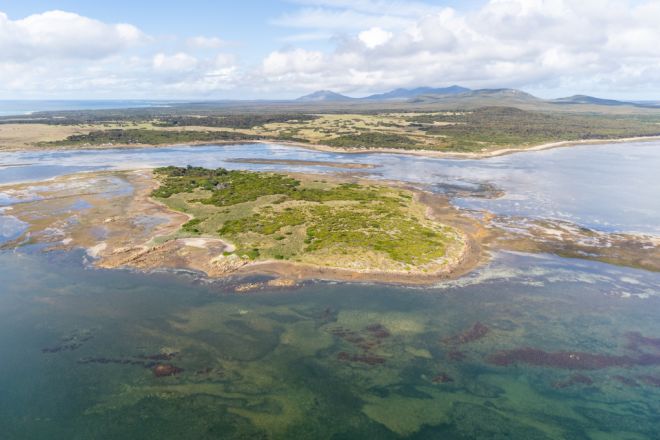
Located just 15 minutes by boat from Lady Barron Wharf on Flinders Island, this 17.2-hectare property boasts two stunning beaches where the new owners can swim and sunbake without anyone around.
The island is already set up for low-impact stays, with two cedar huts, a connecting deck and composting toilet infrastructure in place. Camping is also a possibility, which lends itself to eco-tourism avenues, or if the buyer would prefer to keep the island to themselves, an off-grid home could be built, subject to council approval.
As one of only a handful of freehold islands in the area, it represents a tightly held opportunity.
Ninth Island
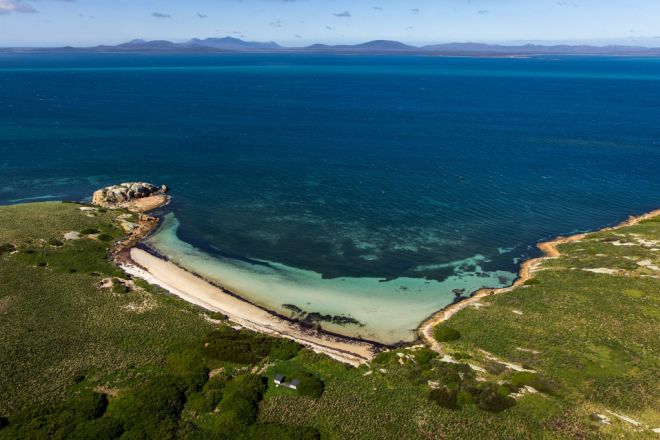
Further south, near Bridport, Ninth Island presents not just a potential private retreat but also a potential long-term investment priced from $1.9 million plus GST.
Spanning around 16 hectares and positioned roughly 12 kilometres off Tasmania’s north-east coast, the freehold island sits within the Waterhouse Island Group and remains largely untouched.
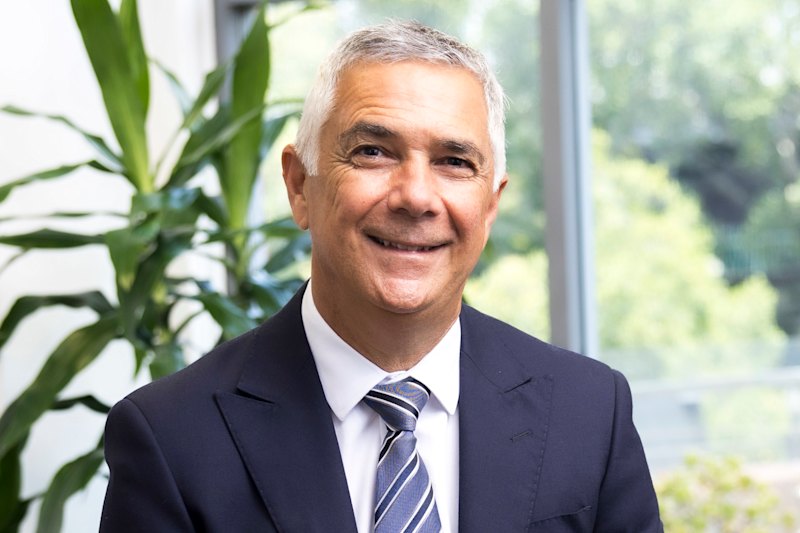
While the island is subject to environmental considerations, its history of cattle grazing points to the quality of the land itself. As agent Peter Huang of Yong Real Estate Commercial notes, “its agricultural past speaks to the purity of the environment … the air, water and land quality here are exceptional.
The island is well known in the region and even has a wine label named after it. When Dr Andrew Pirie founded Pipers Brook Vineyard in the 1970s, he was inspired by the maritime climate and its influence on grape growing. The island became a symbol of that environment, thanks to its remoteness and exposure to cool sea breezes. These conditions perfectly mirrored the conditions shaping their wines, so Ninth Island wines were born.
It was also the refuge for the survivors of a shipwreck in the 1900s, including Princess Mary of Denmark’s grandfather.