The rise of the multi-hyphenate business
In the South Australian wine-region town of Penola, business owner Alana Foster has married two ideas under the roof so successfully that customers can’t help themselves.
Moss and Wild is a fashion and homewares boutique and cafe, in Coonawarra wine country, creating a stylish space where customers feel invited to browse. Foster has designed it to be sensory, down to the waft of espresso poured by a bubbly barista and the vivacious, colour-curated racks and shelves.
“We hear the phrase, ‘Well, that was an expensive coffee,’ a lot!” Alana jokes.
“People often come in for a coffee and leave with a new outfit or something for their home. Having both offerings encourages customers to stay longer, explore the space, and engage with the store in a different way. It still amazes me how far people travel to visit.”
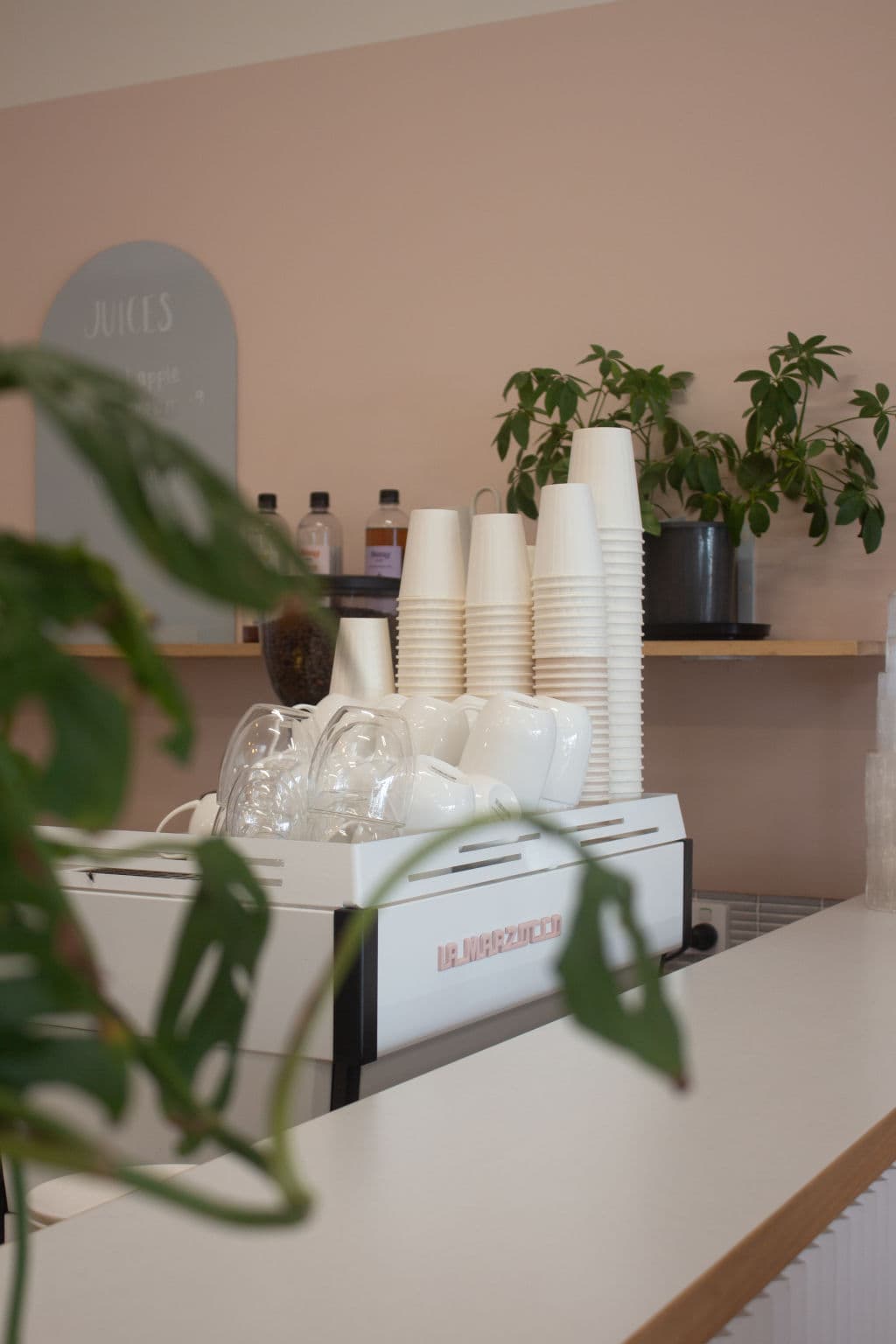
“Multi-hyphenate” businesses that combine two or more functions, like Moss and Wild, are enhancing what can be achieved, revenue-wise and for customer experience, from a single tenancy.
A daytime cafe that converts into a wine bar at night is a common example in Australia, but second-hand bookshops that double as cafes and poetry venues, record shops with cocktail lounges, florists that can host weddings, and restaurants with delicatessens and karaoke suites are giving customers more than one reason to stay and spend.
“It’s always been about building a destination store,” Foster says. “From the moment customers walk through the door, we want them to feel inspired through the displays, the interiors, and even the smell of coffee.”
The concept is more common overseas. One of London’s most famous restaurants, Sketch in Mayfair, was ahead of its time when it opened in 2003 as an equal-part dining room, nightclub and art gallery.
In Japan, workers can have a shirt expertly pressed in a cafe setting, and in the US, customers can get a manicure in a wine bar or drink beer while grocery shopping.
High-end brands, like Tiffany & Co, which has a cafe within its New York flagship jewellery store, also see value.
Staying competitive requires an entrepreneurial spirit. Research from tech company Square (which covers 2000 restaurant and retail owners and 4000 customers in the US, Canada, UK and Australia) found that, for some businesses, almost a quarter of revenue came from a diversified offering.
The Future of the Multiphyphenate report, released in 2024, found that restaurants are supplementing dining with cooking classes, meal kits and merchandise, and 61 per cent of retailers said they were looking to add a wine or coffee bar to their shop floor in the following 12 months.
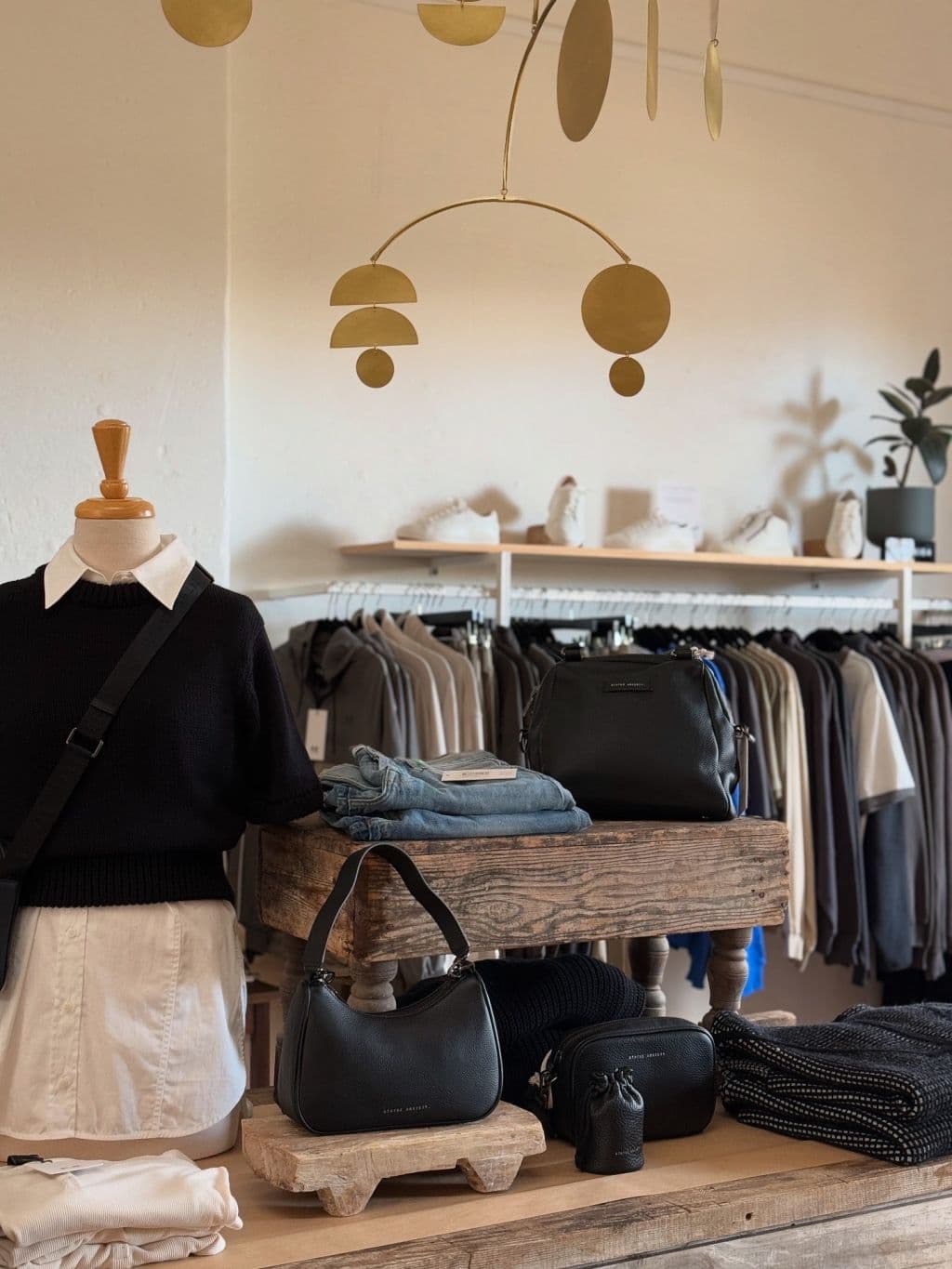
Moss and Wild, on the main street of Penola, South Australia, started as a fashion and homewares boutique. It closed for a few months during the 2020 COVID-19 pandemic, and Foster took the chance to reimagine what her store could be.
The opening of the Penola bypass, reducing traffic, was another turning point, she says.
“We needed to diversify and create multiple revenue streams to ensure stability,” Foster says. “Adding the cafe allowed us to do that, while also creating more of a destination that people would go out of their way to visit.”
In a challenging market, it makes economic sense that no inch of floor space is wasted.
However, experts say these stores can also be an investment in building brand affinity.
“There are two different types of financial approaches,” says Michael Tuck, Colliers national director and head of retail leasing and advisory.
“There are brands that approach spaces for general retailing where they want to sell products and make profits, and then there’s the approach where it’s more of a marketing play.”
Physical retail is no longer just defined by a transaction. The right commercial space is where relationships are established, he explains. “When people dwell longer in the space, that translates into more spending on hard products. It also, fundamentally, creates a better connection with the customer.”
Dr Rachel Lamarche-Beauchesne, senior lecturer in fashion marketing and enterprise at Torrens University, agrees that dual business models are a “customer acquisition tool” and not always about working the floorspace harder for the bottom line.
“It is great for social media, it’s great for PR, and it’s good for word of mouth,” she says.
“Time, at its core, is a marketing spend; customers that spend time in your store can understand your brand and see themselves in more aspects of your brand.”
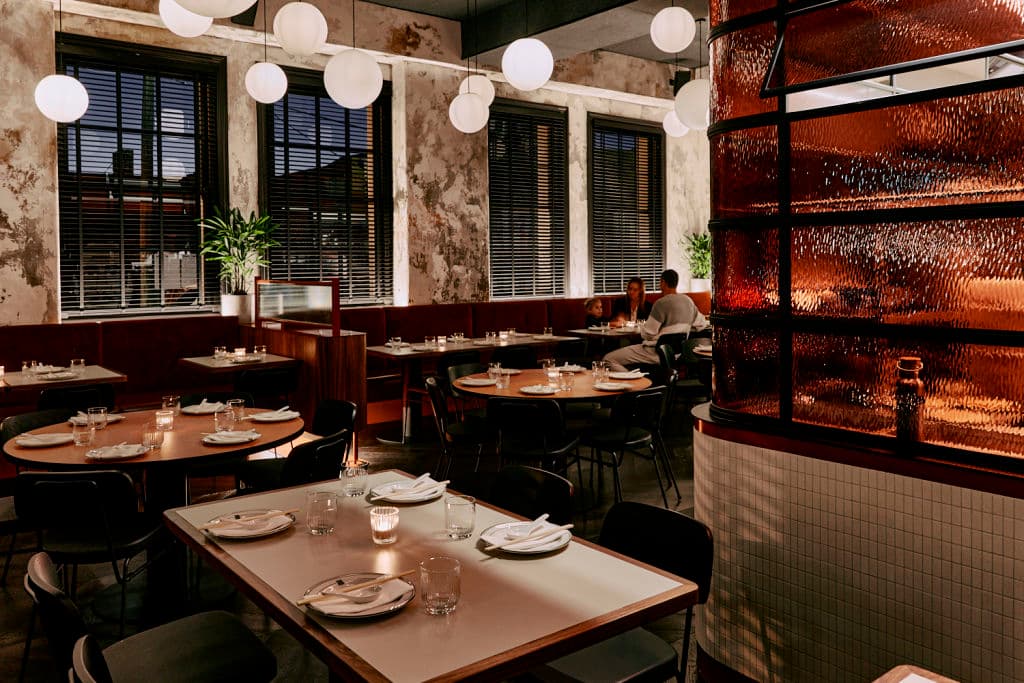
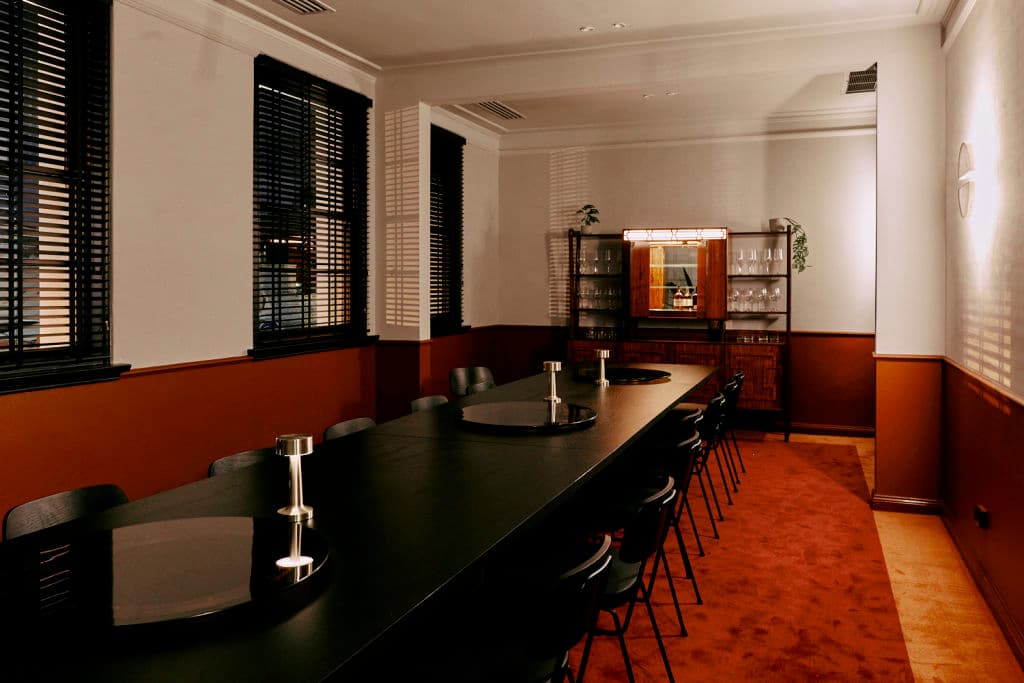
For the Melbourne hospitality supremos of Commune Group, the approach unlocks additional income from loyal clientele. Its elegant Chinese restaurant Moonhouse in Balaclava has a function space, Moonhouse Upstairs, with a separate entrance and its own bar. The result is two businesses in one, managing director Rob Gringlas says.
The company operates several other restaurants, including Studio Amaro in Windsor and Tokyo Tina in Richmond, which have function areas.
“We’ve been in business now for nearly 10 years, and one thing we’ve learned is that you really need to have multiple revenue streams,” Gringlas says.
“We have the core business, which is the restaurant and bums on seats. In addition to that, some of our brands do a lot of takeaway and catering. For others, we look at functions as another way to generate sales, which has been really good for us.”
Functions and events have been a “game changer”, Gringlas says, and bookings flow in weekly. Regular restaurant patrons who trust the quality of the food and service will book their wedding party or 40th birthday in the function area. The costs work, he says, because the functions use the existing kitchens and infrastructure.
Tuck says landlords appreciate dual-purpose tenants, but businesses must assess the return on investment.
“Landlords always want to diversify their offering, and so if one tenant can deliver that, it’s a win and a positive,” he says.
“What brands need to consider is that in a core retail space, the rents can be such that putting in a restaurant may not stack up and produce a profit from the space.
“Rents for prime luxury and fashion spaces in Sydney city can be $14,000 a square metre up to $25,000 a square metre, and food and beverage spaces generally want to be around that $1500 to $2000 a square metre mark, so there’s a huge delta.”