Golden age for luxury retail driven by tourism, younger consumers
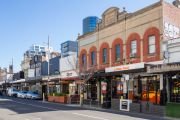
Tiffany & Co., Bulgari, Prada, Versace, Louis Vuitton … It’s late-night shopping in Sydney’s city centre and the luxury stores are all bustling.
At a time when retail generally is struggling, sales volumes of the luxury brands have climbed an annualised 10.2 per cent over the past five years, and are expected to rise another 10 per cent before the end of 2018.
A major driving factor is the way younger consumers, increasingly aware of the latest trends on social media and seeking the celebrity value of top brands, are coming to the fore.
“Then it’s a lot to do with marketing,” said IBISWorld senior analyst Kim Do. “These retailers capitalise on trends that are very popular with young people, like streetwear, and then form collaborations with the hip labels to capture this market. This demographic are the ones prepared to pay $2000 for a pair of runners …”
In addition, about 30 per cent of sales from upmarket stores these days come from inbound tourists, particularly from the rising middle classes of China and India, and the number of visitors from both to Australia are on a steep upwards trajectory.
While IBISWorld predicts the growth will slow a little to an annual 7.6 per cent in the next five years, more overseas high-end brands and stores will continue to enter Australia. Between 2012 and 2016 alone, there were 139 new entrants into Australian cities.
“Australia has been a retail hotspot for international brands with one of the highest new-brand entry rates in Asia Pacific on per capita basis,” said CBRE senior research manager Danny Lee.
“Australia’s favourable economic conditions of strong population growth, wealth, employment and tourism have supported the inbound expansion, with Sydney and Melbourne the preferred choices for first-time entrants.”
About 41 per cent of the new fashion companies coming here specialised in luxury and business, Mr Lee said. Those luxury brands tended to focus on CBD and super-prime regional centre locations.
Tiffany & Co, for instance, was relocating its Sydney CBD flagship store to a 2200-square-metre site now being constructed on the corner of Pitt and King streets – which will be its 11th location in Australia and fourth in Sydney. “Over the last several years we have had the opportunity to open new stores and refurbish existing stores in order to continue to drive growth,” said Glen Schlehuber, vice-president and managing director, Tiffany & Co. Australia and New Zealand.
Luxury jewellery retailer Bulgari, meanwhile, was revamping its Sydney store to “create a more positive emotional experience for consumers … to make shopping more experiential,” said IBISWorld’s Ms Do.
The top brands were having a significant impact on shopping centres and strips, said Alex Alamsyah, head of retail leasing Australia for Knight Frank.
“Once a landlord secures the top big six, then other luxury brands will follow, as they want stores nearby, which pushes rents higher and higher,” he said.
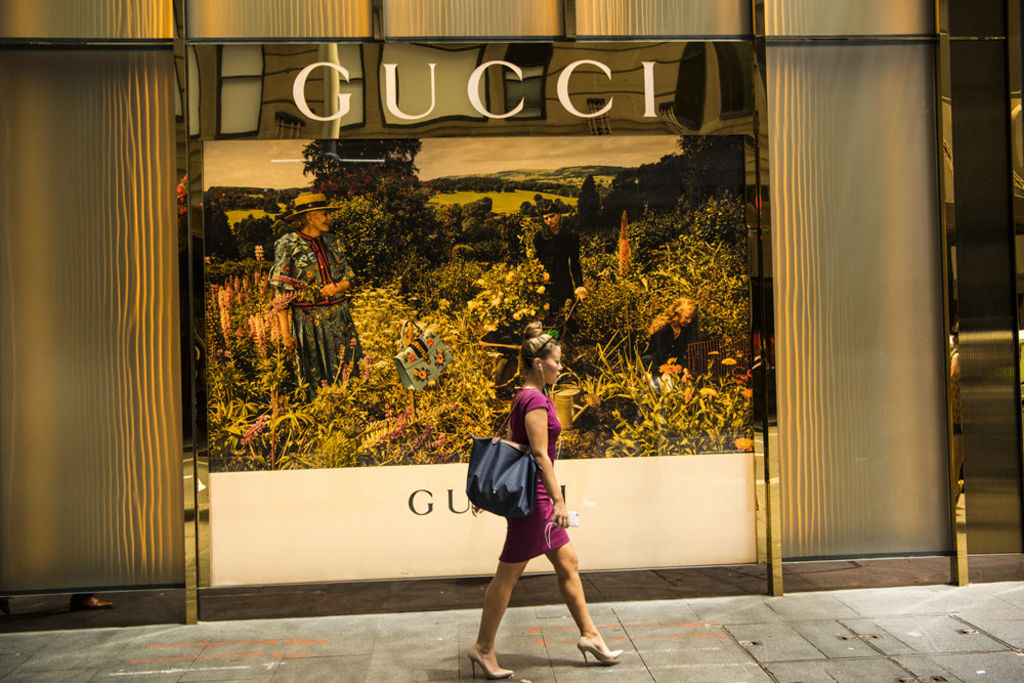
At the moment, Hermes, Chanel and Gucci are still looking for bigger and better flagship stores in the Sydney CBD. “These top brands can generate anything from $40 million to $90 million in turnover sales per flagship store depending on their size, so they’re looking for opportunities to expand to larger flagship stores,” Mr Alamsyah said.