Development drought about to hit Sydney office market
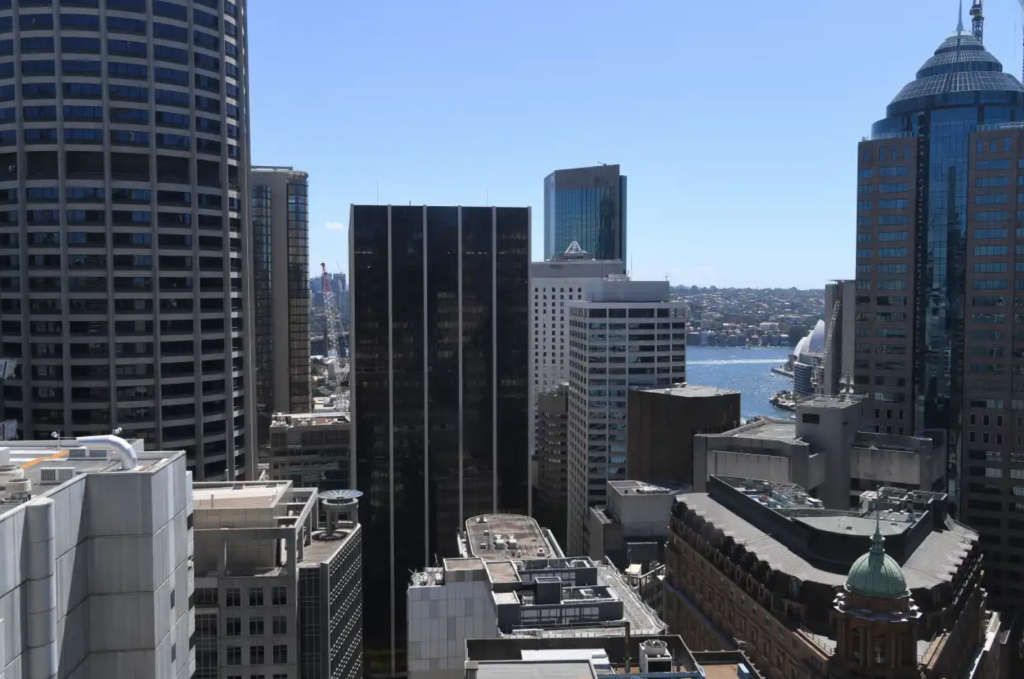
Development in Sydney’s office market is set to come to a grinding halt in just two years.
The pipeline of new building supply will run dry from 2027 because of high construction and labour costs, researchers say.
“We are in a historically unusual situation where we will have a number of years of no supply,” said Ben Burston, Knight Frank’s chief economist research and consulting.
“We’re then in for a lengthy period of time – possibly 2030 – before we have something of scale delivered next.
“I think it would be [in] the mid-’90s, during the recession, that we [last] saw such a drop-off in supply.”
In Knight Frank’s latest report on economic rents, which measures the viability of construction by estimated rent and construction costs, researchers point to a huge gap between forecast rent and economic rent.
For a new office building to be feasible in Q3 2028, rents will need to be $2130 a square metre. However, going off current market rents, they are only forecast to be $1690 per square metre.
“Economic rent is the way that developers tend to look at these things, and they’re looking at what rent they need to achieve for a new product to make that viable to both cover costs and achieve an acceptable rate of return,” Burston explained.
“We say that that won’t be before 2028.”
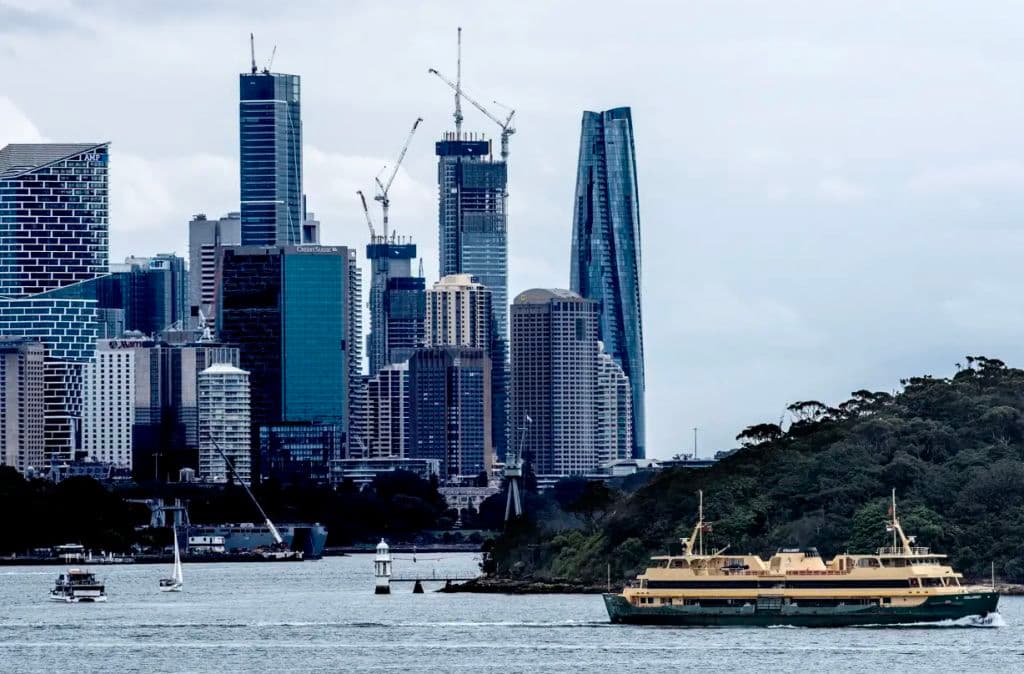
Knight Frank data points to similar supply droughts in Perth and, soon, Melbourne. Construction costs, which have risen dramatically since 2021, in combination with long-term rising interest rates, have proved to be costly barriers to new development.
It’s a similar story across the residential, retail and industrial sectors, said Burston.
“The themes are similar across the board, and the reasons for this issue and this forthcoming slowdown in development … are common right across the country,” he said.
“They’re just playing out to greater and lesser degrees in different markets, and the supply dynamics differ slightly in different markets.
“The industrial sector, we think, is also going to be impacted and indeed is starting to be impacted, but not as acutely as we see in offices.”
The drought in new office buildings will accelerate demand to lease and buy existing assets in what is described by some analysts as a “there is no alternative” (TINA) market.
The phrase is often used in financial markets, but is now apt across a lot of property markets, said Sameer Chopra, CBRE head of Pacific research.
“Supply is coming under a lot of downward pressure, and that’s been the case for residential markets for a while, but it’s now spreading into commercial, where in most cities, in the next four to five years, there will not be a new office building delivered,” Chopra said.
“It’s very hard to justify building a new shopping centre, and in apartments and logistics, supply’s down 20 to 25 per cent in the next five years compared to what it’s been. And it’s the same in hotels.
“In all of these markets, the only thing getting built is super high-end. Our thesis is that vacancy will tighten, and for tenants and for investors as well, in many cases, there may not be an option available.”
Construction workers will likely be diverted to large infrastructure projects associated with the Brisbane Olympics and the AUKUS defence project in South Australia and Western Australia.