Industrial investors move back into growth mode as yields tighten again
After two years of caution through the rate-rising cycle, Australia’s industrial and logistics market is moving into a new phase defined by renewed capital confidence, tightening yields and a return of major transaction activity.
Colliers’ latest Industrial & Logistics Investment Review shows national direct investment volumes climbed to $8.3 billion in 2025, which is the strongest result since the tightening cycle began, and the second consecutive year of growth.
The rebound comes as borrowing conditions stabilise following three interest rate cuts, helping shift sentiment back toward total returns rather than defensive positioning.
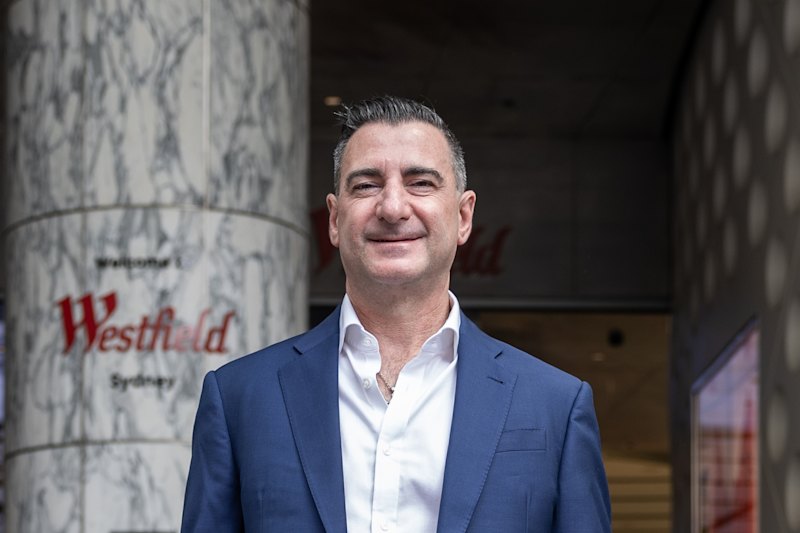
Colliers managing director Gavin Bishop says the sector has now entered a yield-compression phase, with prime industrial yields tightening by 14 basis points, which is an early sign that pricing confidence is returning and competition for premium assets is increasing.
Colliers recorded 264 transactions nationally last year, with an average deal size of $31.5 million, demonstrating that liquidity has returned across the market.
Portfolio scale returns
One of the clearest markers of the cycle turning a corner is the re-emergence of large-scale portfolio deals.
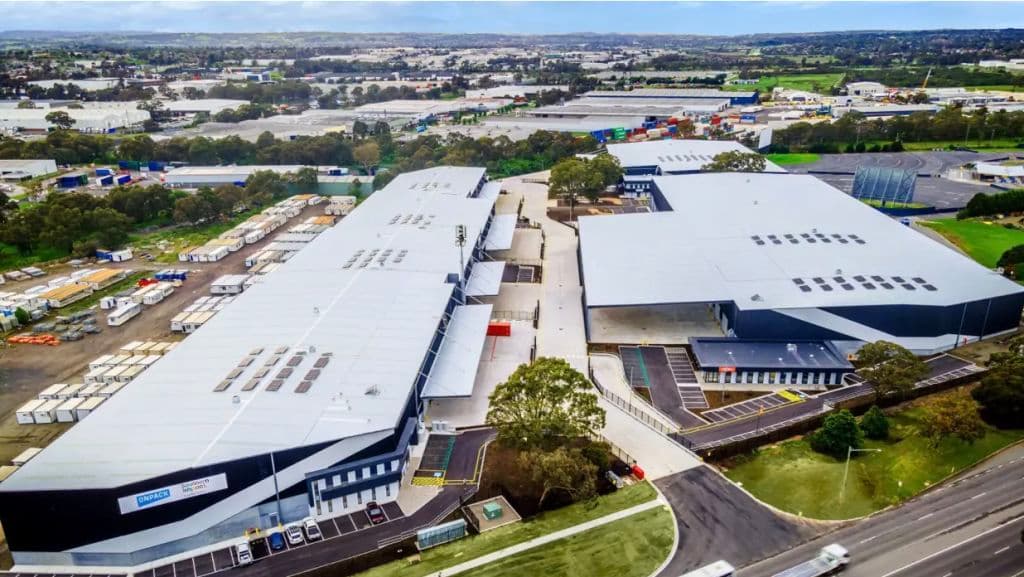
Several $100 million-plus transactions were recorded by Colliers across the eastern seaboard, including Stockland’s $273 million portfolio sale spanning NSW, Victoria and Queensland, and Goodman’s $201 million Sydney portfolio transaction.
At the top end, the $216 million acquisition of the Port Adelaide Distribution Centre by Centuria highlights the weight of capital chasing long-income industrial assets with scale.
Rather than speculative plays, investors are prioritising assets with reliable tenants and predictable returns. Colliers found that core and core-plus strategies accounted for 65 per cent of market activity.
“Core and Core-plus strategies dominated activity … reflecting a clear pivot towards longer WALE [weighted average lease expiry] assets, income security, core property fundamentals, affordability, development potential and proximity to infrastructure corridors,” Bishop says.
Investor geography shifts outward, with Queensland as the frontrunner
Outer-ring industrial markets have overtaken infill locations for the first time, representing 54 per cent of transaction volume, as buyers pursue affordability, transport-connected growth corridors and future development potential.
Industrial growth has long been strongest in tightly held inner precincts, but future momentum may shift toward expanding logistics areas shaped by new transport links and growing communities.
Queensland is already leading that transition, recording its strongest year on record in 2025 and overtaking Victoria to become the second-largest industrial investment market nationally. Domestic buyers remained the dominant force, accounting for 87 per cent of national investment volumes, though Colliers notes offshore capital is beginning to re-enter through local managers.
Looking ahead
Record levels of new supply are forecast to come online before the development pipeline normalises quickly from 2027 onwards. Vacancies are expected to remain near cyclical peaks in the short term as completions are absorbed, before tightening significantly over the next 12-18 months.
By 2028, Colliers forecasts vacancies will fall below 3 per cent, with Perth and Adelaide tipped to lead the next phase of yield compression.
As senior researcher Jordan Pangallo notes, with yields already tightening and capital flows strengthening, 2026 is shaping up as a year of momentum and renewed growth.
“Australia’s pipeline looks large at first glance, but oversupply risk is far lower than it appears — developers can switch development strategies quickly, limiting volatility.”