Sydney dining out spend shifts west as food catering soars
More Sydneysiders are spending on dining out rather than eating at home, providing food and hospitality retailers with opportunities to capitalise on new areas of affluence.
Data released by the Property Council of Australia and CommBank iQ shows the traditional divide between suburbs where consumers stock the pantry by spending at the supermarket and those who spend on food catering, including eating out and delivery services, is moving west.
The Spend Signals report found the highest growth in food catering was in Fairfield, up 13.2 per cent, followed by Auburn and Canterbury, both at 13.1 per cent, and Parramatta and Merrylands-Guildford, both at 12 per cent.
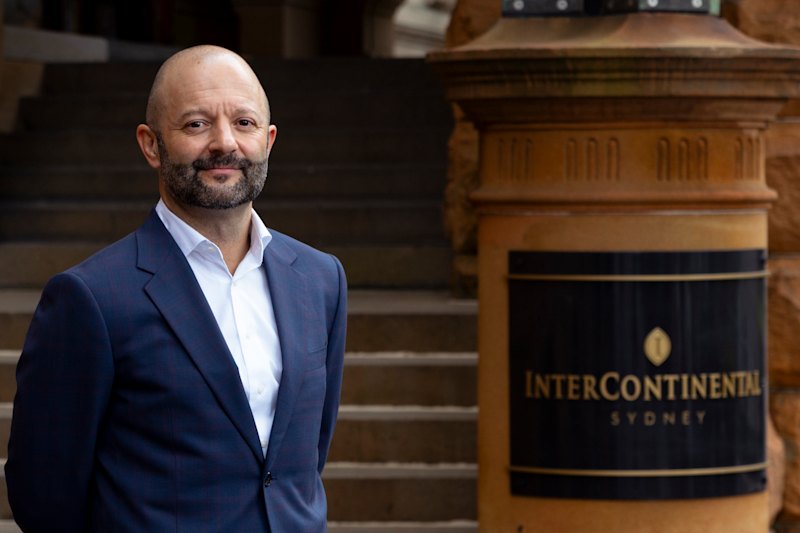
Traditionally, higher dining-out spend has been concentrated in the affluent inner-city and eastern suburbs, but Retail Property Australia executive director William Power says communities in the growth corridors across western Sydney now spend more.
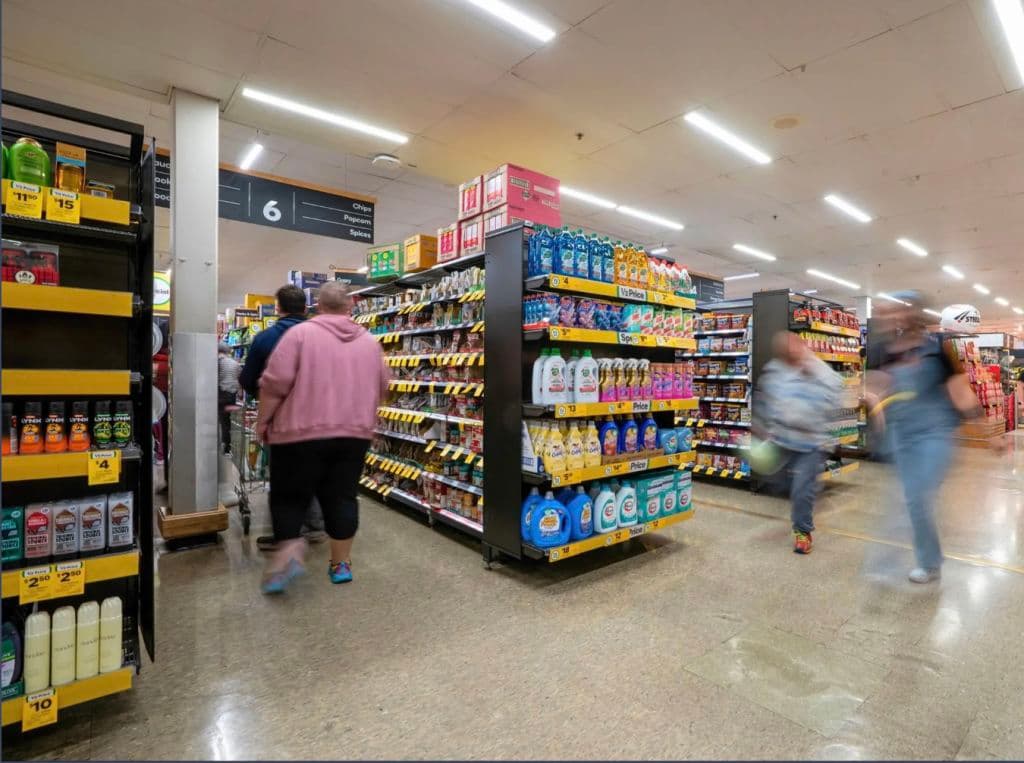
“It shows that … in the far-west, south-west areas of Sydney, the number one category growth is supermarkets,” he says.
“People are choosing to spend … at the supermarket and then as you move into the inner parts of Sydney and particularly the east and the north, that category lead shifts and it goes into food catering.
“Consumer preferences are changing, so where once their first thought with their retail spend was to go to the supermarket, that growth is shifting to a food catering focus.”
The report analyses transaction data on average monthly retail spend between May and July this year compared with May to July 2025. It not only reveals that the boundaries between those who eat out and those who dine in are shifting, but that growth in spending is skewing to a younger demographic.
Those aged 30 to 49 remain Sydney’s biggest spenders, but consumers under 30 are the fastest-growing spending cohort in 89 per cent of Sydney markets analysed. This is led by young spenders in Canterbury, Leichhardt, Carlingford and Auburn.

National retail spend growth is 5.3 per cent, while Sydney’s is 5.5 per cent and Melbourne’s is 5.6 per cent.
The Spend Signals report is supported by other research, including Roy Morgan data showing 19.2 million Australians aged 14 and older ate takeaway food from fast food outlets in an average six months, up 6.7 per cent since 2021/22.
Booking platform OpenTable also found a 10 per cent increase in dining at Australian restaurants in the last 12 months, with 86 per cent of the 1024 diners surveyed saying dining out locally directly boosts their personal and social wellbeing.
However, Power says the Reserve Bank’s fourth interest rate hike this year, announced in late September, is likely to change spending habits for many.
“No doubt the tightening of monetary policy will mean that the third of the population who have a mortgage will think harder about their household budget and we would think over time those category spends that we’re seeing at the moment will change,” he says.
The inaugural Spend Signals report aims to inform retail investors on how best to position themselves in the market, Power says.
“Essentially what we’re trying to do is provide a new angle on how retail property assets are placed within certain geographic locations, how the consumer is changing and how the preferences of the consumer are changing and what that means for tenancies and how retail property precincts and shopping centres are designed,” he says.