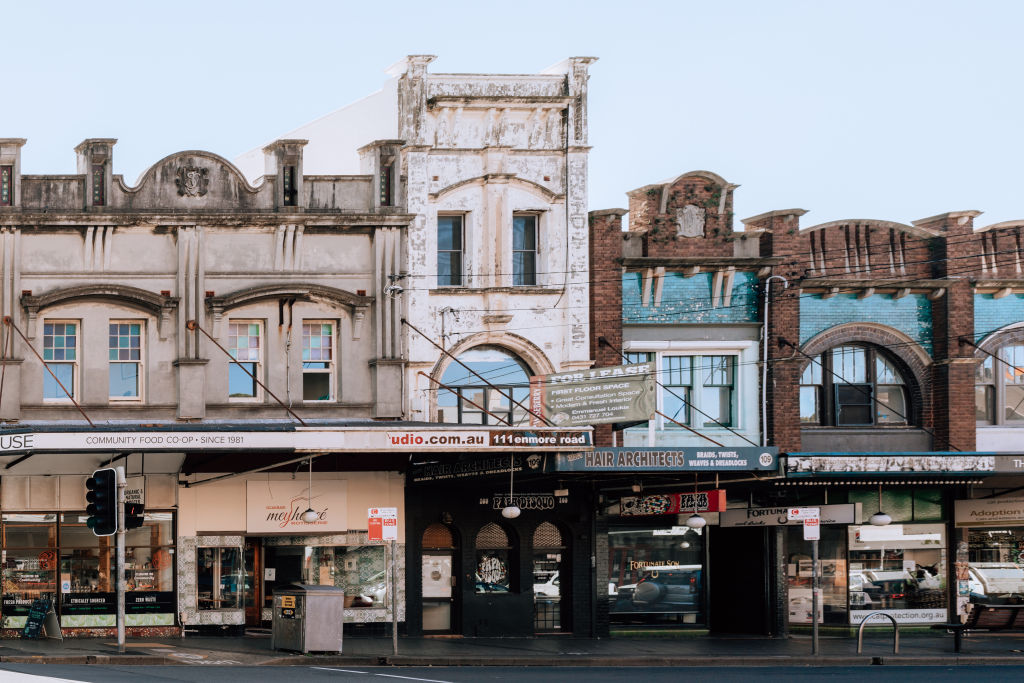
Thinking of making your commercial investment residential? Here's what to consider
If you have an old commercial investment that’s not paying its way or looking as if all its capital growth is behind it, should you consider transitioning it into residential?
That possibility will depend on the building itself, its area zoning, any limitations on floor-space ratio and height that could affect costings, the mindset of the council, and local market demand.
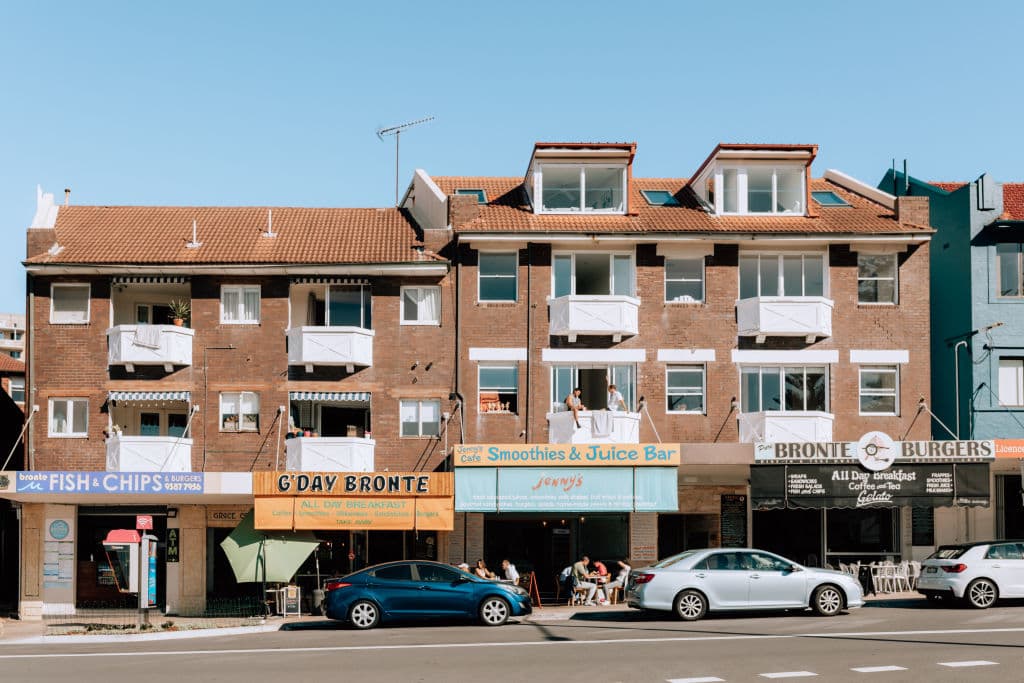
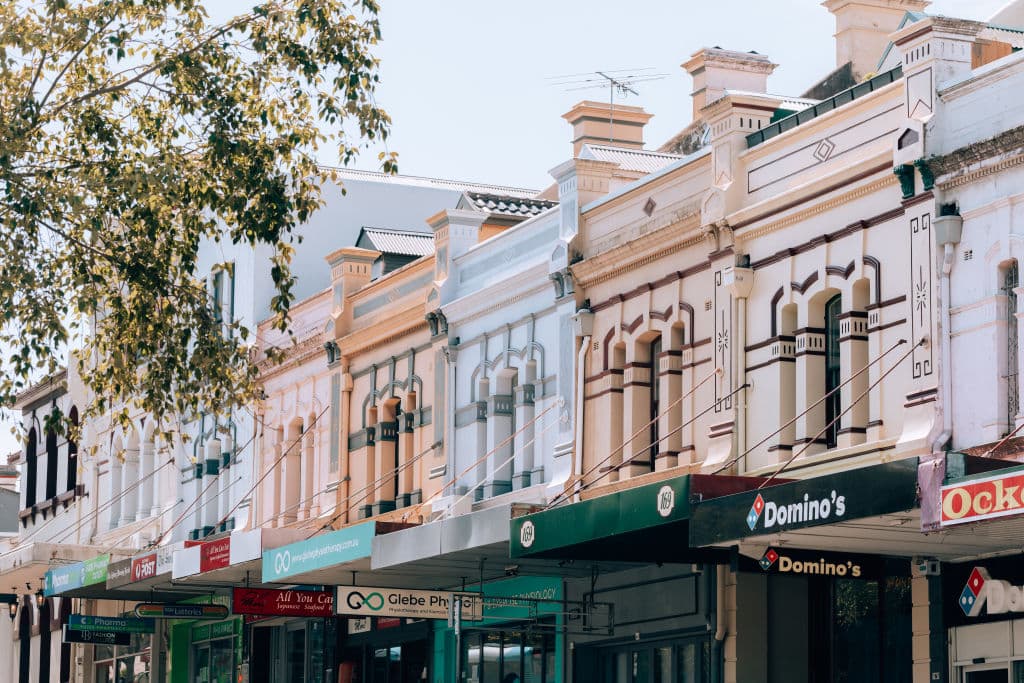
“You’d never consider changing things like pubs as that sector is doing so well now,” says Ray White Group chief of research Vanessa Rader. “Retail is also coming back, even in high street locations, and a lot of zoning there could be prohibitive to allowing residents.
“But if you have a small run-down office building in a secondary location, [it’s] not going to be able to compete going forward.
“If it has good ceiling heights and access to natural light, an amenable council and a market for residential, there is the potential to convert it, but it can be a very costly exercise, and not for everyone.”
Yet sometimes, all the stars align.
Linda Rudd, the chief executive of asset and funds management platform Realside Property, has a new adaptive reuse project in Sydney’s Greenwich.
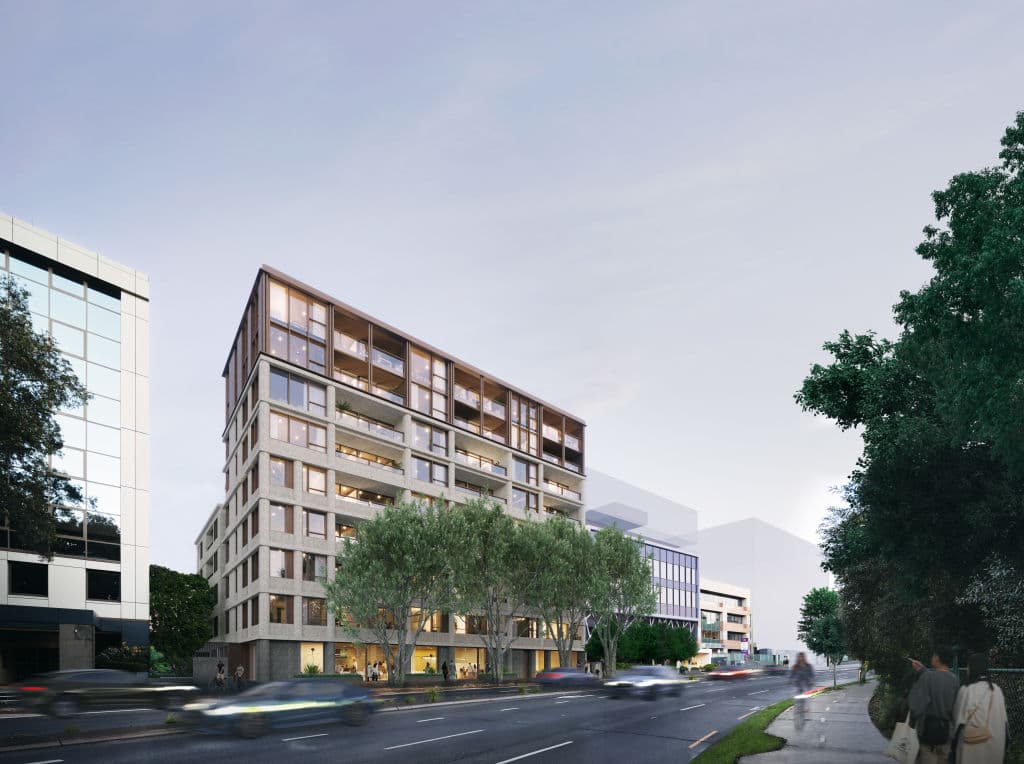
She’s planning to turn an old four-level office building at 170 Pacific Highway, which is struggling to find tenants, into a slick eight-level building with 48 oversized downsizer apartments.
“It depends on the market and the specific asset you’re looking at,” Rudd says. “With this, office tenants want to relocate to CBDs to offer more amenity or more premium buildings to employees, while there’s a lot of demand for more housing in this area, particularly from the over-55s.”
Her market research found that 30 per cent of the Greenwich and lower north shore catchment population is over 55, most want to downsize within 10 kilometres of their current home and there is a “critical” shortage of high-quality boutique housing.
“We could have chosen to demolish the building and start again, but we didn’t want to create landfill and more carbon in the process,” Rudd says. “So with clever design and WMK Architecture, we’ve retained the existing slab and structure, added four floors, and reconfigured it into residential.
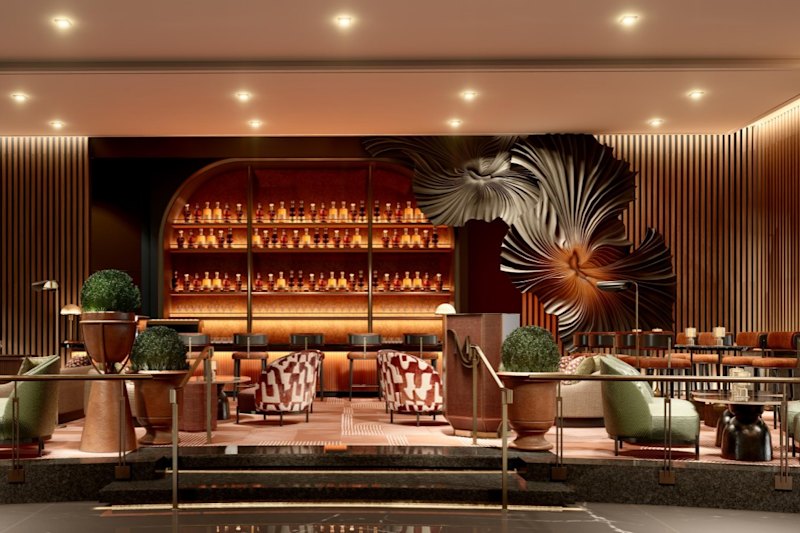
“And the money we’ve saved by that much more sustainable process, we’re re-investing in giving the building great amenities like a heated mineral pool, a steam room and sauna, a gym and a library, among others.”
There can also be opportunities with underused industrial buildings, believes Steve Palise of commercial buyers’ agency Palise Property.
Although vacancy rates are tight at the moment – sub-three to four per cent – the price per square metre is usually considerably less than that of residential.
“So, looking at the figures, it would return more on price than if it stayed industrial,” Palise says. “I stayed in Adelaide recently, for example, in a warehouse that had been converted into a cool art deco apartment building.
“As we know, Australia has a huge supply and demand issue, and building apartments new can take five to 10 years, and the cost of construction can be high so it only makes sense to turn them into high-end apartments. Converting industrial comes at a much more affordable price point.”