From luxury to lifestyle: how bathhouses are reshaping Australia’s cities
Bathhouses have evolved from an occasional indulgence to part of a regular ritual, becoming increasingly sought-after offerings in mixed-use buildings and urban precincts.
The rise of communal bathing in accessible, inner-city locations represents a democratisation of luxury as an antidote to frenetic modern life.
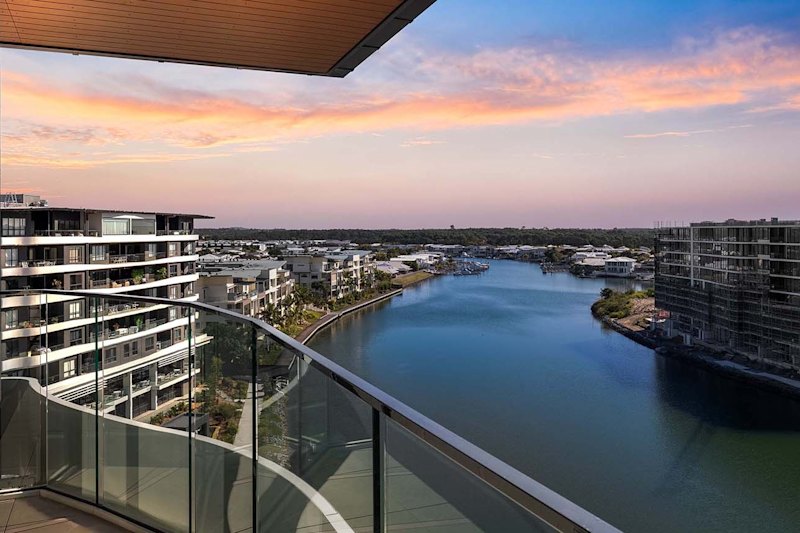
In August, Soak, which has six national locations, will unveil its second Melbourne bathhouse in South Melbourne’s Emerald Place, a residential and commercial development by Lowe Living.
“We were particularly drawn to the precinct’s thoughtful design; a place where people can live, work, socialise and prioritise wellness all in one environment,” Soak chief executive Rich Hutson says.
Bathhouses as the new ‘third space’
Modern bathhouses act as a “third space”, between work and home, where people can decompress, Hutson says, adding, “Wellness is moving from being an occasional treat to an integrated part of everyday life for many Australians.”
Researchers from the non-profit Global Wellness Institute agree, saying wellness activities are no longer seen as purely discretionary and are now a “lifestyle expectation”.
In Australia, wellness real estate accounts for the largest portion of the industry’s economy, with a market size of $35.5 billion, including construction expenditure on office, mixed-use and leisure developments that incorporate wellness through amenities and services.
Why developers are betting on wellness amenities
Developers are increasingly sharing this philosophy. An apartment building is a first for Soak, but it shares similarities with its Alexandria bathhouse in Bourke and Bowden, a commercial and retail precinct in Sydney by developer Time & Place.
“This is the first time we’ve partnered so closely with a lifestyle-led residential development, which is an exciting evolution for the brand,” Hutson says.
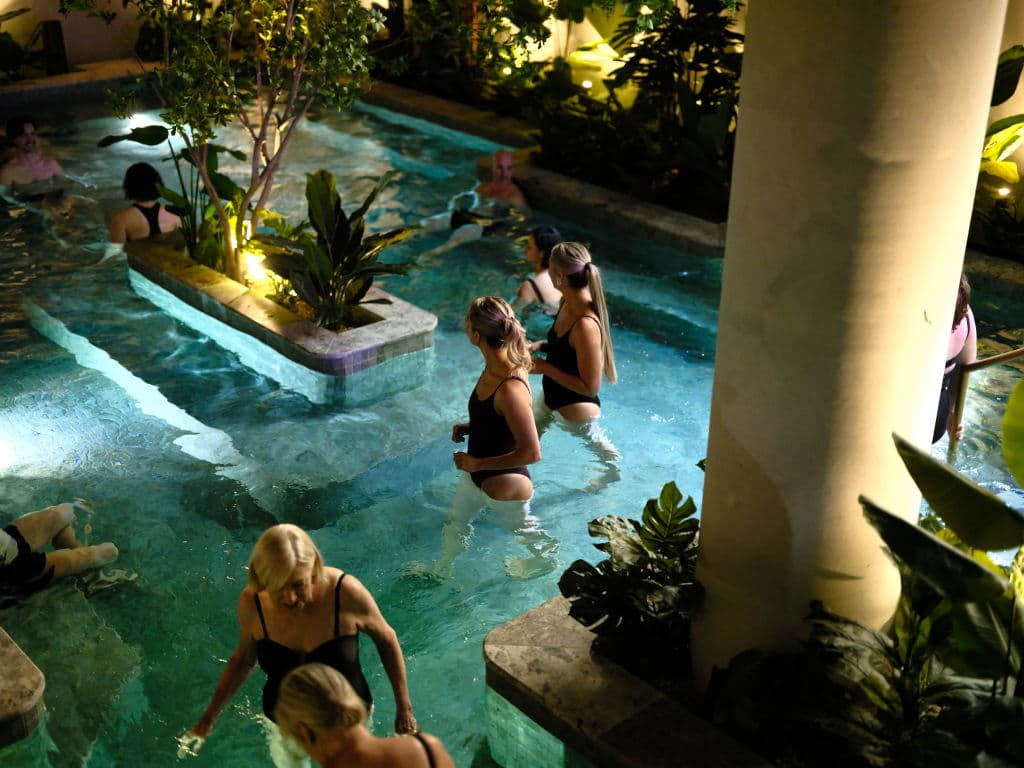
Co-working group The Commons recently opened its second upscale Melbourne health club in South Yarra, following one in Richmond. It offers bathing, a gym, classes, a cafe, and add-ons including personal training and a laundry service. The model combines business, socialisation and relaxation under one roof – a blend that is more in demand than ever.
Design, location and the rise of inner-city bathing
Sense of Self (SOS) was one of Australia’s first contemporary bathhouses when it opened in Collingwood in 2020. Founder and director Freya Berwick says she was influenced by Scandinavian bathing culture after three years living there.
“It wasn’t as though we were looking at trend reports and thinking, ‘This is the next big business model,’” she says.
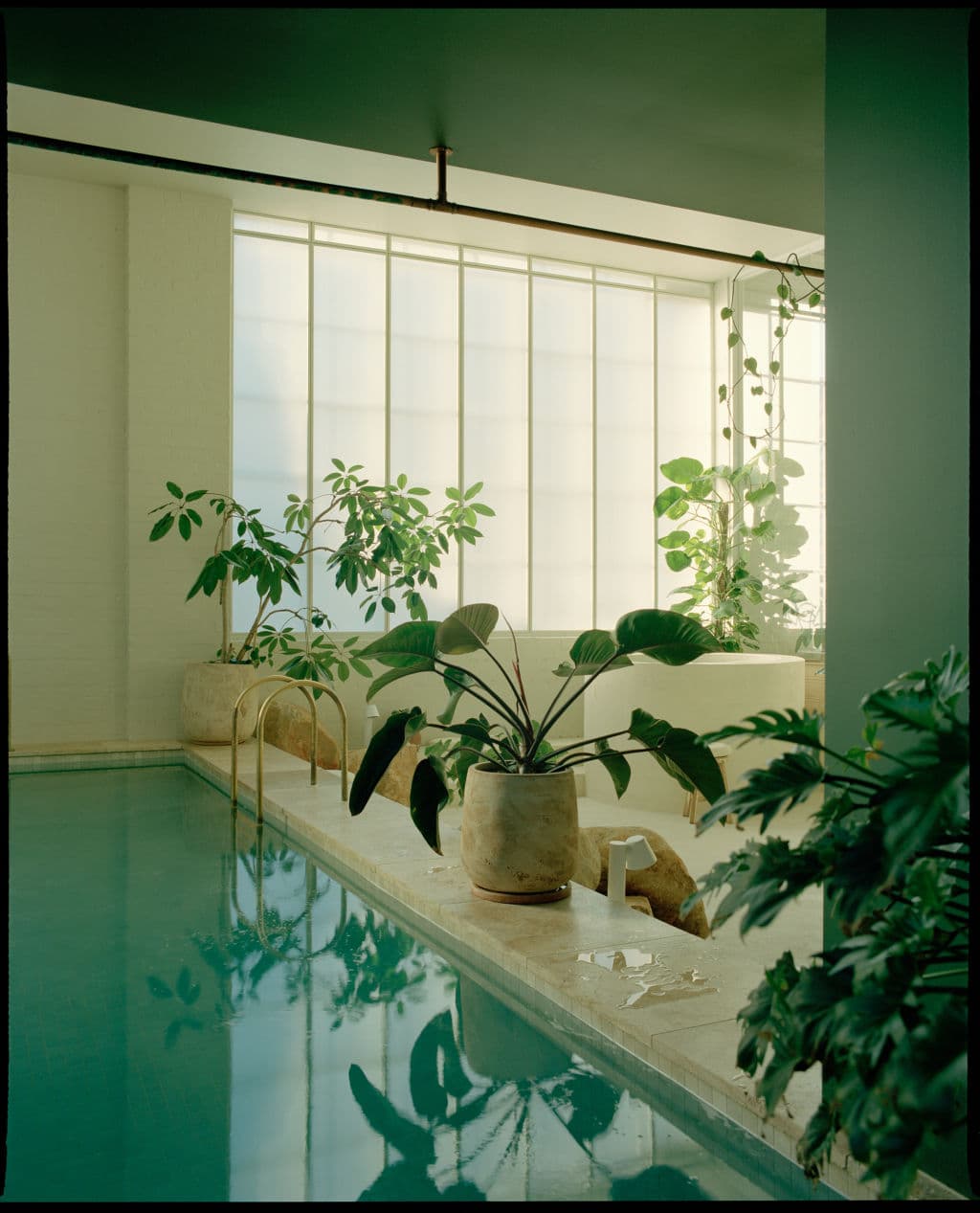
Berwick’s intuition was correct. SOS is expanding to Sydney’s Surry Hills and, come September’s unveiling, will incorporate 1200 square metres of indoor bathing and the largest sauna in the southern hemisphere.
“The core business decisions are around our investment in design, location and building,” she says. “What really matters to us is that our spaces are inspiring.
“This wellness boom is alongside a boom in disconnection and stress, isolation and loneliness, and that, sadly, isn’t going away.”
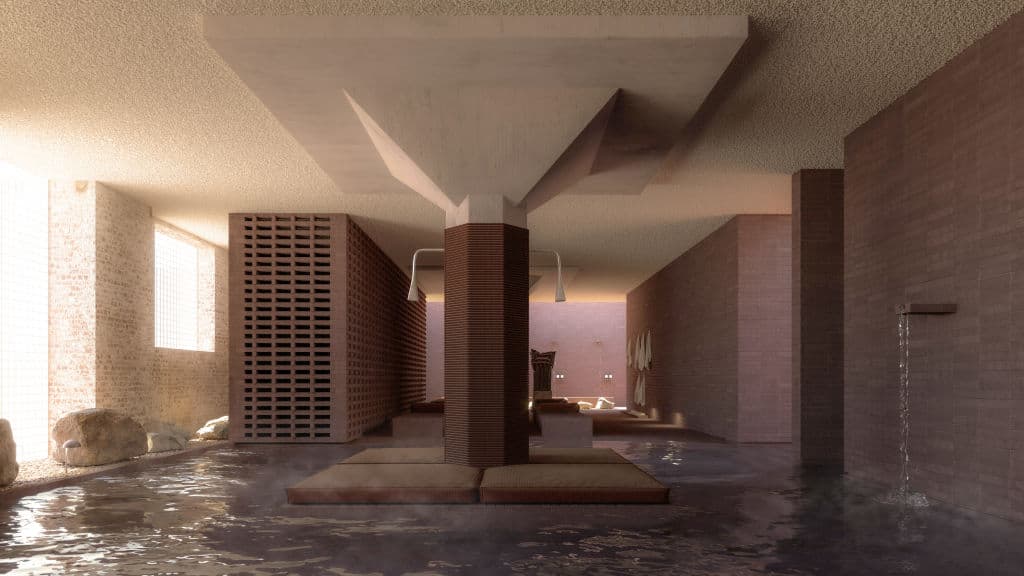
Commercial landlords in urban hubs will find growing interest from owners of wellness venues. An inner-city location is important for proximity to other popular activities, such as shopping and eating out, says Berwick, who dedicated two-and-a-half years to finding the ideal Sydney premises.
Similarly, when Heal Bath House founder and director Sultan Gunay was scouting for a location, she chose cafe-lined Lygon Street in Brunswick East for her version of a “little Bali”. Gunay, a former intensive care nurse, noticed a gap in the local market and sought an address with high visibility and easy access.
“I had been doing meditation and yoga and experiencing bathhouses, but I needed to travel to the other side of Melbourne,” she says.
“We need something here, so that we can carry that healing home, without interruption. Lygon Street also has its own culture; there is an amazing neighbourhood and people here.”
Beyond the city: wellness as regional infrastructure
Far beyond cities, wellness infrastructure is reshaping regional areas.
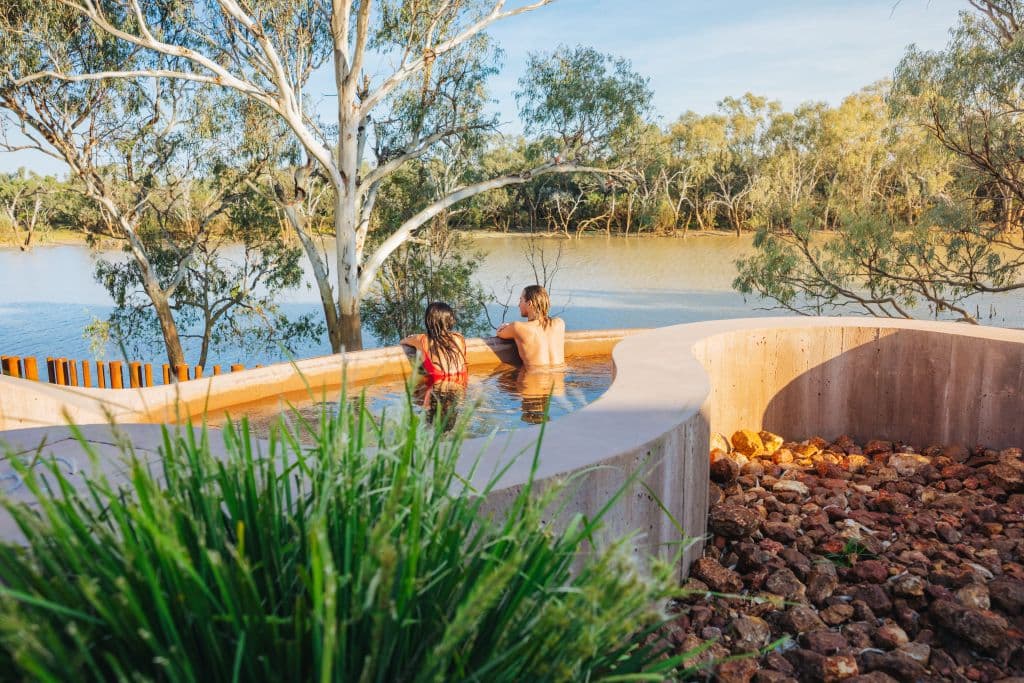
The Paroo Shire Council in outback Queensland opened a mineral hot springs complex at the Cunnamulla visitor centre in late 2024 and has since welcomed 15,000 guests.
“We think that’s a great result for our small town,” Paroo mayor Suzette Beresford says.
What started as a proposal for a single spa grew into a larger venture backed primarily by state government funding.
“It’s certainly bringing people into the region, and the hot springs give them a reason to stay longer and explore more of the attractions, not only within our shire but throughout the south-west region,” Beresford says. “It’s had a positive flow-on effect on businesses.”
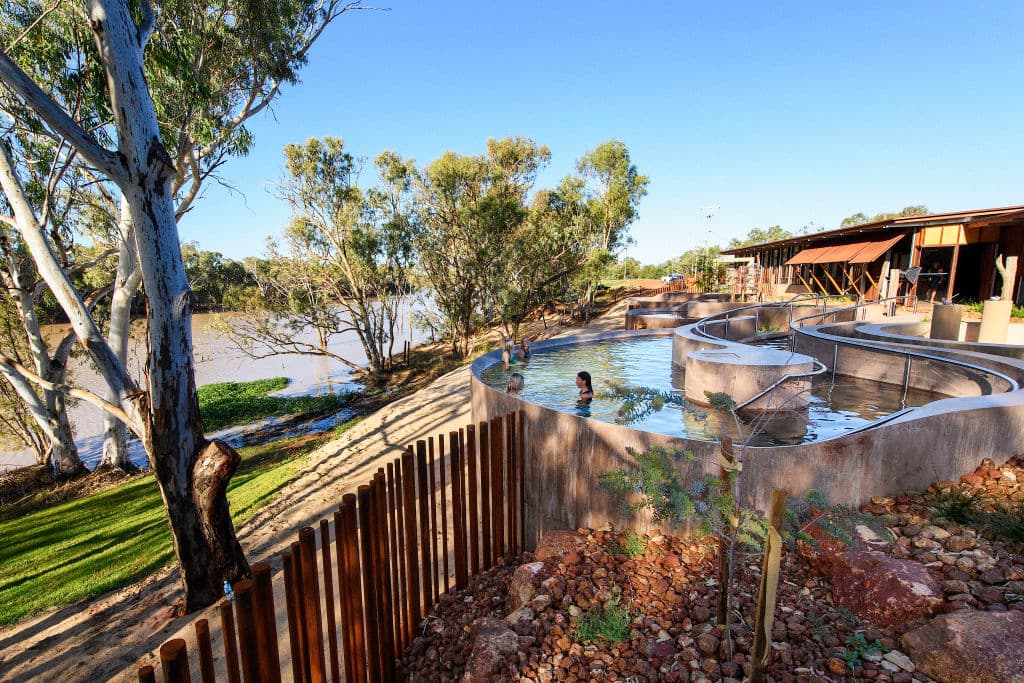
The springs’ success has generated further commercial investment opportunities in the area, which includes the towns of Eulo, Wyandra and Yowah.
“With the increase in visitors, we’re looking to try and expand accommodation – there’s a need for that as well,” Beresford says. “We’re hoping that the private sector will look at that.”
Wellness real estate: an asset class in the making
As the wellness industry expands, so too do the financial and development models underpinning it. Mortgage broker and economist Joseph Daoud, founder of It’s Simple Finance, says the wellness category is recognised by lenders but is not yet a mature, fully-established asset class.
“Banks need comparable sales and specialist valuers before they’ll compete on terms,” he says. “Wellness assets aren’t quite there yet, but there are promising signs.”
While business founders are still mostly stumping up capital, new deal structures are emerging.
“We’re seeing more joint venture arrangements with developers, more equity-heavy stacks, and more wellness venues built as amenities inside larger property plays rather than standalone businesses,” Daoud says.
“Multi-site operators are giving valuers something comparable to work with, and the category is growing to a size too big to ignore.”