How record migration is transforming regional Australia's tourism economy
Regional Australia’s sea and tree-change surge is generating new ways of doing business in towns that were once at the mercy of seasonal tourism.
Summer in beach hamlets and winter in mountain villages no longer completely dictate trade, as city dwellers continue their record-level migration to coastal and country areas far outside the big smoke.
Local business owners are noticing that traditional peaks and troughs in visitation and spending are smoothing out, as the influx of new residents produces more consistent, year-round demand.
They are capitalising on the change by extending trading hours, investing in all-weather outdoor areas, refining their merchandising, scaling up operational capacity and improving e-commerce and online booking systems.
A shift from holiday spots to owner-occupier markets
Since the pandemic, holiday destinations have evolved into owner-occupier markets, and the trend is showing no sign of slowing. The migration of city folk to regional areas is at its highest recorded volume, outnumbering the flow in the opposite direction by 29.7 per cent, according to Commonwealth Bank and the Regional Australia Institute’s March quarter Regional Movers Index.
State governments recognise the need to support increasingly year-round regional economies. NSW’s Alpine Region Development Control Plan, launched last year, covers Kosciuszko National Park, Perisher Ski Resort and Thredbo, and acknowledges that in the warmer months after the snow bunnies have departed, visitors flock for sunny scenic walks and bike riding.
In Victoria’s riverside town of Rochester, proud locals Kate and Trav Lee saw an opportunity and bought the historic Commercial Hotel, which had sat empty for 18 months. The couple renovated it and relaunched it in March as The Local 3561.
Rochester, in the Campaspe Shire, flooded in 2022, and the Lees’ home was among the hundreds inundated. They are passionate about their town and were compelled to be a meaningful part of its revival. They strongly believed the hotel was a sustainable business, and the proof has been in their early success.
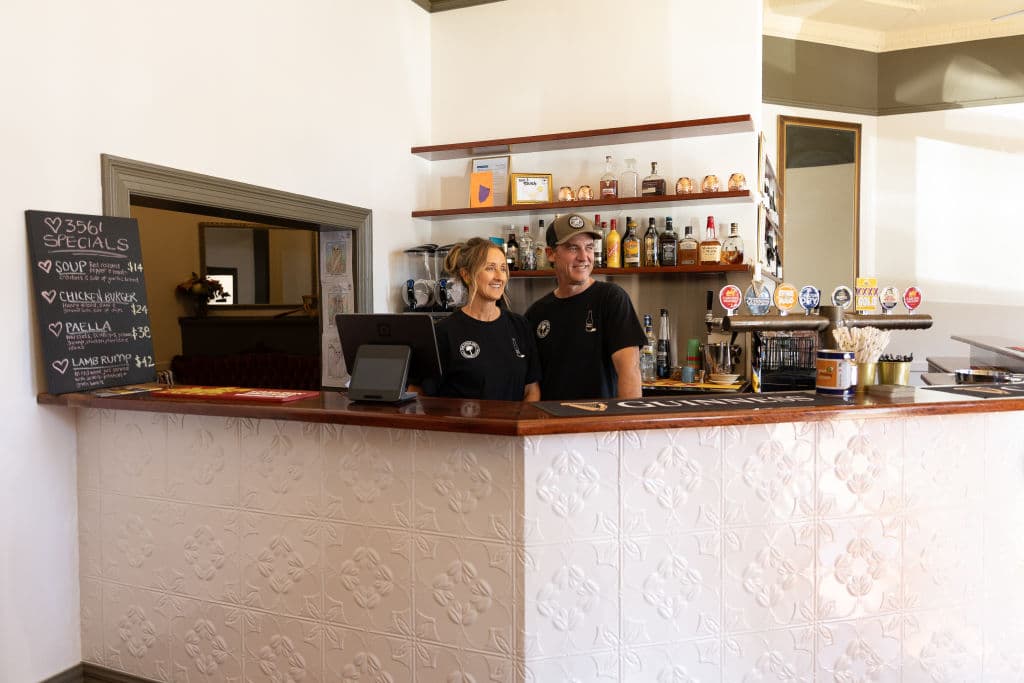
“We’ve got a lot of people moving into town,” Trav says. “We’ve seen new businesses open up, and we felt like the time was right. Everything was growing again, and the feeling around town was one of optimism.
“From the beginning, we were wondering whether the growth we’d seen since opening was just the shiny new toy – the honeymoon period. But I think the growth we’ve seen in our trade has dispelled that.”
Part of Rochester’s comeback has been its barnstorming residential property market, which clocked regional Victoria’s largest median house price growth over the 12 months to March, the Domain House Price Report revealed.
A friendly welcome from behind the bar quickly reveals who is new in town. “If we don’t know a face or don’t know their name, we ask, ‘Are you travelling?’ They answer, ‘Oh no, we live here,’ Kate says.
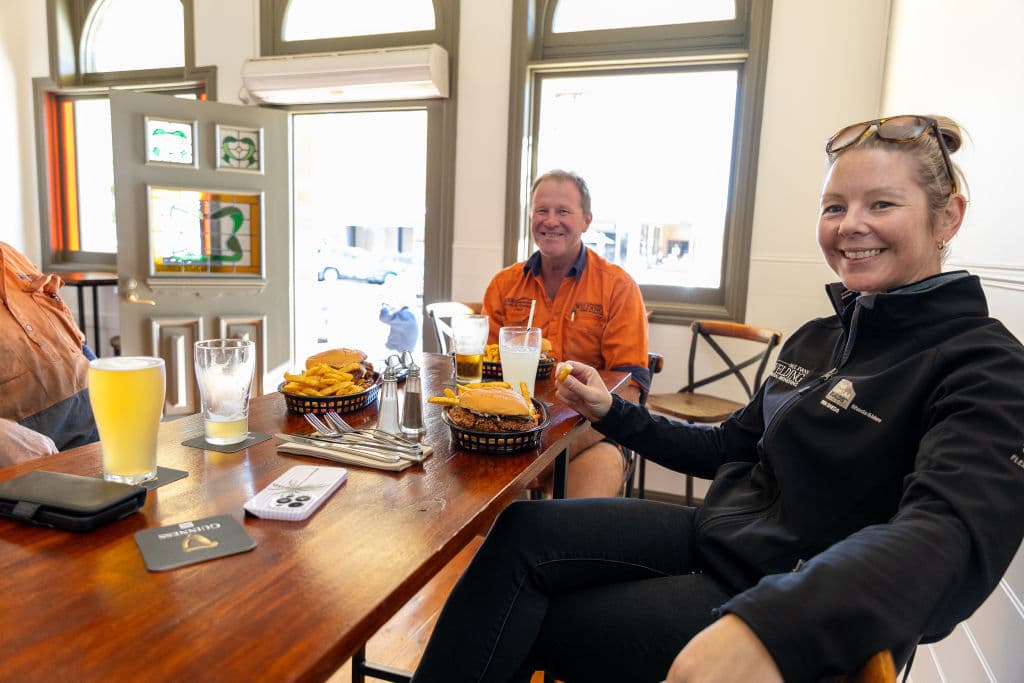
The couple plan to improve the hotel’s outdoor area to maintain customers’ momentum. “We’ve got a really underutilised beer garden out the back, so we’re talking about a semi-permanent marquee that we can put up over winter, and doing things like that to keep that trade rolling through those colder months,” Trav says.
Diversified events and multi-format infrastructure support community growth
Campaspe Shire flood recovery officer Lachlan Cozens says businesses are adapting to the demographic change. “We’ve seen a larger transient population and new community members,” he says. “Obviously, increased population results in high demand for services. We’ve seen longer trading hours and different offerings as an example of meeting that need.”
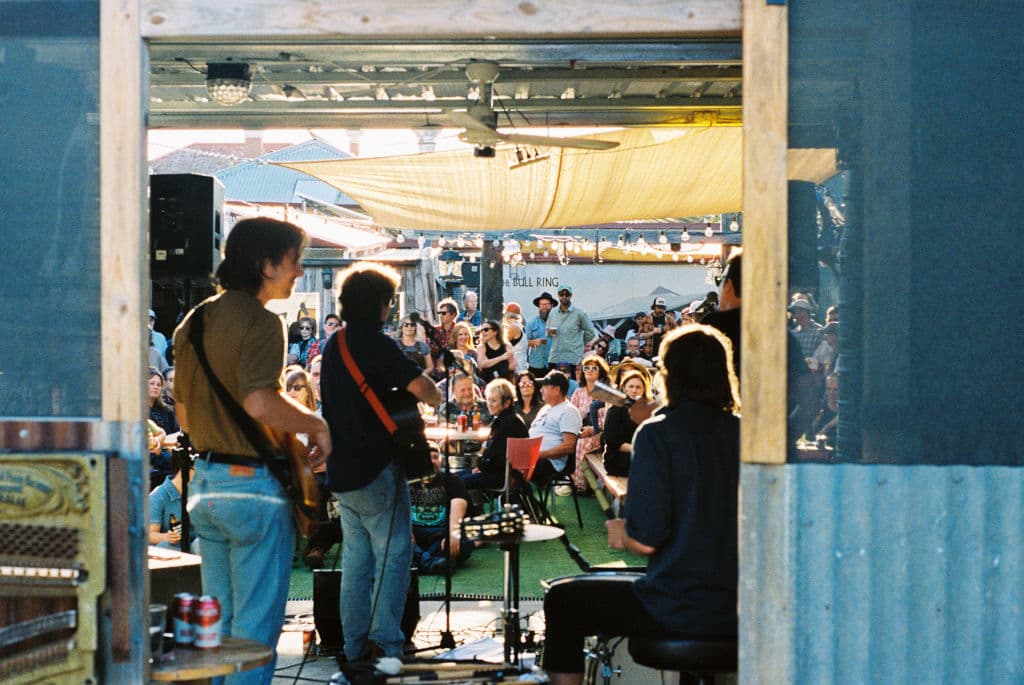
The popularity of the region’s events and attractions, such as the Echuca Moama Winter Blues Festival and Rochester’s iconic silo art, helps to sustain visitation throughout the year and creates opportunities, Cozens says. “We’ve had coffee shops that turn into wine bars at night, and new accommodation has become available to the community.”
The coastal town of Moonta, on South Australia’s Yorke Peninsula, is another place becoming less reliant on seasonal rushes.
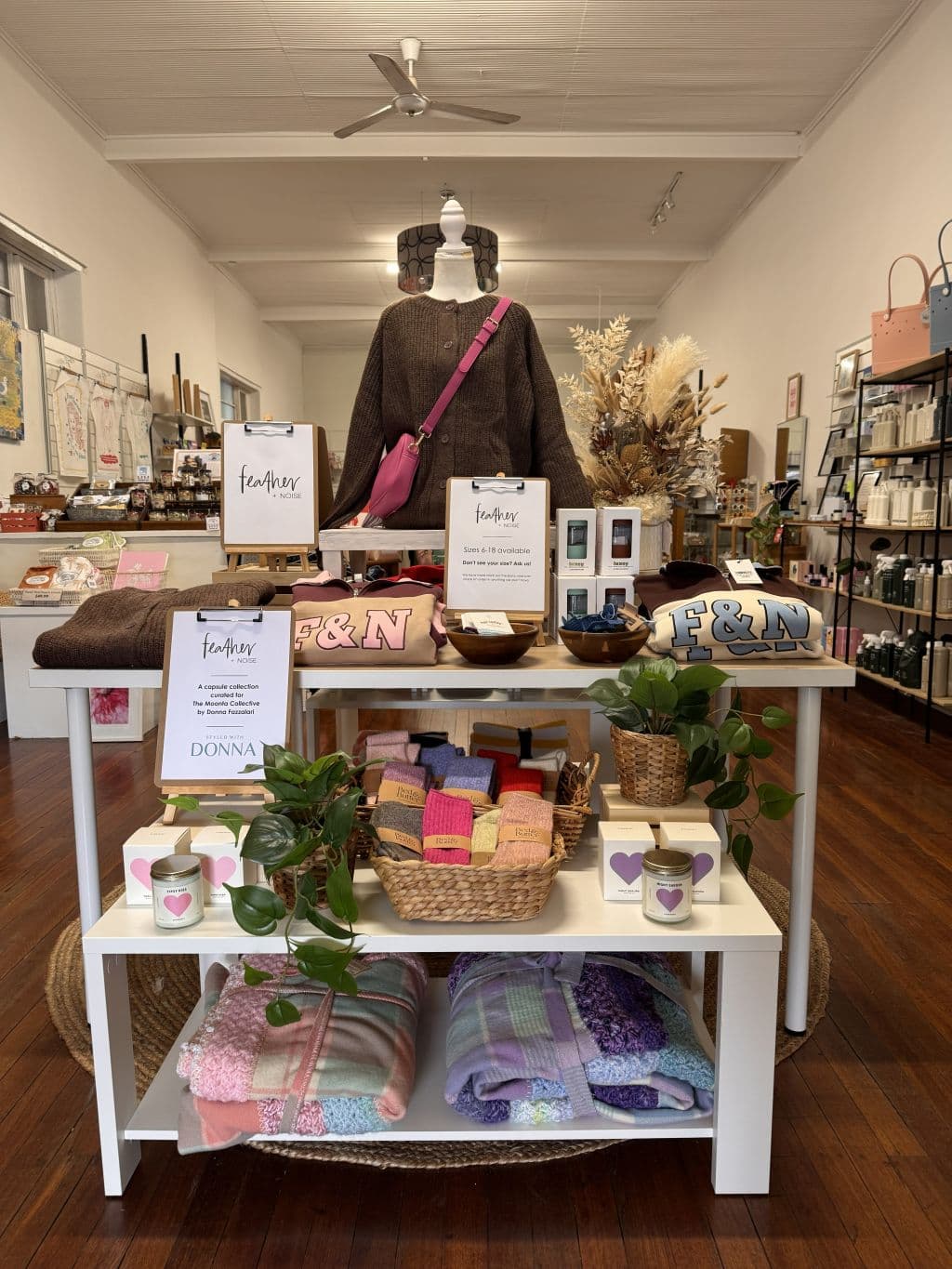
Jacqui Nelligan, owner of lifestyle boutique The Moonta Collective, holidayed in Moonta for almost 30 years before relocating permanently from Adelaide with her family four years ago.
Nelligan has seen Moonta grow from a charming tourist town to a home for young families and retirees, and says both are vital to her bottom line. “The summer holidaymakers really bolster the business, but then it’s the locals year-round who help us be sustainable.”
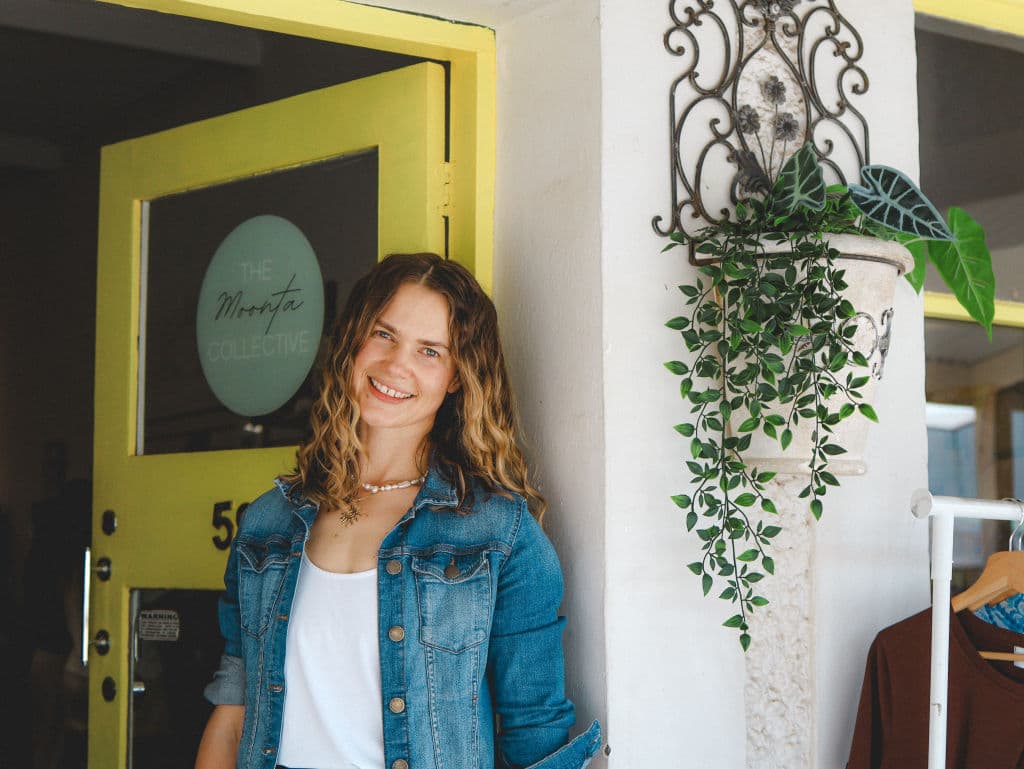
When Nelligan bought the store a year ago, she quickly invested in e-commerce and social media. “In the first three months of buying the business, I set up a website to make sure that if it’s quieter in town, then our revenue can be subsidised by online sales,” she says.
To keep locals returning, Nelligan regularly refreshes its visual merchandising and caters to tourists with a curated selection of unique South Australian brands. “I try to get new products each week, and I also rotate the way that the shop looks frequently,” she says. “We’re giving locals a reason to keep coming back because there’s always something new, but also because we have really cool things in store that the visitors like.”
Service sector scaling mirrors year-round corporate and domestic demand
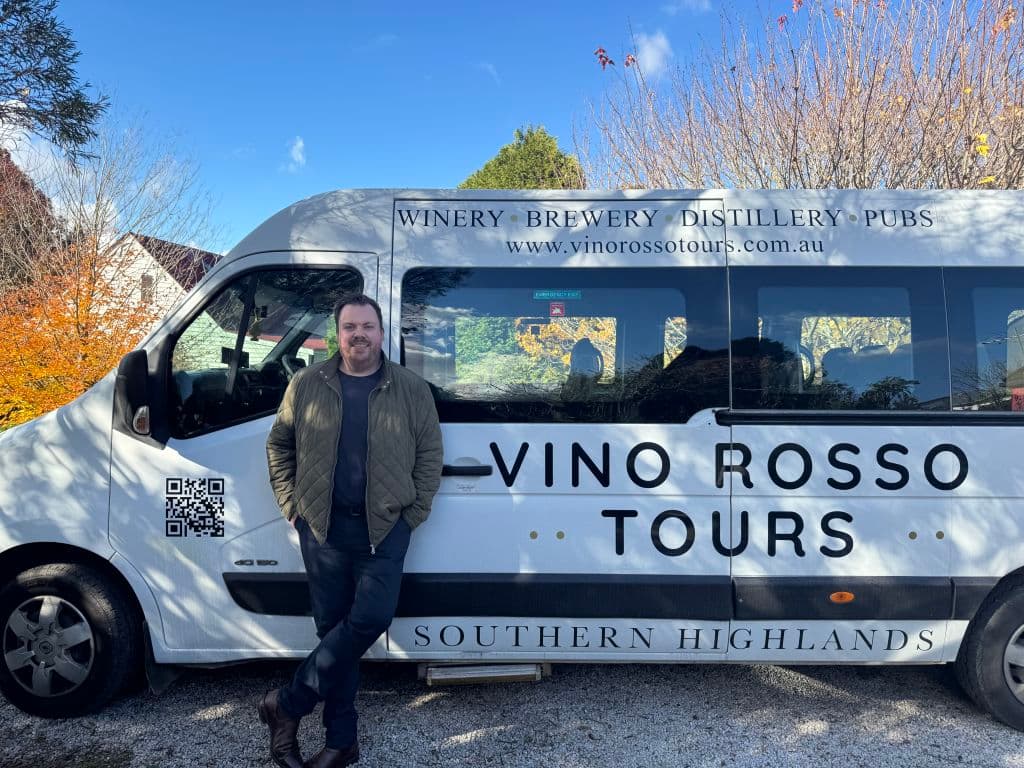
In the NSW Southern Highlands, food and wine tour owner Ross Muller says the usually quiet periods have all but disappeared. As the region’s many cellar doors and distilleries remain busy month in, month out, so too does his business, Vino Rosso Tours.
Muller has invested in another large bus and introduced online bookings to meet surges in demand. A booming market has also emerged for mid-week weddings, golf tours and corporate events, he says.
“As more people have moved into the area it has become a really popular spot for their friends and family to come and visit, and it’s created a pretty consistent base,” he says.
“I was chatting to the general manager at one of the little pubs who had been there exactly 12 months, and he said, ‘I was told when I took over this place we were probably about to enter into the quiet period, but we’ve had month-on-month growth for the past 12 months.’”