Hard to leave, rare to buy: PwC's Southbank office hits the market
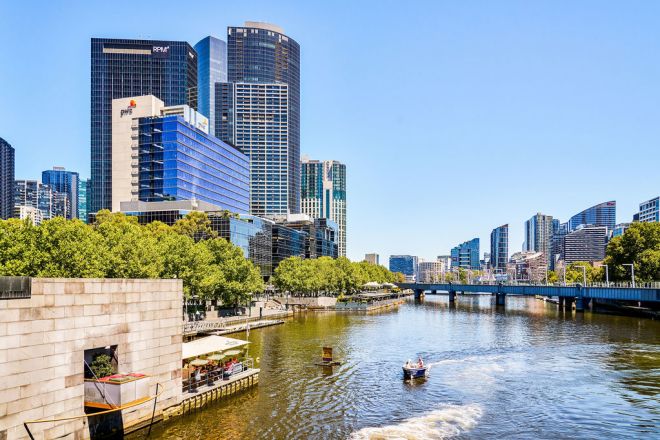
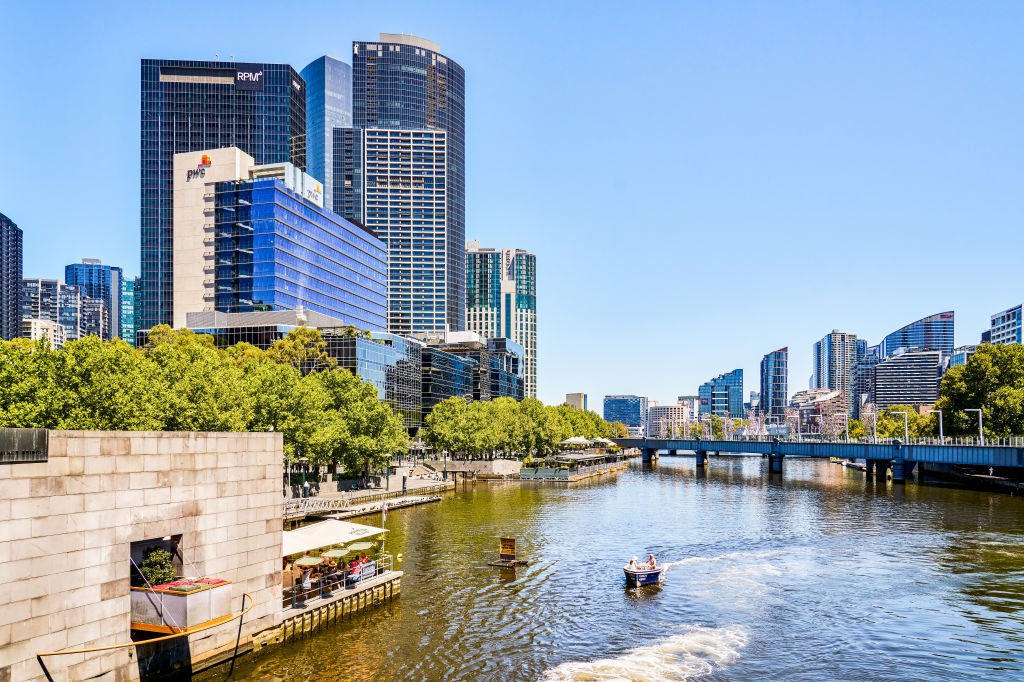
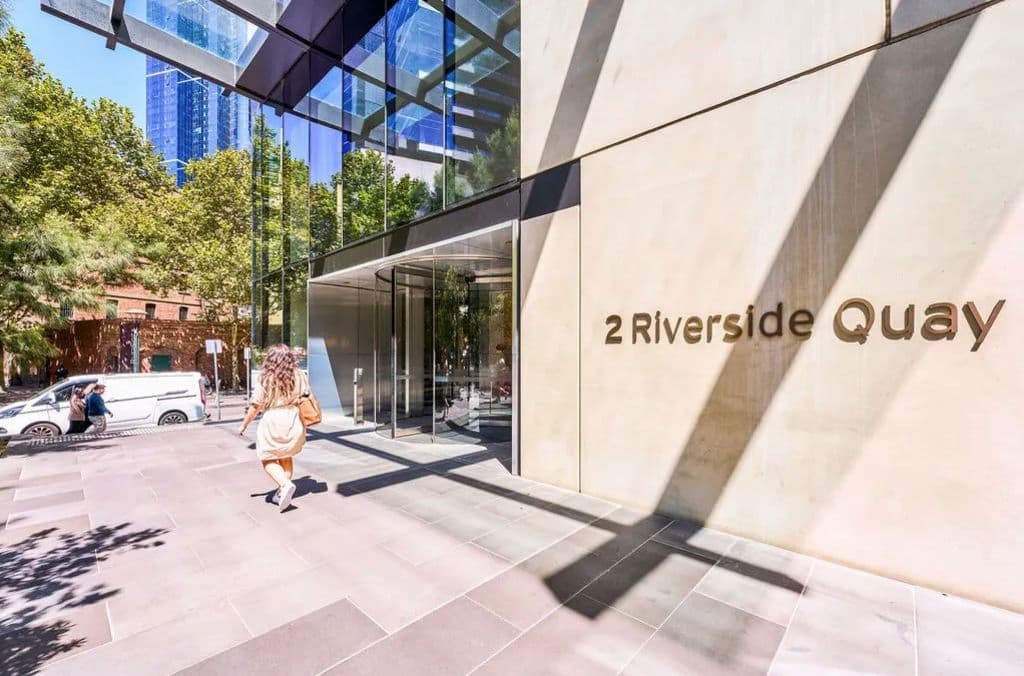
Southbank’s next phase is beginning to take shape, with a half stake in the PwC-anchored building at 2 Riverside Quay coming to market as fresh investment and major cultural upgrades reshape the riverfront precinct.
Completed in 2016, the 21-level tower comprises 12 office levels above an eight-storey carpark, and is being pitched as an opportunity to buy into one of the city’s most “sticky” workplace locations.
The offering comes as investor interest builds across Melbourne’s office market, with offshore groups circling the 15-storey tower at 350 Collins Street, reportedly expected to fetch around $140 million, and another 15-storey building at 459 Little Collins Street, which is understood to be under offer, underscoring demand for well-located, modern assets.
Global institutional investor IFM Investors, which absorbed ISPT, is selling a 50 per cent stake in the A-grade building via an international expressions of interest campaign through Savills’ Kiran Pillai, Scott McGlone and Ben Schubert, who are marketing the property alongside Knight Frank’s Tom Ryan and Trent Preece, who would not disclose a price guide.
Designed by Fender Katsalidis (FK), the tower is the newest office building in Southbank. It sits about 400 metres from Flinders Street Station, within walking distance of Federation Square and Crown Melbourne, with direct access to the CBD across the Yarra River.
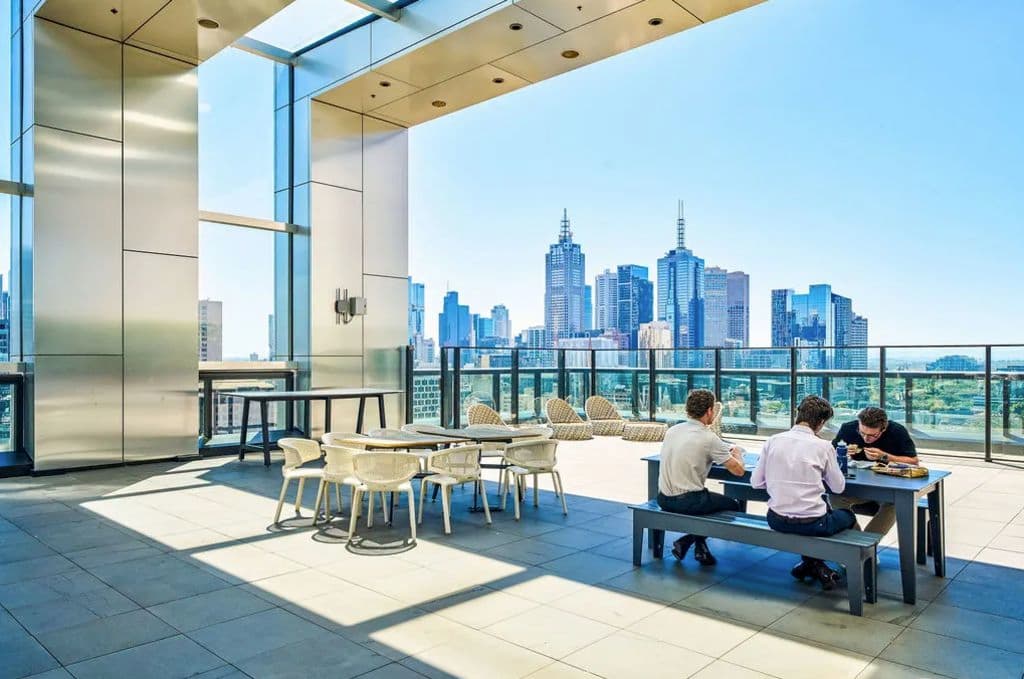
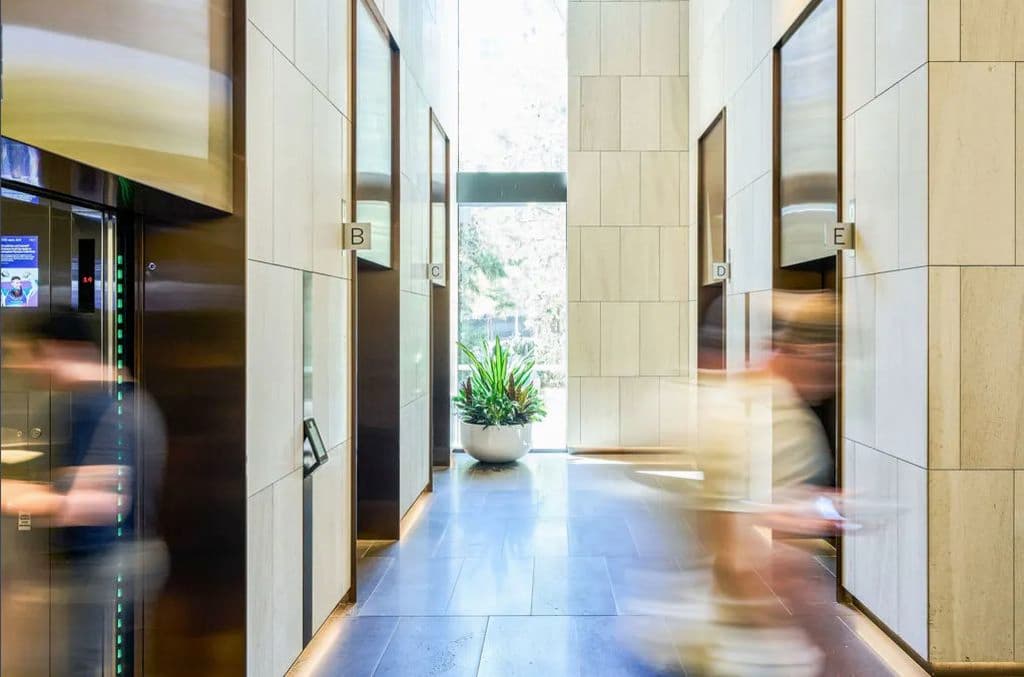
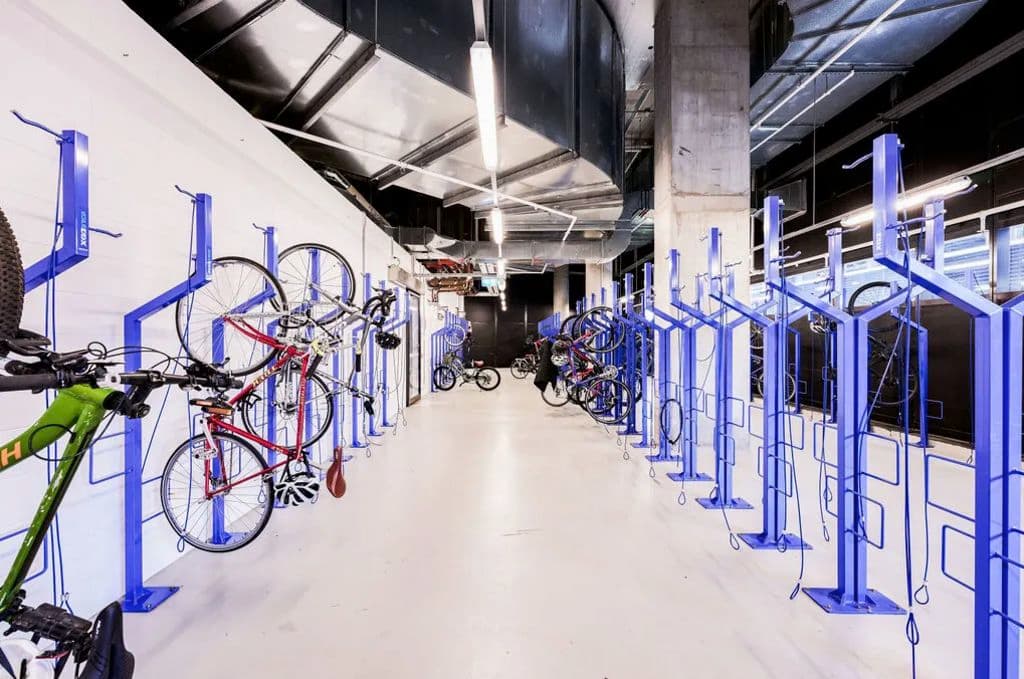
It features end-of-trip cycling facilities, dual lift cores and a generously sized outdoor rooftop terrace on level 21, allowing workers to catch some rays without leaving for world‑class cultural, entertainment and dining destinations in the surrounding area.
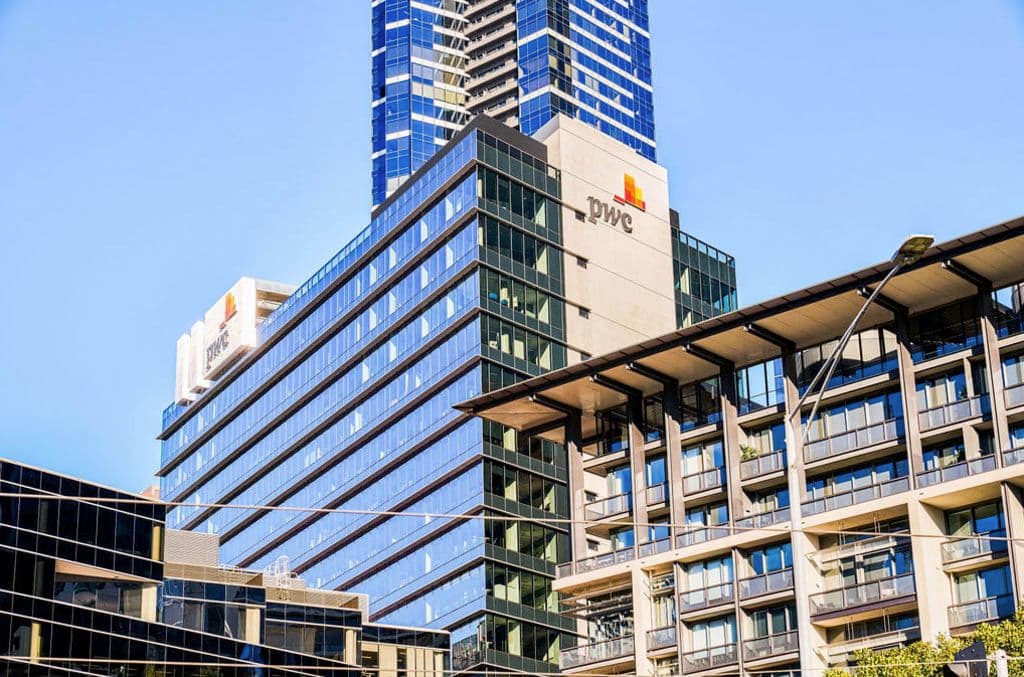
No. 2 Riverside Quay forms part of a campus-style commercial cluster of four A-grade buildings interconnected by laneways – a relatively low-rise pocket framed by Southbank’s soaring residential skyline, including 91-level Eureka Tower and 100-storey Australia 108 – alongside 15 food and beverage retailers, offering caffeine and lunch variety and public art at its doorstep.
The project, developed by Mirvac Group in partnership with IFM’s predecessor, ISPT and in collaboration with the City of Melbourne, incorporates the adaptive reuse of a nine-level car park, with offices constructed above, a ground-floor lobby and 125 square metres of retail space.
The building – also home to FK and Wilson Parking – comprises 21,132 square metres of net lettable space across the ground floor and levels 10 to 21, along with 567 podium car spaces spanning levels 1 to 8.
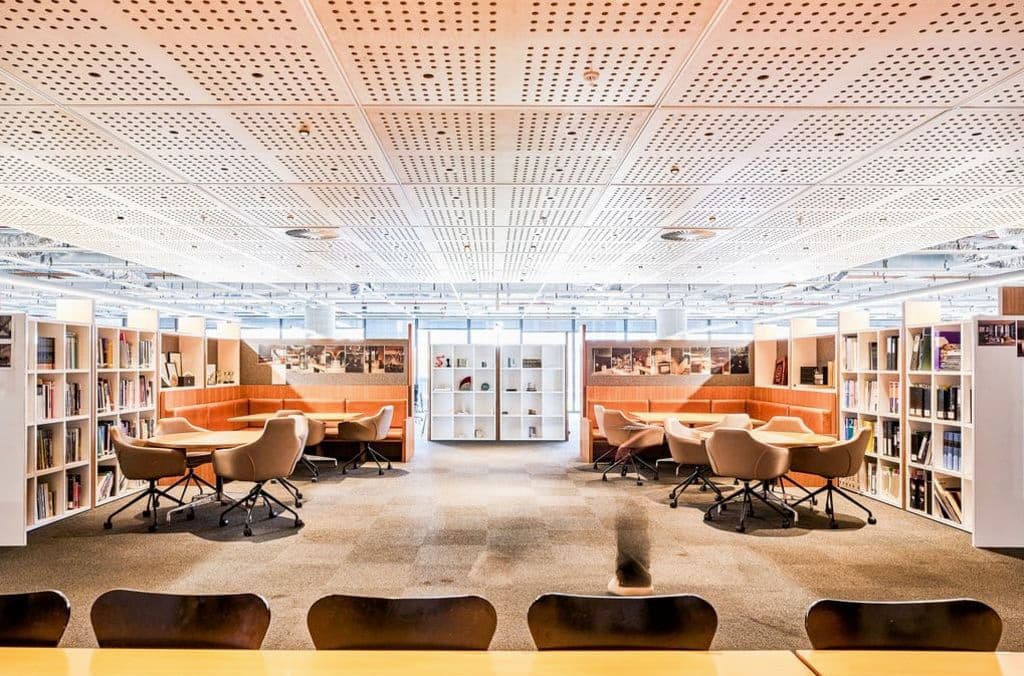
PwC occupies 73 per cent of the tower on a lease through to 2034, underpinning a 5.3-year WALE by income and a fully-leased net income of more than $18 million per year.
The firm relocated from nearby Freshwater Place after pre-committing to the purpose-built building and remains committed while operating a flexible workplace policy in Australia without a mandated office requirement.
At the time, the firm aimed to break down traditional barriers between its staff and clients, creating a more casual environment geared towards collaboration than the norm among blue-chip operators. At the time, PwC reportedly signed a 12-year lease and moved 2200 staff into 11 floors, taking up 19,100 square metres.
A suite of sustainability features – including high-performance glazing, energy-efficient systems, and rainwater capture and recycling – has contributed to a 5.5 Star NABERS energy rating and a 4.5 Star NABERS water rating, credentials that are increasingly shaping tenant demand.
While Melbourne’s broader office market continues to grapple with elevated vacancy, Southbank has emerged as a relative out-performer, characterised by low sublease availability and strong tenant retention.
Pillai says Southbank is one of Melbourne’s strongest performing office submarkets, with the lowest share of sublease vacancy and the second-lowest overall vacancy rate across the city.
“Over the past three years the majority of tenants have opted to stay in the precinct, with Southbank being home to major global corporate tenants,” he says.
Despite Melbourne’s CBD office vacancy rate sitting at around 19 per cent – its highest level in nearly three decades – the figure masks a widening divide, with older stock struggling while newer, ESG-led assets continue to attract demand.
“Southbank tenants are generally sticky to the location, finding it difficult to leave the surrounding amenity and unparalleled accessibility,” says Pillai.
While IBM has maintained a presence in Southbank for more than three decades, more recent arrivals such as Microsoft reflect the precinct’s continued appeal to global occupiers.
“Investors are actively seeking high-quality modern office towers to take advantage of the worldwide flight-to-quality phenomenon, together with the upcoming lack of new supply,” Preece says.
That shift is also being driven by a broader change in how offices are used, with proximity to dining, culture and public space now playing a central role in workplace decisions.
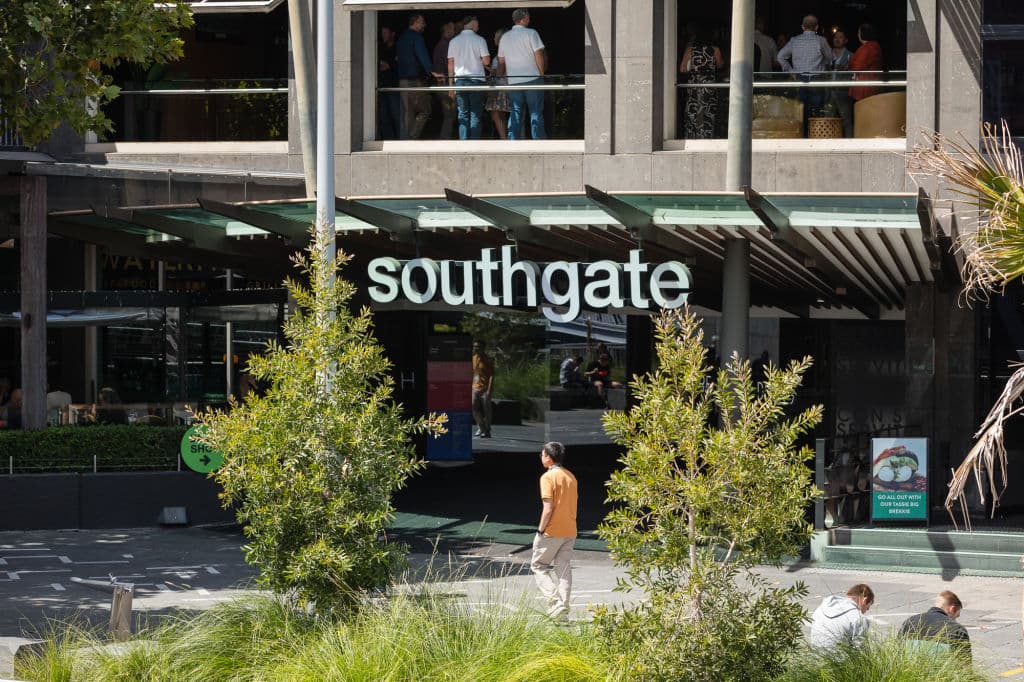
Southbank’s evolution has unfolded in waves – from an industrial riverfront to a 1990s arts and leisure hub anchored by Southgate, through a late-1990s entertainment boom with Crown Casino, and into a dense residential and commercial precinct – and is now entering a new phase of reinvestment, with some early assets yet to catch up.
Southgate is showing its age, with a long-approved redevelopment yet to proceed, leaving the landmark complex caught between its past and a planned reinvention.
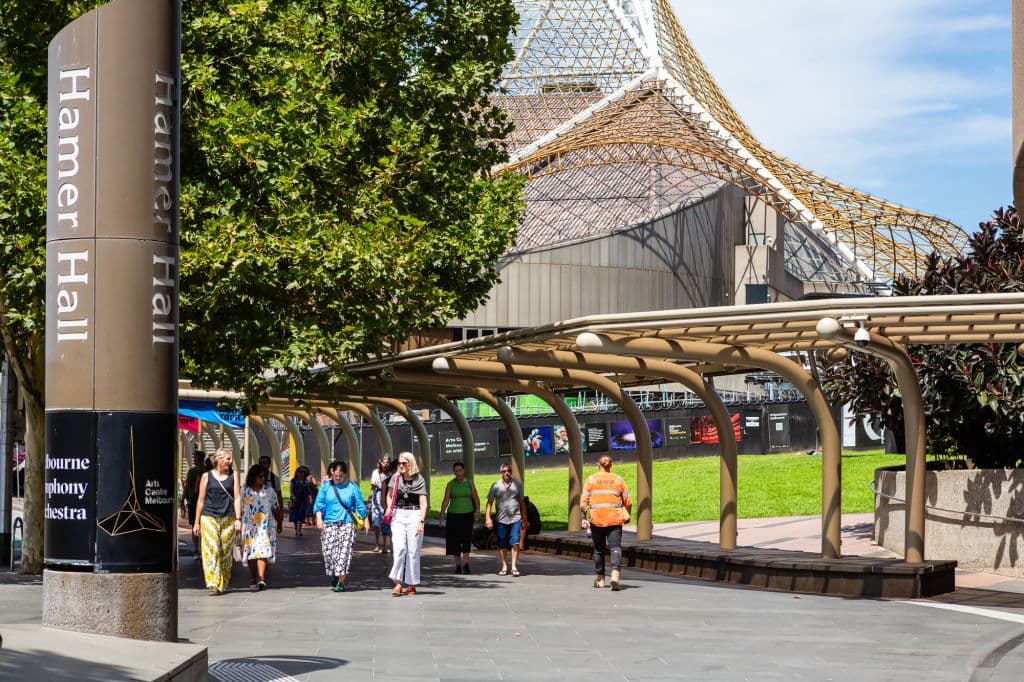
Elsewhere, momentum is building with Crown Melbourne’s $200 million redevelopment – its largest in nearly three decades – underway, alongside the redevelopment of 1 Queensbridge – which is transforming the historic Queens Bridge Hotel site into a 71-level mixed-use tower. The $1.7 billion Melbourne Arts Precinct Transformation, now under construction, will deliver a new NGV Contemporary gallery, an 18,000-square-metre urban garden connecting the NGV, Arts Centre and Hamer Hall, and a modernised State Theatre – renamed and set to reopen this October.
“There is more than $2 billion in surrounding investment … all of which will transform the future of Southbank,” Pillai says.
For office landlords, the impact is increasingly tangible, with buildings embedded in highly-activated environments proving harder for tenants to leave.
“Melbourne offers greater counter-cyclical upside than any other office market in Australia,” Preece says.
“Investors are cluing onto this compelling proposition, supported by strong fundamentals including high population growth, a diversified economy, unparalleled infrastructure investment and affordability.”
The expressions of interest campaign for the 50 per cent stake closes at 2pm on April 30.