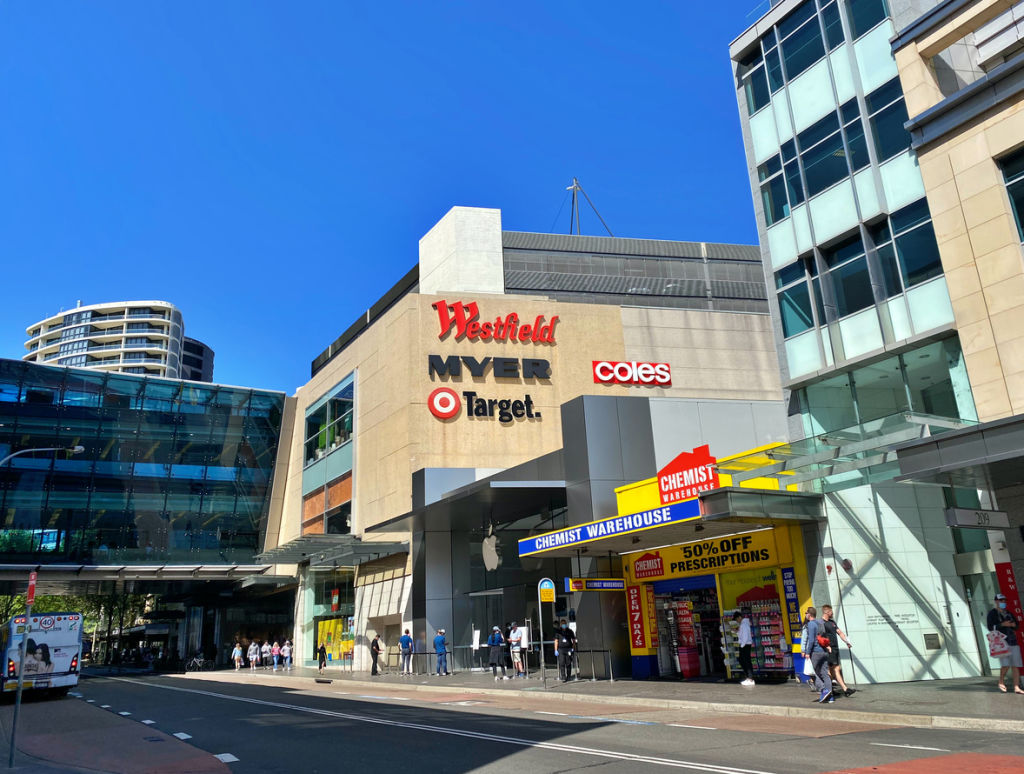
Neighbourhood shopping centres to drive retail investment growth
When e-commerce giant Amazon launched Down Under almost 10 years ago, the future of bricks-and-mortar shopfronts looked uncertain.
But Australia’s love affair with online shopping has failed to put a dent in retail investment, which was up 48 per cent year on year in 2025, according to the latest Colliers Asia Pacific Investments Insights.
This increase represented $13.5 billion in retail investment over the calendar year, says Lachlan MacGillivray, managing director of Colliers retail capital markets.
MacGillivray says there was concern that retail might be susceptible to online challenges, but what had been seen in Australia and globally was an opportunity to coexist and thrive in a market where both platforms exist.
“Their ideal outcome is for a customer to come in-store, and that’s their most profitable sale that they can fulfil,” MacGillivray says.
Investment in retail was strong across the country, with MacGillivray noting there’s “not a major disparity between metropolitan and non-metropolitan locations”.
“If you’ve got a very good shopping centre in Newcastle or Wollongong or Geelong or Cairns, or any of those regional locations, they’re going to be really well sought after because they’re very attractive investment propositions with a really strong cash flow,” he says.
An advantage for Australian shopping centres is their proximity to population centres and inclusion in master plans for new and developing areas.
Significant under-supply of retail floor space, combined with strong population growth, means “existing retail should theoretically become more valuable,” MacGillivray says.
“The majority of activity we expect to see moving forward will be neighbourhood shopping centre developments – your Coles and Woolworths with some supporting speciality.”
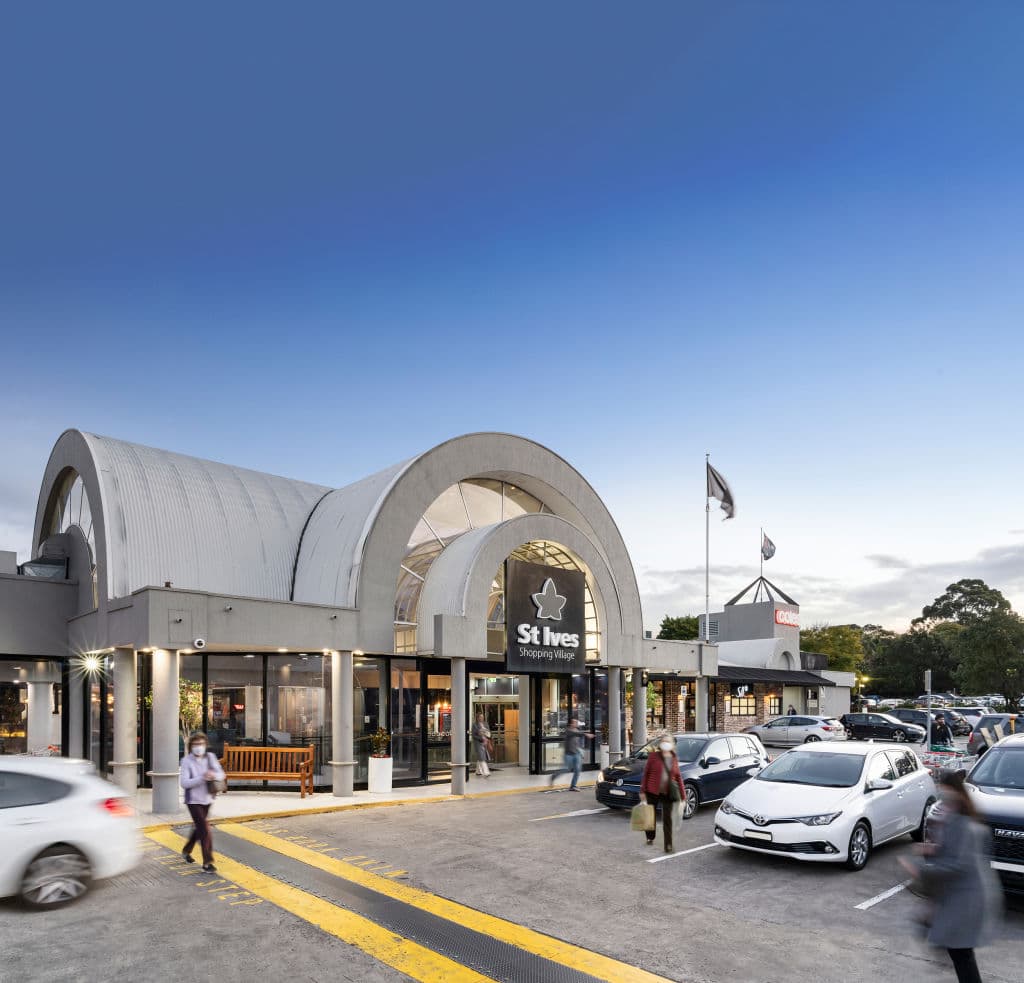
The purchase of St Ives Shopping Village on Sydney’s North Shore by Iris Capital for $450 million earlier this month was billed as the largest neighbourhood shopping centre deal in Australian history.
The settlement marked the end of a long period of family ownership of the centre, which has more than 100 long-standing tenants.
Iris Capital chief executive Sam Arnaout describes the centre as “a generational asset of exceptional quality”.
“Iris Capital manages a substantial portfolio of hospitality and real estate assets across Australia and internationally, and this acquisition reflects our continued expansion into high-quality, income-producing real estate,” he says.
“We have identified a clear pathway to deploy additional capital into the asset to enhance income, optimise tenancy mix and unlock long-term growth, while preserving the qualities that have made it one of the best-performing centres in the country.”
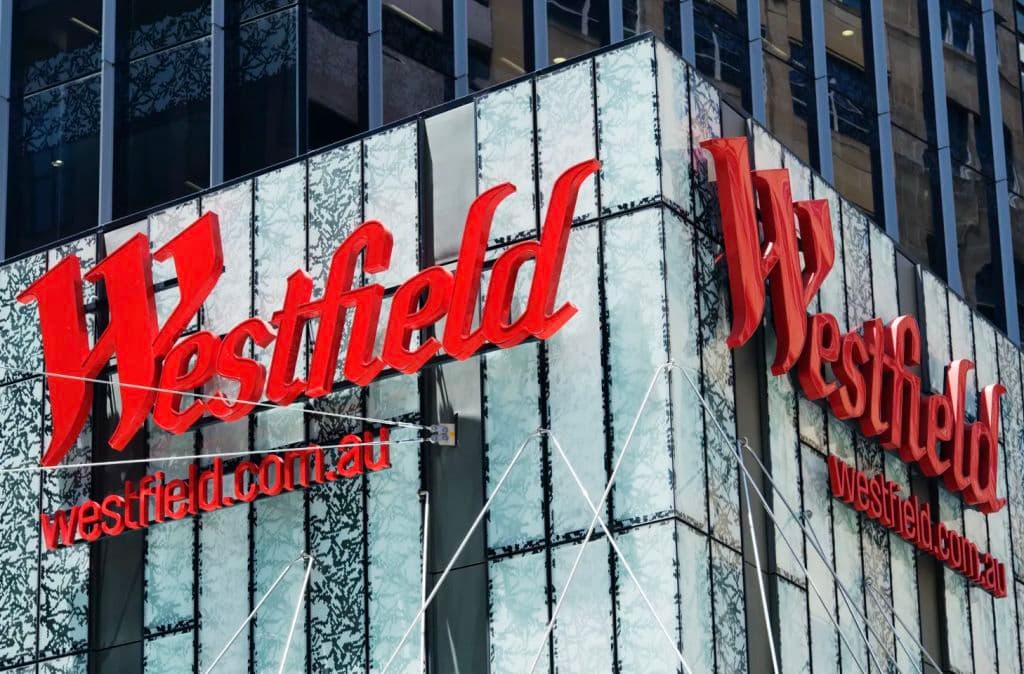
Another landmark transaction was Scentre Group’s sale of a 19.9 per cent stake in its flagship Westfield Sydney shopping centre to Australian Retirement Trust in December 2025.
The transaction followed a joint venture of 50 per cent of Westfield Chermside in Brisbane with two Dexus funds for $1.3 billion.
Westfield is also planning to turn its vast landholdings into thousands of new dwellings.
The Scentre Group lodged planning proposals in 2025 for six Westfield destinations with the potential to deliver 16,100 dwellings. Rezoning approval was granted earlier this year for Westfield Hornsby in Sydney and Westfield Belconnen in Canberra.
“Our strategy to grow the economic activity at our Westfield destinations by attracting more people to our destinations, broadening the businesses that partner with us, and better utilising our substantial land holdings, is expected to continue to deliver sustainable long-term growth in earnings and distributions,” Scentre Group chief executive officer Elliott Rusanow says.
MacGillivray predicts that, as land becomes more valuable and densification increases, there will be a shift towards more multipurpose buildings.
“When you look at the constrained land markets regionally, you only have to go to Singapore or Hong Kong and look at all of their mixed-use,” he says.
“Integrated developments are very, very well done, because they’ve made the most of the land that they’ve got, whereas we haven’t had to do that in Australia. But that’s part of our opportunity.”