First look at Melbourne Airport's international T2 commercial expansion
Melbourne Airport has unveiled plans for a $4.5 billion expansion of its international terminal that will enable a revamp and significant expansion of its retail, hospitality and premium lounge offerings. Detailed design, architects and tenancy partners will be worked through over the coming months.
The staged redevelopment, to be delivered within a fully operational 24-hour airport, lays the commercial foundations for Melbourne’s third runway, due to open in 2031, while materially increasing the available space to enhance user experiences, comfort and choice in shopping, dining and lounge experiences. The expansion also bolsters Melbourne Airport’s case for the proposed 32-hectare Elite Park retail and entertainment precinct on the back of nearby UrbnSurf’s success.
Premium investment is already moving. Singapore Airlines is reportedly planning to redevelop its SilverKris Lounge in Melbourne, with the new facility expected to be around 30 per cent larger and to be completed in late 2026 or early 2027. Currently located on T2’s first floor, it will switch to an upper level of Terminal 2.
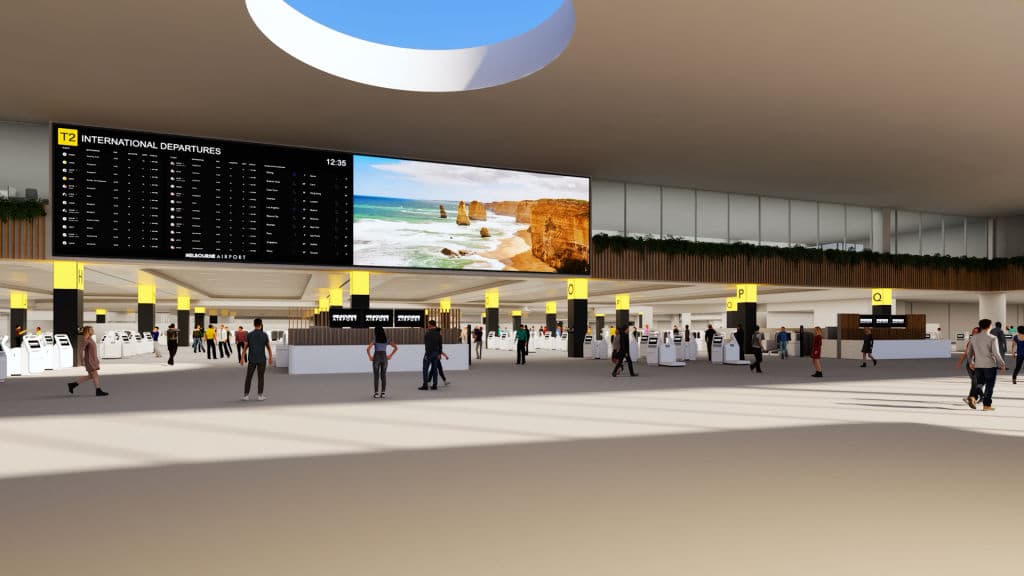
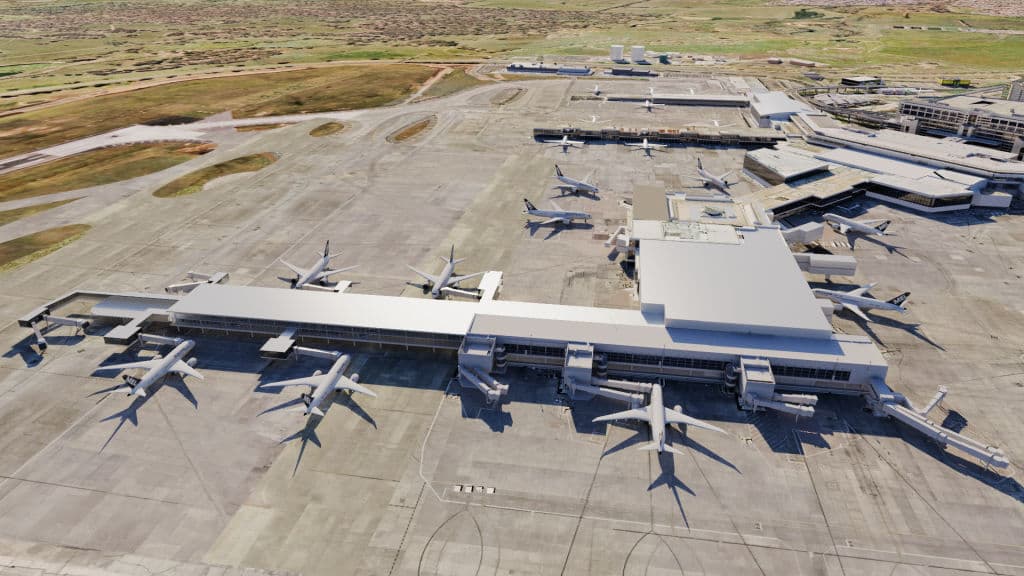
Plans include a significantly enlarged international check-in hall with upgraded baggage technology, expanded baggage claim areas with extra carousels and five new gates added to the existing international pier.
Supported by five new aircraft stands capable of handling either five widebody or eight narrowbody aircraft, the additional gates will give airlines greater flexibility to schedule flights to more destinations at the times passengers want to travel, directly lifting passenger throughput through retail and lounge zones.
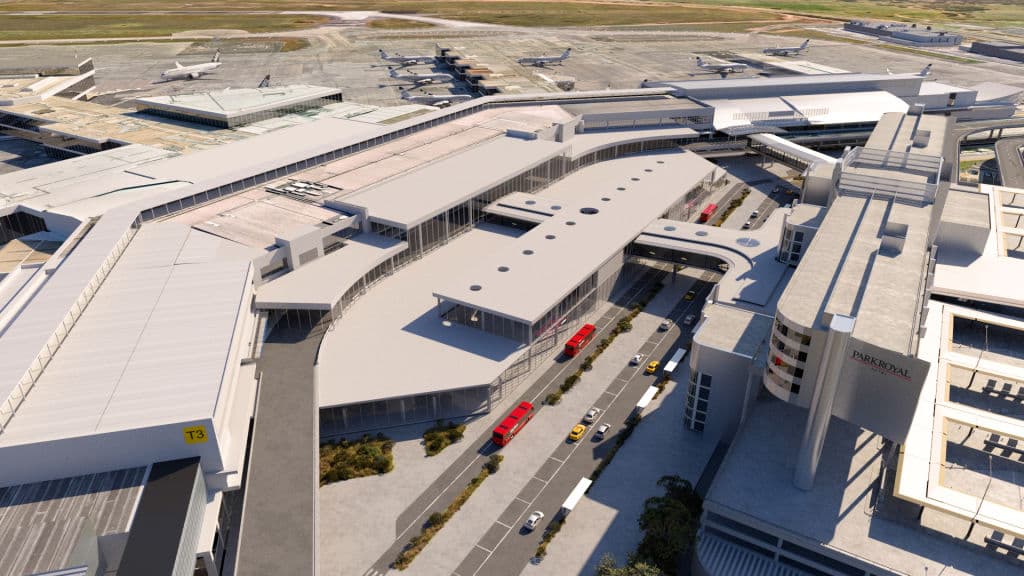
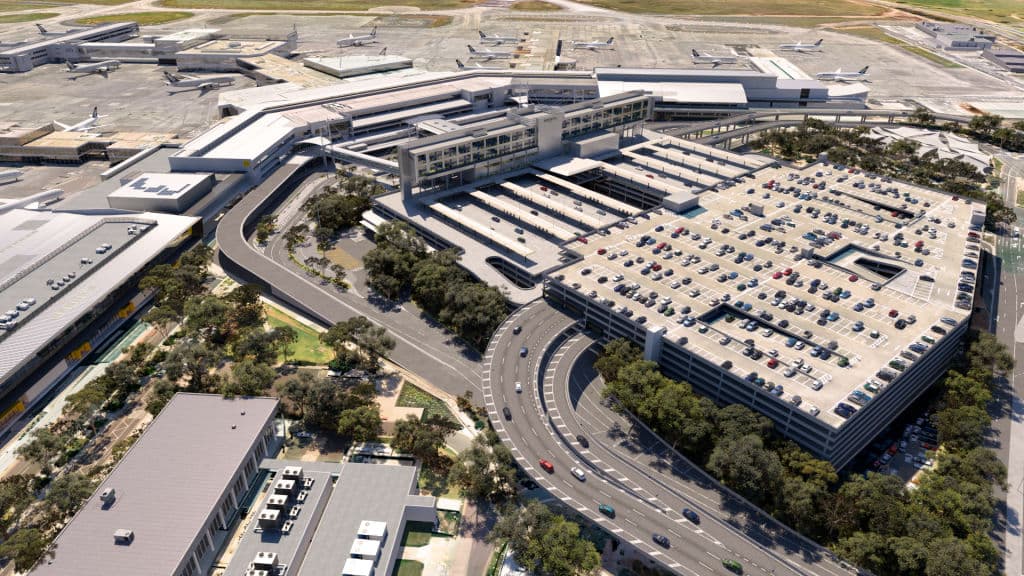
Preliminary works are expected to begin later this year following the September completion of Melbourne Airport’s new elevated road network and transport hub featuring expanded pick-up and drop-off zones. The international terminal will extend outward into the existing forecourt, following the delivery of the new T123 Transport Hub.
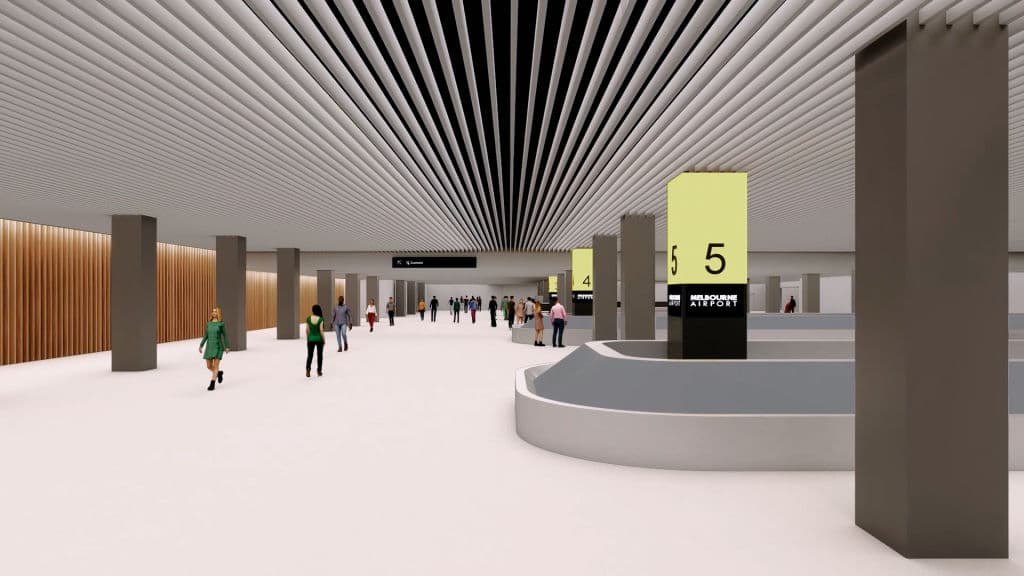
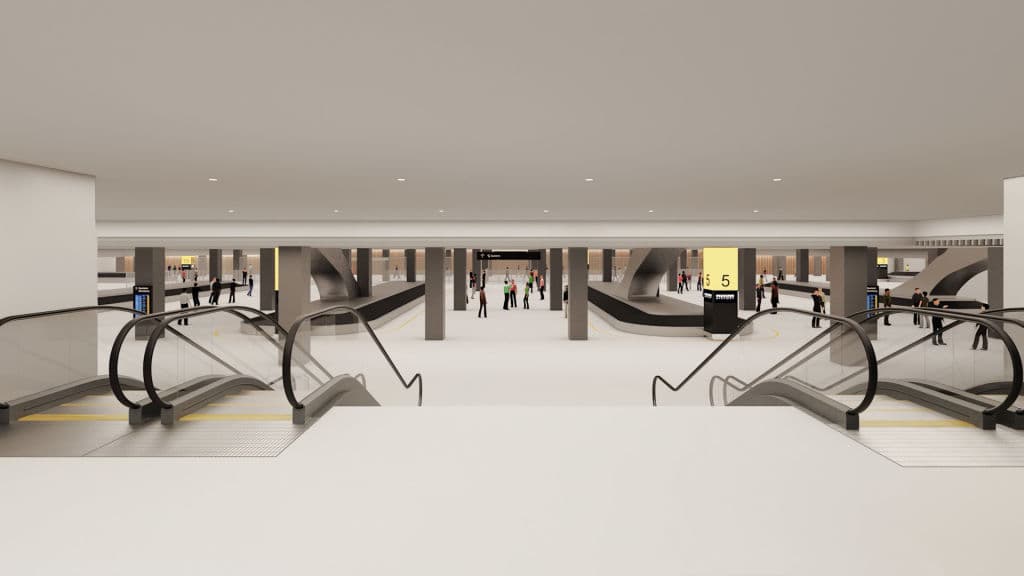
January saw more than 1.26 million international passengers processed through the terminal – the busiest month on record – underscoring the strength of Melbourne’s outbound and inbound demand.
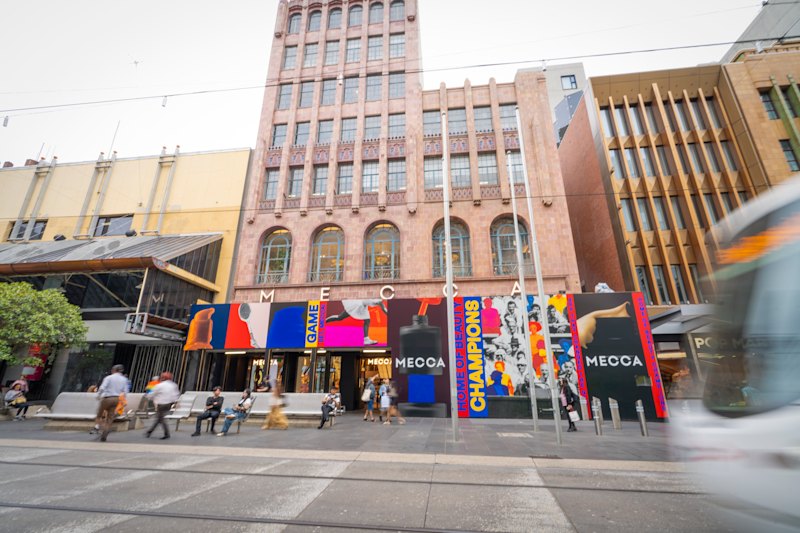
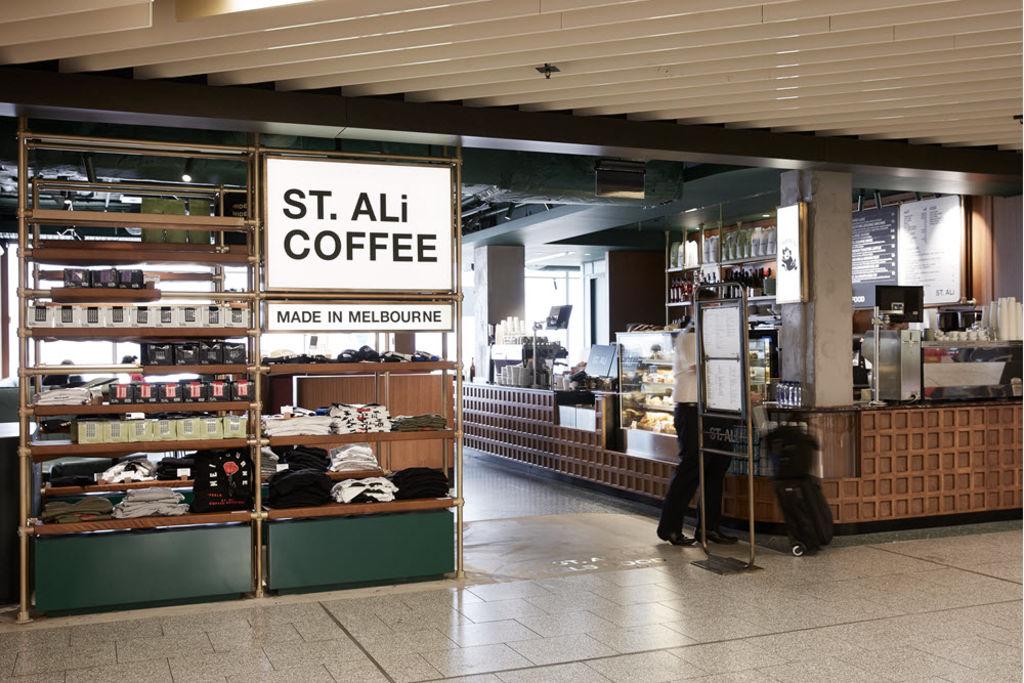
Terminal 2’s existing offer spans Aelia Duty Free and luxury brands such as Furla and Michael Kors, alongside retailers Mecca and Aesop, and hospitality names including Brunetti Classico, St Ali Coffee and Café Vue.
The international departures area is also home to multiple airline and membership lounges across different levels, forming an established premium ecosystem that the enlarged terminal will further enhance. Currently, the Qantas First lounge is located on T2’s third floor, alongside Emirates’ posh digs, whereas Air New Zealand and United Airlines occupy the ground floor. The Centurion Lounge/American Express Lounge is positioned alongside Singapore Airlines’ current location on the first floor.
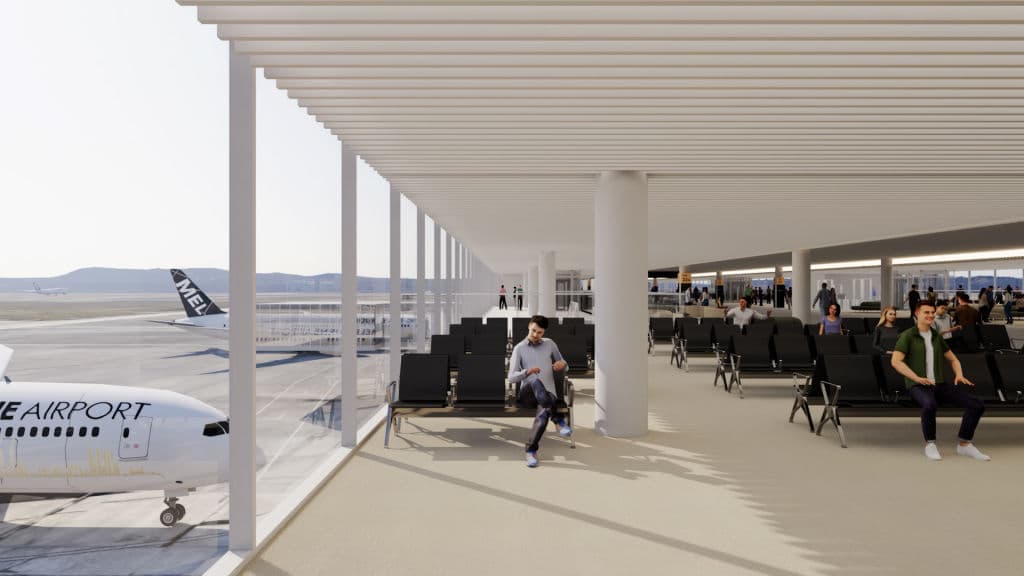
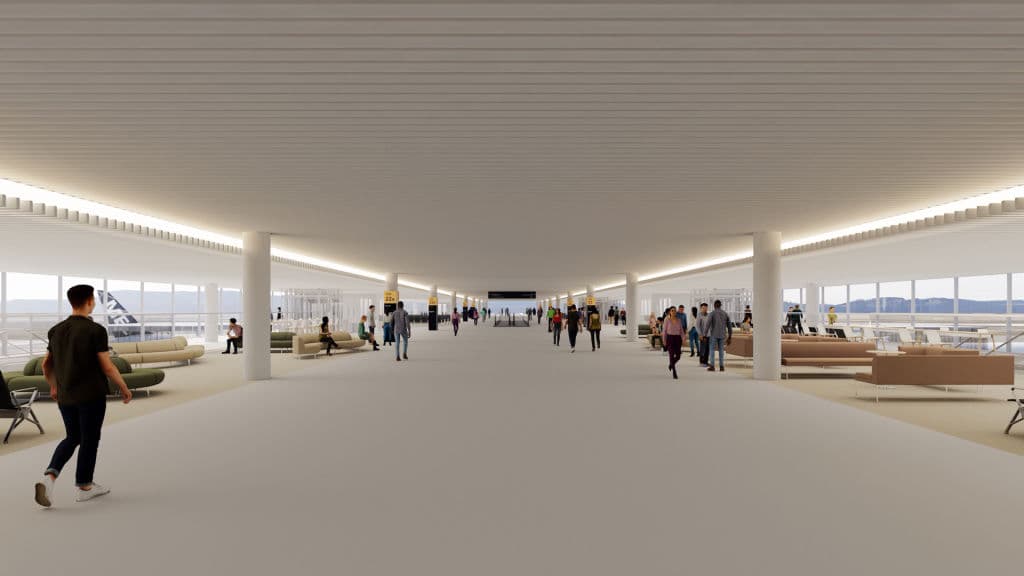
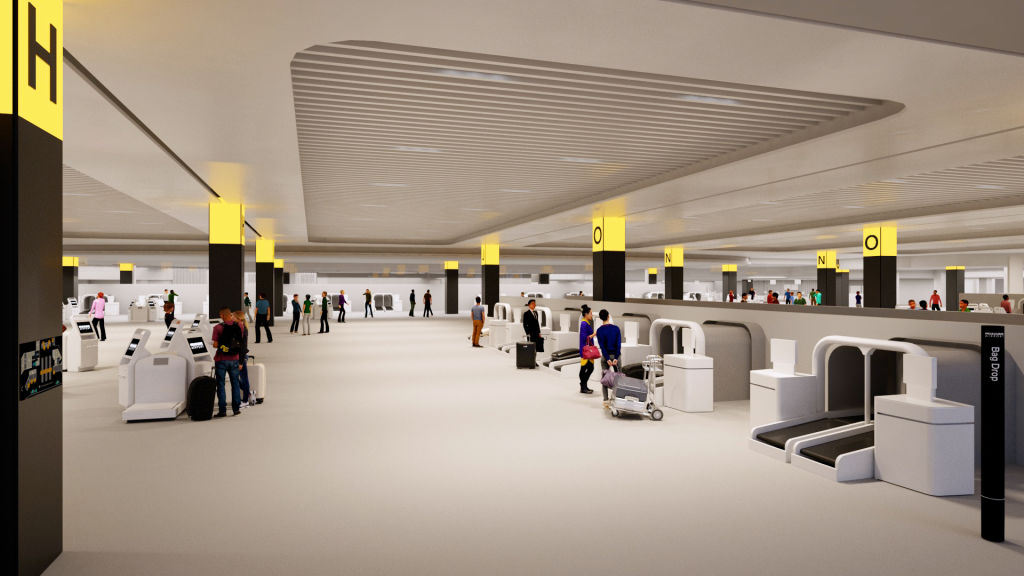
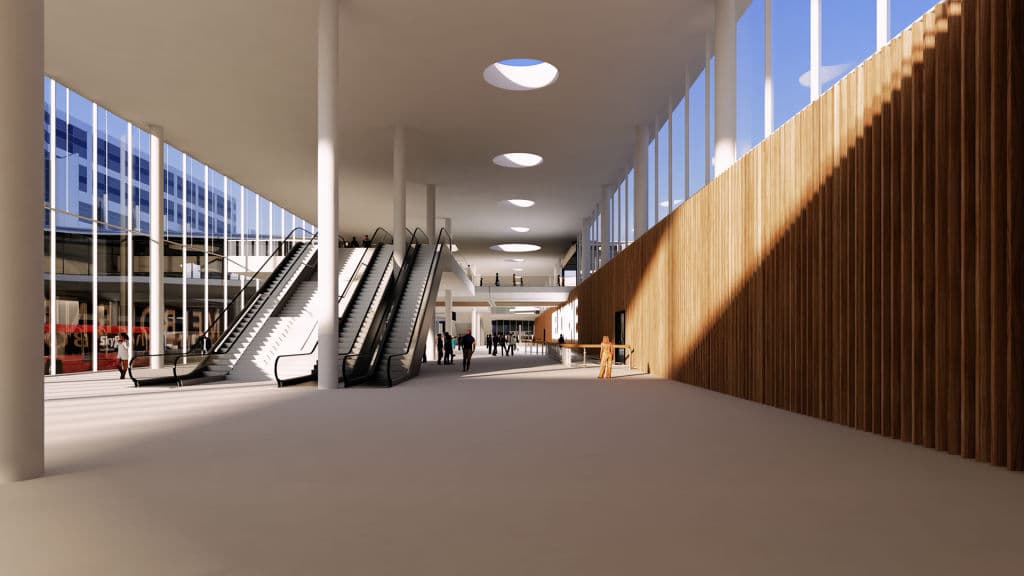
Concept renders released by Melbourne Airport as part of today’s announcement show a noticeably re-scaled departures environment.
The new check-in hall is depicted as a vast, open-plan space with pale stone-like floors, sculpted white ceilings and bold yellow and black illuminated beams, with rows of self-service bag drop units beneath a large-format digital departures board.
The luggage claim area is more spacious and high-tech thanks to a new $500 million world-class baggage system, designed and manufactured by German logistics specialist Beumer Group, to deliver real time tracking and extra capacity. It will more than double handling capacity from 1800 to over 4000 bags per hour and include a 1400-bag automated storage facility allowing earlier check-ins, and 3D bag scans to boost safety. The final stage of the passenger journey, the customs area will also get a makeover.
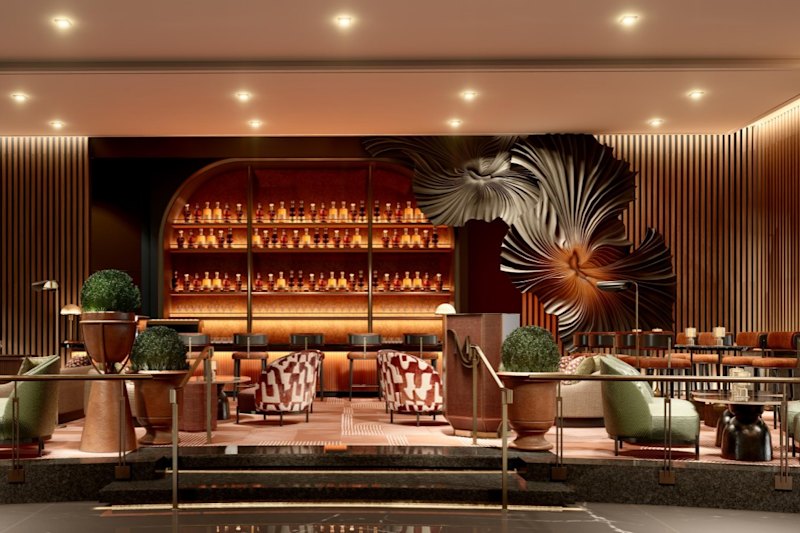
Meanwhile, lounge zones feature floor-to-ceiling glazing overlooking the tarmac, integrated into the main passenger spine, reinforcing a shift toward a brighter, premium, dwell-focused international gateway.
Melbourne Airport Chief Executive Officer Lorie Argus said the expansion had been shaped in consultation with airlines to balance operational growth with passenger experience.
“We’ve spent several months working collaboratively with the airlines to ensure these plans meet their needs, while also delivering an improved experience for our travellers in both arrivals and departures,” she said.
“Increased capacity on our airfield and terminals will allow airlines to schedule more flights to more places, which will give consumers and exporters more choice.
“Our investment in new infrastructure will deliver much-needed extra capacity, but it is only part of the puzzle.
“With just one average daily international flight worth $190 million to the Victorian economy every year, these investments will help facilitate more services and secure thousands of jobs around the state.”
Assistant Minister for Citizenship, Customs and Multicultural Affairs Julian Hill welcomed the expansion and described airports as “critical infrastructure”.
“I welcome Melbourne Airport’s work to streamline passenger movements across domestic and international terminals,” he said.
“Australian Border Force will continue working closely with industry partners to improve passenger experience and ensure Australia’s airports are fit-for-purpose over the coming decades.”
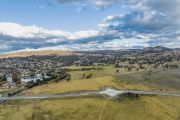
Beyond the terminal, the international works strengthen the commercial rationale behind Elite Park – a proposed 32-hectare premium leisure, dining, entertainment and large-format retail precinct between the Tullamarine Freeway and Airport Drive, a vacant grasslands area.
“The proposed precinct will complement the nearby UrbnSurf facility and Essendon Football Club’s training grounds by bringing new and exciting commercial tenants to the airport precinct,” Melbourne Airport says.
The development remains subject to federal government approval, with staging envisaged over approximately nine years and first tenants anticipated by late 2026 if approved. Planning material suggests the precinct could contribute about $246 million annually to Victoria’s economy and support around 2140 jobs.