Local downsizing trend reshapes retirement sector
Australia’s population is ageing, but as people approach retirement, they’re not necessarily looking to take a well-trodden path.
Standalone retirement villages and aged care facilities were once a popular choice, but now more and more people are looking to age in place, in communities and neighbourhoods where they have established social connections and access to familiar amenities.
Recent data from Colliers suggests the over-50 cohort will drive 75 per cent of housing demand over the next two decades, and most moves at retirement age will be within 20 kilometres of the family home.
“People don’t want to start over; they want housing that supports continuity of life as they already live it,” says Lynn Johnsen, Colliers head of data solutions – healthcare and retirement living.
“Location decisions are heavily influenced by healthcare access, retail and daily amenity, safety and familiarity, and social networks.
“This reinforces that ageing in place is not just about staying put – it’s about staying local with increasing levels of support.”
The finding supports earlier research by the Australian Housing and Urban Research Institute, which reported that 78 to 81 per cent of Australians aged 55 and over want to remain in their own homes as they get older.
The shift from isolated retirement to neighbourhood continuity
That preference doesn’t just influence housing demand, but the entire ecosystem that surrounds it.
The desire to remain connected is creating opportunities for developers to deliver integrated communities that combine housing, healthcare, retail and social infrastructure within established neighbourhoods.
Retirement living operators are embracing the trend. Levande, for instance, has villages located in well-serviced suburbs and urban centres, and a base of residents who largely want to continue living locally.
“Typically, 60 per cent of our residents come from within 10 kilometres of the village they move into,” says Levande spokesperson Dean Felton. “Most seniors have deep roots: family nearby, long-standing friends or a beloved local club or GP.
“The concept of whole-of-life communities is gaining momentum. Today’s retirement villages are designed to be part of the broader neighbourhood.”
For developers, that focus on local connection places even greater emphasis on proximity and accessibility. For example, Felton says walkability is integral to the success of a community.
“We’ve learned that access equals independence,” he says. “Many older Australians explicitly seek communities situated in walkable neighbourhoods. When driving becomes more difficult with age, the importance of nearby public transport and local healthcare options only grows.”
Johnsen echoes the importance of healthcare, saying it becomes a “critical enabler, particularly as care needs increase over time”.
Integrating multiservice healthcare precincts into established suburbs
Healthcare facilities have long been essential anchors of residential neighbourhoods, but Rod Owen-Jones, healthcare fund manager at Centuria, says their role in new developments is becoming more prominent as the population ages.
“You are beginning to see healthcare become part of that community,” Owen-Jones says. “We’re looking at how accommodation and health services – whether they be private hospitals, GP clinics or allied health providers – can all integrate into that community.”
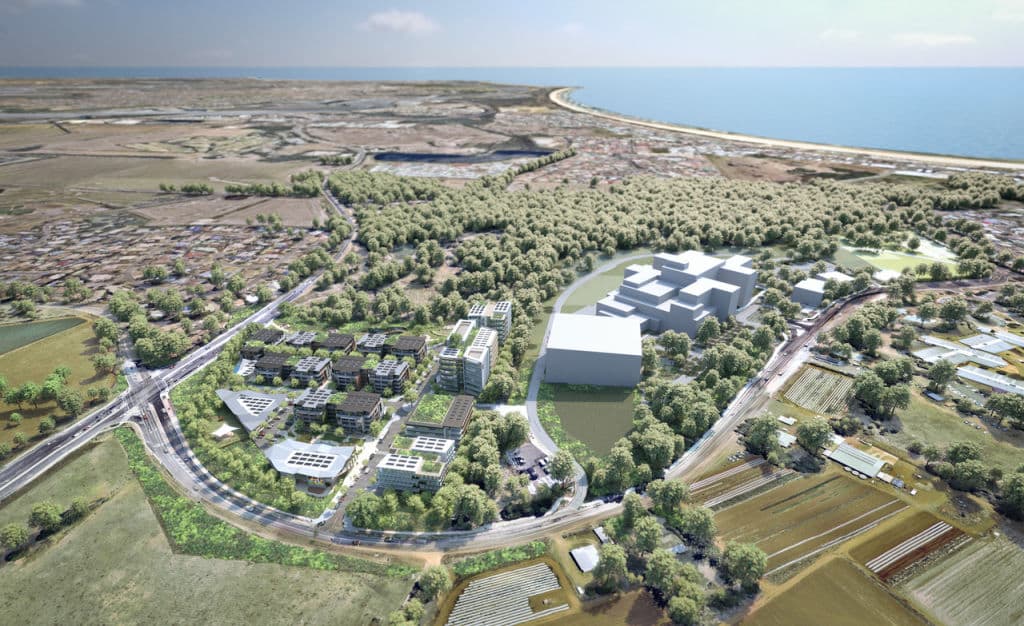
He says healthcare facilities are becoming fully integrated precincts that offer multiple services, changing how healthcare property is planned and delivered.
“Quite often, you’ll see pathology, radiology, pharmacy and allied health providers also being part of that facility,” Owen-Jones says. “You can almost have a one-stop shop.”
Other commercial operators also stand to benefit from retirement villages, which can support a broader local economy, bolstering business activity and spending, Felton says.
“Residents can continue participating in the wider community, which supports their sense of normalcy and belonging, and in turn they contribute to the local economy and vibrancy,” he says.
“New residents mean more customers for local shops, cafes, healthcare providers and other hospitality offerings.”
Policy and planning bottlenecks stall age-friendly urban supply
The demand for integrated, age-friendly neighbourhoods is clear, but Johnsen says supply has yet to keep up.
“While lifestyle migration exists, most people downsize locally,” she says. “So the biggest supply need is in established suburbs where ageing populations already live, not where we expect them to relocate.”
Johnsen says that capital isn’t the main constraint for new developments, but other barriers: “It is planning, policy and delivery systems failing to keep pace with demographic reality.”
As the population continues to age, Johnsen believes developers will need to look far beyond housing alone.
“Future communities will need to be designed around lifecycle needs, accessibility and integrated living environments, not just traditional housing supply,” she says.
“For developers, this means greater focus on proximity and integration with existing infrastructure and amenities, not greenfield isolation.”
Felton agrees, highlighting the growing influence of the ageing population on urban design.
“Good community design will converge with age-friendly design,” he says. “The cities and suburbs of the future will be more accessible, more connected and supportive of ageing in place as the norm.”