Why developers are turning laneways into Australia’s hottest urban precincts
Delivery drivers once populated Circular Quay’s Loftus Lane, but now it’s filled with visitors of a very different kind.
“It was just for service vehicles. Now that is going to be a place where people are coming home … and they are wanting to have a coffee in the morning or dinner at night,” says ASPECT Studios global design director Sacha Coles, who worked on the redevelopment.
“It brings a diversity and richness into the city that you can’t get when you just have one big building with one big frontage.”
The transformation reflects the rising importance of the laneway. This underused corridor has long been overlooked, but as Australian cities become denser, developers have had to find creative ways to maximise space and create more connected precincts.
Why developers are reclaiming forgotten laneways
Bridget Fea, founding director of property consultancy Noble & Co., has worked on several laneway developments, including Brookfield Place in Sydney’s CBD and Central Park in Chippendale.
She says there’s a strong commercial case for activating a laneway.
“It improves access, creates more active edges and gives retail and hospitality additional ways to engage with the public realm. From a property perspective, that can translate into a stronger address, greater amenity and a more compelling proposition for occupiers, visitors and investors,” she says.
“That experience is now part of the property proposition. Buildings increasingly compete not only on architecture and specification, but on the quality of the public realm around them.”
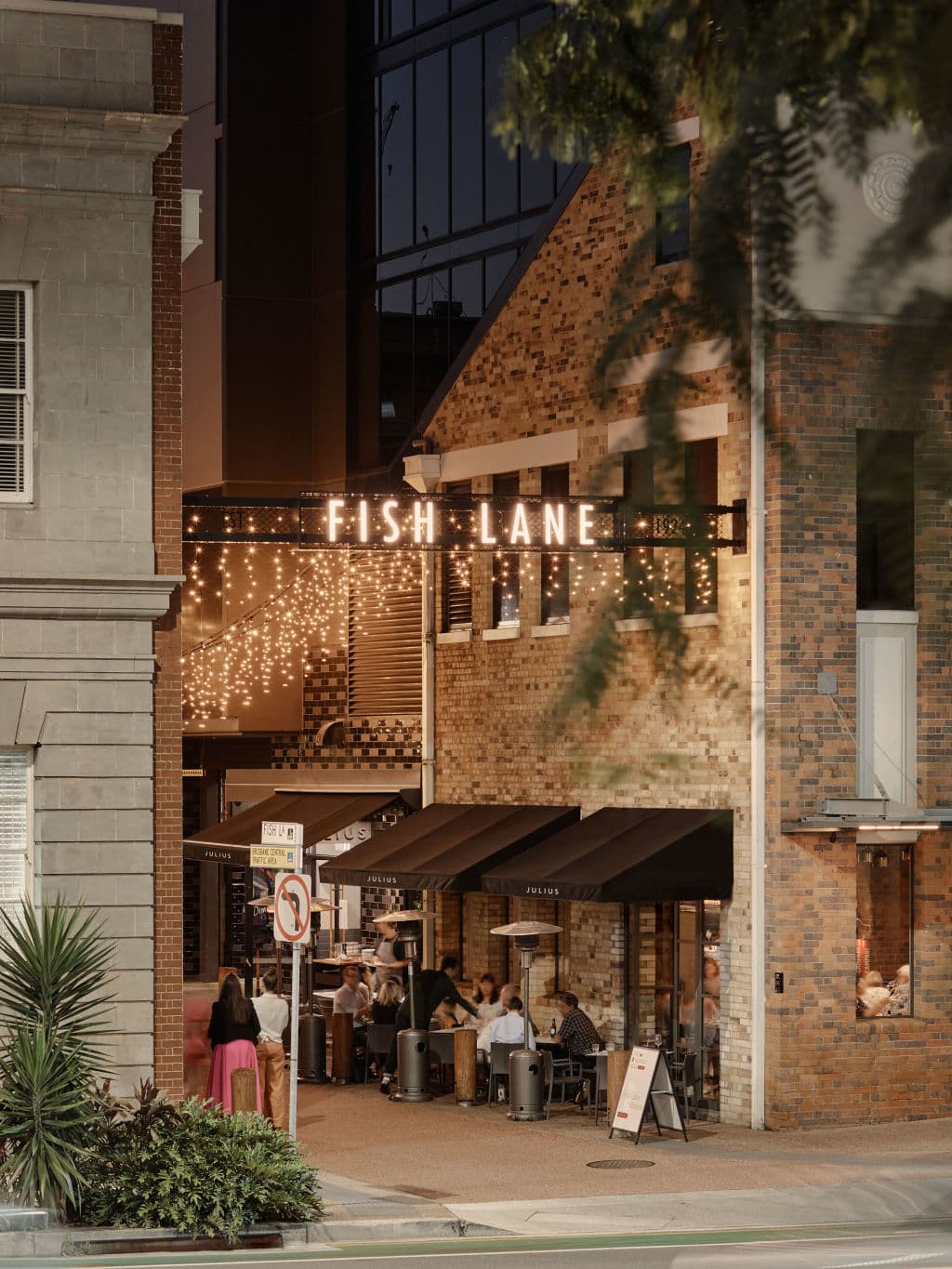
Brisbane-based property developer Aria Property Group has integrated laneways into a number of its developments, notably Fish Lane in South Brisbane. The project, opened in 2020, turned neglected laneways into thriving public spaces populated with restaurants, cafes, bars and people.
Aria’s commercial manager, Michael Zaicek, says there are several reasons the developer looks to laneways.
“Repurposing laneways is a way to reclaim unloved spaces. They represent a massive opportunity and win for the community, to claim back hostile spaces dominated by cars, service trucks and rubbish bins and instead make them spaces for people,” he says.
“Historically, they may have been an afterthought. However, with a trend towards much more high-density living, it’s important to utilise all available space.
“Laneways are also well-shaded and full of character, which can be difficult to replicate in new builds. Activating these spaces also creates a much safer physical environment. It’s a win-win-win-win.”
Planning approaches have also shifted, allowing laneways to become more integrated into the public realm.
Coles mentions Sydney as an example of how planning policy has changed the role of the laneway.
“Sydney City Council had a fine-grain policy at least 15 years ago, and if you treated them as pedestrian-first and you allowed cars in as guests, you could do a whole lot more and claim them as public space. And then you could have finer-grain retail,” he says.
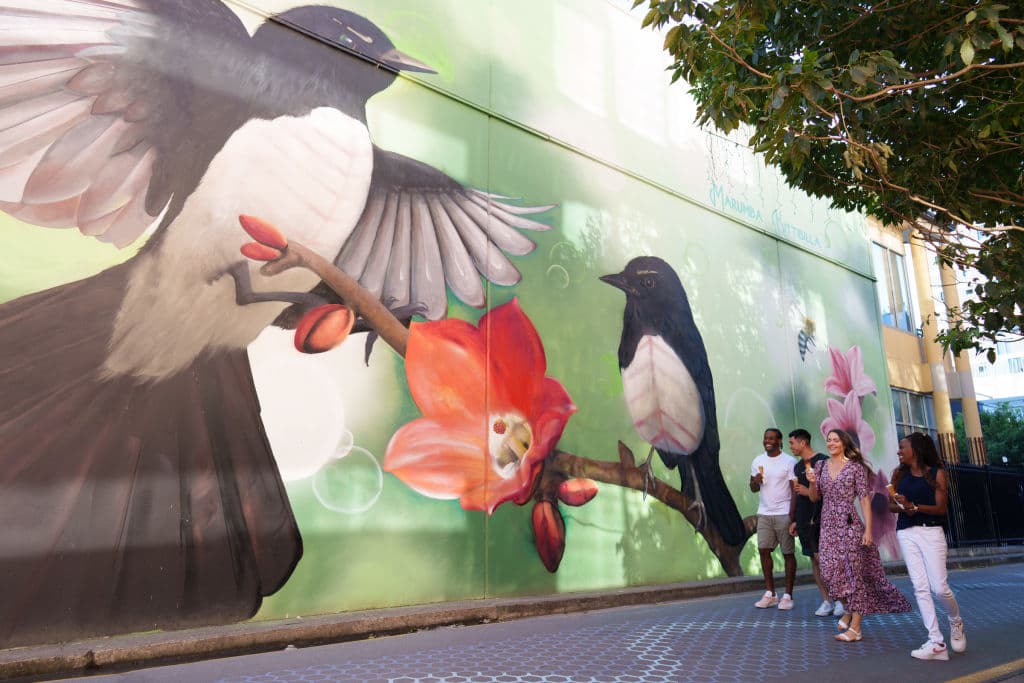
What makes a laneway precinct successful?
Zaicek says laneways have something inherently appealing that gives them an edge over other environments.
“[They have] character,” he says. “Laneways are a journey of discovery. No two are the same, and the opportunities for art, lighting and landscaping are unique. They are the antithesis of androgynous new builds attempting to superimpose character.”
Coles says the density can be a drawcard, creating a sense of buzz when people sit closer together.
“There’s surprise and delight as well as that sense of compression,” he says. “It feels really fantastic to be that close to people and just watch life go by.”
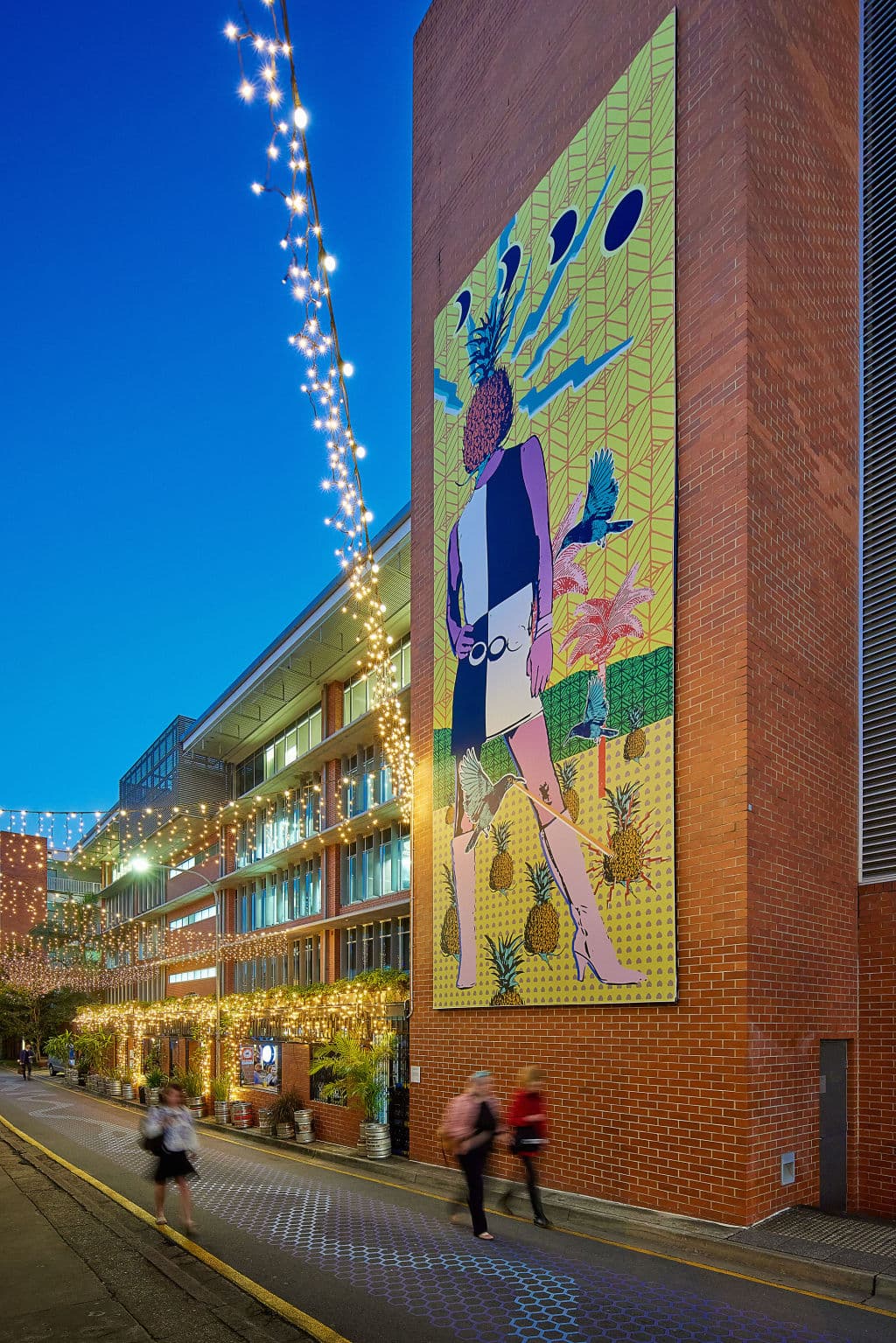
But the setting alone isn’t necessarily enough to turn a laneway precinct into a genuine destination rather than just a pedestrian shortcut.
When the team at ASPECT Studios worked on Loftus Lane, they integrated elements like lighting, artwork, planting, materials and seating to create a space that people wanted to spend time in.
“It’s just a bit of comfort that makes it sticky, so people hang around there,” says Coles.
Fea says a successful laneway precinct also has other elements that make it engaging, like programming and events. At Brookfield Place, for instance, a regular program called Flow & Glow (which combined talks, markets and events) gave visitors reasons to return again and again.
“TEDxSydney-curated talks, artist markets in vacant shopfronts, art installations and laneway parties brought new audiences into Wynyard beyond conventional office hours,” says Fea.
Tenant mix can make or break a laneway
Laneways are distinct, and Zaicek says businesses inside them need to reflect that character.
“It’s important to ensure the tenant mix is bespoke in nature, reflecting the unique settings that laneways represent,” he says. “You wouldn’t put chain stores in laneways – they are too homogenised by nature. The retail concepts should reflect a sense of exploration and discovery, mirroring the physical environment.
“There should also be a mix of categories and price points reflecting the diverse demographics that are the customers.”
Zaicek adds that the economics also need to stack up, particularly as laneways have less exposure than a typical high street.
“You need to maintain a rigorous balance between capital costs, rent and turnover,” he says. “Customers will embrace a more austere fitout if the offer is quality and has integrity. The setting has enough theatre – fitouts don’t have to be gimmicky.”
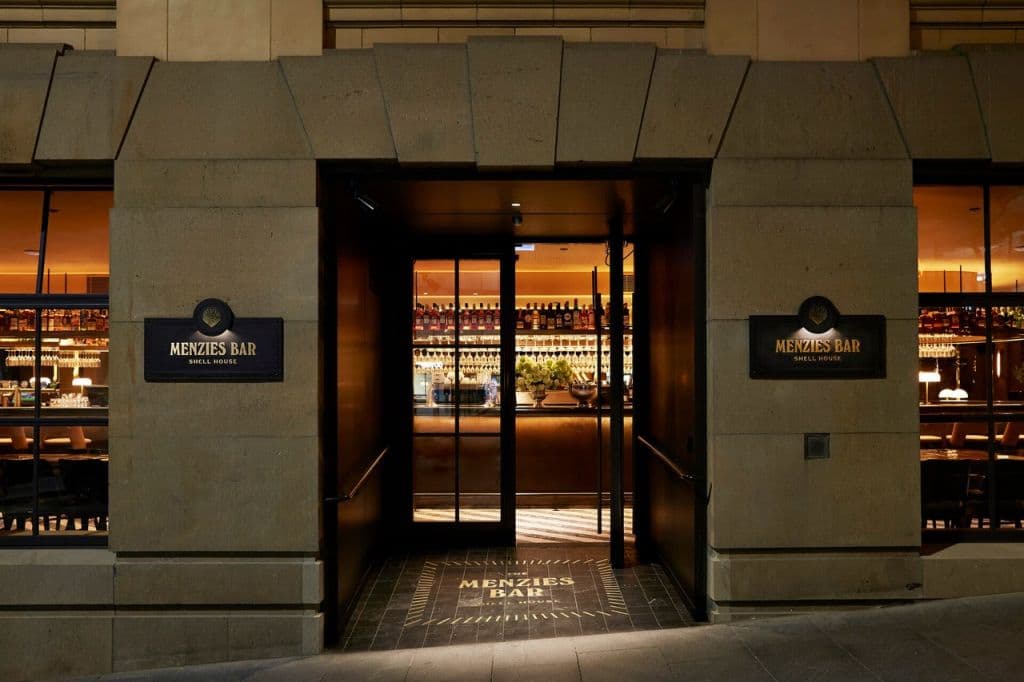
Fea echoes Zaicek’s point, saying conventional operators don’t necessarily work in laneway environments, but smaller businesses may benefit from a more distinctive setting.
“A business that works on a main street may not work in a laneway, and vice versa. A concept that appears ideal on a leasing plan may be unworkable if its exhaust, loading, waste or back-of-house requirements undermine the experience,” she says.
“Laneways can also accommodate smaller, more experimental businesses that may not suit a conventional shopping centre. The setting provides differentiation, but the commercial and operational fundamentals still need to work.”
Connecting laneways to the wider city
The connection with the wider neighbourhood is also essential. Fea says laneways need to feel like an extension of the neighbourhood, mentioning Brookfield Place’s connections with Wynyard station, George Street, Wynyard Park and Carrington Street, and Central Park’s links to Chippendale.
“A laneway works best when it feels like part of the city rather than a private development masquerading as public space,” she says.
Lastly, despite their evolution into people-focused precincts, laneways still need to serve a practical purpose, according to Fea.
“A laneway may need to function simultaneously as a pedestrian environment, servicing route, fire-access path, delivery zone, outdoor dining area, retail frontage and event space,” she says. “Balancing those demands is the biggest challenge.”