
Rental housing, along with data centres and retail real estate, ranks as the brightest prospect for investment across commercial property this year, according to a panel of investment bankers.
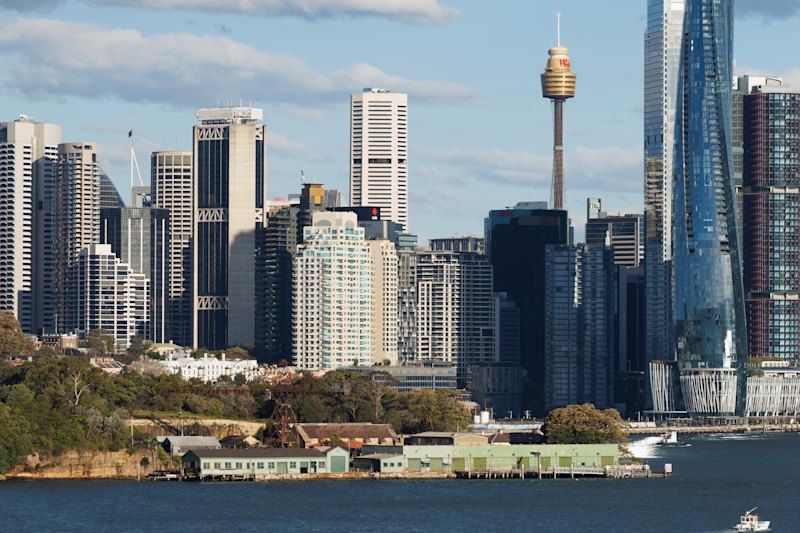
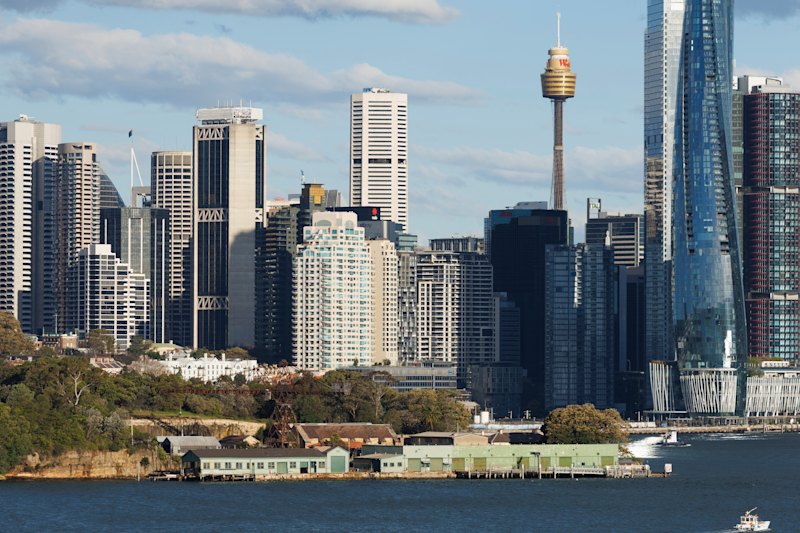
And in a surprise return, CBD office towers have made it back into the bankers’ list of best bets after three years in the doldrums, with plummeting values the result of high interest rates, uncertainty over tenant demand and the rise in popularity of working from home.
But it was residential-for-rent – sometimes simply tagged as the “living” sector and ranging from student accommodation, to build-to-rent and retirement living – that was consistently favoured as top pick in a virtual roundtable of leading property bankers from Macquarie, Morgan Stanley, Jarden and UBS, convened by The Australian Financial Review.
“We have been very active around the living sector over the past 18 months across residential development, retirement living, student accommodation, and we expect that to continue given the strong focus from institutional capital to find attractive ways to gain exposure to those ‘living’ tailwinds,” said Alex Rouse, Macquarie Capital’s executive director and head of real estate in Australia and New Zealand.
Those tailwinds were spelled out by Morgan Stanley’s chairman and co-head of investment banking in Australia, Tim Church, and include “a current structural undersupply of housing, continued population growth, positive net migration, housing affordability and continued house price appreciation”.
While rental housing has long been favoured by private investors, it is only in recent years that it has caught the attention of institutional investors in the Australian market, and even now, is regarded as an “alternative” to traditional property sector staples including major office towers, malls and warehouses. In the US, the UK and Europe, the sector is already well-established.
Burgeoning investment into the build-to-rent sector, which involves apartment towers typically owned by one major investor or a fund, has been driven mostly by foreign investors such as US giant Greystar. Local players such as ASX-listed Mirvac and Lendlease, as well as Pro-invest, are making headway now, often backed by foreign funds.
“As more assets become operational, we anticipate consolidation opportunities to emerge, unlocking scale and operational benefits. At some point, I hope to see a listed REIT (Real Estate Investment Trust) as well,” said Mitchell Schauer, Jarden’s managing director and head of real estate, corporate finance and markets.

Another new housing model emerging in the living sector is land lease, which involves greenfield estates of pre-fabricated dwellings that are owned by their residents who then pay a ground lease to the estate’s developer for their site. So far, it’s been popular with budget retirees who typically sell down their family home before buying in. Last year, the Puljich family floated their land lease operation, GemLife, in a $750 million IPO.
The appeal of rental housing – especially at the affordable end of the market due to its capacity to keep pace with inflation and defray leasing risk through its many individual tenants – has been highlighted by one of Europe’s biggest fund managers, BNP Paribas Asset Management. The funds giant, which oversees around $2.8 trillion, intends to invest more in Australia.
Another alternative asset class, self-storage, also caught the attention of Church and Rouse, especially after Brookfield’s $4 billion buy-out offer for National Storage REIT. A separate takeover offer for another listed self-storage operator, the $2.2 billion bid by South African billionaire Nathan Kirsh and New York-listed Public Storage for Abacus Storage King, failed.
Major malls were also singled out by the bankers’ roundtable as an asset class on the rebound after a series of big deals last year, culminating in Scentre Group selling a 19.9 per cent stake in its flagship Westfield Sydney mall to Australian Retirement Trust for $864 million before Christmas.
“We continue to back high-quality, fortress-style malls that dominate their catchments and offer inflation-linked leases with irreplicable, strategic landholdings,” Jarden’s Schauer said.

Meanwhile, the bankers were unanimous in their expectation that one of the biggest investment stories of 2025, the artificial intelligence-fuelled data centre boom, is expected to roll on stronger this year, despite concerns about whether Australia’s energy grid can accommodate the upsurge.
“We remain very excited about the growth prospects of data centres in Australia. The market is evolving quickly and is very nuanced. Those with access to power in known timeframes, explicit planning outcomes, low latency and high connectivity will outperform,” said Grant McCasker, head of Australia and New Zealand real estate at UBS.
McCasker and Church also advocated for premium CBD office towers as a good pick at this point in the cycle.
“High-end office will be sought after as it has become very apparent that the tenants who occupy these premium grade assets have a strong preference to work from the office rather than work from home, and with the elevated costs of construction, we are not going to see significant levels of new speculative construction until rents grow sufficiently to justify new building,” Church said.
“The gap between current values and new construction costs should see reasonable capital growth out of this premium office asset class.”
Underpinning the bankers’ bets for 2026 is a recognition of how sensitive the property sector is to interest rates. After the outlook on interest rates changed dramatically only in December, after unexpectedly strong guidance from Reserve Bank of Australia governor Michele Bullock in her last press conference of the year, many, but not all, economists are now expecting a series of rate hikes this year, potentially putting Australia out of step with other global markets.
“Whilst the outlook on interest rates remains uncertain from here, if we compare where we are at today to this time last year, we are in a better place in terms of funding costs,” Rouse said.
The cost of capital, Rouse noted, coupled with the diverse views that major investors, both listed and unlisted, will adopt on property values, will set the scene for M&A in the coming year. The bankers’ roundtable was confident there would be corporate action to come in 2026.
“With many REITs trading at a discount to NTA [net tangible assets], the private market will likely price these assets tighter versus listed market,” McCasker said.
“This will lead to an increase in M&A as groups look to allocate capital effectively to take advantage of the next real estate cycle while also increasing scale and investor relevance.”