How nostalgia drives Australia’s experiential retail boom
The 1990s are back in fashion, and Funlab is bringing them to life at a brand-new venue.
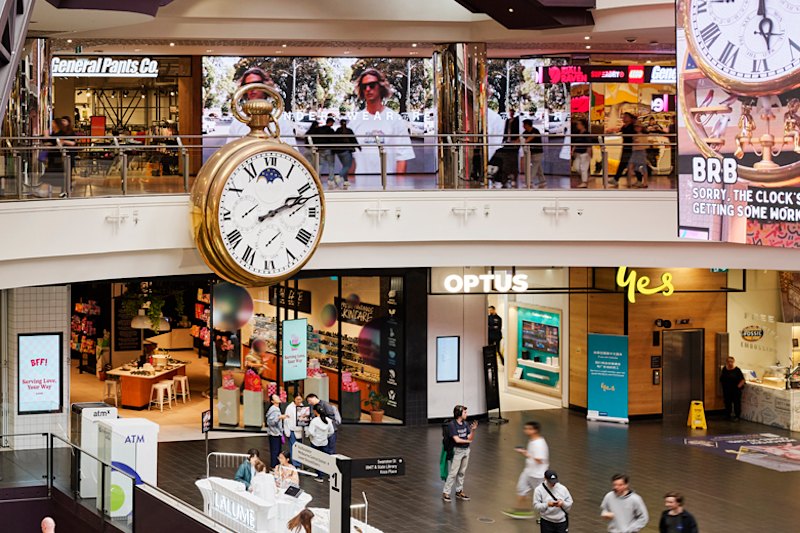
Located in Chadstone Shopping Centre’s Social Quarter, Playback96 is an immersive entertainment destination that draws on the decade’s distinctive culture, specifically 1996. It combines interactive games, a bar and themed decor designed to transport guests to an entirely different era.
“We chose 1996 as the centre of gravity because it was an extraordinary year for popular culture, with the Nintendo 64, Tamagotchi, the Spice Girls and Space Jam all arriving,” says Funlab chief executive Blaise Witnish.
“But Playback96 is not confined to a single calendar year. It plays across the whole decade, with 1996 operating as a creative anchor for the name, design and soundtrack rather than a strict rule.”
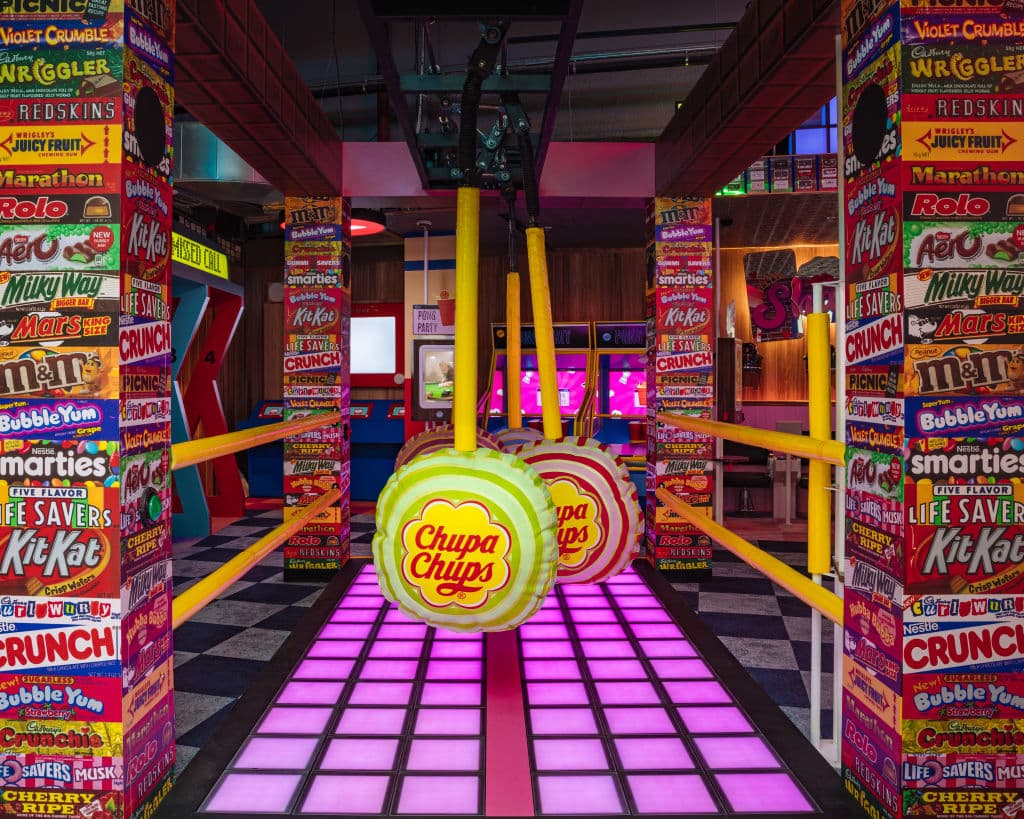
Witnish says the 1990s were chosen not just for their aesthetic appeal, but for their sentimental value for those who grew up in the decade.
“Playback96 was created first and foremost with ’90s kids in mind: people who remember video stores, dial-up internet, Nokia phones, mixtapes and the original versions of many of the cultural references that have since returned,” she says.
It’s far from the only destination tapping into the appetite for nostalgia. The venue’s opening reflects growing demand for analogue experiences at a time when much entertainment and commerce happens online.
Nostalgia fuels specialist retail
Specialist retail is also having a moment as older franchises find new audiences.
Melbourne pop culture shop Minotaur Entertainment stocks a range of collectibles and merchandise, and is seeing renewed interest in franchises from the 1980s, 1990s and 2000s.
“We always see an influx when a big movie or TV series drops – every time a new season of Invincible came out, we’d sell out of everything as soon as it hit the shelves,” says store manager Krystal Lee of the TV adaptation of the early 2000s comic.
“We saw it with the resurgence of [Dungeons & Dragons] thanks to Stranger Things. We’ve recently seen upticks in things like TMNT, He-Man and Transformers, as well as various Marvel and DC characters.”
She says nostalgic products have an intrinsically emotional quality, as they tap into simpler times and the joy and wonder of childhood.
“People get to browse the products, pick them up and think about the memories they associate with these things,” Lee says. “It’s an experience rather than just a transaction.”
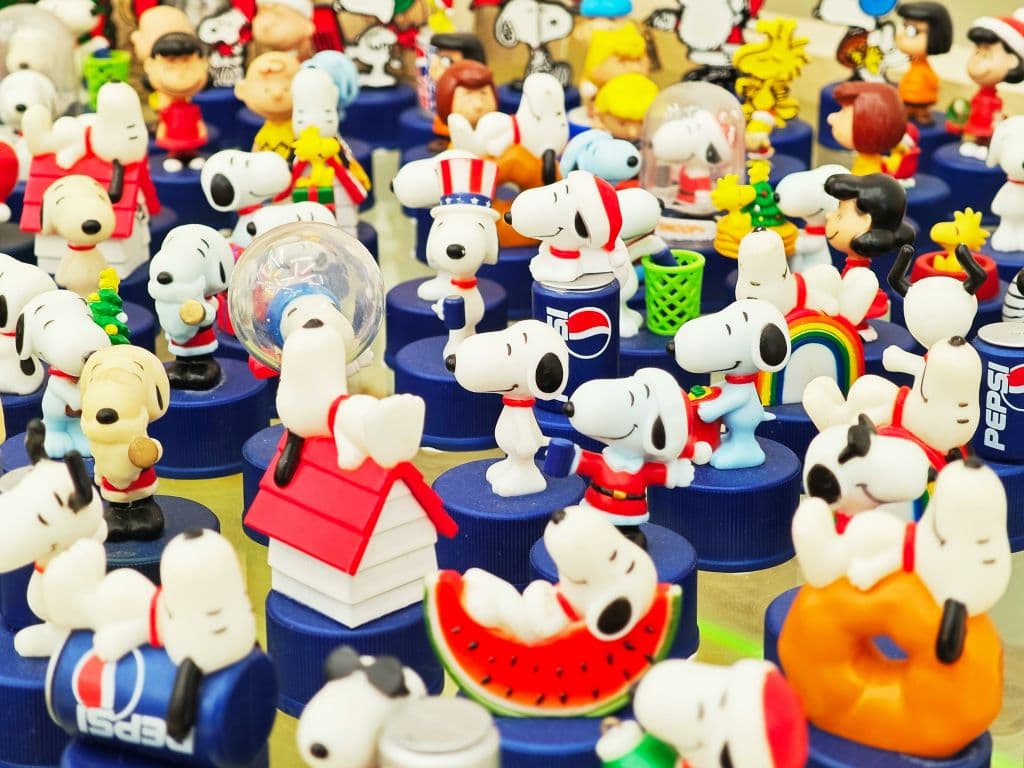
Fellow Melbourne retailer Poppyshop has long traded on nostalgia. The toyshop treats the concept as a fundamental part of its business proposition, not just a passing fad, stocking a wide range of toys, games and activities that have been around for decades.
“Nostalgia is a key reason the Poppyshop has survived this long,” says owner Lisa Kelly. “I think what resonates with people are happy times and simple fun.”
She says Sonny Angels are proving especially sought-after right now, while characters like Miffy, Snoopy, Peter Rabbit and Paddington are always popular.
“[These] really hit a nerve or need with young adults, the now termed ‘kidult’ market,” Kelly says.
Like Lee, Kelly says the physical experience is just as crucial to Poppyshop’s appeal as the products themselves.
“It’s a time where parents and grandparents can show their kids very simple, fun ways to be with each other and talk to each other, simply by introducing board games and card games,” she says. “If the parent enjoys the game or toy, then the child usually will too and they can play together.”
Experiential retail drives footfall
According to Jo Windybank, manager of retail leasing at Colliers, the nostalgia trend is simply part of a broader shift towards experiential retail, with physical experiences becoming increasingly valuable thanks to their ability to foster connection.
“People are craving connection,” she says. “Technology has made transactions easier, but physical retail offers something online can’t replicate – human interaction, atmosphere, discovery and a sense of belonging.”
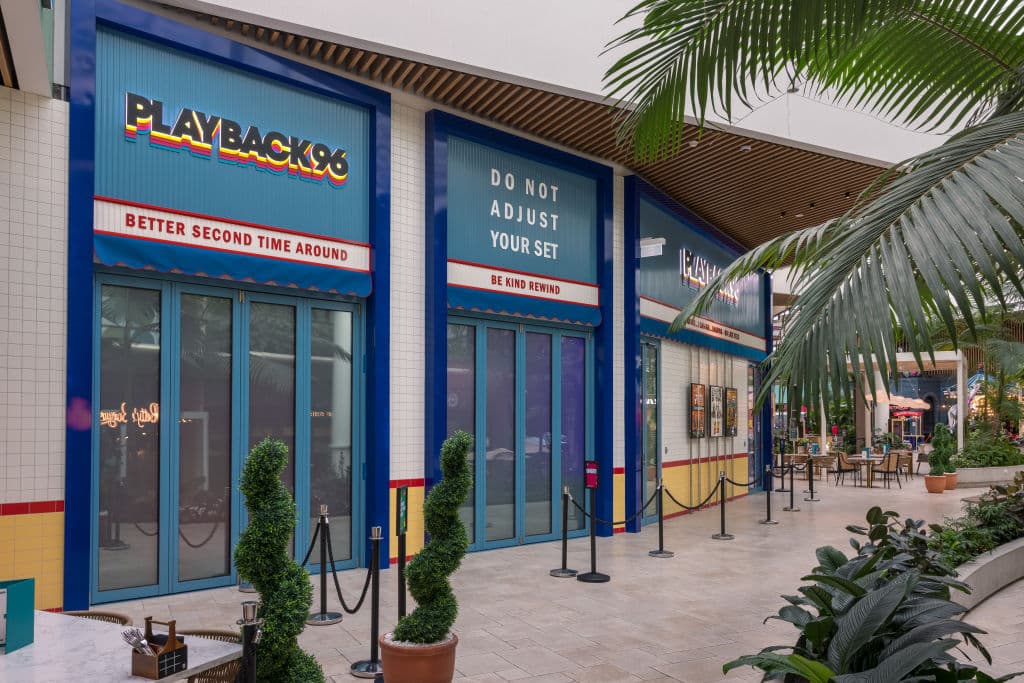
Beyond consumer appeal, Windybank says strong experiential concepts can also attract landlords. Experience-led operators and specialist physical retailers can lure visitors, encourage longer stays and repeat visits, and they can differentiate a retail precinct from its competitors.
“Landlords are increasingly recognising that diversity, and points of difference can make a precinct more competitive,” she says. “An unconventional operator that attracts new audiences, generates publicity or creates a unique experience can add significant value.
“The strongest precincts don’t feel like collections of stores; they feel curated. Consumers are increasingly looking for experiences that are unique to a location, and that sense of discovery gives a precinct its personality.”
Lasting appeal beyond novelty
Despite its charms, Windybank says a nostalgia-led concept alone isn’t necessarily enough to make a destination successful over the long term.
“The most successful concepts don’t simply recreate the past; they reinterpret familiar ideas in a way that feels relevant to a modern audience,” she says. “That’s where the lasting appeal comes from.”
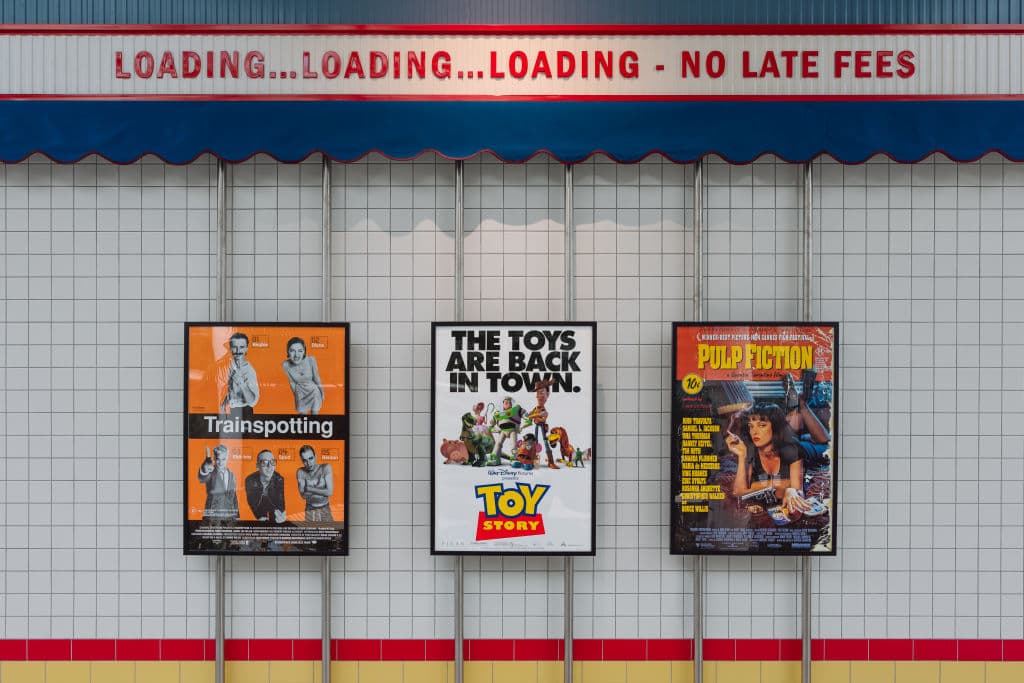
That thinking helped inform Funlab’s approach to Playback96.
“Nostalgia may get someone through the door, but the quality and sociability of the experience are what give them a reason to return,” Witnish says. “The deciding factor will be whether the concept works as an experience after the first wave of recognition has passed.”
For Lee, the enduring appeal comes from Minotaur’s ability to unite customers over shared interests.
“I think it’s important to create a sense of belonging in any retail space; customers should always feel comfortable in the environment and be able to take something home that nurtures their identity,” she says.
It’s that focus on experience and connection that Windybank sees as being a long-term shift in how retailers and other venues continue attracting customers as more transactions move online.
“The specific concepts that resonate with consumers will continue to evolve, but the underlying demand for meaningful physical experiences is unlikely to disappear,” she says. “As digital commerce becomes increasingly efficient, physical retail will continue to centre around experience, connection and community.”