How major events affect the commercial property market
From global stadium tours to city-wide festivals, major events are proving to be more than cultural moments. These major events also serve as significant economic drivers with measurable impact on commercial property performance.
The global influence of Taylor Swift’s The Eras Tour is a large-scale example. On its Australian leg alone, it drew more than 600,000 attendees to the Melbourne and Sydney shows, and is estimated to have injected around $140 million into local economies, driving sharp increases in hotel occupancy, retail spending and hospitality turnover, according to analysis from Tourism Research Australia via Deloitte.
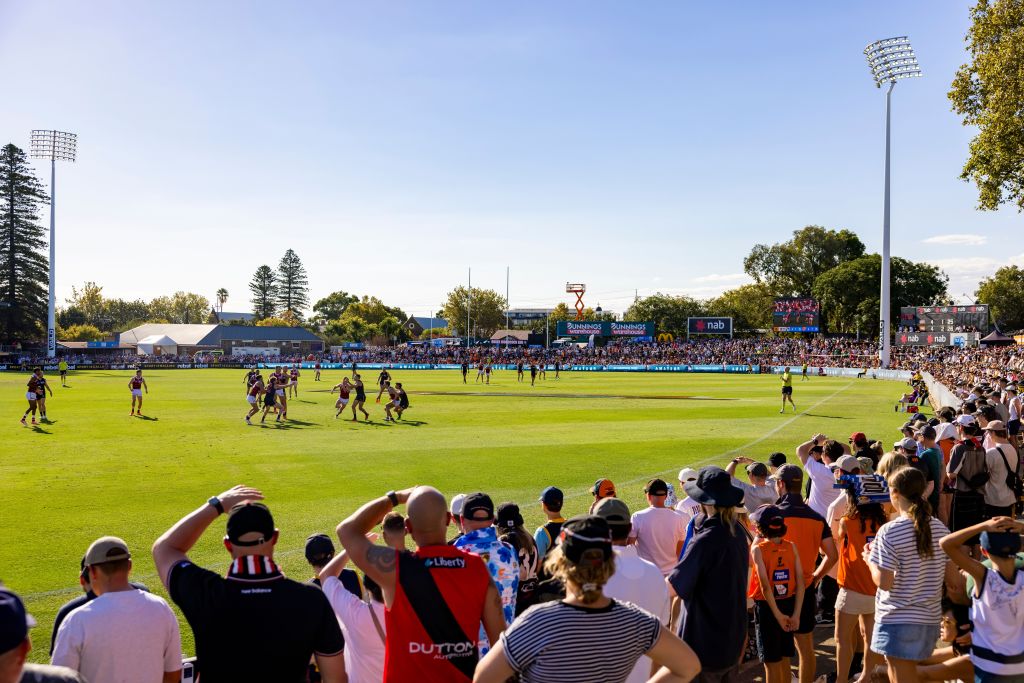
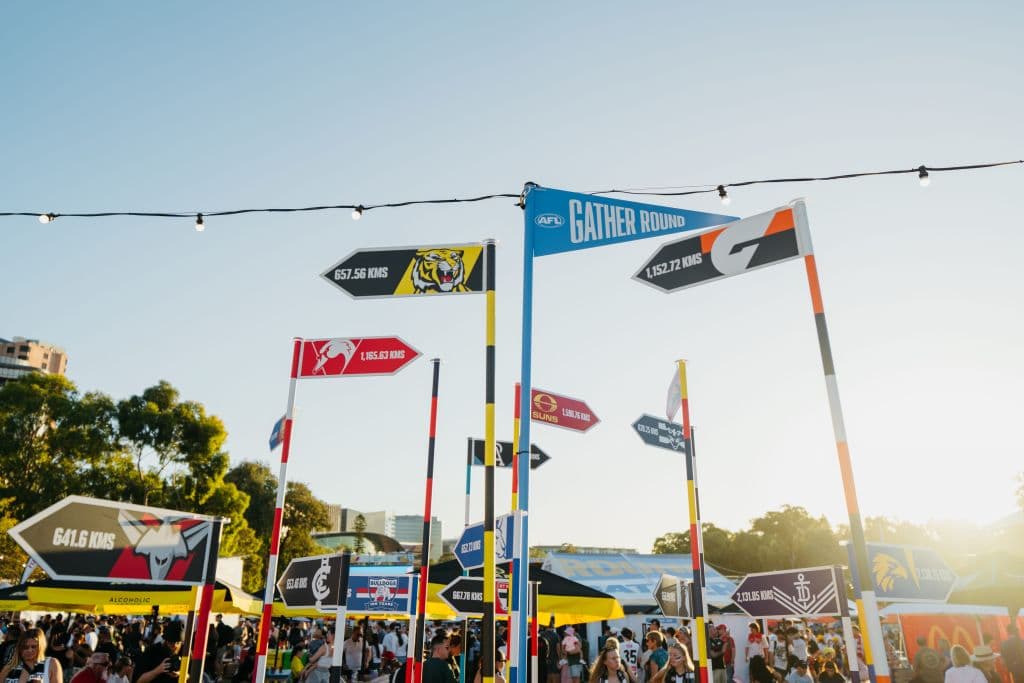
The same pattern is playing out in South Australia, with the AFL Gather Round returning this weekend, and Adelaide preparing for a concentrated surge in demand. In previous years, the weekend-long event has had an economic impact of more than $113.9 million, drawn over 54,000 interstate visitors and generated more than 241,000 visitor nights, according to the Tourism Industry Council South Australia (TiCSA).
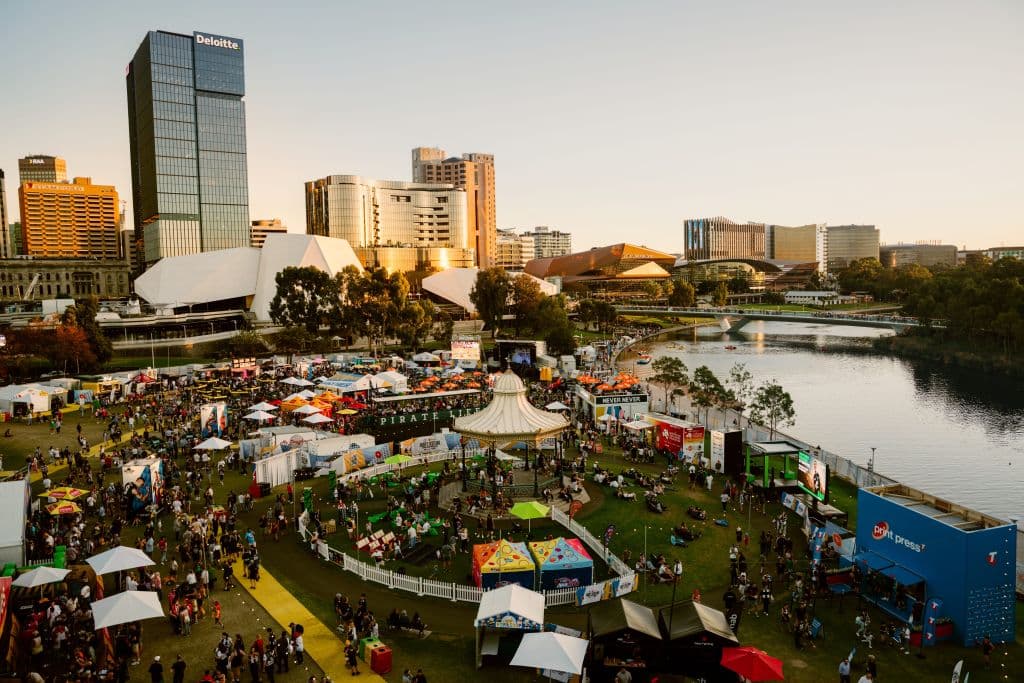
Hotel occupancy reached around 93 per cent across the peak nights and nightly hotel revenue climbed to about $4.6 million, based on data from the South Australian Tourism Commission.
The city’s other major events include the return of LIV Golf in February, and the annual Adelaide Fringe Festival in February and March.
But while the short-term uplift is well established, the more pressing question is whether these events create lasting value or remain largely transactional spikes.
Precincts as performance drivers
The benefits of major events are not evenly distributed as they cluster around established hospitality and retail precincts, reinforcing the role of place-making in commercial real estate strategy.
“Landlords help when they see the value in creating a precinct which can be activated effectively during these major events,” says Simon Kardachi, hospitality operator and founder of Adelaide venues including Omada Bar & Grill, Fugazzi Bar and Dining, Shobosho and Henley House. “A good example is our precinct in Leigh Street and Peel Street in the West End, and the East End also does a great job of working together to activate that area of the city.”
In fact, in March last year, Adelaide’s East End experienced its biggest weekend since the COVID-19 pandemic, with data from the Adelaide Economic Development Agency (AEDA) revealing there were about 249,700 visitors to the precinct between March 7 and 10.
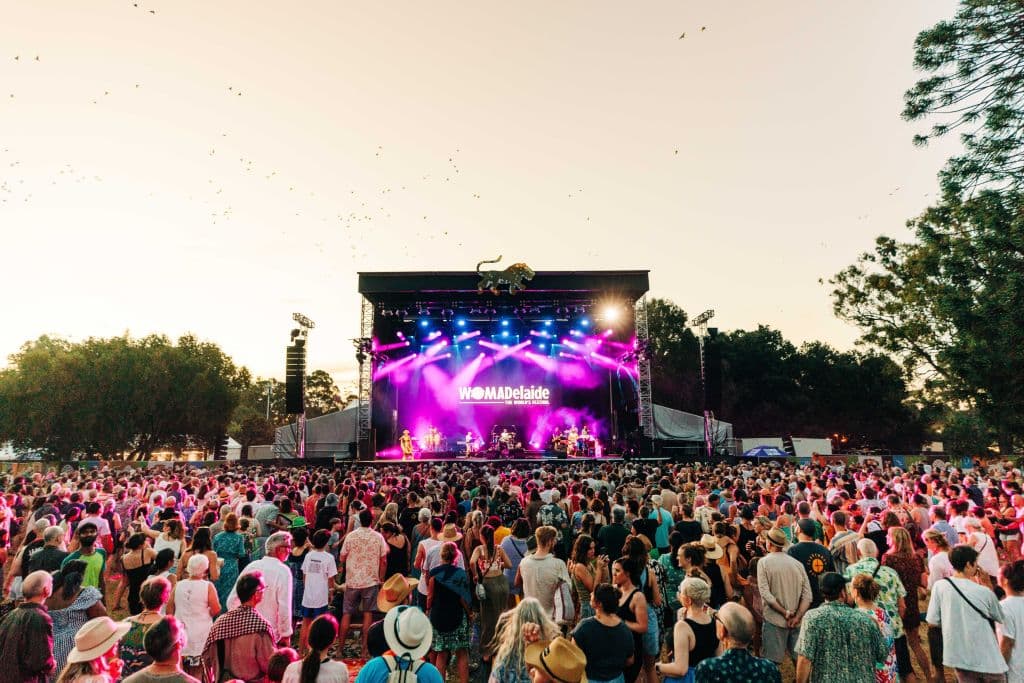
The spike was the result of a number of major events and activations, including the Adelaide Fringe, Adelaide Festival, WOMADelaide, the Adelaide Motorsport Festival, East End Unleashed and the Ebenezer Night Markets.
For property owners, however, the takeaway is that these events alone do not drive value. The surrounding urban composition, tenant mix and public domain determine how much of that demand is captured and retained.
Making a lasting impression
“The immediate uplift in trade around major events is key,” says Kardachi. “Events like LIV Golf, the Ashes and Gather Round bring in visitors who are here for a good time and spend accordingly.”
But Kardachi points to a second-order effect that is arguably more valuable. “Beyond the immediate effect is the shift in perception of our city,” he says. “Many visitors come with neutral or even negative perceptions of Adelaide, and their experience goes above and beyond expectations.
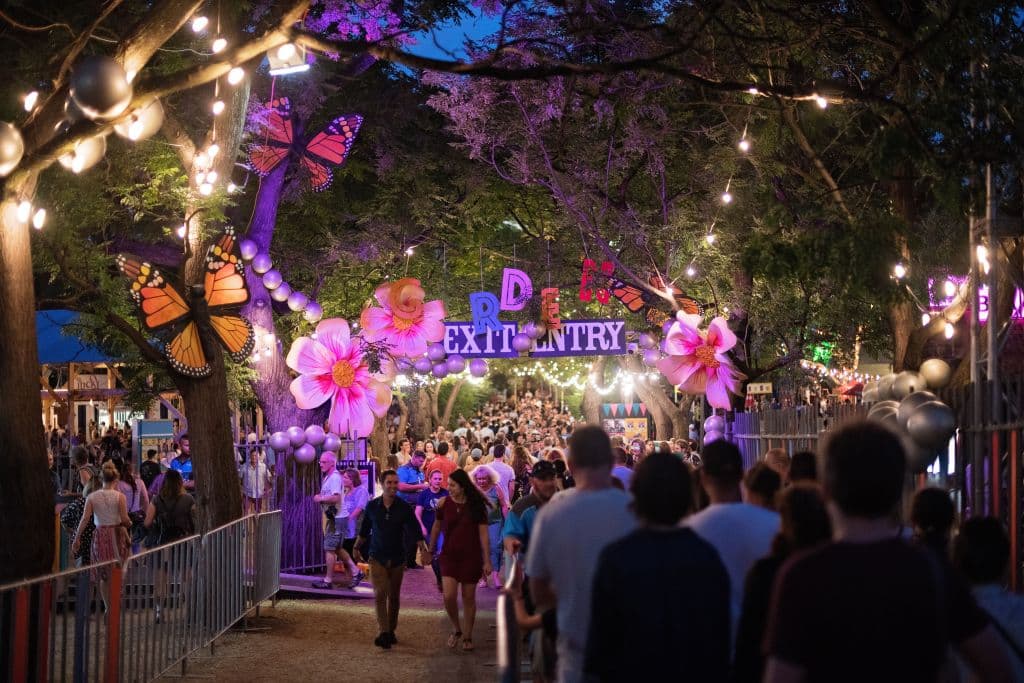
“Events give people a reason to come initially, and the experience they have will bring them back again – and, of course, we think the dining and hospitality scene contributes significantly to that experience.”
The perception shift translates into increased value through repeat visits, longer stays, and sustained demand for space in key precincts.
Beyond the CBD
While the Adelaide CBD captures the bulk of key event-driven spending, the economic ripple effect is increasingly extending beyond capital cities. The AFL and South Australian Government have made a concerted effort to extend Gather Round events into the regions, and it’s paid off.
Nearly $4.87 million in visitor expenditure flowed into the Barossa region alone last year, according to TiCSA, highlighting the growing opportunity for surrounding areas to benefit.
Along key travel corridors, smaller towns are also positioning themselves to capture passing demand. Ahead of this year’s Gather Round, the town of Kaniva, located between Melbourne and Adelaide, has moved to attract visitors by offering free RV camping at the Kaniva Recreation Reserve from April 7 to April 14, encouraging travellers to stop and stay rather than pass through.
The approach reflects a broader shift, with regional communities recognising the opportunity to convert event-driven travel into local economic activity.
From spike to strategy
South Australia’s approach to major events has been deliberate, with a growing calendar designed to drive repeat visitation and sustained economic activity.
“The support and focus given to major events in South Australia has been enormously valuable to Adelaide as a city, because there is an understanding of the broader economic impact these events have,” Kardachi says.
“Adelaide has great capacity to do major events well, in a different way to the larger cities in Australia, and it’s a space we are starting to own and capitalise on. We are appreciative, and long may it continue.”
What’s missing
Despite strong peak performance, challenges remain in converting short-term demand into long-term commercial success.
Spending remains highly concentrated around event precincts, with limited dispersal across the broader metropolitan area. At the same time, not all event-driven expenditure is new, with some representing redirected local spending rather than net growth.
Kardachi is clear that fundamentals still matter. “The Adelaide market still relies on the support of locals consistently all year round,” he says. For cities and landlords, the opportunity lies in bridging this gap by strengthening precinct infrastructure, improving connectivity and extending visitor journeys beyond core event zones.
The real value is in what follows the headline events, including repeat visits, stronger precinct identity and sustained demand. As Adelaide prepares for another Gather Round, the question for property owners, developers and operators is how effectively that impact can be sustained.