How Australia’s transport hubs became foodie hotspots
Until recently, the most you could hope to choose from at your local train station was an average coffee and some sad potato cakes.
But transit eateries have had a major glow up. Commuters can now expect architect-designed fitouts and gourmet food and drink offerings akin to fine dining on the run.
At the five newly opened Melbourne Metro Tunnel train stations, there’s everything from cake and coffee at Brunetti’s Oro to steaming hot ramen at Mr Ramen.
Fast food options McDonalds and KFC are in the mix of course, along with 7/11 and IGA.
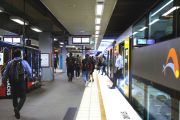
Melbourne’s new underground stations were designed by architects at Hassell, Weston Williamson and Partners and Rogers Stirk Harbour and Partners. While each station is unique, most have colourful wayfinding structures and airy, cathedral-like ceilings in common.
With the obvious high foot traffic and powerful branding potential, food retailers were clamouring to get tenancies at these five new stations.
“Transit is high foot traffic and also a bit of a captive audience, especially for underground tenancies,” said Thomas Macrae, Colliers senior executive in retail leasing.
“I think it’s one of the largest government projects in the last while, so there’s a lot of buzz around it. Nationals want to beat out other nationals to get in there and they want the press behind it and then there’s also the branding and the traffic exposure of those stations.
“It is a very, very competitive process.”
Macrae said Australian transit eateries have taken their cue from major Asian metro stations such as the plentiful train platform soba shops in Japan and Singapore’s massive Changi airport, which houses more than 150 mini-restaurants.
“A lot of major Asian metropolitan stations have gone that route of super premium look, architecturally designed and metro tunnels sort of followed that, learned from that,” Macrae said.
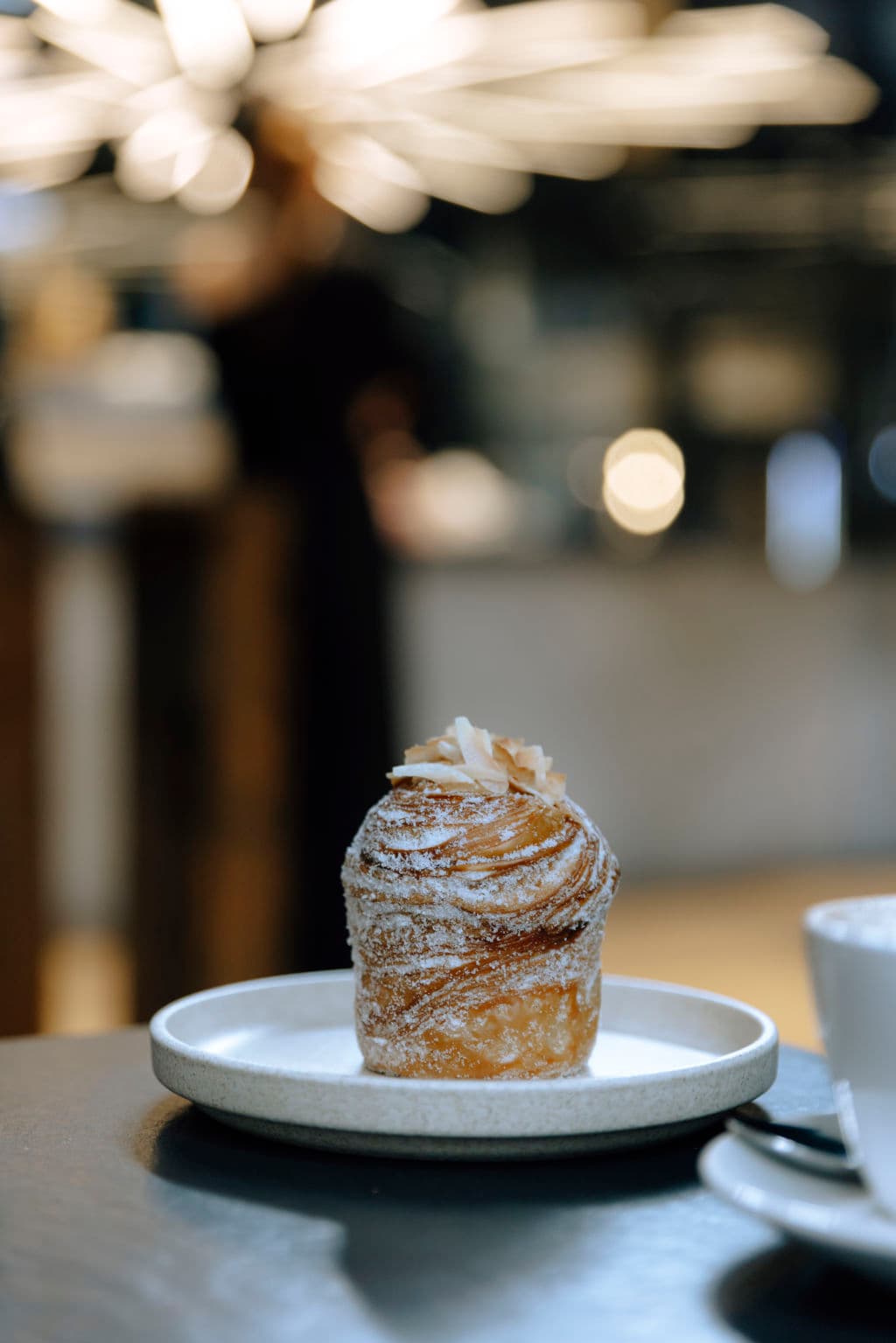
At Sydney’s Martin Place Metro station, hungry travellers with a refined palette can visit LouLou Bistro and croissanterie Lune.
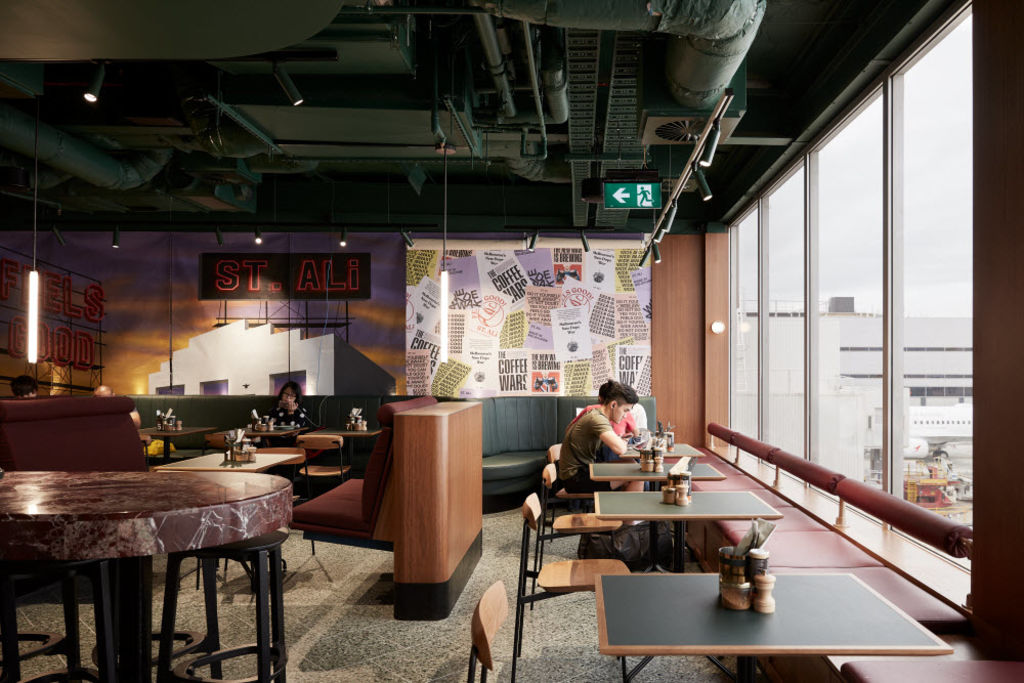
Australia’s airports have set the pace for high-standard food offerings. Luke’s Bistro & Bar by celebrated chef Luke Mangan can be found at Sydney’s T3 domestic terminal, while Melbourne Airport boasts Biggie Smalls by chef Shane Delia as well as St Ali and Pope Joan for coffee aficionados.
Like train stations, airports have a captive market and high footfall to drive reliable demand. But the amount of time people spend at airports is higher than at train stations.
“The key advantages of leasing within these precincts include access to a captive audience and consistently high foot traffic,” said Daniel Radle, Cushman & Wakefield’s head of retail leasing and management Australia New Zealand.
“However, outside of airports, the dwell time at major train stations is typically limited and footfall can vary significantly between peak and off-peak periods.
“While results vary, generally north of 50 per cent of people eat at the airport.”
Premium pricing is a given at transit eateries with consumers looking for a convenient bite to eat on their way home or a quick sit-down meal with a work mate.
“Landlords are becoming increasingly sophisticated in curating an optimal tenant mix aligned to target audiences, with a greater emphasis on QSR (quick service restaurants), convenience and service-based retailers to maximise overall performance,” Radle said.