Heritage Hobart sandstone stunner sells for 'cost of a three-bedroom house in Melbourne'
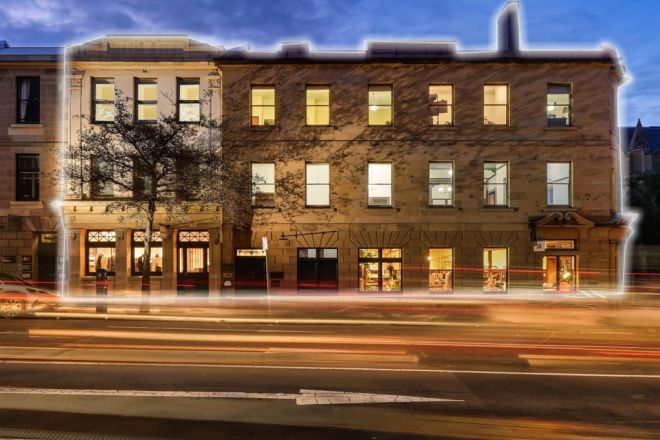
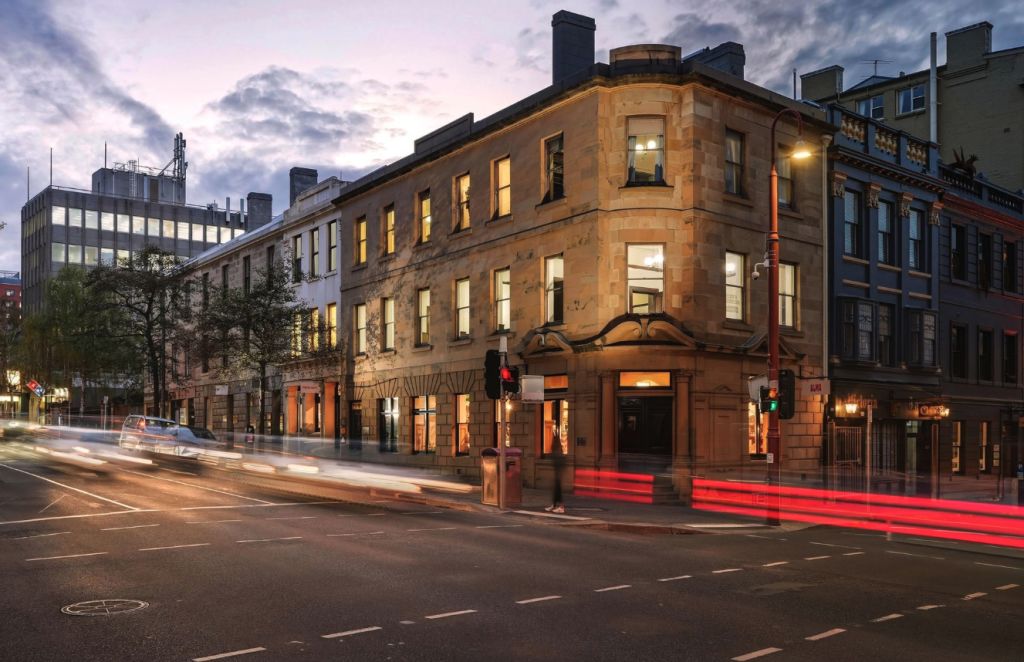
A mid-19th-century sandstone icon with a commanding corner presence in Hobart has sold for $2.515 million.
The “exceptional landmark” featuring beautifully preserved Georgian and Victorian architecture at 127-131 Macquarie Street, sold following a four-week expressions-of-interest (EOI) campaign with Ray White Commercial Tasmania, representing a sub-four per cent yield on passing net rent on the office and retail space.
Listing agent Hayden Peck says the retail and office building, spanning 478 square metres on a 257-square-metre land parcel on one of the city’s most prominent streets, attracted strong interest from international, national and local investors who value authenticity and history.
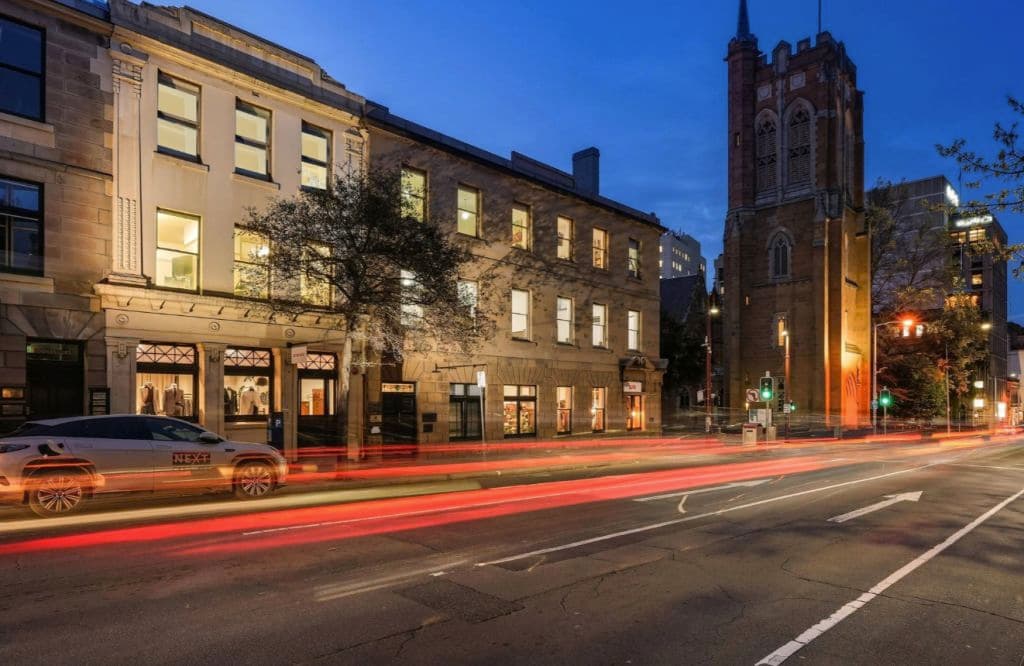
In the end, Peck says a local buyer clinched the deal. They were drawn to the site’s corner location, colonial heritage and mixed-use tenancies, and signed a clean contract a week after the EOI closed.
“It’s just a lot of building for the money,” Peck says.
“The yield is sharp, but replacement value would probably look like $10 million – if you could find the stone masons, which you probably couldn’t.”
He says the unimproved block of land itself would be worth $2 million.
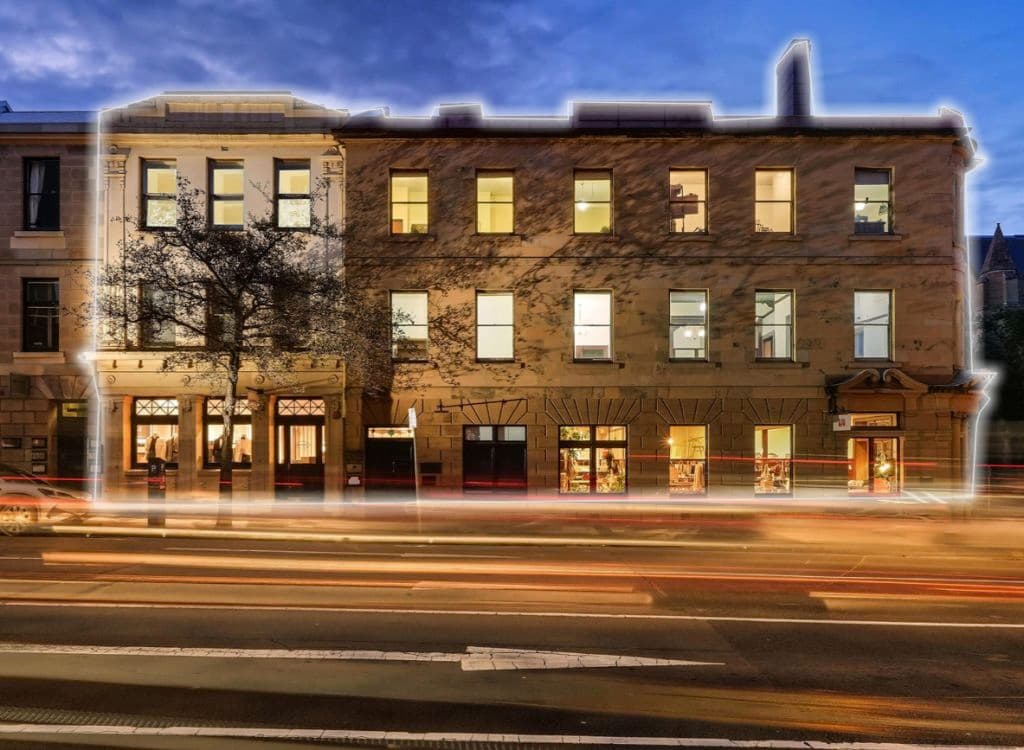
The property – held by the same dedicated owner for more than 20 years – last sold for $750,000.
The sale indicates strong interest in high-quality Hobart heritage assets that preserve the city’s early mercantile history.
“Properties of this calibre are never simple transactions; they’re significant transitions, sought after by buyers who appreciate Tasmania’s heritage architecture and the stories woven into these walls,” Peck says.
“We’re thrilled to see it purchased by a local investor who we’re confident will honour and preserve its legacy for years to come.”
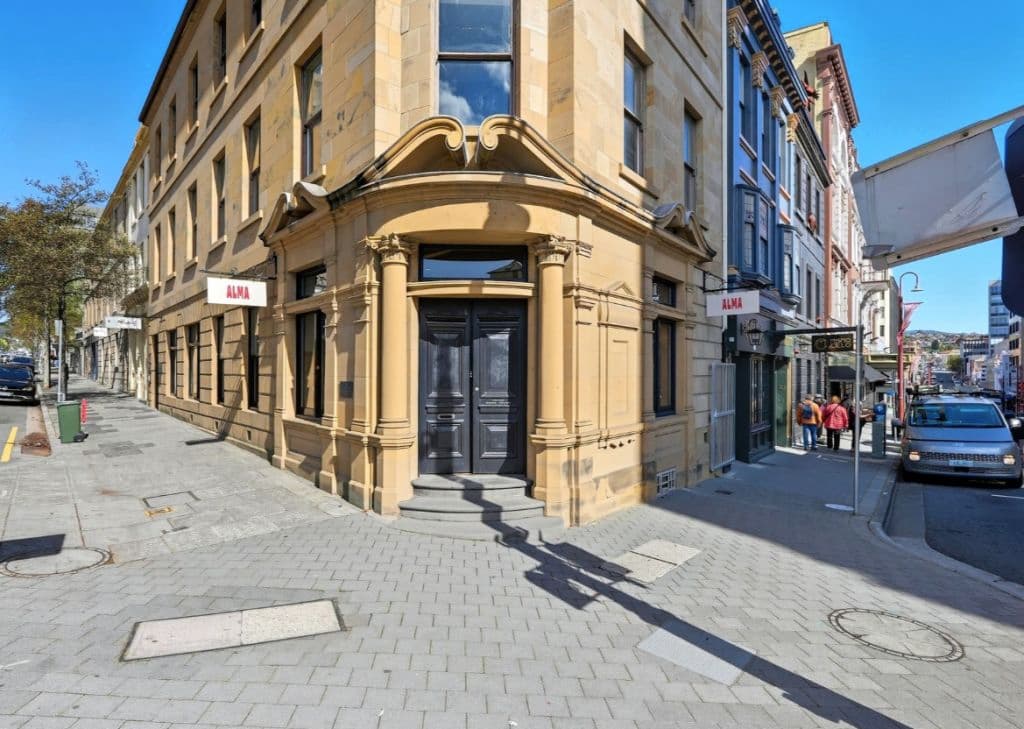
The site is within walking distance of Parliament House, St David’s Park and key civic institutions.
“It’s superb… and it’s ready for someone to throw some love into it,” Peck says.
While the new custodian plans to maintain the status quo, they plan to allocate capital to refurbish it.
“They’re going to continue to use it very much as it has been,” Peck says. “But they will upgrade the building … refurbish it, but not detonate or gut the whole thing and take it to alternative uses. It’ll still be retail on the ground, offices above.”
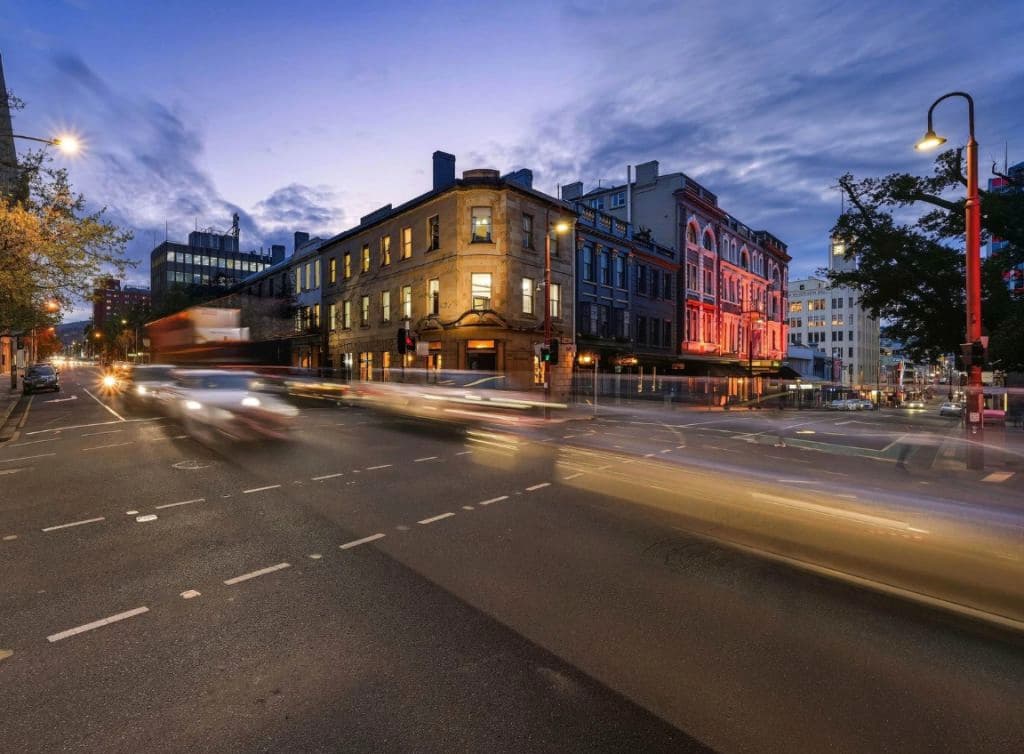
The property’s sharp yield doesn’t tell the full story, Peck adds, offering his perspective on the deal’s value compared with a basic structure interstate.
“You look at the metrics, and you say, well, below four per cent yield is too sharp, but it doesn’t paint the full picture of what it is,” he says. “You’ve got a beautiful corner location that can’t be replicated for little more than the cost of a three-bedroom house in Melbourne.
“If you bought a $2.5 million house in Melbourne and rented it out, you’d be getting a sub-one per cent return, if you were lucky.”
The property includes two ground-floor retail tenancies, two levels of versatile office accommodation above, and an expansive basement – a layout that has remained both functional and adaptable across nearly two centuries of evolving city life.