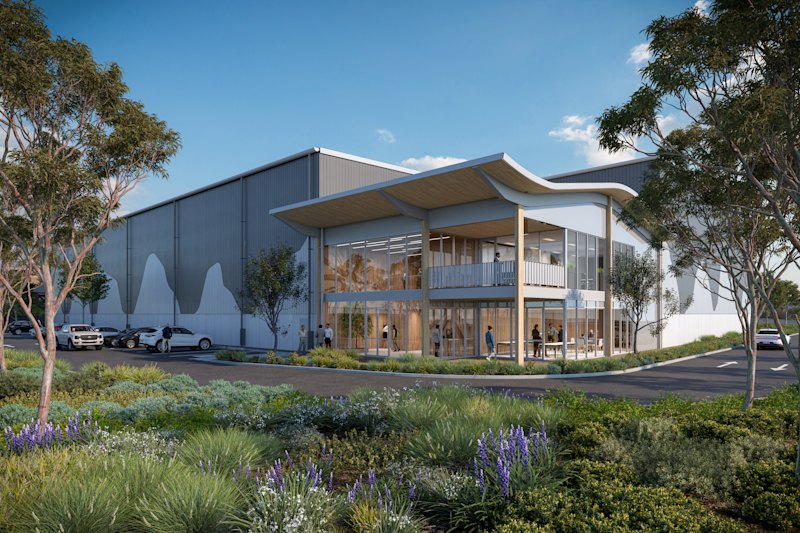
Goodman scraps $1.2 billion Sydney data centre amid backlash
Community opposition is set to become a major hurdle for future data centre development in Australia after the cancellation of a $1.2 billion, 90-megawatt facility in Lane Cove West, Sydney.
Goodman Group withdrew its application for Project Mars this week, citing “the policy and regulatory environment” and “views of the local community”.
This followed a concerted effort by local residents to oppose the data centre, which was to be located about 20 metres from the nearest home and 160 metres from a primary school.
An online petition organised by the Lane Cove community attracted more than 3200 signatures and more than 374 public submissions – the highest number recorded for a NSW State Significant Development data centre application – with only nine in support.
Project Mars was opposed by residents, sporting clubs, environment groups, the 1st Lane Cove Scout Group, the Lane Cove West Public School P&C and the Lane Cove Council, who cited a range of concerns about noise, water use, diesel generators, bushland, the Lane Cove River and the site’s proximity to homes, schools and parks.
Growing community pushback
It’s the latest in a series of data centre withdrawals around Australia. The $600 million GreenSquareDC project in Hazelmere, 15 kilometres east of Perth, was shelved in May after local backlash, as was a $4.8 million data centre in Katoomba, in the Blue Mountains, in June.
Other data centre developers and communities near proposed sites will be taking note of these outcomes, says associate professor Ehsan Noroozinejad, principal researcher in sustainable and resilient infrastructure at Western Sydney University.
“Data centres are essential to our future economy and productivity, but that does not make every location appropriate,” he says.
“The lesson is clear: community concerns must shape decisions from the beginning, and residents’ well-being must take priority over developers’ commercial interests.
“I expect it will give other communities greater confidence to speak up and challenge unsuitable proposals.
“People deserve clear answers about noise, water use, electricity demand and impacts on their neighbourhoods.”
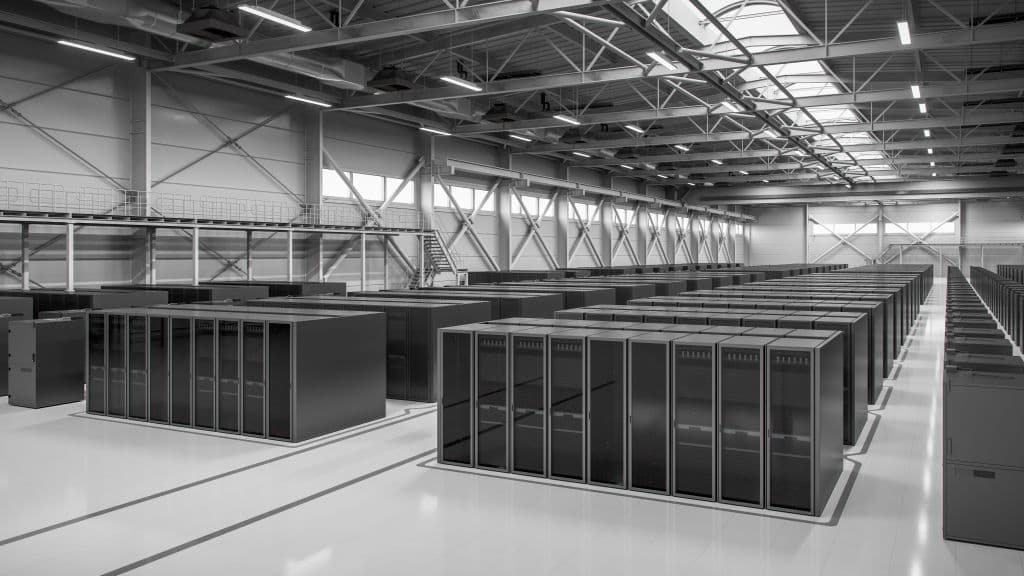
Lower residential density could make regional locations a more viable option for future data centres, Noroozinejad says.
“It may encourage developers to look more seriously at regional locations, especially where suitable land, clean energy and strong connections are available,” he says.
“But moving outside Sydney does not automatically make a project sustainable. Water availability, grid capacity and exposure to floods, bushfires and heat still matter.
“Regional communities deserve the same protections and influence over decisions as suburban residents.”
Balancing investment with regulations
State governments are walking a tightrope between attracting data centre investment and introducing new planning regulations to restrict water and energy use and protect local residents.
Under a strategy announced this month, data centres in Victoria must be built 150 metres away from homes, schools and childcare centres.
And in NSW, a policy announced last month ensures data centres will pay for the electricity network upgrades they require, so extra costs aren’t shifted to households and small businesses.
Data Centres Australia chief executive Belinda Dennett said community standards are changing alongside new regulations and this may slow data centre development across the country.
“Until there is more certainty around where policies and regulations will land, it is likely we will see more data centre customers, investors and developers adopt a wait-and-see approach to Australia,” she says.
“Data Centres Australia supports a national approach to regulations and more engagement with communities, and has called for streamlined approval processes.
“But data centre customers and investors have choices, and many countries are actively encouraging investment.”
There are 165 operational data centres in Australia, with $26 billion in future data centre investment forecast by 2030.