
The construction of a long-awaited extension above Melbourne Central, in the heart of the city’s CBD, will get under way this year as its owner, the ASX-listed fund GPT Group, steps up investment in the country’s most productive mall.
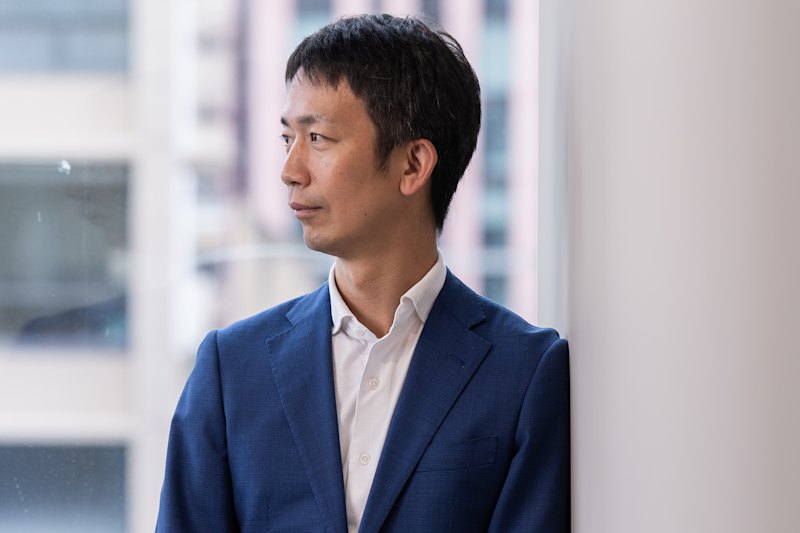
The announcement accompanied GPT’s 2025 full-year results, at which chief executive Russell Proutt flagged a 4 per cent rise in earnings in guidance for the coming year.
The $9.6 billion company, both a landlord in its own right as well as the manager of major property funds and individual mandates, had already bumped up its expectations during 2025 for the year ending December 31 when, as Proutt put it, “everything was firing on all cylinders”.
“We started the year with 1 to 3 per cent growth and ended the year at 5.5 per cent. We upgraded twice. You don’t always get to do that in a [financial] period,” he said.
That bullish outlook carries into 2026, backed by a $5.4 billion increase in GPT’s assets under management to $39.8 billion, with much of that won through its retail property arm.
“Retail was already very strong in our business, and then during the course of the year, we added $5 billion of assets and still delivered great performance and great earnings,” Proutt said.
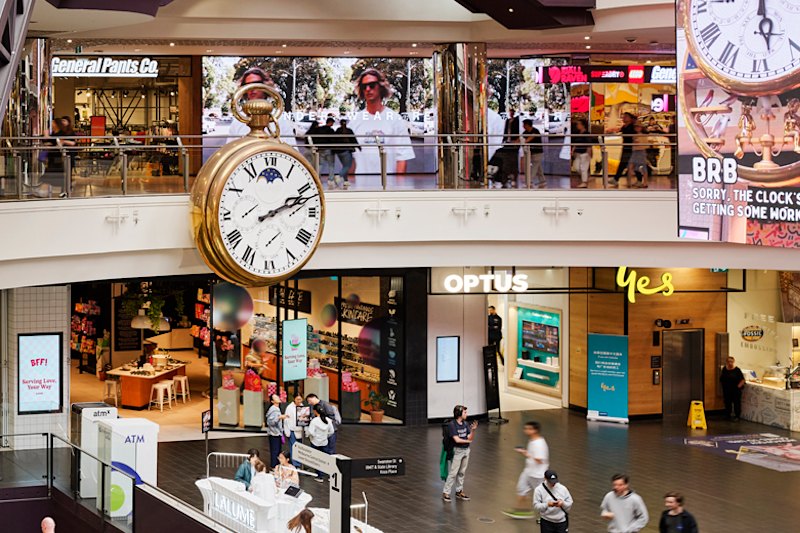
With nearly 56,000 square metres of retail space, Melbourne Central is dwarfed by some of the country’s biggest suburban malls, but its space is the country’s most productive, generating higher income per square metre than any other.
Two more storeys will soon be added above the mall, to be occupied by a yet-to-be-announced major retail brand and food court.
Further below, GPT is encouraged by the pulling power of the freshly refurbished Hoyts with its luxury cinemas, a so-called “four-dimensional” venue with seats that shake with the cinematic action and an IMAX screen. By the end of March, it will also host the country’s largest LED screen.
The Melbourne Central redevelopment is quite a step down from the 12-storey timber extension GPT once considered under the previous leadership eight years ago. At $170 million, the cost of redevelopment is just a fraction of the centre’s $1.6 billion value.
“From a risk perspective, it’s actually relatively moderate,” Proutt said. “We’ve got a great asset base, and if we can enhance them to better meet the customer requirements and improve the value of the overall asset – we’ll do that all day long with those kind of metrics.”
GPT’s portfolio spans malls, office towers and warehouses, and its funds from operations – an industry earnings standard – rose 5.5 per cent in 2025. It posted a turnaround statutory profit of $981 million, after portfolio revaluation gains were booked.
Just over $12 billion of its commercial property portfolio is held on the balance sheet, and the rest, more than double, is controlled through its management business via two major funds and individual mandates. That represents another growth opportunity, according to Proutt, and GPT has already struck a nearly $1 billion partnership with a Canadian pension fund last year.
It is looking to bring an investment partner in for one of its biggest deals last year – the acquisition of an $860 million half stake in Sydney’s office landmark, Grosvenor Place.
“We want to use our capital and invest alongside our partners; not just be a fund manager, but be more of an investment manager,” Proutt said.