Final chance for retail or office tenancy at Footscray’s $1.5b 'people’s hospital'
As the new $1.5 billion Footscray Hospital approaches completion, the precinct known locally as “the people’s hospital” is entering its final leasing phase, with just one tenancy remaining in one of Melbourne’s most sought-after mixed-use health and education developments.
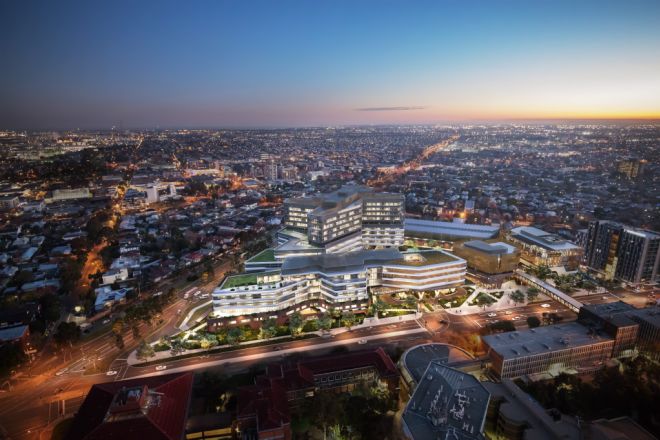
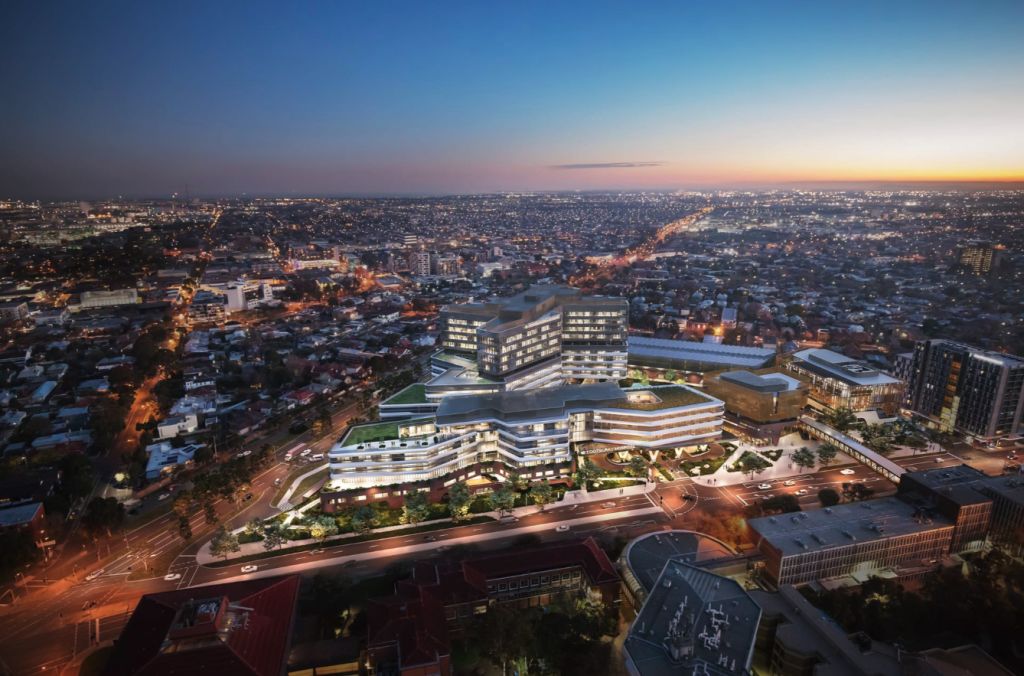
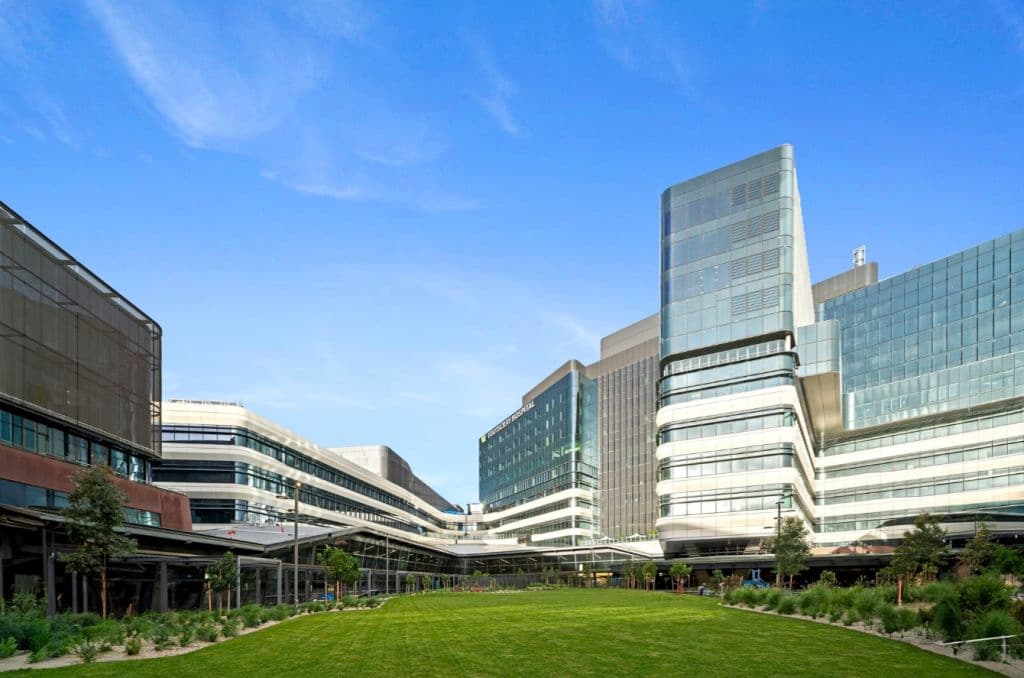
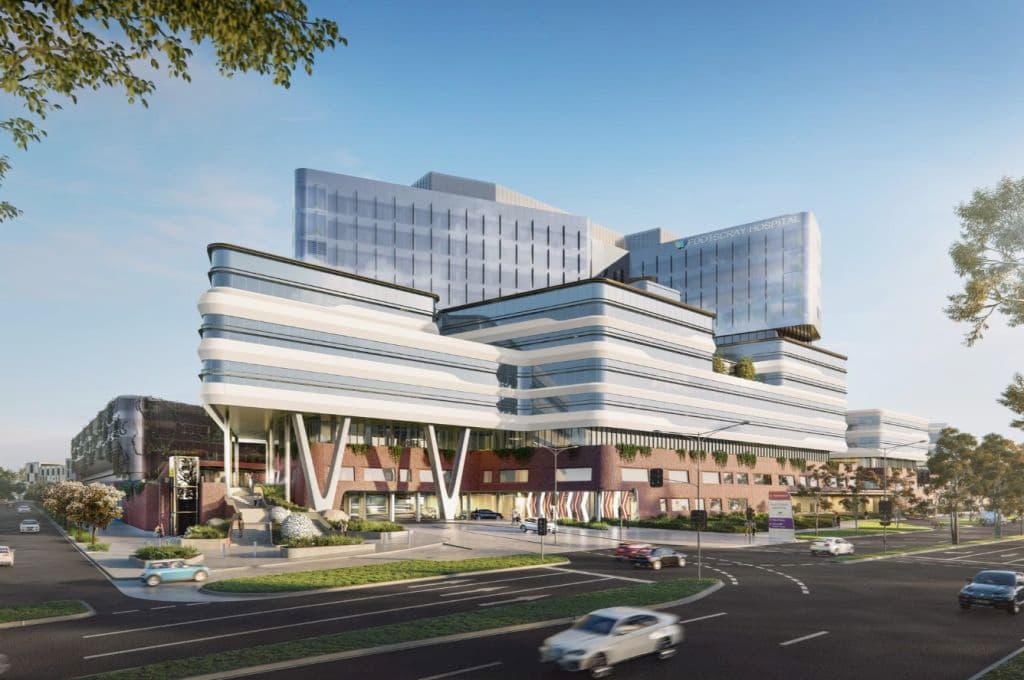
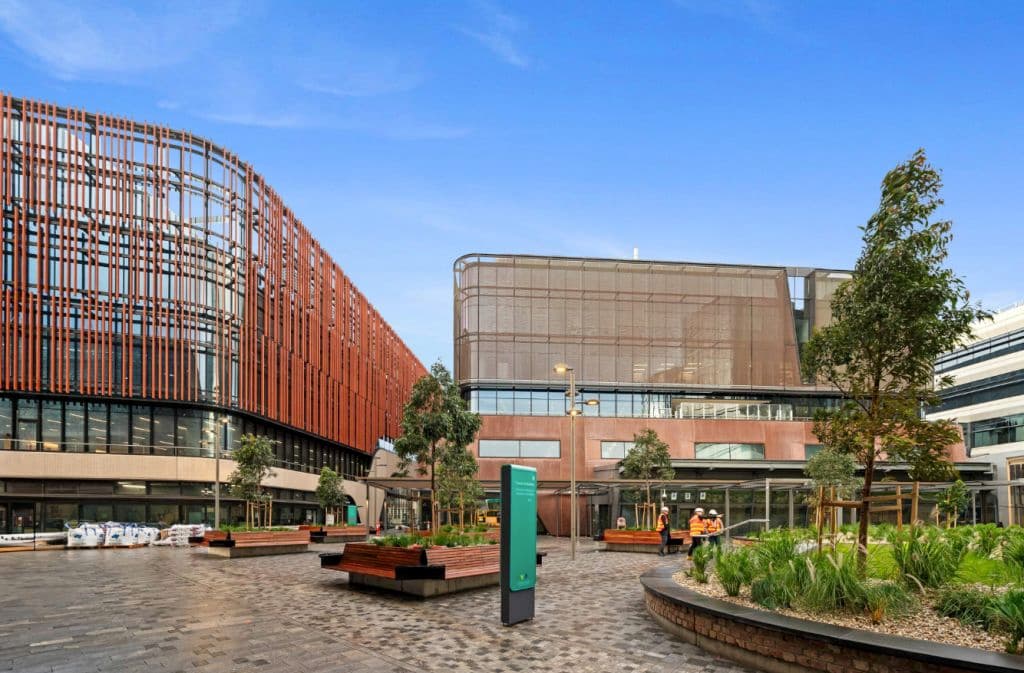
The 3.9-hectare hospital precinct, which spans 10 levels across five buildings, sits on the corner of Ballarat and Geelong roads in Footscray, about nine kilometres west of the CBD.
The project, delivered in a private-public partnership by Plenary Health alongside Western Health and the Victorian government, is scheduled to open on February 18, redefining hospitals as we know them. It is one of the largest health infrastructure projects in the state’s history.
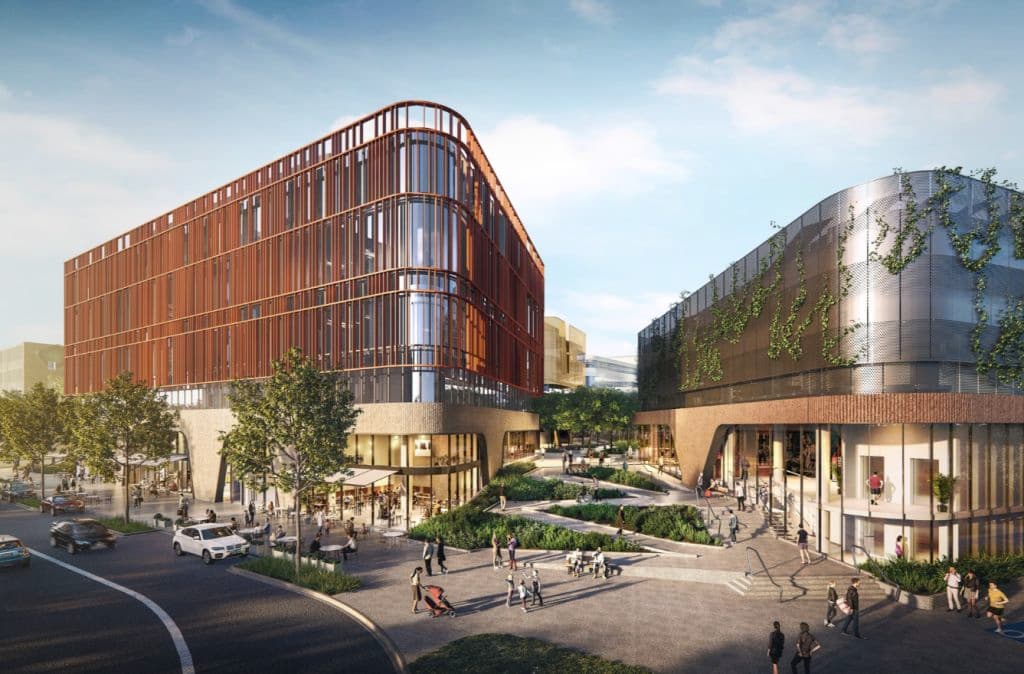
The commercial leasing campaign, co-listed by Fitzroys’ James Lockwood and Franklin Gikas, in conjunction with Mitchell Humphreys of Future Proof, has seen overwhelming demand, with businesses competing for their chance to set up in a high-foot traffic, community-facing space bursting with retail, hospitality and lifestyle offerings, including well-known food outlets, a Victoria University campus, allied health services, a pharmacy and a gym.
“There’s been a noticeable shift in expectations … people expect higher-quality and broader offerings at hospitals,” Lockwood says.
He says the initial hospitality campaign generated a huge response, with hopefuls putting significant effort into presentations when being considered for inclusion – some submitting 100-page tender-like documents.
“We saw something like 45 expressions of interest,” Lockwood says. “It was just a matter of sorting it out as a tenancy mix.”
A curated line-up of high-performing operators
Every hospitality tenancy is now committed, anchored by a diverse mix of operators selected to reflect community needs, Footscray’s cultural identity, and the hospital’s strong focus on health.
The offerings represent a major shift away from the “old hospital cafe” vibe, Lockwood says, with high-quality, suburban-style venues replacing it. “They’ve got all these fresh salads, they’ve got coffee bars, they’ve got juice bars.”
The precinct’s main 700-square-metre cafe – the largest food tenancy in the development – will be supported by two satellite kiosks run by Continental Hospitality Group. The family-owned business also operates venues at the Victorian Comprehensive Cancer Centre, Victorian Heart Hospital, Epworth Box Hill and NAB Docklands.
Schnitz, a fast-casual dining brand specialising in schnitzels, has also secured a tenancy, providing a familiar, high-volume option for staff, students and visitors.
Melbourne’s own Zuppa – described as a wholesome, fast and flavour-focused cafe concept – will bring salads, soups and health-led food options suited to hospital settings. Lockwood says operators like Zuppa “get” the hospital environment and its requirements.
Asian fusion operator Alleyway Kitchen, known for its noodle dishes, rice bowls and dumplings, will introduce a modern, street-inspired menu to the precinct. Shuji Sushi, a quick-service Japanese restaurant, will deliver its well-established sushi and bento offerings.
A vital social element will come from Youth Projects, a not-for-profit social enterprise cafe that provides frontline support to disadvantaged young people. Their presence strengthens the hospital’s role as a community-anchored destination.
These operators are spread across purpose-designed food zones, from ground-floor retail spots to staff-focused cafe locations.
Healthy, community-focused food at the core
Lockwood says crafting the mix was about more than filling space.
“With these hospitals, they’re all about sustainability,” he says, noting how operators must understand the hospital traffic-light food system of “red foods, orange foods, green foods”. He says the chosen operators excelled because “the people who get that, just nail it”.
Cultural connection was also deliberately prioritised. “Locals call it ‘the people’s hospital’,” Lockwood says, noting the importance of reflecting Footscray’s diverse community. The team curated a strong Asian presence, though it is missing a Vietnamese element, he says: “We would have loved [it], but we just couldn’t make it work.”
The final retail tenancy
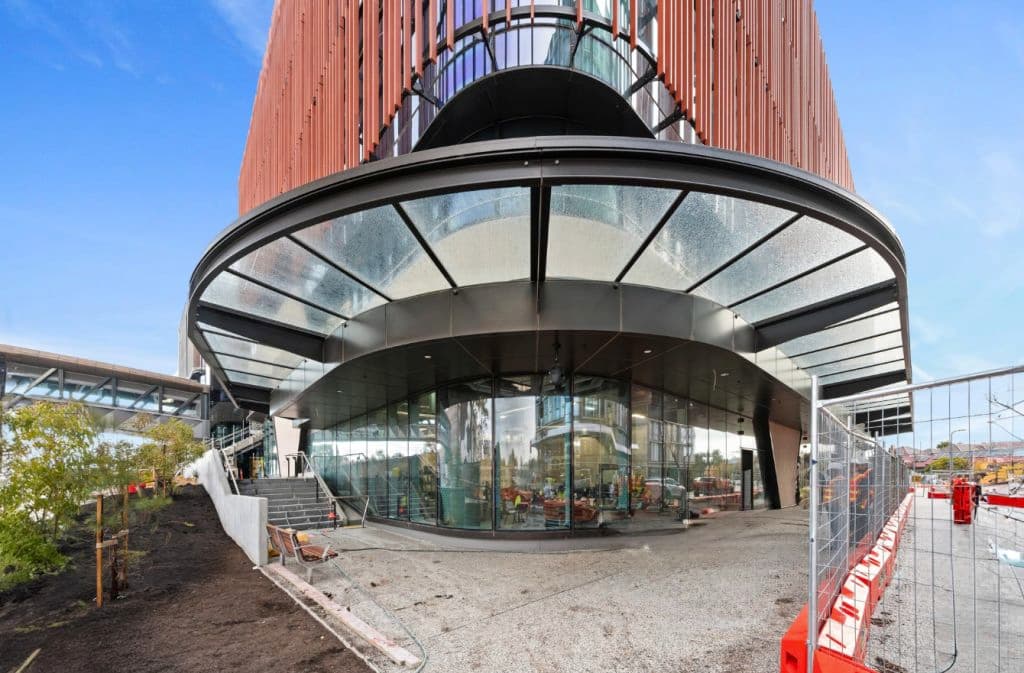
With all hospitality tenancies secured, focus has now turned to the last remaining retail space – an open-plan double-height area of 595 square metres in a prominent, high-exposure position at 1 Tiernan Street, Footscray.
It is a separate building in the new hospital precinct site – which is bordered by Tiernan Street, Federal Street, Geelong Road and Ballarat Road – and features a generous frontage suitable for various uses, including office, showroom, large-format retail or medical.
“It could even be a supermarket-type offering,” Lockwood says.
“It’s an excellent opportunity for medical specialists, allied health providers, or wellness services that complement the surrounding healthcare uses.”
The frontage also allows for showroom or brand experience concepts, such as homewares, furniture or lifestyle brands. It could also suit childcare or creative uses.
Why operators are targeting hospitals
Lockwood says the momentum is driven by a post-COVID shift in operator behaviour.
Before the pandemic, “the golden egg was a lobby cafe in the Melbourne CBD”, Lockwood says, but with office occupancy falling to some of the lowest rates in Australia, operators began shifting focus.
“Everyone wants to get into the hospitals because they know that you’ve got guaranteed staff going through every day, visitors, patients … non-stop people coming through.”
A transformational precinct
The new hospital will deliver more than 500 inpatient beds and support nearly 15,000 additional patients each year, as well as around 20,000 more emergency department attendances annually compared to the existing Footscray Hospital on Gordon Street, an ageing facility with around 290 beds.
The state government is still assessing how to best redevelop the old hospital’s 6.6-hectare site to meet community needs, with options including a new park and the adaptive reuse of a heritage psychiatric building. Most other buildings will be demolished.
“All the staff from the Footscray Hospital are moving over,” Lockwood says, estimating “around 2000 staff just to start with”, and more expected.
Fitzroys says the broader development is helping establish a walkable, connected neighbourhood and foster a growing 24/7 economy in Melbourne’s west.
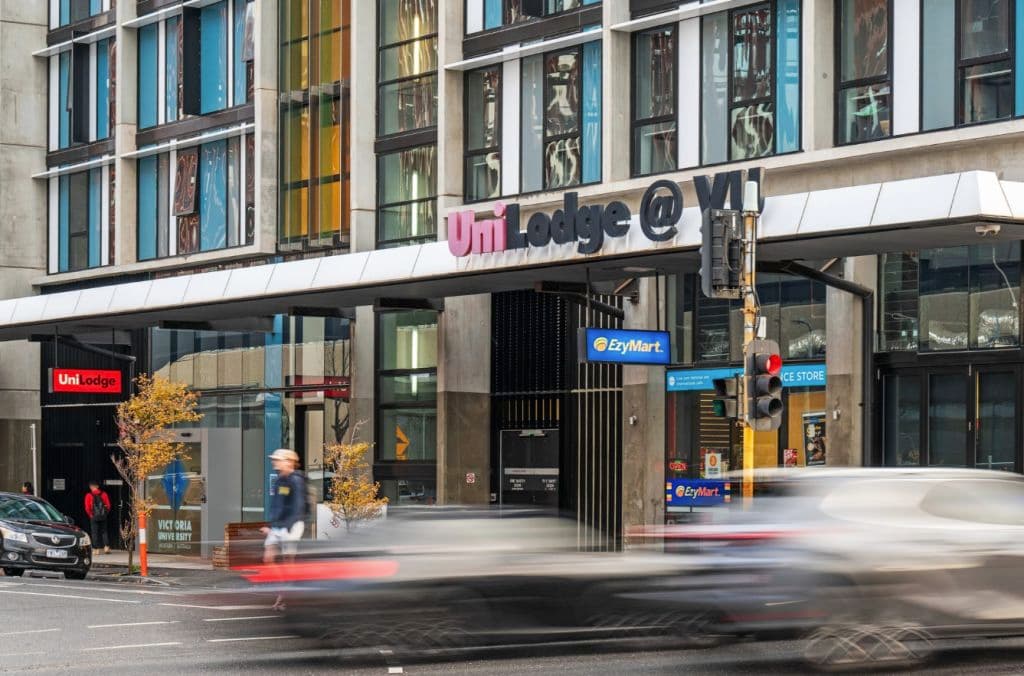
The Multiplex-built precinct will be linked via a pedestrian bridge to Victoria University, where a new 5000-square-metre education and research centre is set to be opened, teaching nursing, midwifery, physiotherapy, speech pathology, dietetics, biomedicine and psychology.
Lockwood says some of the selected operators are “a really good fit” for the large student population who will access the precinct daily.