Commercial property trends for 2026
If 2025 was the year the Australian commercial property market found its footing, 2026 is predicted to be the year its recovery broadens.
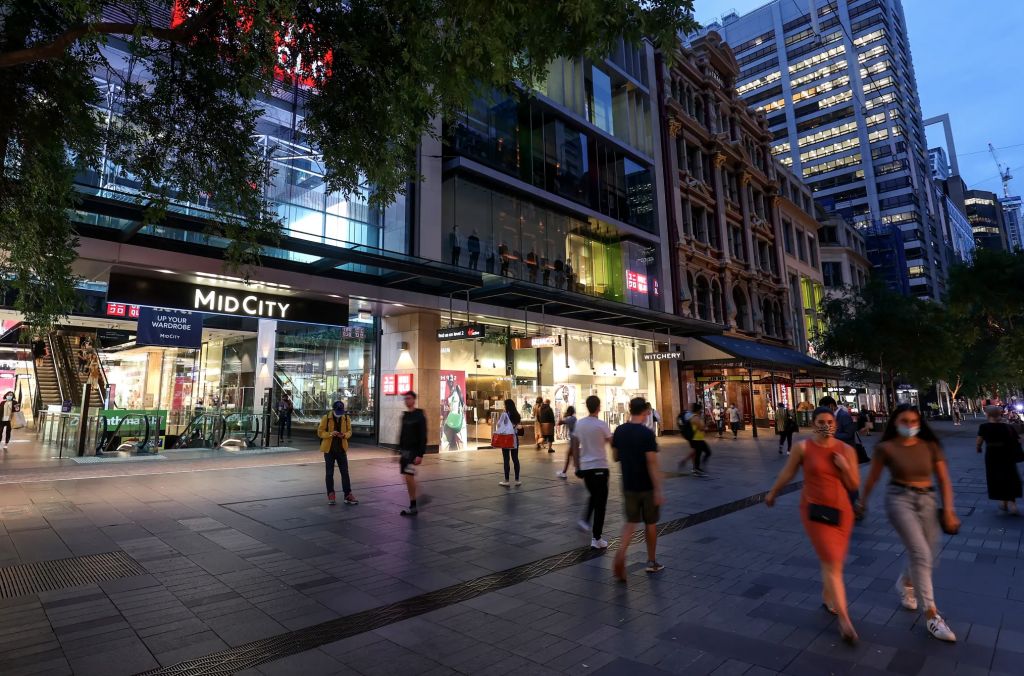
Retail is expected to continue its long-awaited recovery, while offices, which have struggled to thrive in a post-pandemic hybrid working environment, are predicted to start fighting back.
“After leading the market recovery through 2025, retail will maintain its momentum throughout 2026, defying lingering pessimism about the sector,” Ray White Group head of research Vanessa Rader said.
“The combination of constrained supply, steady foot traffic recovery and rental growth will make retail one of the standout performers in 2026.”

Stabilising economic conditions and rising consumer confidence and spending are also tipped to support a new phase of growth for the commercial property sector.
While money for commercial real estate has typically been funnelled into “beds and sheds” – accommodation and warehouse assets – experts are predicting investment opportunities to be more widespread in the coming year.
“Australia’s commercial property recovery is expected to widen in 2026, with conditions improving across more locations and asset types as confidence returns and supply tightens,” Knight Frank’s chief economist Ben Burston said in the company’s Australian Horizon 2026 report.
“Office and retail assets now offer stronger income returns, and rental growth prospects are increasingly positive.
“They are also readily investable and new entrants can acquire large holdings of stabilised assets relatively quickly, to take advantage of the nascent recovery.”
Managing director of industrial and logistics at Colliers, Gavin Bishop, said the commercial property market’s overall prospect in 2026 was positive.
He said confidence was strengthening, liquidity and transaction volumes were expected to lift, offshore capital would remain active and lower interest rates should reinforce pricing stability.
“We anticipate some yield compression, renewed participation from core investors and the early stages of a new development cycle as pre-commitment activity gathers momentum,” he added.
Here are five commercial property trends to watch in 2026.
The industrial sectors set for growth
Industrial has been a solid performer for several years now, with investment volumes in 2025 reaching $6.7 billion – well above long-term averages – according to Colliers.
While the sector has a number of diversified assets, experts are tipping strong growth in three key areas: data centres, cold storage and advanced manufacturing.
Bishop said demand for local, secure data infrastructure was at an all-time high, while demand continues to exceed supply.
He highlighted the urgency and opportunity for strategic investment in digital infrastructure.
“The data centre market’s significant imbalance between supply and demand is creating both pressure and opportunity, particularly for investors and developers looking to capitalise on a sector undergoing rapid transformation,” he said.

Knight Frank’s Burston called out the increasing demand for cold storage facilities as one to watch in 2026, following an 18-month program of rejuvenation works to comply with green ratings and energy-efficiency standards that met the expectations of major corporate tenants.
“The associated uplift in newly built, speculative and retro-fitted cold storage facilities has struggled to keep up with demand, in contrast with the wider market,” he said.
“Rental uplift has been uniform across the markets, with the underlying cost to construct the facility a greater influence on rental price, in contrast to location. Rents of $350 per square metre-plus net are no longer considered unusual.”
Burston specified two other industrial sectors set for growth in 2026.
The third-party logistics sector, though relatively quiet this year, would see renewed focus thanks to automation and delivery infrastructure; and the on-shoring of essential materials, or manufacturing, would begin to impact the market next year due to “post-COVID ambition, spurred by Trump-induced trade uncertainty (and) the federal government incentives such as the $15 billion National Reconstruction Fund,” he said.
“The major targets, and likely success, will be limited to industries such as advanced manufacturing, green energy, and critical technology where Australia’s high-cost and highly-skilled workforce is a benefit and not a hindrance such as defence, meditech, envirotech and other life sciences.”
Living sectors to become the new institutional darling
Build-to-rent is predicted to become a mainstream institutional asset class in 2026, Ray White’s Rader predicts.
She said significant capital allocators would increasingly be attracted to residential exposure without the direct development risk.
“Purpose-built student accommodation, co-living and modern boarding house will emerge as legitimate sectors as investors recognise the structural under-supply in housing and the defensive income these assets delivery,” she explained.
“Institutional investors will appreciate the residential sector’s inflation-linked income, lower tenant concentration risk and insulation from economic cycles compared to traditional commercial property.”
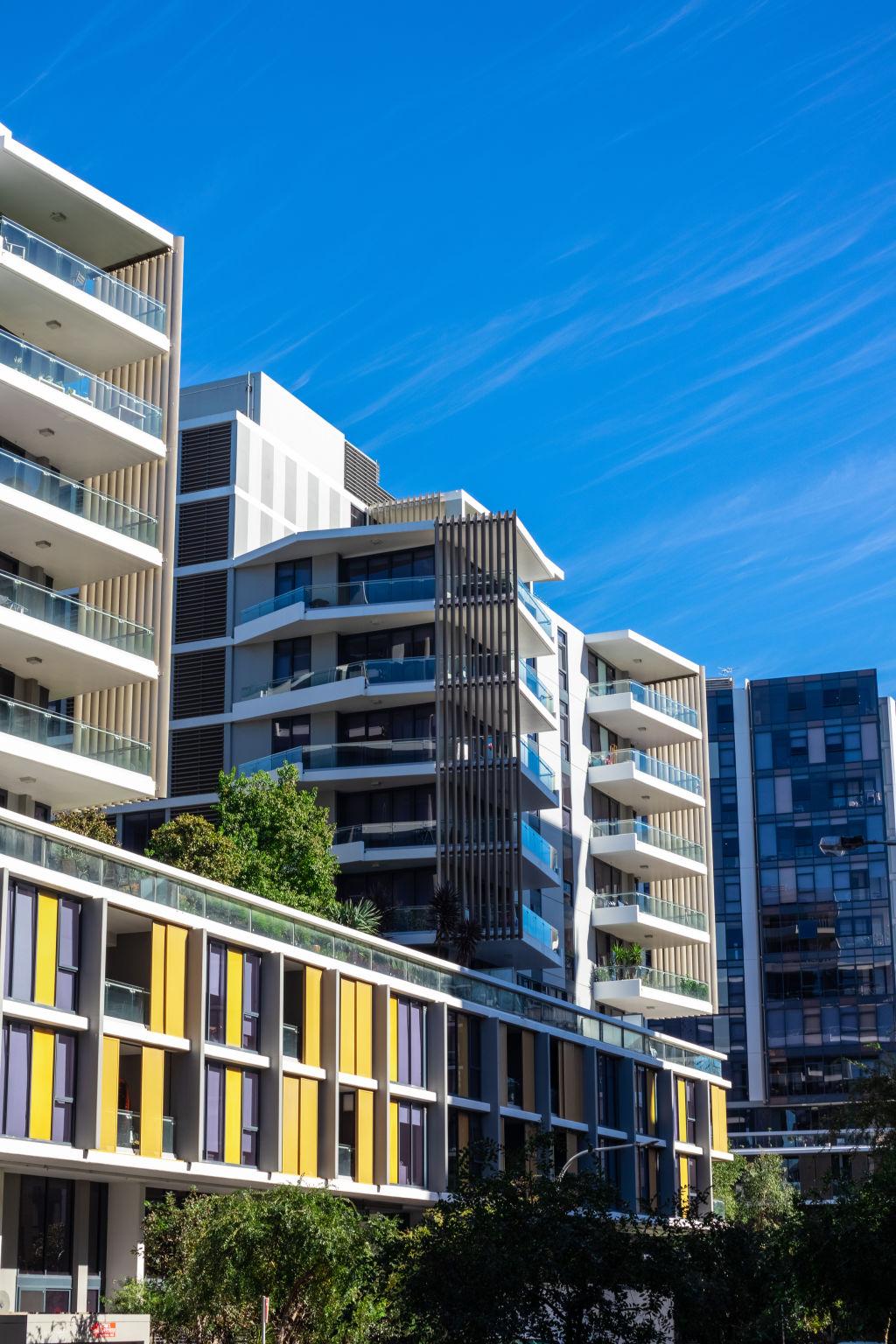
Rader said major superannuation funds and offshore investors would likely announce significant allocations, validating the sector’s maturing in Australia.
Further, government policy support for build-to-rent through tax settings and planning concessions would accelerate capital deployment.
“The lines between commercial and resident investment will continue to blur, with living sector values using commercial property metrics and managed with institutional-grade processes.”
Amid the pressing housing supply shortage, options to build apartments in commercial spaces are on the agenda, said Burton.
Some retail centres are already exploring adding residential components through built-to-rent or build-to-sell projects.
“Rather than signalling a shift away from retail, this reflects a search for complementary growth opportunities than can unlock additional value from well-located sites.”
Major shopping centres the pick of the bunch
While there’s agreement among commercial property commentators that the resilience of the retail sector will continue into 2026, major shopping centres are predicted to be the top performers in the market.
“Dominant shopping centres are best placed to take advantage due to their lack of immediate competition, a flight to quality from retailers who realise they don’t need to be everywhere all at once and greater mixed-use optionality arising from their superior location and wider range of complementary growth opportunities,” Burston said.
“The development of new super and major regional centres has been on hold for some time, with high capital costs and long lead times forcing developers to step back.
“Owners are no longer chasing greenfield opportunities, but instead looking inward – breathing new life into existing space through extensions, reconfigurations, and reinventions.
“Meanwhile, population growth in inner and middle ring locations is fuelling stronger sales density and foot traffic, and large centres that dominate their area are poised to benefit disproportionately as customers vote with their feet,” he said.
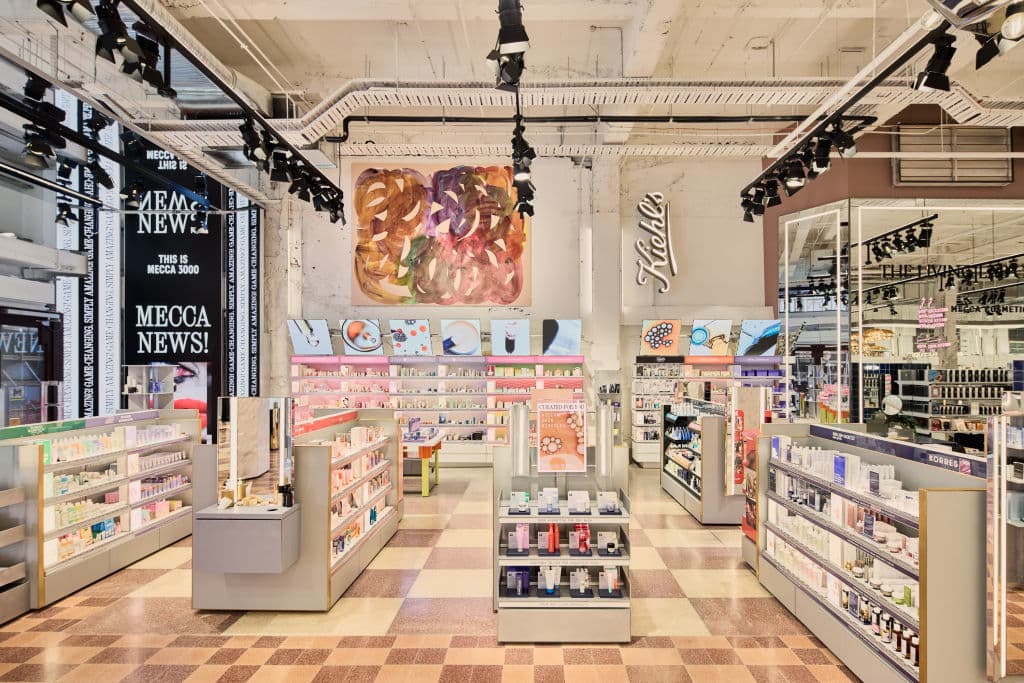
Ray White’s Rader said major shopping centres with strong entertainment and dining offerings would benefit from the continued shift towards experiential spending, and neighbourhood and convenience-based centres would shine as consumers prioritised local shopping experiences over destination retail.
“Transaction activity will pick up as investors recognise the sector’s recovery is genuine rather than temporary, with yields compressing for quality assets,” she said.
The great office divide: why tenants are paying for premium
In 2025, the office leasing market was defined by a clear shift towards value-driven decisions, favouring refurbished properties or those with new fitouts.
Collier’s managing director of office leasing, Cameron Williams, said that, with minimal new supply on the horizon, the trend will continue to play out in 2026.
“Tenants will remain focused on securing locations that deliver superior amenity and seamless access to public transport, reinforcing the importance of strategic positioning for landlords seeking to attract and retain occupiers in an increasingly competitive environment,” he said.
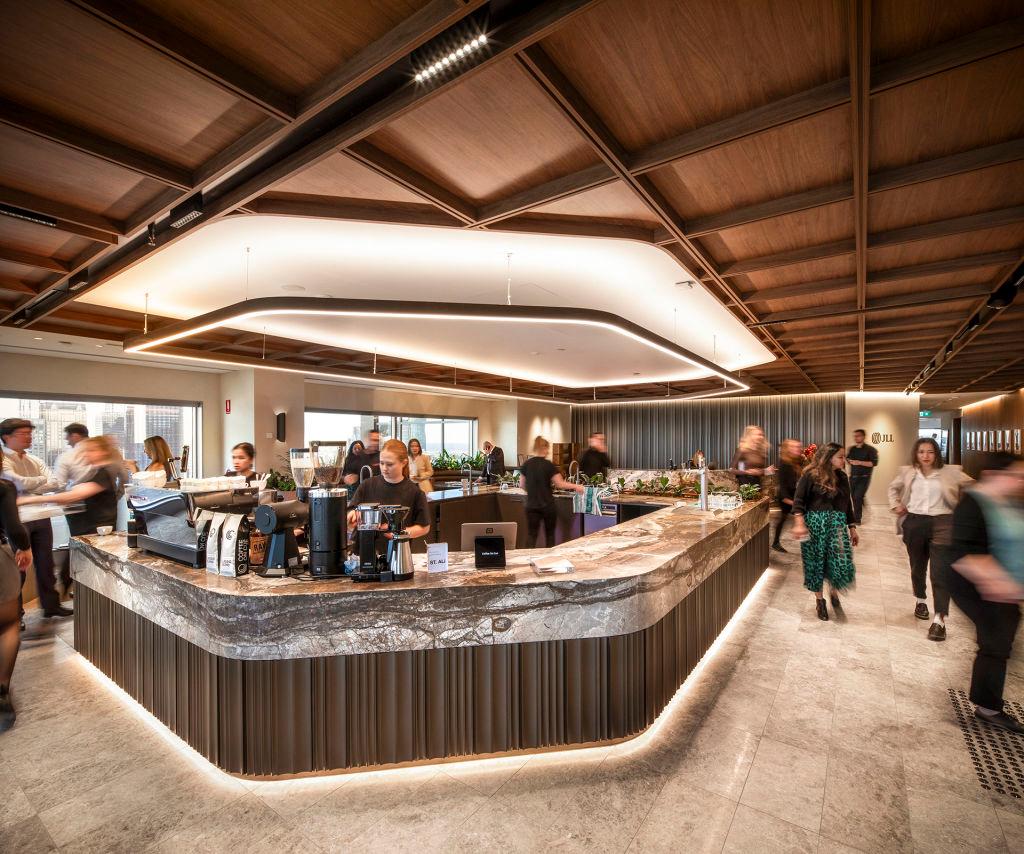
Ray White’s Rader backed up the economic case for premium offices.
“The divergence between premium and secondary office assets will continue to widen dramatically in 2026. Premium grade office buildings with strong ESG credentials, modern amenities and prime locations will continue to outperform, capturing tenant demand and maintaining low vacancy rates,” she said.
Rader warned that while some tenants would still find value in well-maintained, well-located B-grade office stock, lower quality secondary stock faced “genuine obsolescence.”
“The gap in vacancy rates between premium assets and truly second stock will expand significantly, with capital values reflecting this performance divide,” she said.
Construction comeback, but no boom
After five challenging years, the construction industry is poised to make a tentative rebound in 2026, with a “normalisation of development activity following the extended drought” that started with the COVID pandemic.
“Development sites that sat dormant through the high-interest rate environment will become viable again as construction costs stabilise and pre-commitment levels from occupiers improve,” Ray White’s Rader said.
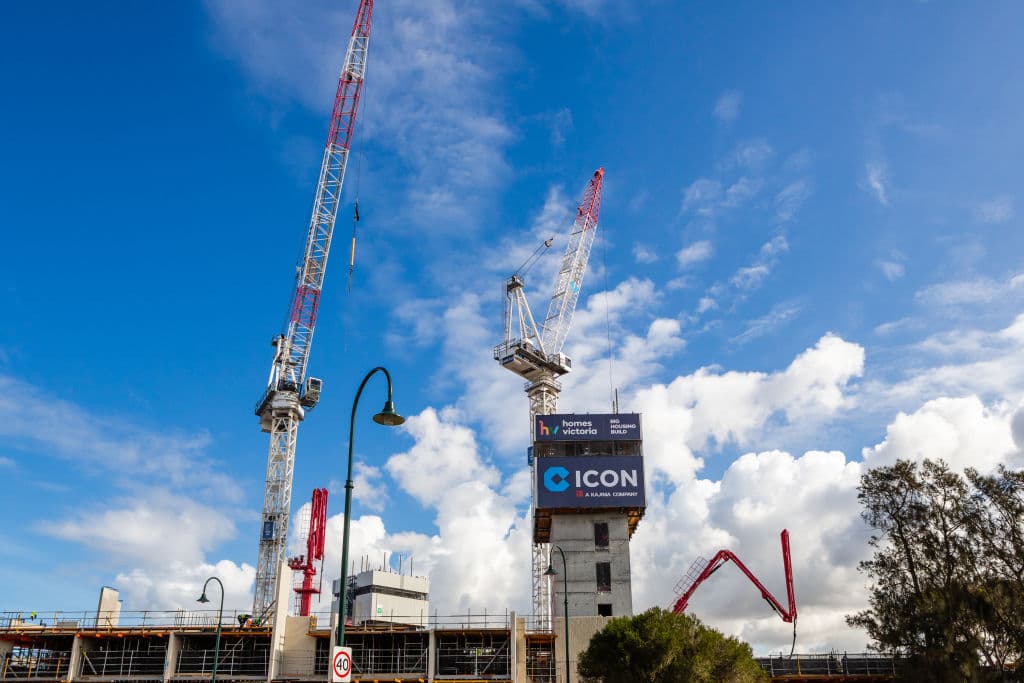
“We’ll see selective projects emerge across sectors, industrial for major logistics occupiers, premium office refurbishments capitalising on flight to quality demand and opportunistic retail repositioning.
“The easing of labour shortages and material supply constrains will improve builder confidence, while developers with land banks will find funding more accessible as lender regain an appetite for development finance.”
Rader said projects commencing in 2026 would be well considered and pre-leased, reflecting a more disciplined approach than previous cycles.