Commercial property segments holding up in a changing market
Property trends may come and go, but a few asset classes remain perennial favourites for investors despite shifting market conditions.
“These sectors offer a more predictable long-term growth path, attracting investors who are seeking resilient, through-the-cycle returns,” said Ronak Bhimjiani, real estate economist at JLL.
Even amid a higher interest rate environment and broader economic uncertainty, these four commercial property staples may still stack up in 2026.
Healthcare
Healthcare has long held a spot in a defensive investor’s portfolio and is considered by many to be recession-proof.
According to CBRE, it has also undergone a significant repricing. Before the global financial crisis, healthcare property was seen as higher risk, with cap rates sitting around 100 basis points above industrial and at least 200 basis points higher than retail and office. In December 2023, average healthcare cap rates tightened to around 6 per cent – now 50 to 100 basis points sharper than office assets and demonstrating the sector’s growing investor confidence.
With an ageing population and increased government spending across state and federal levels, investors are now increasingly looking to secure long-term, non-cyclical income streams.
“Investor appetite is surging for assets in the … healthcare space,” Bhimjiani said. “[The sector is] underpinned by powerful demographic forces, offering stable, long-term income streams tied to non-cyclical needs.”
That demand is already playing out on the ground, according to David Easterbrook, managing director and senior buyer’s agent at Elite Buyers Agents.
“Medical is one of the hotter areas at the moment, and it’s not just traditional medical centres – that whole space is changing,” he said, adding that medical tenants are increasingly moving into non-traditional spaces, including former retail sites.
Industrial and logistics
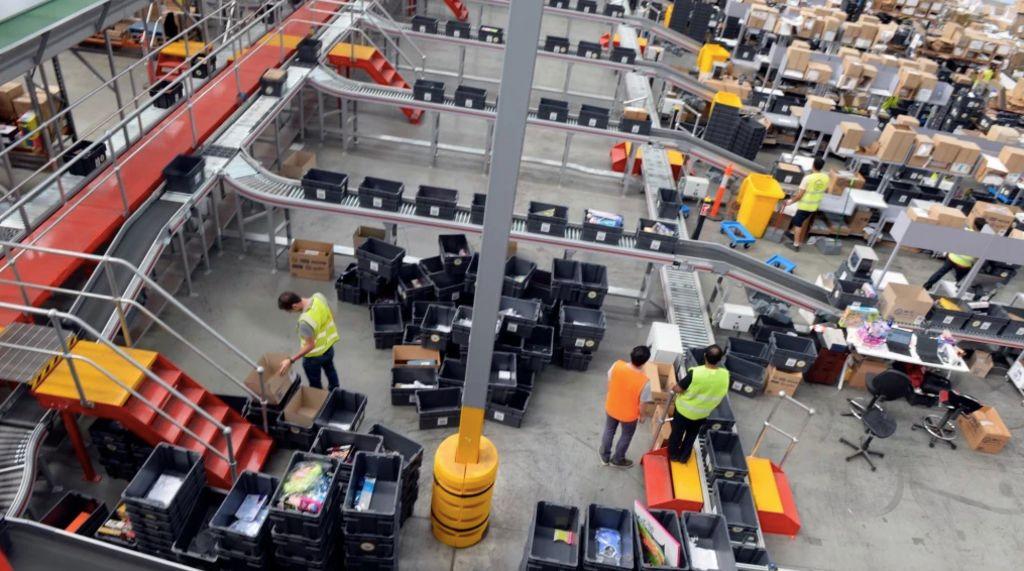
Industrial and logistics assets have long been investment staples. But the category had a particularly stellar year in 2025, according to Colliers: transaction volumes over $10 million hit $7.61 billion, an increase of around 15 per cent compared to 2024 and the 10-year average.
“Logistics demand is fundamentally supported by the structural shift to e-commerce,” Bhimjiani said. “A growing population [also] directly boosts consumption, fuelling the need for logistics and last-mile distribution centres in expanding urban areas.”
Easterbrook said industrial assets were the most sought-after among his clients. Their appeal is largely driven by low vacancy rates and strong demand from tenants seeking well-located space and operational certainty. Right now, mid-sized warehouses are proving most competitive.
“The most resilient assets at the moment are definitely warehouses,” he said. “But not all warehouses are the same. Those in the 2000 to 5000-square-metre range are far and few between, and that’s where demand is strongest.”
Essential retail
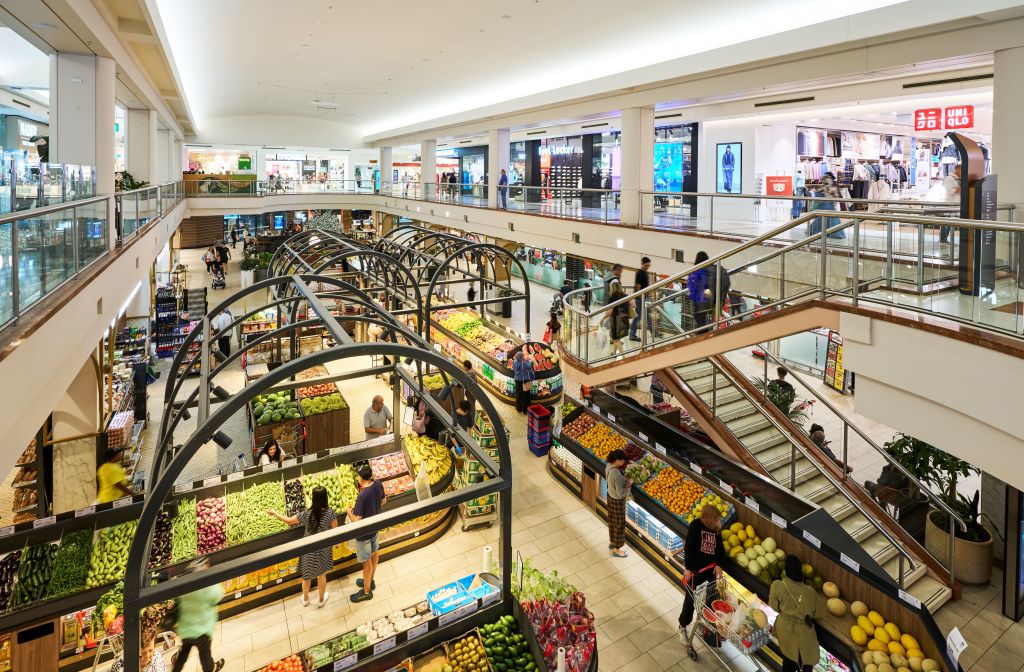
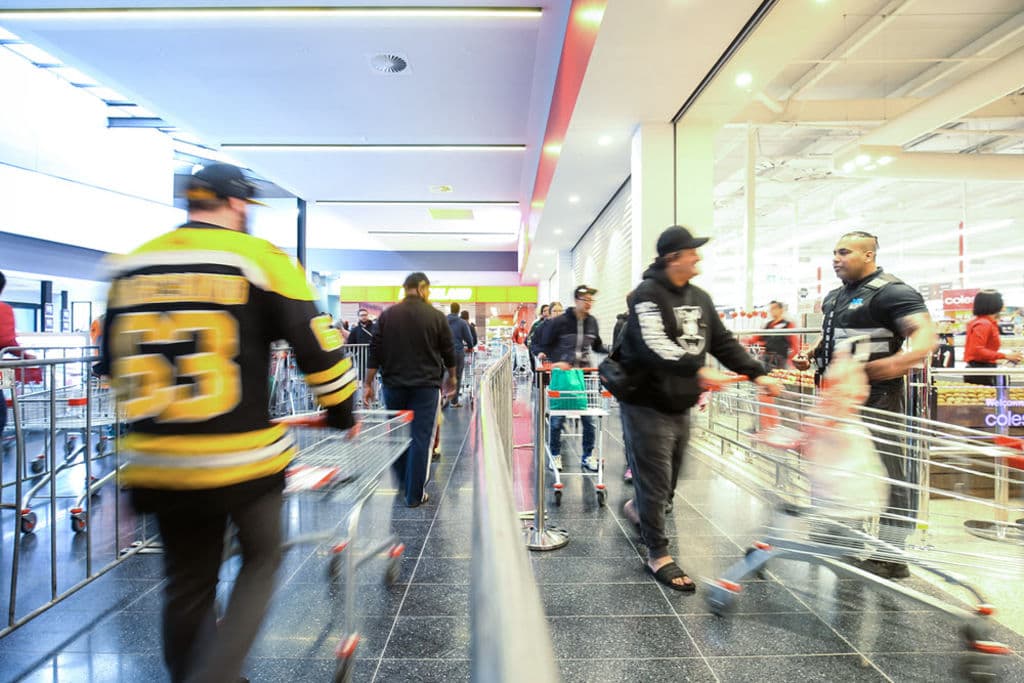
With lower consumer spending and rising operational costs, retail has taken a palpable hit in recent years – especially discretionary retail and small-format strip shops.
But 2025 marked a turning point, with JLL data revealing that national retail investment volumes totalled $13.1 billion last year, up a significant 77 per cent from 2024. This was the largest investment volume recorded among the core commercial sectors in 2025.
Bhimjiani attributes the shift to recently easing interest rates and improving consumer spending. That said, investor demand remains focused on defensible retail formats rather than the sector as a whole.
“Within the retail sector, demand is concentrated on non-discretionary, convenience-based centres with reliable anchor tenants,” he said.
“However, large suburban assets are also seeing notable appeal among investors, as improving consumer sentiment and positive real wage growth have resulted in a notable uptick in discretionary spend.”
Prime office spaces
Offices were once core staples that have since faced significant disruption. But with return-to-office mandates and workplaces providing higher-quality amenities to lure hybrid workers in, it’s not all doom and gloom.
JLL research indicates that net absorption in premium space has been positive in 12 of the past 13 quarters since mid-2022, and vacancy rates for premium-grade buildings have fallen to 11.1 per cent – well below A-grade and secondary assets.
“A sharp focus on income security is creating a clear divergence in demand,” Bhimjiani said. “In the office sector, this translates to a ‘flight to quality’, favouring premium buildings that attract and retain the best tenants.”
Offices located outside Sydney and Melbourne’s CBDs also appear to be performing well. Brisbane is showing strong momentum, with its fringe suburbs especially tight and now among the fastest-growing office markets in the country.
While conditions are already improving for well-located, high-quality offices, Easterbrook believes the office market as a whole will find a new equilibrium: “At the end of the day, yes, people aren’t in offices as much as they were, but demand will equal itself out in the coming years.”