The numbers to watch in Australia's commercial property market
It may only be a month into 2026, but the stats are already beginning to paint a picture of what lies ahead in the commercial property market.
Here are the data points commercial property analysts are keeping an eye on.
Interest rates
Expectations of rate cuts proved true in 2025, with three decreases, but this year there is widespread confidence that the Reserve Bank will do a U-turn and raise interest rates.
“There was so much anticipation that interest rates were going to continue to reduce, but with those inflation numbers coming out, it really turned things around and there was a real shift in sentiment obviously,” explained Vanessa Rader, head of research at Ray White Commercial.
“This year, the consensus is that if it’s going to move, they may go upwards, albeit later on in the year.
“So, I think interest rates and the inflation numbers are going to be the numbers that everybody looks at super, super carefully – particularly for the first half of this year – to know whether or not they’re going to make the jump.
“Because if someone was going to buy and then the interest rates hike up, that obviously changes the return profile of whatever they were looking to buy.”
Inflation
Latest inflation figures released last week (January 28) support predictions of an interest rate hike. Inflation was hotter than expected, rising 3.8 per cent in the 12 months to December 2025.
The figure was largely due to housing costs, including electricity, which jumped by 21.5 per cent in the year to December. The timing of electricity rebates by state governments was also a factor in the inflation boost, but this will be less critical as the year progresses, said Sameer Chopra, CBRE’s head of research, Pacific and ESG, Asia Pacific.
“Everyone expects inflation will moderate a lot in the second half [of the year]. So, in the second half of this year, all that electricity growth is in the rear view mirror,” Chopra explained.
“It takes a year to kind of digest and then it’s behind you and then you can see what’s the state of play.”
Supply
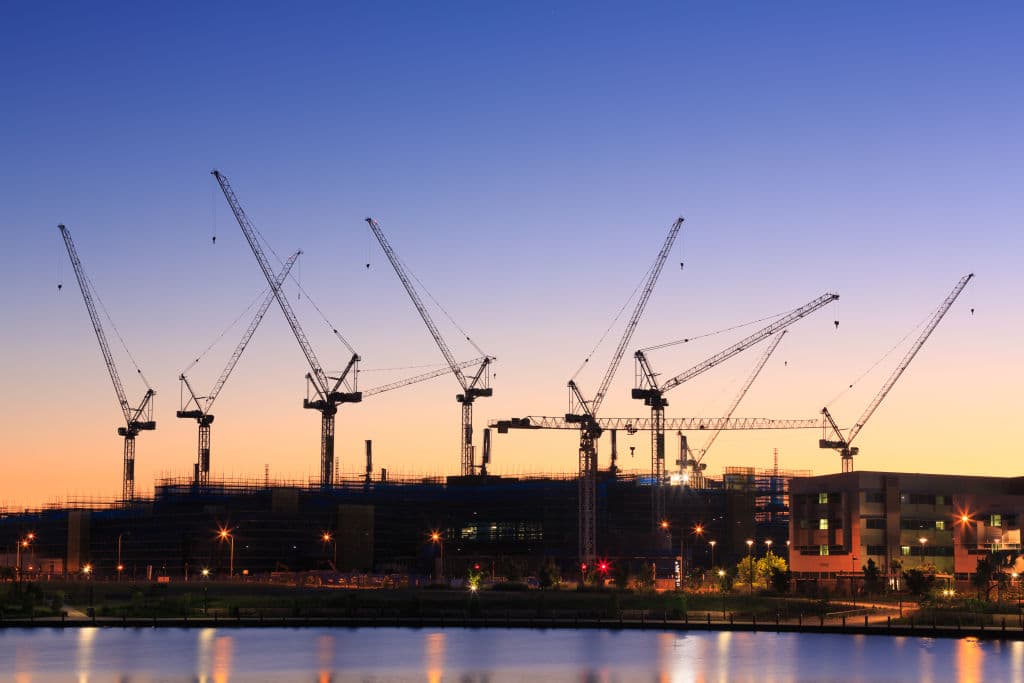
Australia’s construction pipeline is thinning, particularly in the office and retail markets. Investors will be watching how this plays out in 2026 to assess changes in rent prices and vacancy rates.
Rent prices are expected to rise as a result of the shortfall in supply, said Ben Burston, Knight Frank’s chief economist, research and consulting.
“We’re seeing rent growth return and in some cities it’s quite strong,” Burston said.
“In Brisbane and Adelaide it’s quite strong and in Sydney, it’s accelerating. We expect that to continue and we expect a couple of years where we’ll see some quite strong growth. So, that’s one of the indicators to watch.”
Wage growth and construction costs
Construction costs are expensive, even prohibitive, across both the residential and commercial property markets. Steady wage growth throughout 2025 and possibly into 2026 could eat into construction margins.
The latest Australian Bureau of Statistics figures show annual wage growth was 3.4 per cent in the 2025 September quarter and 3.2 per cent annually to November 2025. The next ABS update on wage data will be released on February 18.
Further wage growth through 2026 may affect construction costs, which aren’t expected to decrease anytime soon.
“Construction costs is another indicator to watch because obviously labour costs are an important input to the development process,” Burston said.
“We’ve never seen a large decline in construction costs and in keeping with the wider debate around inflation, we would hope that inflation would come down, but I think it would be asking too much to expect that the cost is going to fall in any significant way.”