Ozempic fattens cold storage demand in Australia
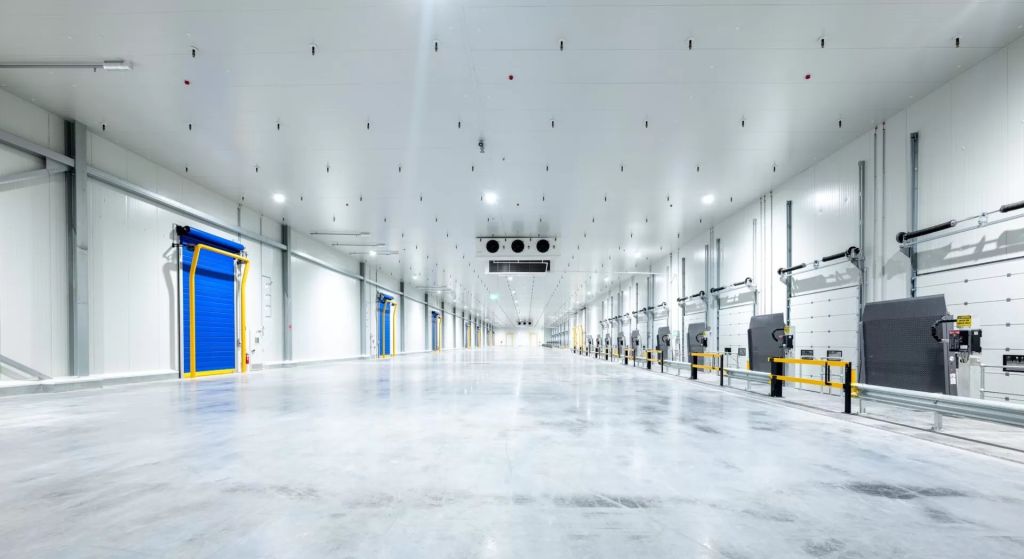
Australia’s coolest industrial investment is facing heated demand. Cold storage has been in short supply for years, but rising population and growing immigration numbers, combined with a surge in popularity of ready-made meals, have put the niche property sector under even more pressure.
“Population growth is obviously number one, but then you’ve got the consumption on the back of that so both of those are growing faster than the country’s capacity to store, to move and also deliver those perishable goods,” said Katy Dean, Savills head of research Australia.
“Then at the same time it’s the ready meals, also the fresh food expectations and also pharmaceutical. So, you’ve got temperature-sensitive vaccines and metabolic medications like Wegovy or Ozempic.
“All of those things and biopharmaceuticals require strict cold-chain compliance.”
Australia’s Fast Moving Consumable Goods (FMCG) and pharmaceutical industries are driving the bulk of demand for temperature-controlled warehousing, which has been accelerated by e-commerce activity.
The Refrigerated Warehouse and Transport Association of Australia estimates that by 2028, Australia will need more than 400,000 square metres to match the US market.
The greatest need is in the east coast cities near logistics hubs such as ports, airports, trains, and major roads, said Dean.
“The demand is overwhelmingly metro driven, and that’s where the most acute pressure is in those three cities, particularly the key west and coast-oriented precincts – so, in Melbourne’s west, in Sydney’s west, and then in Brisbane, it’s just south side and trade coast,” she said.
“They’re the biggest pressure points and arguably the biggest opportunities. The regional areas are still very important, especially for agriculture and processing, which still need temperature-controlled facilities to manage.
“But the structural shortfall is in those metro infill locations, and that’s where the land is the most scarce. So, it means there’s a limited supply able to come into the market.”
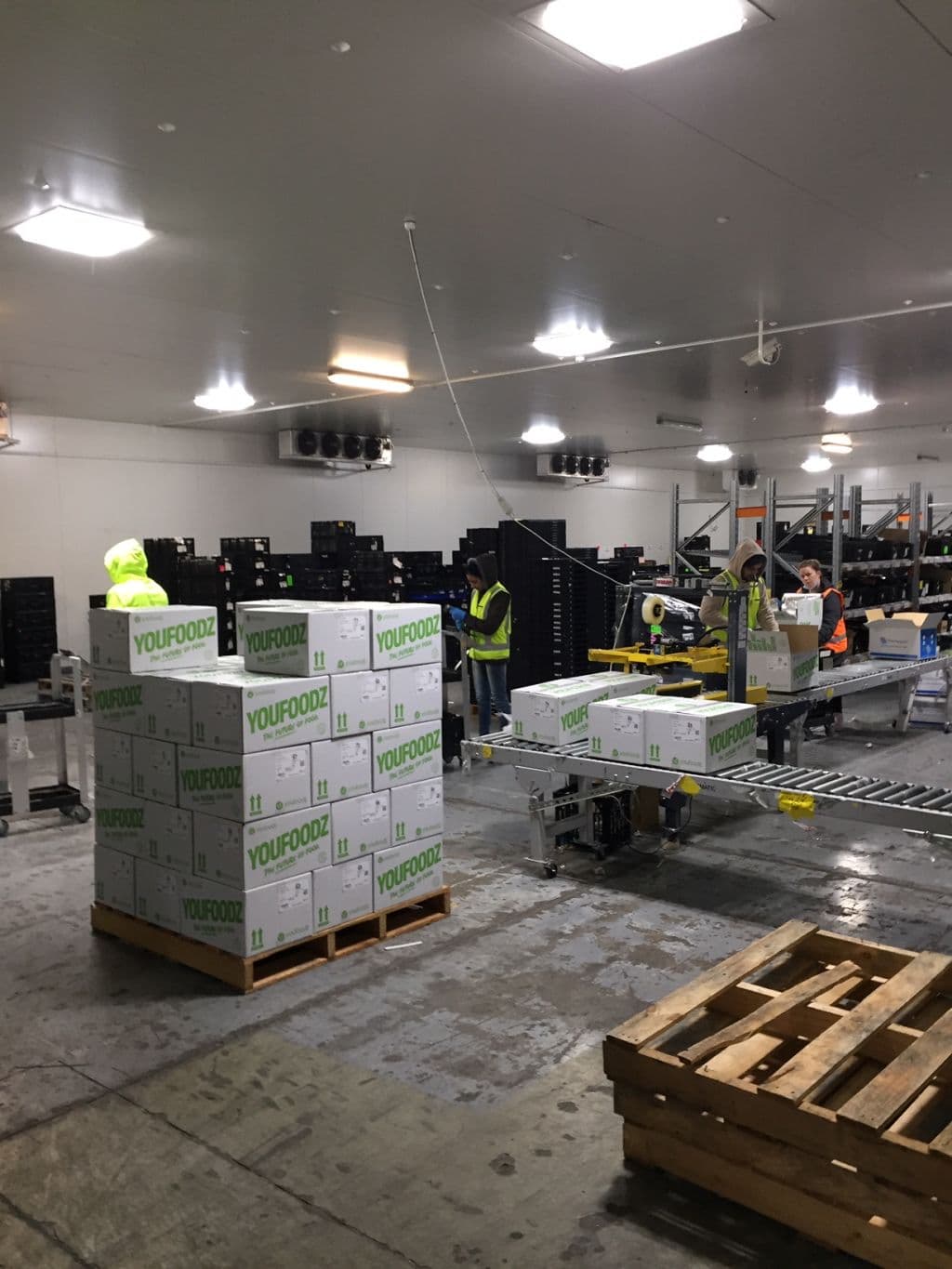
Although there’s a great need for new facilities, developing cold storage facilities can be risky if not done in partnership with a future tenant.
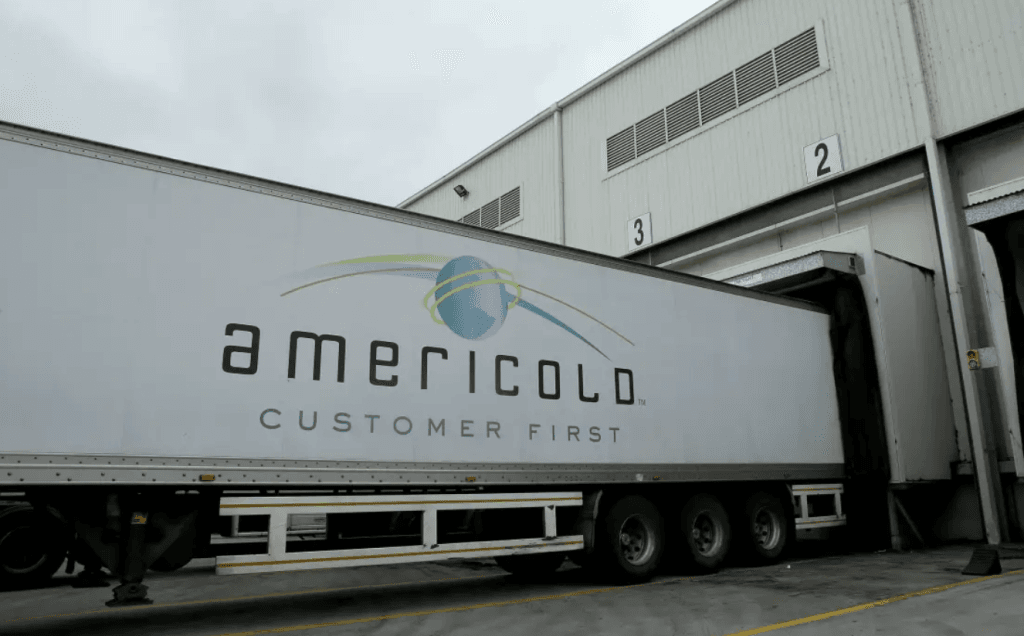
Australia’s three leading cold storage operators are Lineage Logistics, Americold and NewCold, and they commonly build to specifications for large food and pharmaceutical manufacturers and retailers.
“They dominate the market and they tend to deal with the bigger end of town, so the Coles, Woolworths, Simplot, McCain, Peters, the big food producers,” explained Nathan Bingham, JLL head of occupier services, logistics and industrial, Australia.
“They’re constantly talking to them saying, ‘What are your growth projections?’ and then they will go and invest ahead of the curve. But they don’t want to overbuild because the risk for them is if you put too much capacity into the storage, then their pricing might get impacted if there’s an oversupply of storage.”
Developers can retrofit existing cold storage facilities. The downside is the potential high costs of ensuring sustainability standards are met, while the upside is the ability to keep leaseholds in place.
Building new is expensive owing to the installation and maintenance of technical infrastructure, which involves installing a variety of large-scale refrigeration and freezing equipment, including blast-freezing equipment.
Another consideration is catering to the seasonal demand of businesses that use cold storage. For example, ice-cream is made and sold in large quantities during the summer months, and flu vaccines are in high demand during the autumn months.
Temperature-controlled facilities need to be able to scale up and down to accommodate tenants affected by seasonal demand.
However, investors with the right know-how stand to benefit from the long-term undersupply in cold storage.
“Developers love them because if you get a commitment from a tenant, there’s good money to be made in them and they’re pretty bulletproof,” Bingham said.
“If you build a new facility today, you’d be very confident for the next 30 years it’s going to be leased.”