Brisbane’s historic School of Arts listed after 60 years
A former servants’ quarters and city library built in 1865 could become a live music venue or hospitality destination, with Brisbane’s historic School of Arts attracting about 50 inquiries in its first six days on the market.
After more than 60 years of Brisbane City Council ownership, the distinctive Queenslander-style, state heritage-listed building in the city’s commercial core is being offered to buyers willing to fund a substantial restoration and put it back to work.
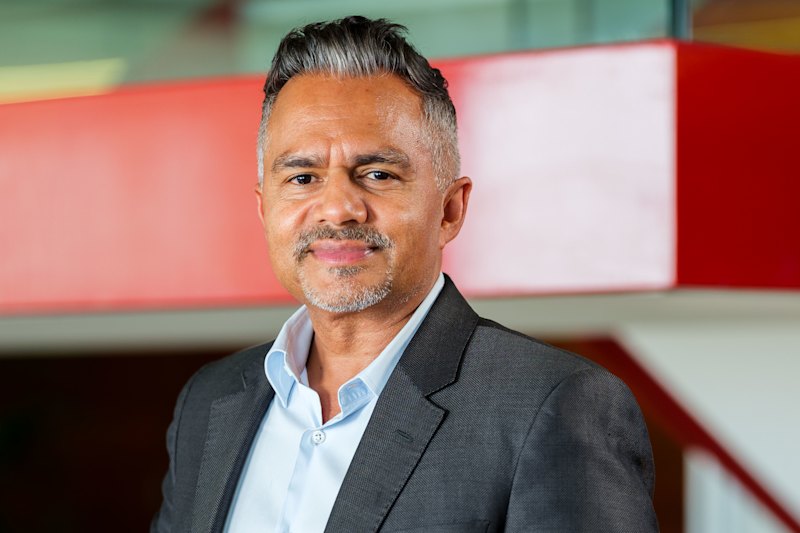
CBRE’s Will Carman says interest in “stunning” 166 Ann Street, largely vacant for two decades, has flooded in from retail, hospitality, office, church and community groups.
Carman also sees live music as an option, pointing to Brisbane’s Tivoli as an example of an older building finding a successful role as a performance venue.
“It’s so close to Central Station that it could be really well accessed,” he says.
Brisbane CBD freehold offers scope for new uses
Carman and Nick Wedge are managing the sale by tender, with no public price guide disclosed.
“We don’t have a price from the city council; it’s really that they just want to see where the market ends up,” Carman says.
Offered with vacant possession, the property comprises a 1009-square-metre site and 1163 square metres of net lettable area across three storeys plus a basement.
It provides private investors with scope for adaptive reuse in the vibrant and prominent northern edge of Brisbane’s CBD, close to offices, shops, dining and public transport between Spring Hill and Fortitude Valley.
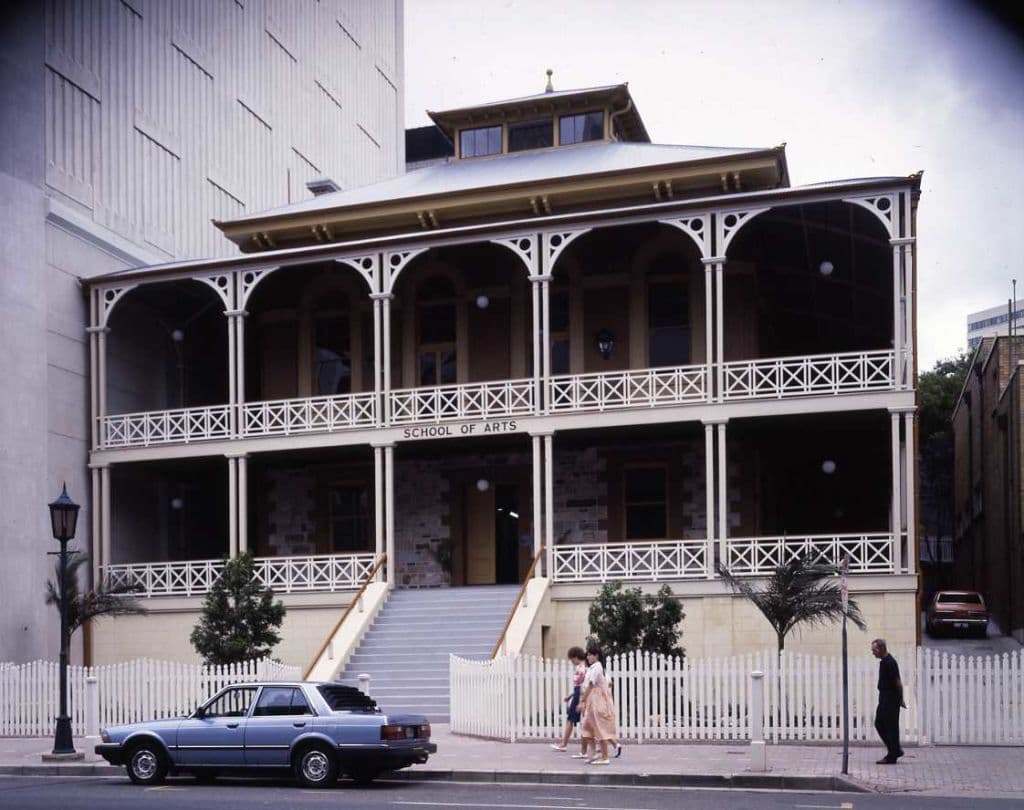
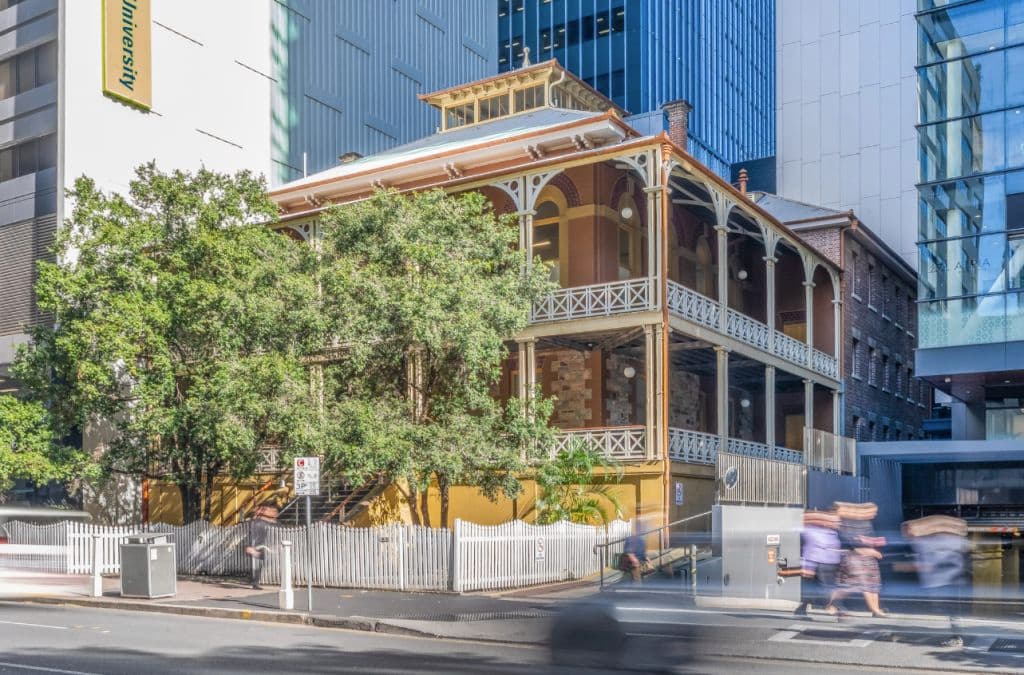
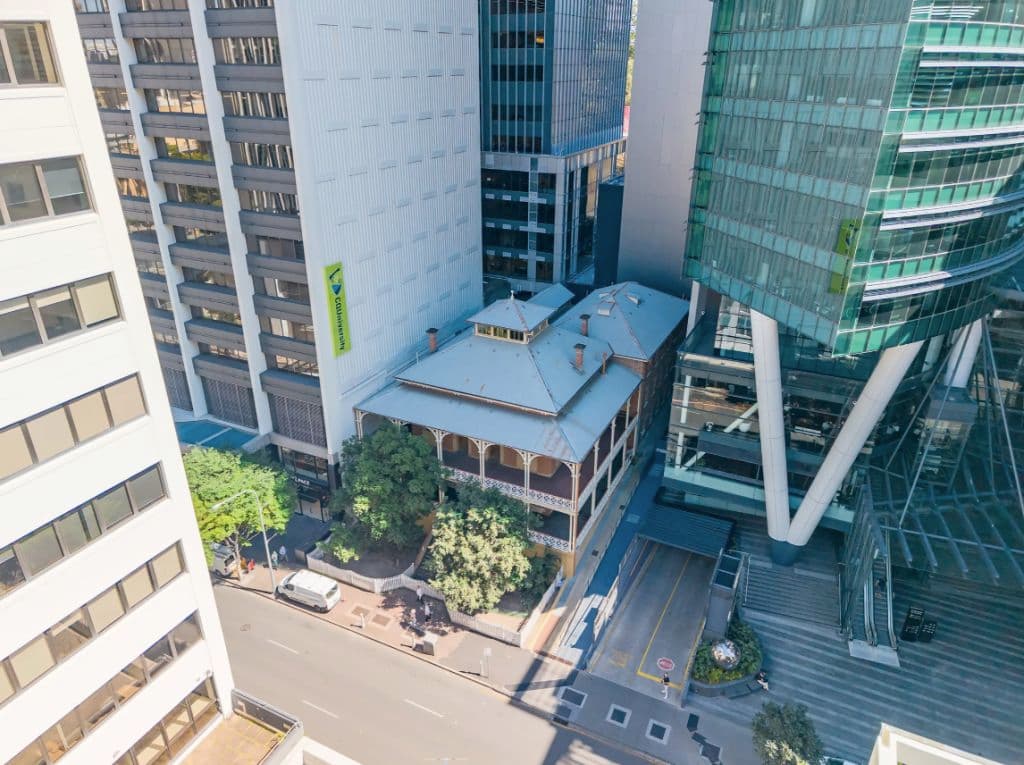
The mustard-tinged building enjoys 22 metres of Ann Street frontage, tidily bound by a scallop-edged white picket fence and featuring four car spaces.
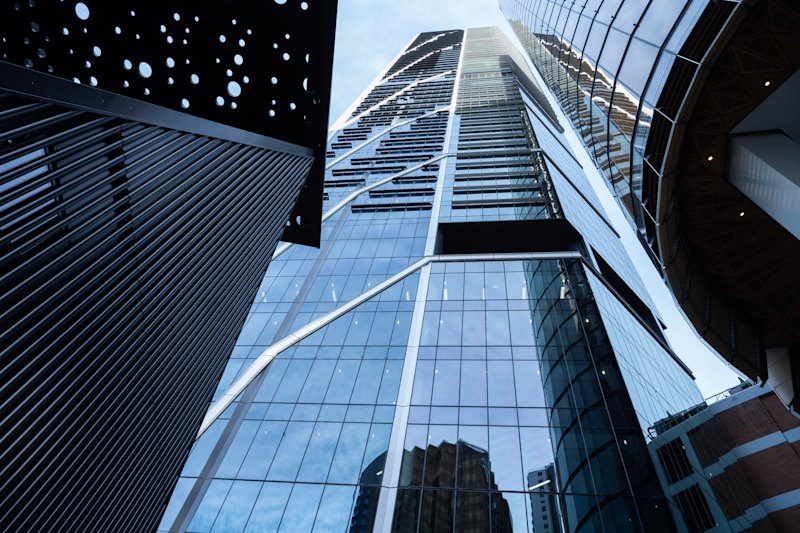
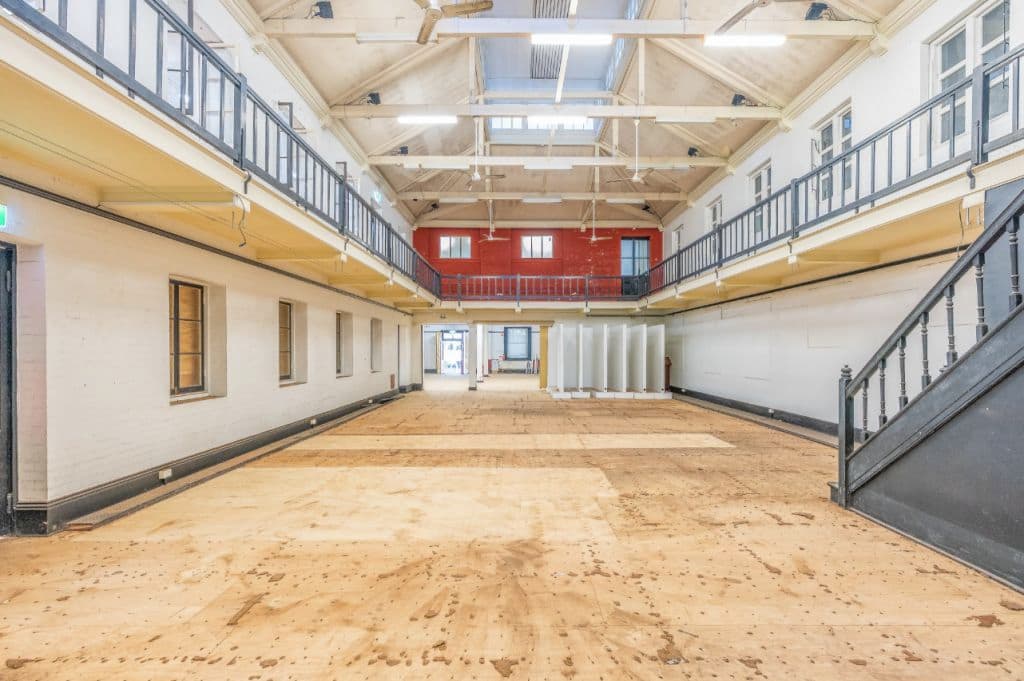
Modestly positioned directly next door to towering 180 Ann – the first commercial building in the city to achieve a six-star Green Star v3 Design Rating – the heritage headturner combines a stone lower level with brick upper storeys, arched windows and an iron roof, framed by wide, sweeping Queenslander-style wraparound verandahs. Inside, timber stairs, fireplaces and period light fittings add character.
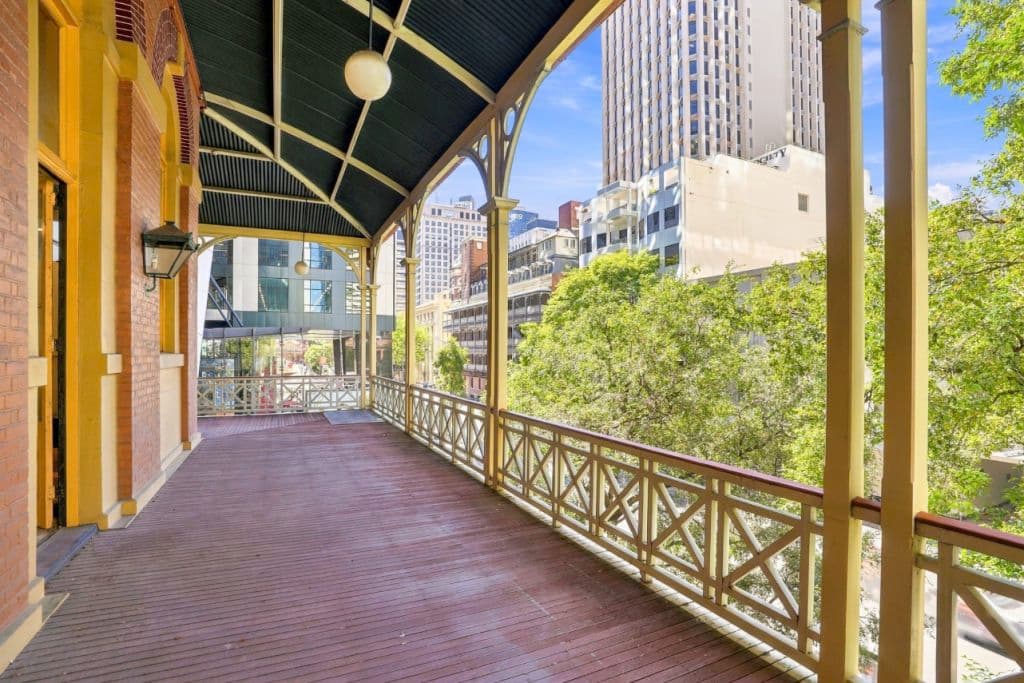
Carman says the balconies help retain natural light despite the modern buildings around it, but bringing the property back into sustained use will require substantial work.
“It would need a significant renovation,” he says.
Potential office, retail, food and beverage, education and entertainment uses are subject to approvals.
Heritage revival ahead of Brisbane’s 2032 Olympics
Brisbane City Council deputy mayor Fiona Cunningham points to other city landmarks as examples of what private investment could achieve.
“The Brisbane School of Arts Building is one of only a handful of heritage landmarks left in Brisbane with untapped potential for renewal,” she says.
“We’ve seen heritage buildings successfully restored and brought back to life through private sector investment, including Customs House, the former Brisbane Dental Hospital and the former Treasury Building, which is set to become a university campus.”
Cunningham says the property’s sale is a “win-win” for the city, freeing council funds and securing the long-term future of the heritage landmark.
“Any future owner will be required to comply with heritage protections and planning requirements, ensuring the building’s historic character is preserved,” she says.
Carman sees this as a timely opportunity to bring the building back into use ahead of the upcoming Olympic Games.
“The right refurbishment has the potential to secure the building’s future while delivering renewed activation for this part of the CBD leading up to the 2032 Olympics,” he says.
From women’s refuge to Brisbane School of Arts
According to the Museum of Brisbane, the building was constructed in 1865-66 as the Servants Home, accommodating newly arrived single migrant women seeking domestic work.
Designed by H. Edwin Bridges, it featured a ground floor and two upper galleries, and its verandahs were added in 1878.
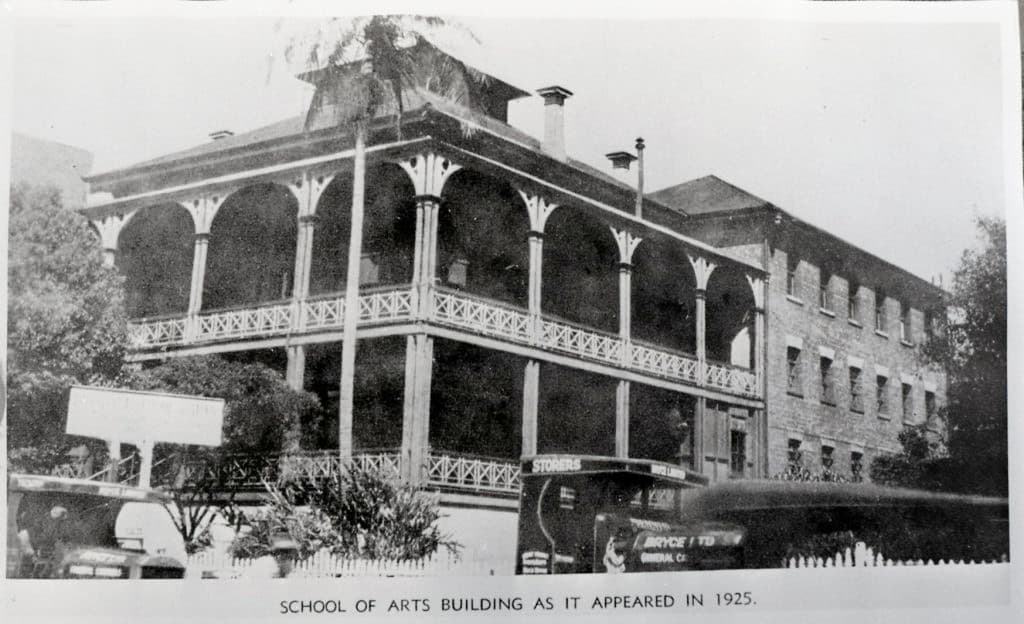
In 1871, philanthropist Ann Drew – wife of wealthy landowner Richard Drew – converted the property into a refuge for unmarried mothers and women raising children without support, and spent four decades advocating for women’s rights in Brisbane.
The North Brisbane School of Arts bought the Ann Street property for £1000 in 1873, and leased it to the refuge until 1878.
The School of Arts officially opened in 1878 and hosted exhibitions, lectures, a literary circle and drawing classes, while its library held 7000 books..
In 1884, a large hall was added to the rear to accommodate the Brisbane Technical College, extending the educational offering to subjects including cooking, languages and mathematics.
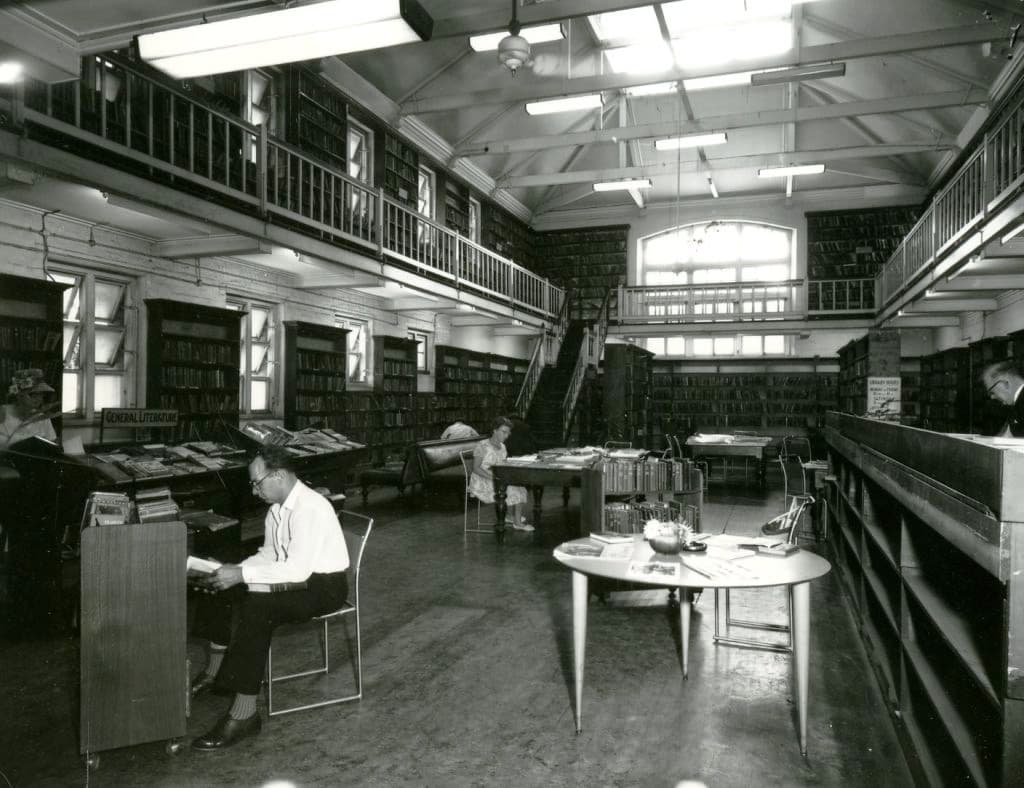
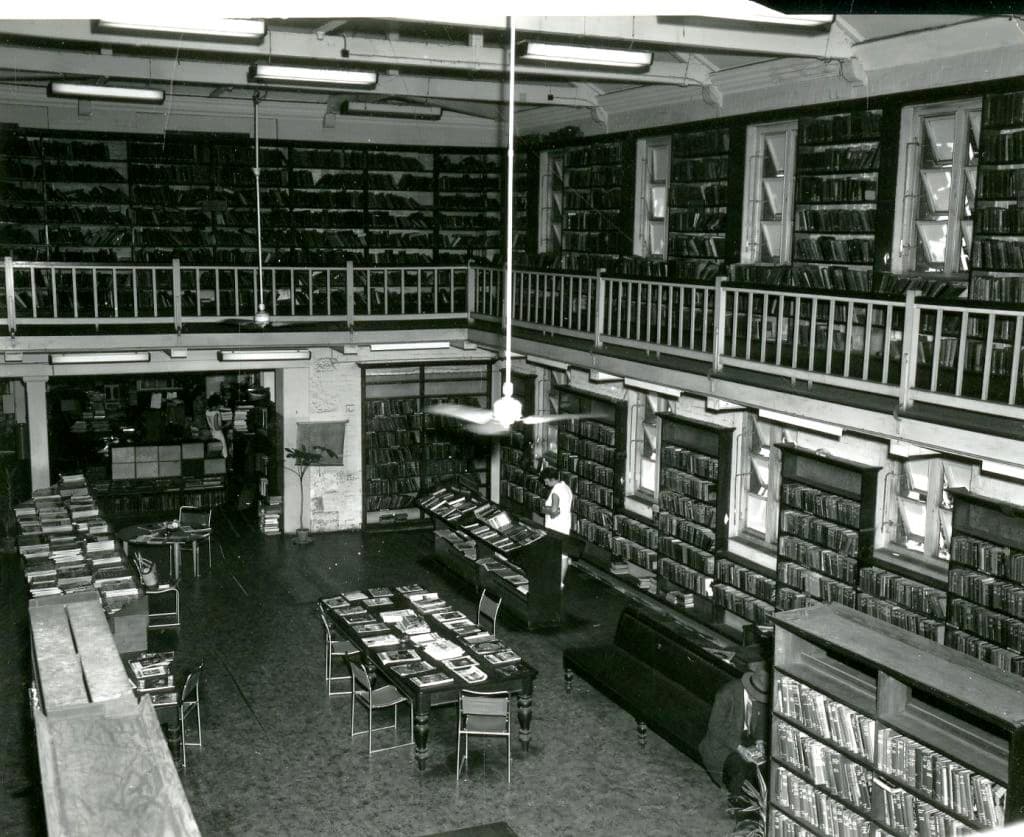
By the 1920s and 1930s, the building’s main role was as a public lending library.
Brisbane City Council bought the building in 1965, and it housed the Central City Library until it closed for restoration in 1981.
Carman says prospective buyers must outline their intended use through the tender process.
The council wants to ensure “it’s not sold to someone who just leaves it in the same state it has been for the last little while”, he says.
The property is for sale via a tender process closing at 4pm on Thursday, November 12.