How Brisbane's fringe suburbs became a magnet for tech and creative
Long regarded for their nightlife and industrial heritage, the inner Brisbane suburbs of Fortitude Valley, Newstead and Teneriffe have evolved in recent years into thriving precincts for creatives and tech start-ups.
Much like Surry Hills in Sydney and Cremorne in Melbourne, operators are looking beyond the CBD and towards fringe suburbs that offer equal parts lifestyle, convenience and high-amenity workplaces.
Orange Digital is just one of many creative agencies that have chosen this route. The company has been headquartered in Fortitude Valley – Brisbane’s former party district – since 2009, with a brief stint in South Brisbane and a return to its original location in 2025 when it was acquired by Colony Group.
“Team members appreciate the centrality of the Valley,” says Alan Paul, Colony Group chief operations and commercial officer.
“It’s easy to get to by train, bus or car, and being just around the corner from James Street makes it really convenient for lunch, shopping or end-of-day options.
“We never considered the CBD at all. For our team, proximity, space and access to amenities were more important than being in a ‘prestige’ location.”
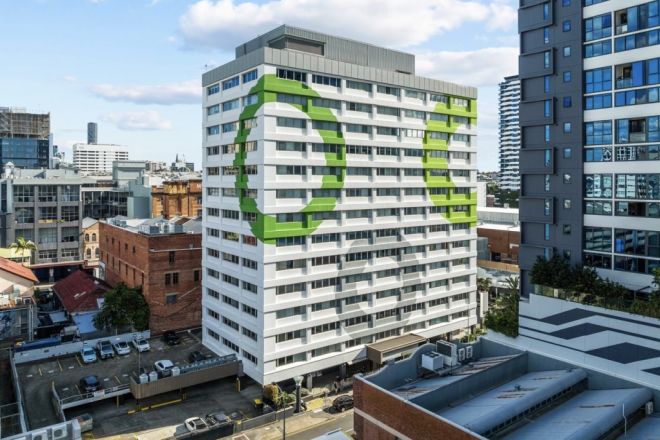
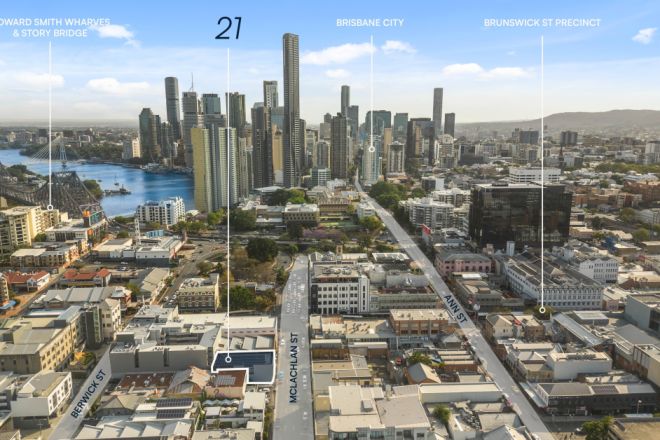
Fortitude Valley is the most established of the three, but Newstead and Teneriffe offer similarly desirable amenities and connectivity, including riverfront access, hospitality and retail precincts, walkability and public transport links.
Chris McLeod, director of local agency Your Commercial, says these fringe suburbs also tend to be residential hubs, further boosting their appeal.
“A lot of [companies] focus on where their staff are living … they don’t want to spend that 40 minutes in traffic,” he says.
“Groups that moved into the city ended up losing staff to competitors because staff wanted to stay in the area.”
Both start-ups and large businesses have chosen the inner-city fringe for their primary workplace. Even the Queensland government has recognised Fortitude Valley as an innovation hub, establishing The Precinct in 2017 as a co-working and office space dedicated to tech start-ups.
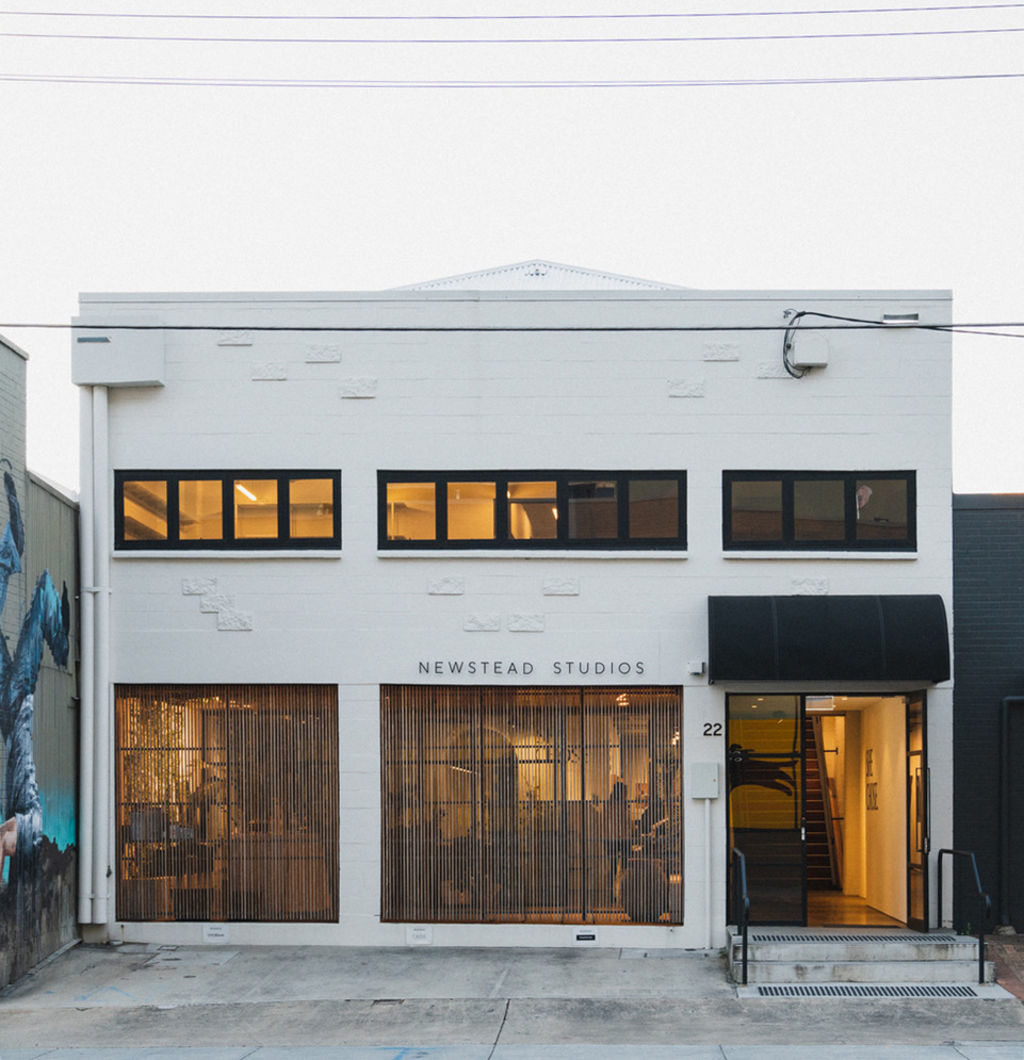
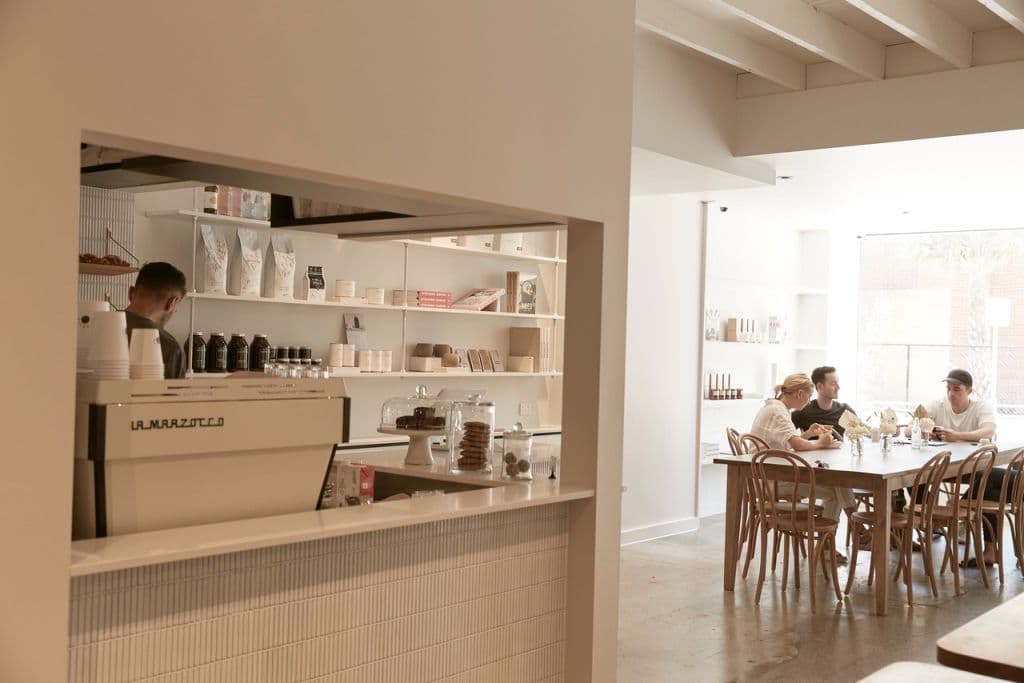
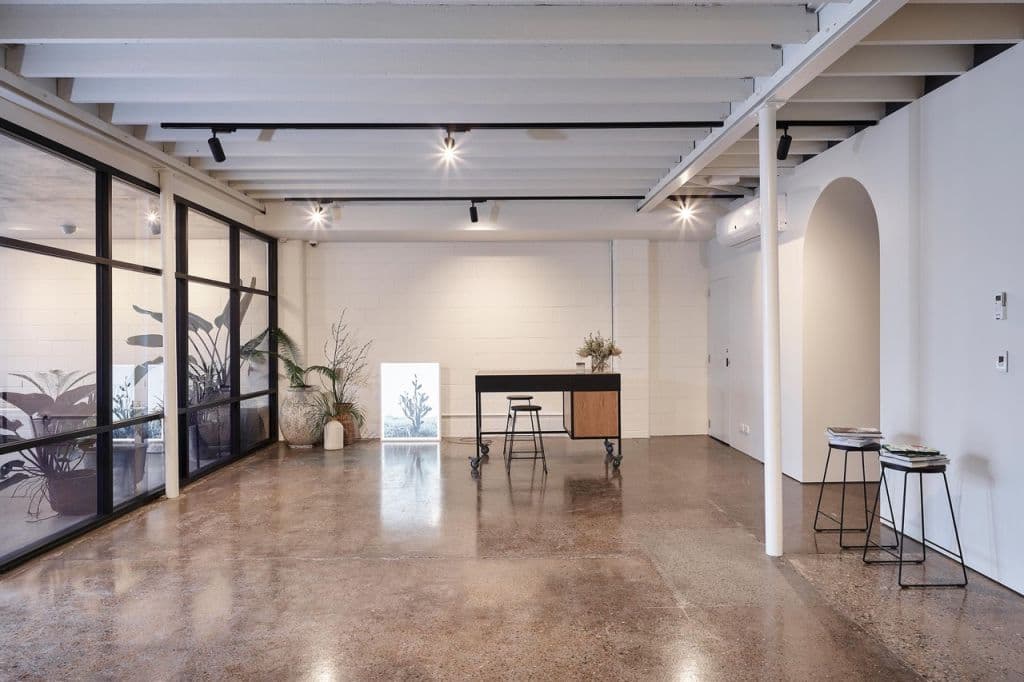
Offices in these areas are typically a mix of purpose-built offices and converted industrial sites, such as Newstead Studios, which is located in an old warehouse. The studio attracts all kinds of creative and tech businesses, from architects, designers and photographers to digital agencies and SaaS operators.
Cass Thies, Newstead Studios owner and managing director, says creative and tech tenants are often attracted to fringe suburbs because the workspaces and the areas themselves are more in line with their identities.
“These tenants prioritise flexible layouts, natural light, character, shared amenities and spaces that are an extension of their brand,” Thies says.
“Most are building businesses outside traditional corporate structures. They value being part of a like-minded community while still having the flexibility to work in their own way.
“Fortitude Valley, Newstead and Teneriffe … offer a more community-driven and lifestyle-integrated alternative to the CBD.”
In the last few years, however, the success of these precincts – partly driven by Brisbane’s urban renewal projects and significant infrastructure investment ahead of the 2032 Olympics – has created its own challenges.
Brisbane’s fringe is now among the fastest-growing near‑city office markets in the country, with increasingly constrained supply and fewer companies able to move in.
In the 12 months to January 2025, Colliers reported that net absorption in the Brisbane fringe reached 30,619 square metres – the highest in Australia.
Fortitude Valley, in particular, is experiencing incredibly high demand for office space. Cushman & Wakefield data shows the suburb’s office vacancy rate was just 8.6 per cent towards the end of last year.
McLeod adds that redevelopment activity has influenced availability.
“A lot of owners have demolition clauses in their leases because they believe their site is a development opportunity,” he says. “If you don’t have a demolition clause in your lease, it’s generally much easier to lease the space.”
These clauses can make leasing more complicated, as owners may plan to redevelop their sites, limiting long-term tenancy options and putting pressure on available space.
Rising holding costs are also being passed on to tenants.
“Land tax and council rates have gone up 10 to 20 per cent for many owners, and that’s flowing through into higher rents,” McLeod says. Cushman & Wakefield data shows office yields in Fortitude Valley are sitting at 7.88 per cent, up from about 6 per cent in 2021.
This supply squeeze is largely affecting smaller agencies and start-ups, which typically launch in co-working spaces before establishing a more permanent base.
“A lot of businesses moved into co-working spaces three to five years ago and are now trying to move into their own space,” McLeod says.
“The problem is there isn’t much available, so many end up staying in co-working longer than planned.”
As Brisbane’s population continues to boom, and new office developments in the area remain fairly limited, McLeod sees the city’s creative and tech workforce shifting and expanding to less-central locations.
He says many companies are looking further afield to suburbs like Albion and Newmarket.
These areas still offer relative value for money, ample space for growing teams, and a slowly maturing office market, without the intense competition now defining Brisbane’s inner-city fringe.