The commercial property sectors winning over investors in Australia
In the fierce competition for both international and domestic capital being invested in Australia, what’s hot, and what, most definitely, is not?
The answer is more complex than the question. Some investors, of course, prefer those assets in which they have more expertise, but others still keep a careful eye out for new, or evergreen, opportunities that offer promising returns.
But there are a number of commercial property classes that are now consistently attracting new capital.
Logistics, land-lease and communities remain investor favourites
For Kylie O’Connor, chief executive of investment management at Stockland, there are three types of real estate she favours the most, she told the Financial Review Commercial Property Summit on Monday : logistics, land-lease and master-planned communities.
About half of the company’s $60 billion it has in development across sectors is in residential real estate, with around $10 billion in logistics, she explained.
Why premium shopping centres and offices still attract capital
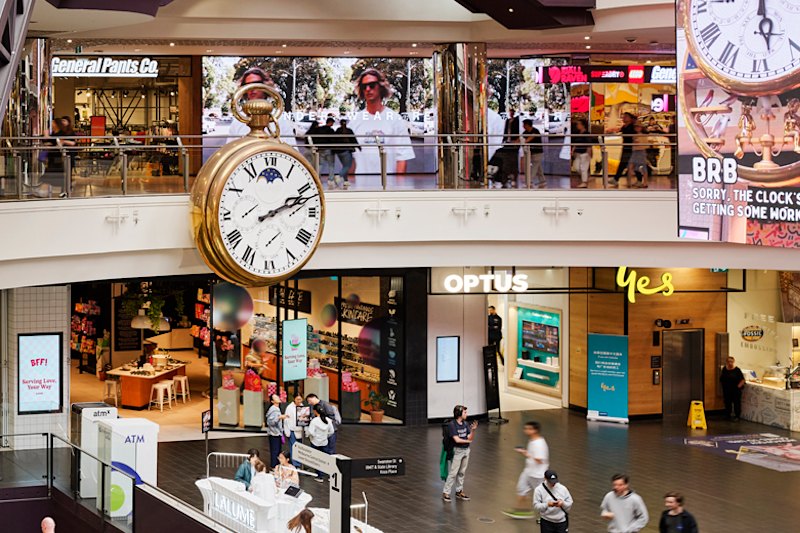
For Mark Harrison, chief investment officer of property company and real estate investment trust GPT, with its core business of owning, managing, and developing retail, it’s … shopping centres. “We have the competitive advantage in managing those,” he said.
“But what we are seeing is a flight to quality and high-quality real state is doing what it should do in periods of volatility. High-quality real property will continue to perform over the next period.”

Last year, the group bought an $860 million half-share in Sydney’s well-known office towers Grosvenor Place, in a major sign that they felt the office market was recovering, as part of its $17 billion office portfolio.
“We bought that at a discount to its replacement cost, at a time when its submarket vacancy rate was around 8 per cent,” Harrison said. “So, we bought well, and then invested capital into it with conviction, to meaningfully drive up income returns, which is good for us.”
Investa backs office recovery in Sydney and Brisbane
There are also a few surprises in hearing about the favourite investment of Investa chief executive Peter Menegazzo. After all, only a few weeks ago his company teamed up with a US investor to buy a $175 million portfolio of office buildings in Sydney and Brisbane from Dexus. “We’re into the office and living sectors,” he said.
“There’s a lot of pressure on supply and the market is now very, very tight and rents have moved dramatically and CAP rates (the result of dividing a property’s annual net operating income by its current market value or purchase price) need to come down to make a reasonable development return.”
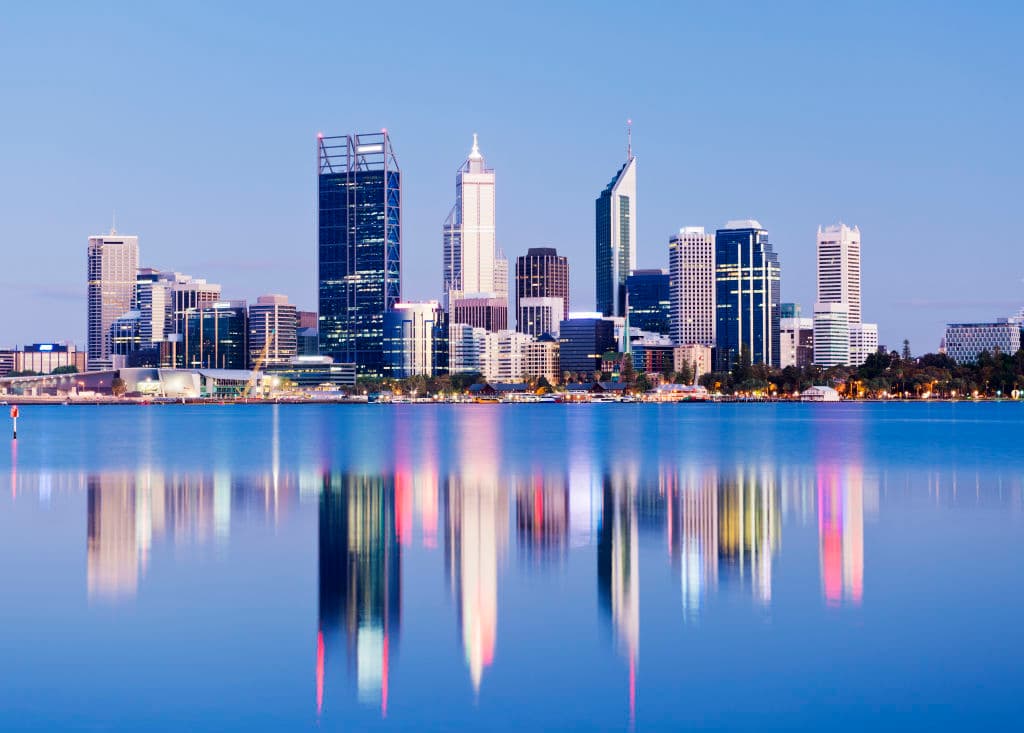
Menegazzo sees Sydney and Brisbane as offering top-tier property, with Brisbane experiencing double-digit value growth and low vacancy rates. Melbourne, he sees, is still very much a two-tier market, with high vacancy rates, high levies and a muddled State Government attitude to return-to-the-office, while Perth – somewhat ironically, considering its up-and-down history – has been less volatile than elsewhere.
Global capital sees value in Europe and Australian housing
It’s interesting, though, to hear from a global investment manager who has to balance investments both in Australia and overseas. “Globally, Europe is screening really well,” John O’Driscoll, global co-head of real estate and member of the management board, BNP Paribas Asset Management Alts, told the summit.
“Compared to APAC and the US, yields and rates are better so, on standard metrics, they look very attractive globally. Europe is also running through deglobalisation, so there’s a big investment in defence and in renewable energy for ensuring sovereignty.”
In Australia, his preferred asset class is a stark contrast. Here, he prefers to invest in affordable housing. His company has already developed a 400-unit affordable build-to-rent housing project, Connect Westmead, by a major hospital in western Sydney, for nurses and other key health workers. It is now securing a new asset in Melbourne.
“We are very focused on affordable housing in Australia as we think there’s a big opportunity for it here,” O’Driscoll said. “Supply of all housing is at an all-time low across a number of markets and there’s no sign of that going into reverse.”