Experience-led venues drive Australian pub industry evolution
Since the very first Roman tabernae, or taverns, were established over 2000 years ago, pubs have long held a central spot in the community as places to gather, socialise, drink, dine and enjoy music and games.
What has changed in the years since is how pubs choose to bring people together.
Increasingly, it’s not just parmas (or parmis, depending on where you live), pints, pool tables and big-screen TVs drawing patrons in, but a new generation of attractions and experiences.
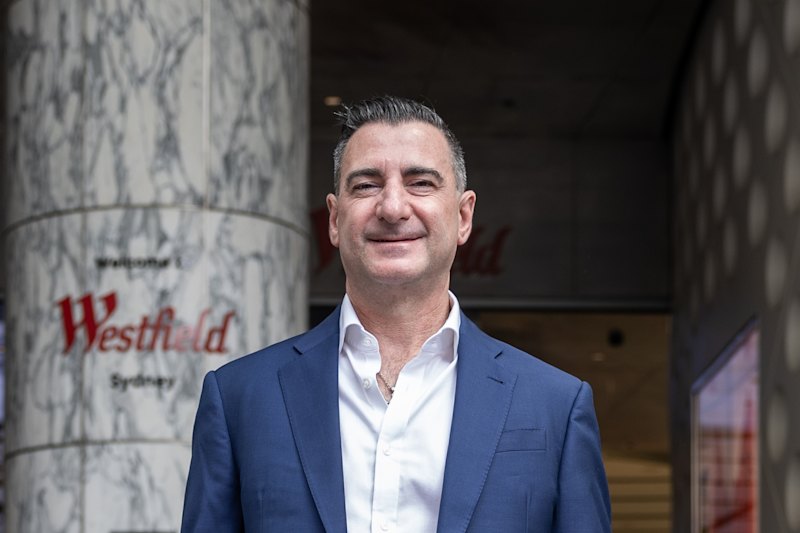
Ben McDonald, JLL’s managing director, pubs Australia, says there’s been a clear evolution in pub entertainment.
“Entertainment is a big driver of a lot of these businesses, and it’s definitely changed,” he says. “It’s becoming more experience-led – more so than putting a big screen TV up on the wall and playing the sport or whatever else.”
These days, pub entertainment can mean everything from mechanical bulls, golf simulators and bowling alleys to playgrounds, petting zoos and immersive gaming.
Competitive market forces demand structural differentiation
McDonald says the shift has been driven largely by higher competition between venues.
“Pubs and hospitality more broadly are becoming more and more competitive,” he says. “There are changing consumer behaviours that hoteliers have to address in order to keep their businesses performing well and keep people coming back to the pub.”
HTL Property managing director Andrew Jolliffe says these experiences make strong business sense, as they encourage patrons to visit more often and for longer.
“The key objective for any hotelier is to elongate the average time in venue for a patron, and to do so with high-quality experience levers,” he says.
“Bowling alleys, playgrounds, game centres and immersive attractions all speak to a diversified audience, and a differentiation of facilities means patrons can both stay longer and attend the business more frequently.”
Immersive branding anchors localised community hubs
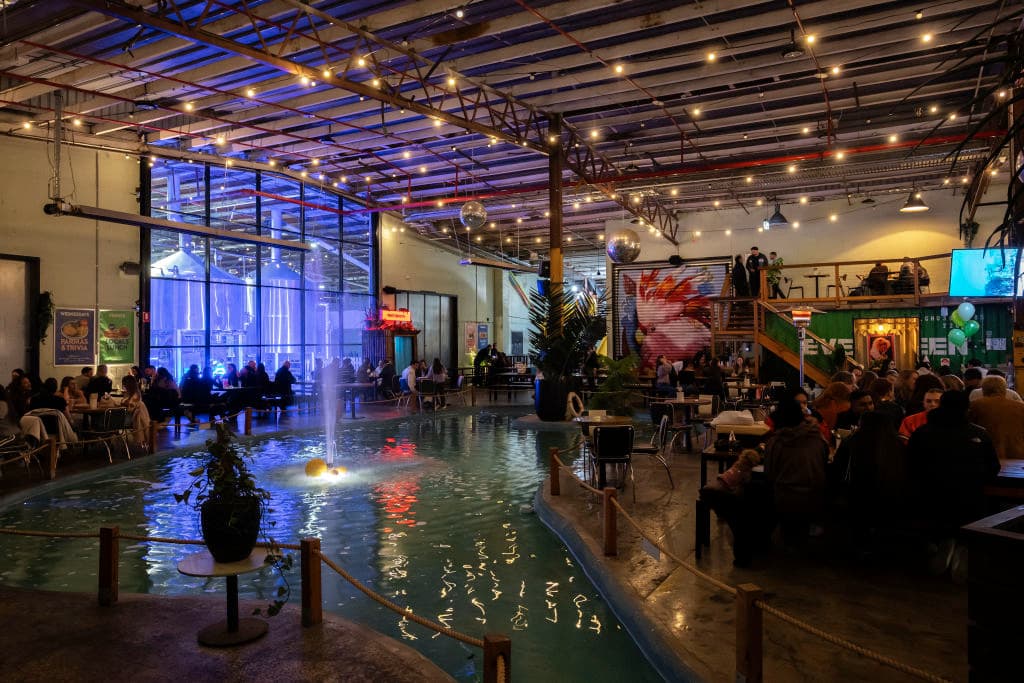
Craft brewery operator Moon Dog is embracing the shift, using experiences as a key driver of visits across its Melbourne venues.
“They’re the biggest focus for us,” says Brook Hornung, Moon Dog’s director of sales and marketing. “The aim is that you can come here multiple times and have very different experiences every time.”
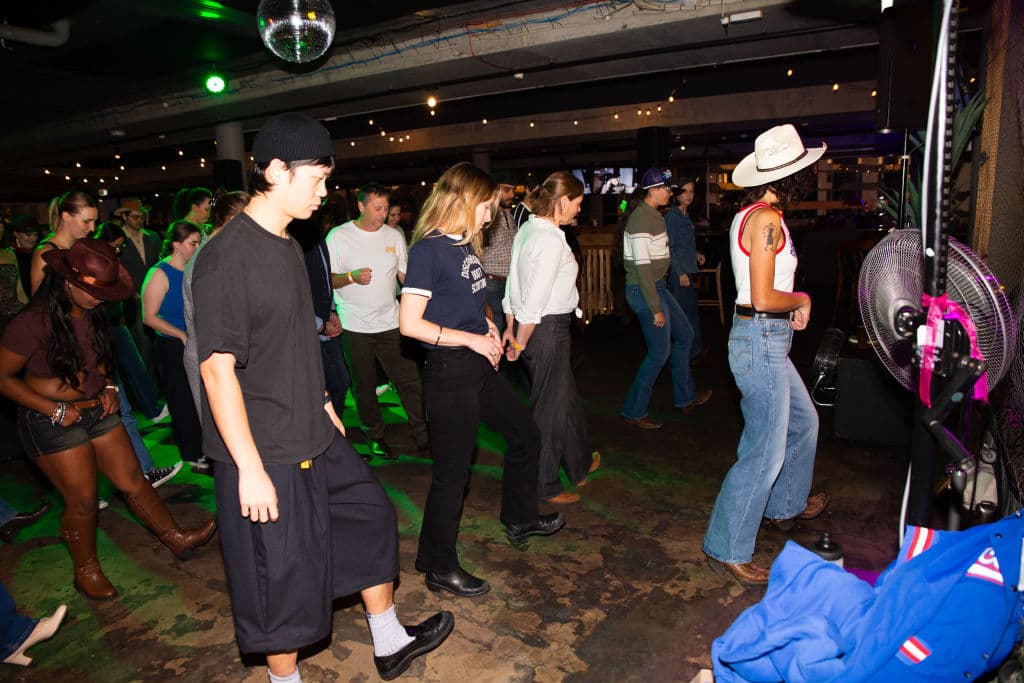
Each Moon Dog venue has a distinct theme and entertainment offering, often inspired by its location. Moon Dog Wild West in inner-west Melbourne is a prime example – a saloon-style establishment with a central mechanical bull that’s free for patrons to use.
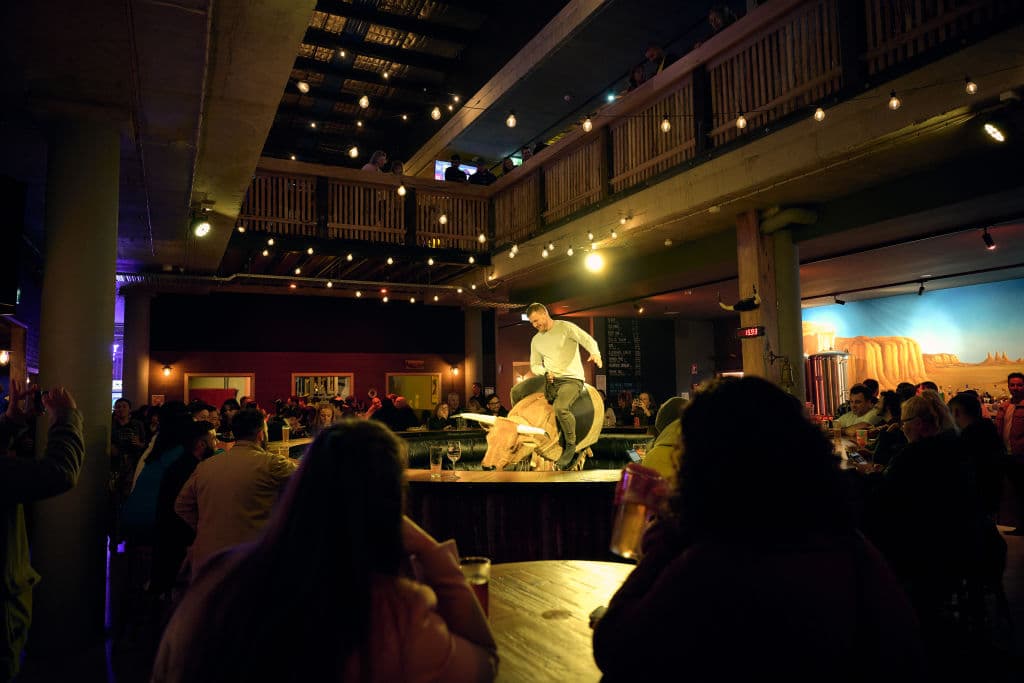
“We just wanted to have people go, ‘Why would you do that? What is going on here?’” Hornung says. “I still see people walk in, and they’re like, ‘What is going on here? This is amazing.’
“You’re at a venue with all these people who you don’t know, and you’re all there together. It’s a really cool community-building sort of vibe.”
At other Moon Dog venues, there are regular themed events that attract diverse customers, such as record fairs, line dancing classes, niche trivia nights and family days with a rotating roster of kids’ entertainment.
“We always try to do activities that can bring in a wide range of people … while maintaining the essence of the venue,” Hornung says.
High-yield family zoning capitalises on underutilised space
One of the biggest shifts for pubs in recent years has been their evolution from adult-focused hospitality spaces to all-ages venues where even kids are well catered for.
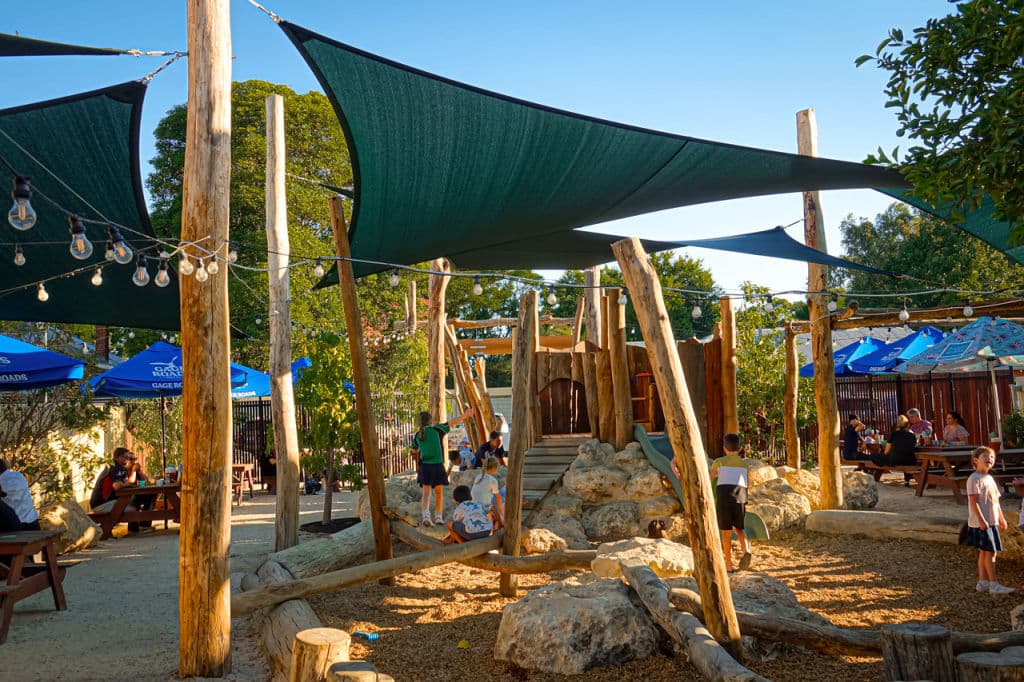
Many pubs now feature dedicated playgrounds or toy spaces, weekly activations like petting zoos and face painting, and school holiday programs that help draw in local families.
“We’re seeing playgrounds and things like that all the time in suburban areas where they’ve got the space,” McDonald says.
It’s a strategy that Perth institution The Stirling Arms chose to implement when new owners took over.
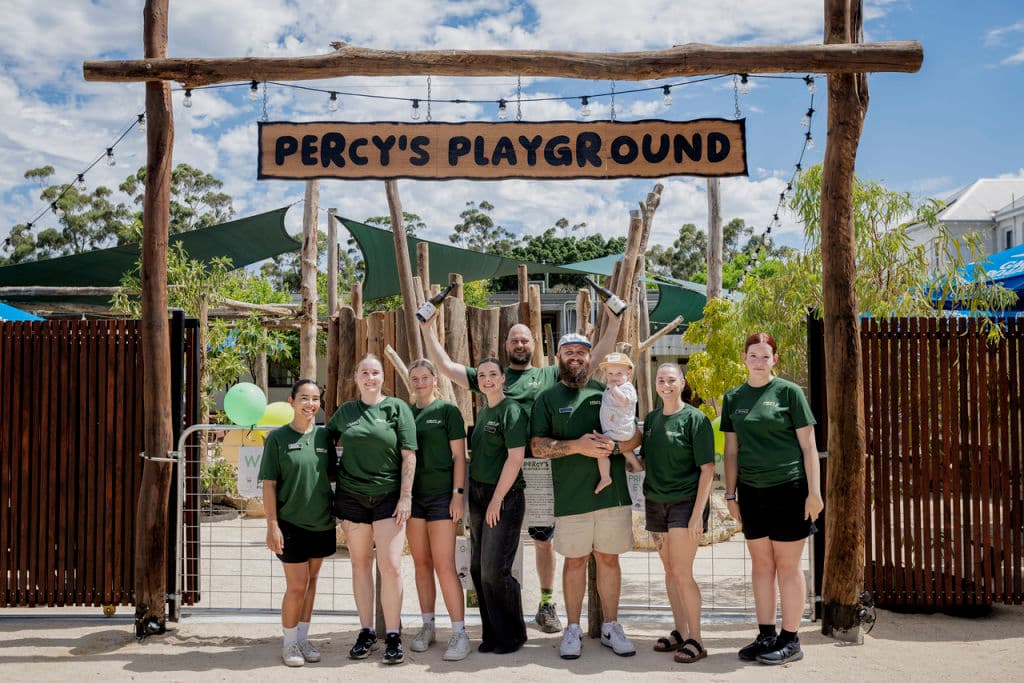
Jesse and Hannah Casserly bought the historic pub in 2024 and quickly set about transforming it into a family-friendly destination.
“Hospitality has become much more experience-driven, and we saw an opportunity to offer something that benefited both our guests and the long-term sustainability of the business,” Hannah says.
“Rather than simply adding another playground, we wanted to create a destination that encouraged families to stay longer and visit more often.”
The playground has also allowed the publicans to activate a previously underutilised part of the property.
“Before Percy’s Playground, that area was largely used for bins, empty kegs and general waste,” Hannah says. “Today, it’s one of the hero spaces of the venue.”
The commercial benefits have been significant: Hannah says they consistently see longer dwell times, increased day trading, repeat visits and higher food and beverage spend.
“We actually achieved our first full-year revenue forecast within just six months of opening Percy’s Playground,” she says.
While the experience evolution is spreading through pubs nationwide, McDonald says it’s not necessarily the right strategy for every venue.
“It’s not for everybody, it’s not for every operator,” he says. “That comes down to location and offering.”
Joliffe agrees, adding that this is where some hoteliers may come unstuck.
“We tend to see the most material missteps arrive when hoteliers introduce an offering more consistent with their own tastes, or those they wish to overlay on a patron base,” he says.
Hornung says Moon Dog Wild West once also featured a playground, but the team quickly realised the installation wasn’t the best fit, reflecting a willingness to adapt to customer expectations.
“The playground … honestly, never got used. So we took it out and turned it into an arcade,” he says. “You’ve got to be flexible. You’ve got to be willing to adapt.”
Finding the right experience is only part of the equation. McDonald says operators still need to ensure their offerings resonate with the communities they serve.
“The best executed entertainment venues will continue to attract more and more people; they have to keep evolving to stay relevant,” he says.
“It’s about striking that balance between serving the existing community while also growing.”