Cinema magic up for grabs with the sale of The Astor in Ararat
A landmark regional cinema that has shaped Ararat’s community for nearly nine decades has been offered to the market, beckoning a buyer with a passion for the silver screen to join its legacy.
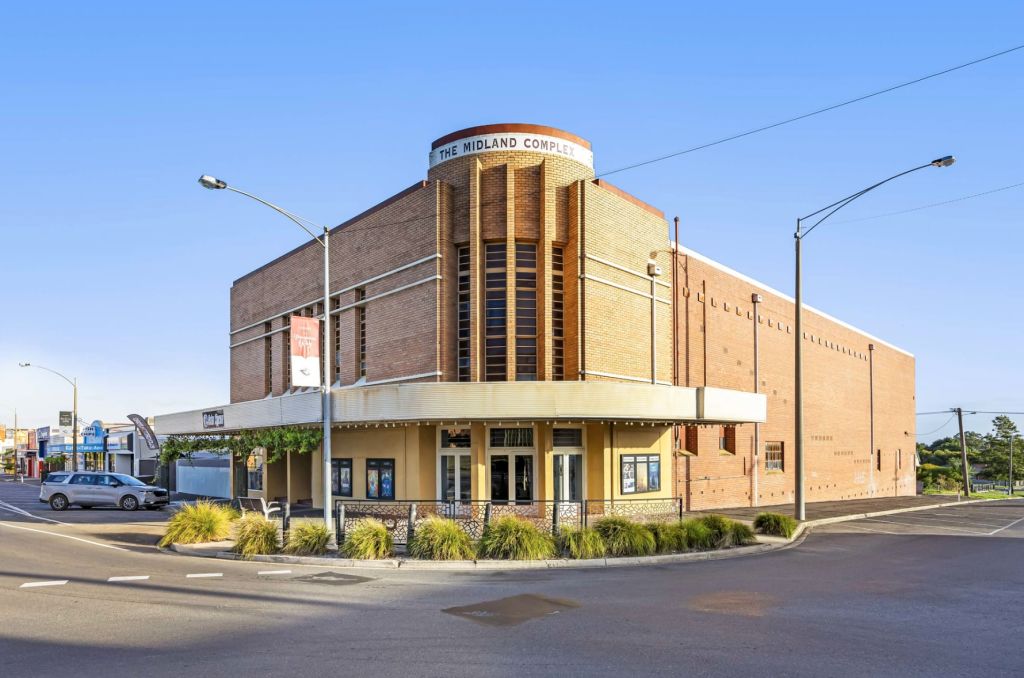
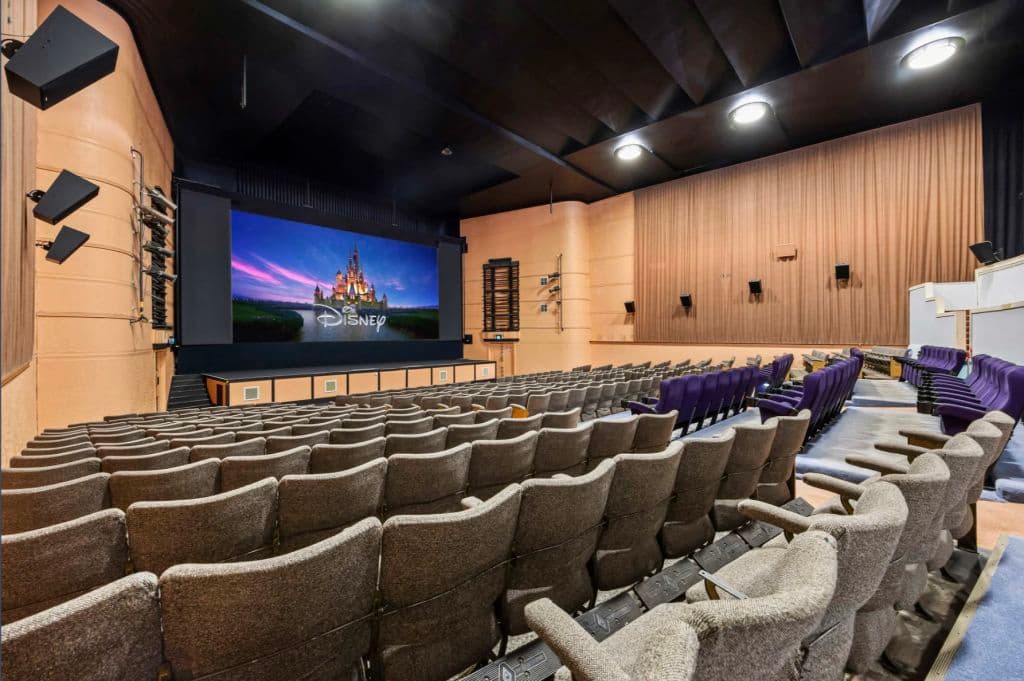
The Astor Cinema was constructed in 1938 and features many of its original details, including an expansive main auditorium, high ceilings and brick exteriors that reflect an era when cinemas served as shared town halls and a place for locals to gather and socialise.
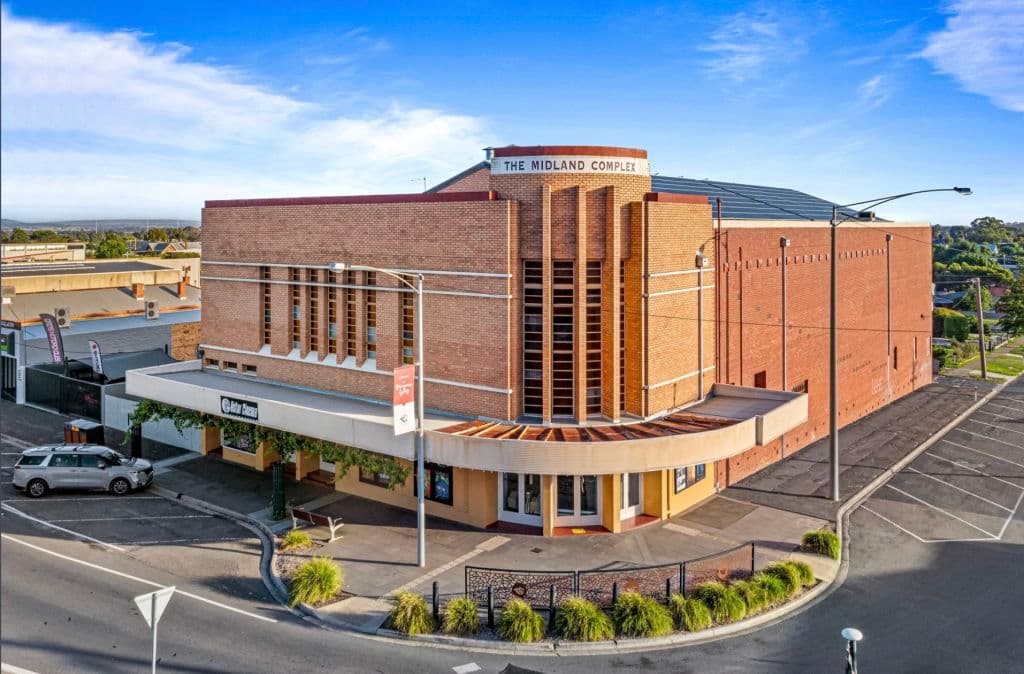
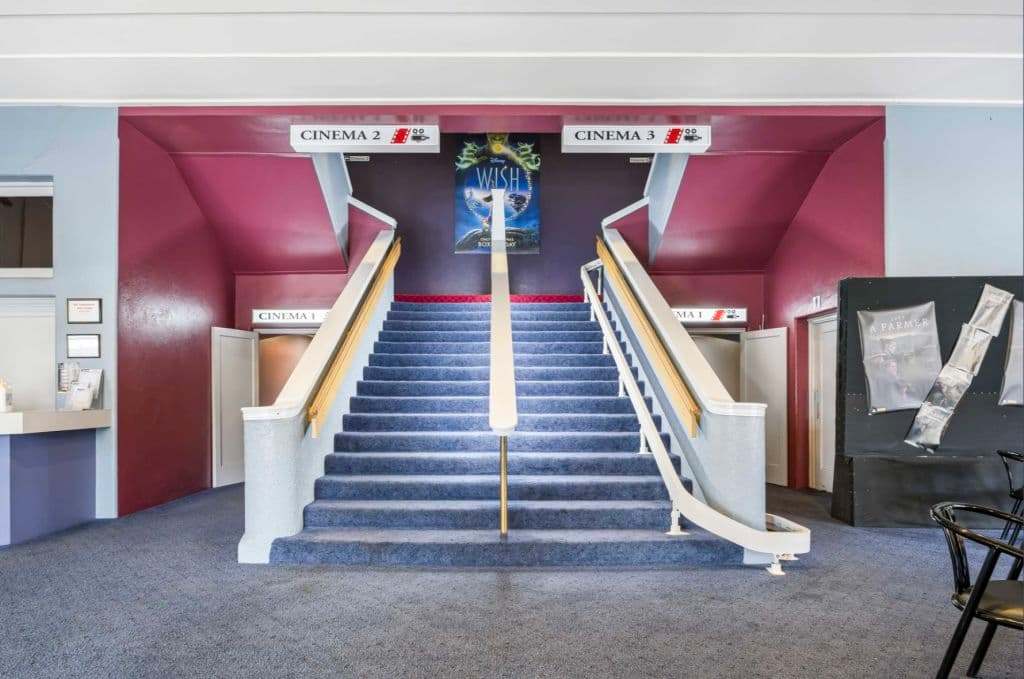
The distinctive architecture remains one of the building’s defining features today. The original ground-floor cinema is still the main hub while two smaller upstairs cinemas were added during a major refurbishment in 2005, allowing the property to balance heritage character with contemporary functionality. Together, the three-screen configuration provides flexibility for mainstream releases, boutique programming and private or community event hire.
Bradley Jensen, Director and Licensed Real Estate Agent at Nutrien Harcourts Ararat, says the property’s appeal lies as much in its role within the region as in the building itself.
“It’s such a unique listing,” Jensen says. “You don’t often see something like this come to market, particularly one where the history and the intimate details of the property have been so well documented.”
The cinema has been operated by the current owners for almost 25 years, after purchasing the business in 2002. Now both in their 80s, the owners have made the decision to sell, believing the time is right to pass the venue on to a new custodian.
“They really understand how important it is for the town,” Jensen says. “It’s a passion project for them – not just because they love cinema, but because they know the town needs it.”
The Astor is the only cinema within a 100-kilometre radius, with Ballarat located more than an hour’s drive to the east and Horsham the same distance to the west. As a result, it services a broad regional catchment and is well supported by surrounding towns, schools and community groups. Local schools regularly use the venue for graduations and end-of-year events, reinforcing its role beyond traditional film screenings.
While the fundamentals of operating a cinema can be complex, Jensen notes that interest has predominantly come from out-of-town buyers who recognise the asset’s long-term value.
“A lot of locals couldn’t afford it, and many wouldn’t have the expertise to run it,” he says. “But we’ve had strong interest from buyers who see the opportunity – people who might want to relocate and work in an industry they’re passionate about.”
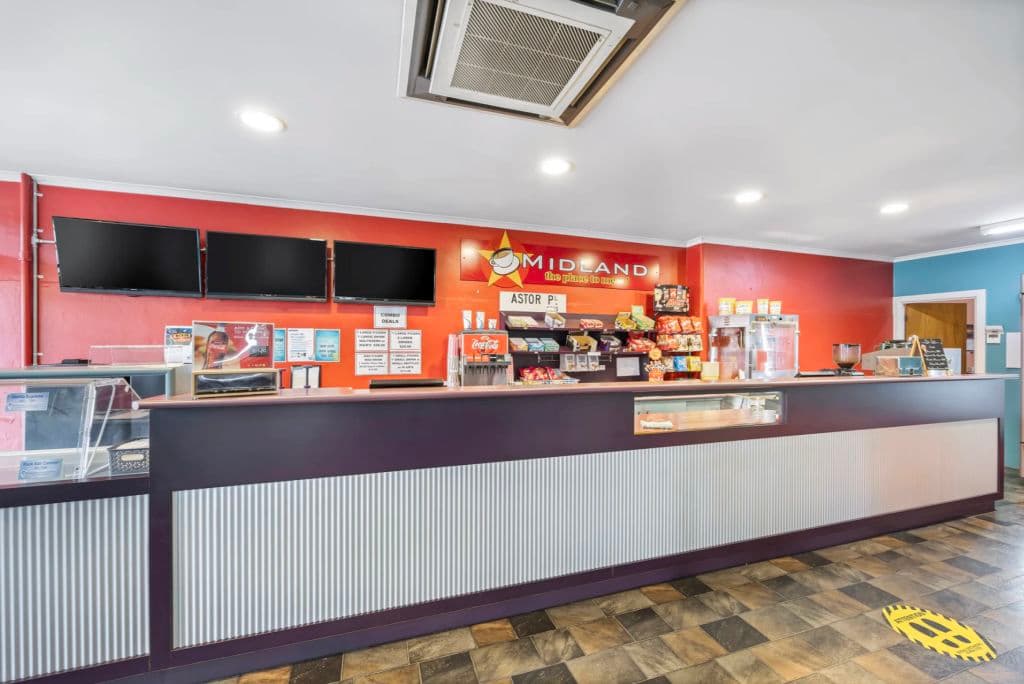
He adds that the opportunity may also suit buyers looking to diversify the offering, with potential for complementary uses such as a cafe or expanded event programming to strengthen the venue’s financial resilience.
“Once buildings like this close, they’re very hard to reopen,” Jensen says. “Finding the right buyer isn’t just about a transaction – it’s about keeping something vital alive.”