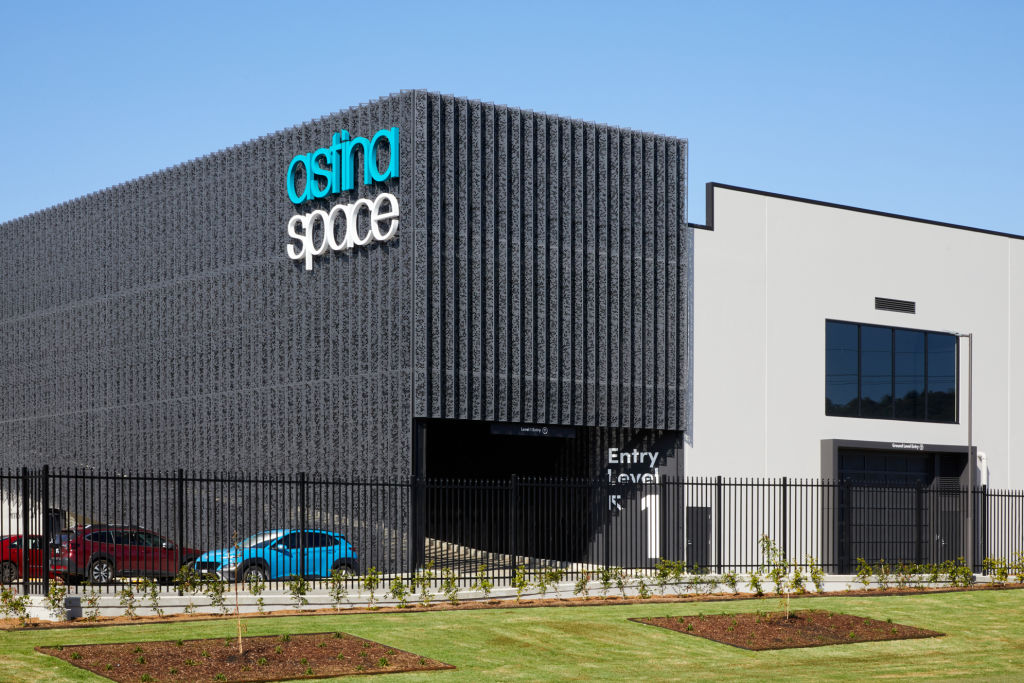
$70m Astina Space micro-industrial estate launches in Western Sydney
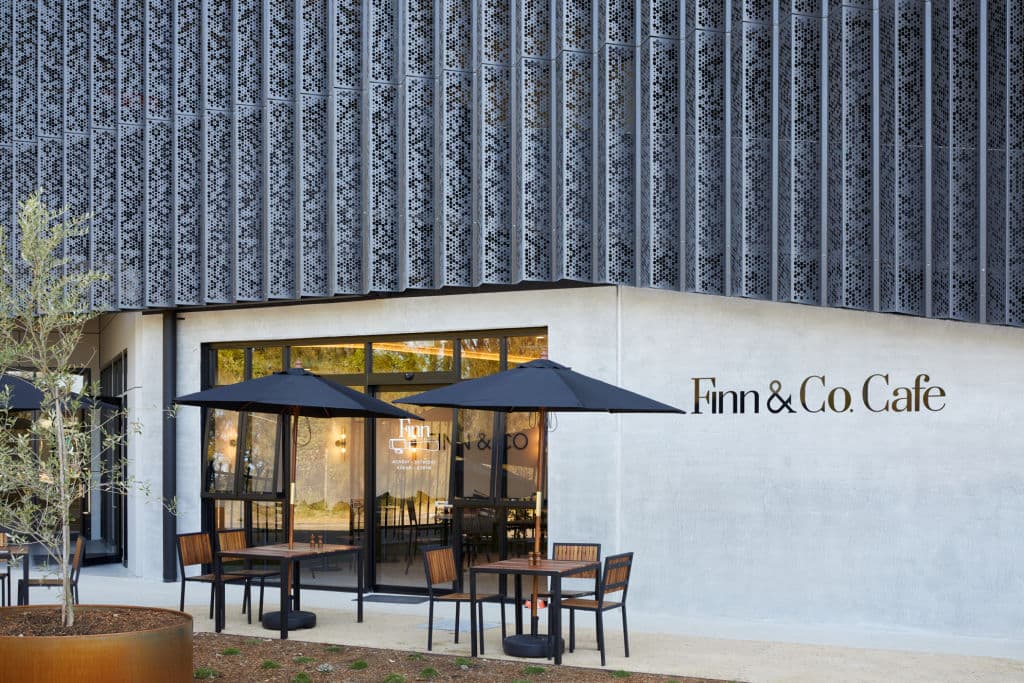
A shared concierge service, a cafe, a photography studio, a communal boardroom, a residents’ social club, access to a photocopier, provision for delivery and drop-offs …
These are all the facilities you’d now expect to find in an upmarket residential apartment building, or a quality co-working space. But then move down the list a little.
Two communal trucks … a forklift … a trailer … What?
This, they say, is the future of small industrial estates: micro-units with a rich overlay of hospitality services. It’s a pioneering project that’s been launched in Western Sydney and is likely, says the businessman behind it, to be the first of many Australia-wide.
“This is micro-industrial, but it looks more like residential or co-working with those extra services provided for everyone,” says Peter Chittenden, the managing director of project lead Woodhill Property.
“It creates a real ecosystem for people to work in and adds so much value to what they’re doing.
“I think it’s for sure the start of a new trend. It’s a great opportunity for small business to upscale their work and the facilities they’re offering employees.
“It has all you need from an industrial space with high five-metre-plus ceilings and two levels in each space. But it also has so much more.”
The $70 million strata-titled 256-unit micro industrial estate Astina Space, from developer Astina Group, is located in Emu Plains, near Penrith and close to the M4, the new airport and the emerging Aerotropolis.
Priced from $283,000 per unit, with sizes from 21 square metres to 75 square metres when combined, they’re aimed to be as easily affordable for a small business as they might be for a hobbyist wanting to tinker with cars or boats.
In addition, each purchase includes automatic membership of the hotel-club-style The Astina Club, with its concierge, shared equipment and business platform, and access to all facilities. It’s also designed to get tenants talking and trading with each other rather than operating in isolation.
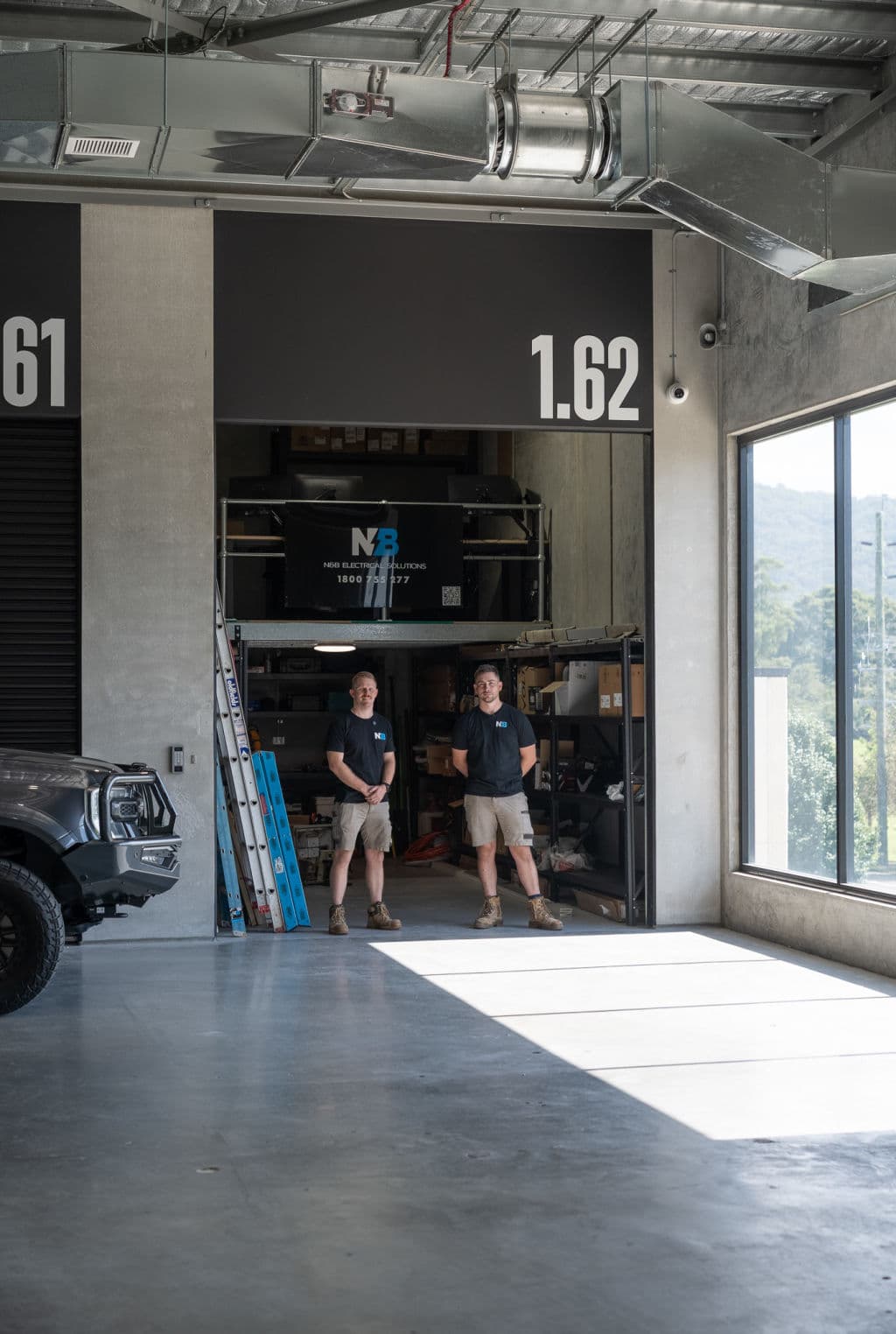
Among the first to buy a unit was the team at N&B Electrical Solutions, who liked it so much they then bought a bigger one. Previously, they’d been running their company from their homes and garages, but now love having the space, the 24/7 access and the added services.
“It’s been fantastic for us,” says director Nathan Wainwright. “We’re not really big enough to run a full-blown warehouse, but here we run our trade and an office and storage out of our space.
“It offers so much more than that, too. “The cafe is built on, and we have an account there; we find a caffeinated employee is a good employee!
“And we can use trucks when we need them for free, we’ve used the conference room for first aid training, and having a concierge service is awesome. It’s kind of a little bit of a community here as well, as we do a bit of work for each other and refer work. It’s been really great.”
Shared infrastructure slashes small business overheads
In what’s believed to be a model that’s the first of its type in the industrial sector, that shared infrastructure is aimed at reducing operating costs for those with units in the estate.
Commercial sales agent Tony Grbcic of Kollosche on the Gold Coast says he’s never come across this kind of scheme before.
“But it’s a good idea,” he says. “I don’t know why no one has thought of this before in Queensland.”
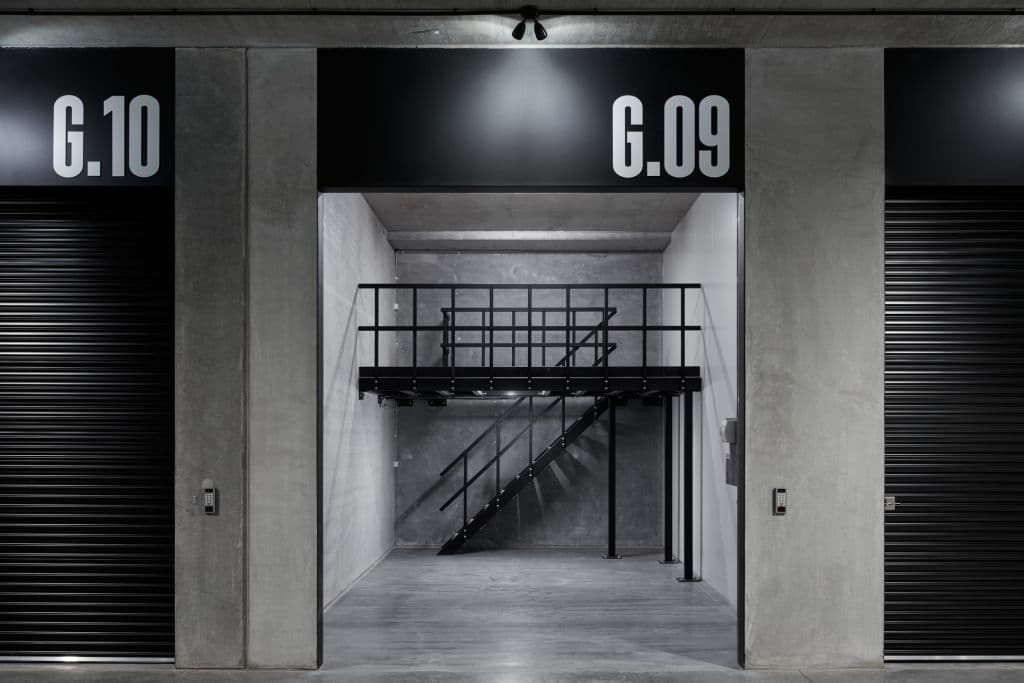
While owners pay quarterly strata levies, the project also has the potential to save costs, the developers feel.
“At a time when every dollar of operating cost is under scrutiny, the last thing a small business owner needs is a workspace that adds pressure,” says Astina Group co-director William Schrumpf.
“We’ve built shared infrastructure into the product, including vehicles, equipment, concierge and leasing support, so occupiers can direct their energy and capital into running their business, not maintaining their premises.”
For investors, especially those wanting to invest through a self-managed super fund while navigating the new restrictions on buying residential property, Astina Group estimates gross yields of 5.5 to 7 per cent.
“Investors will see it as a relatively low-cost, income-producing foothold into the Western Sydney industrial market,” Chittenden says.
“We even had one grandfather buy one each for his nine grandkids to set them up investing for the future rather than giving them their legacy early in money. That looks like a good idea.”