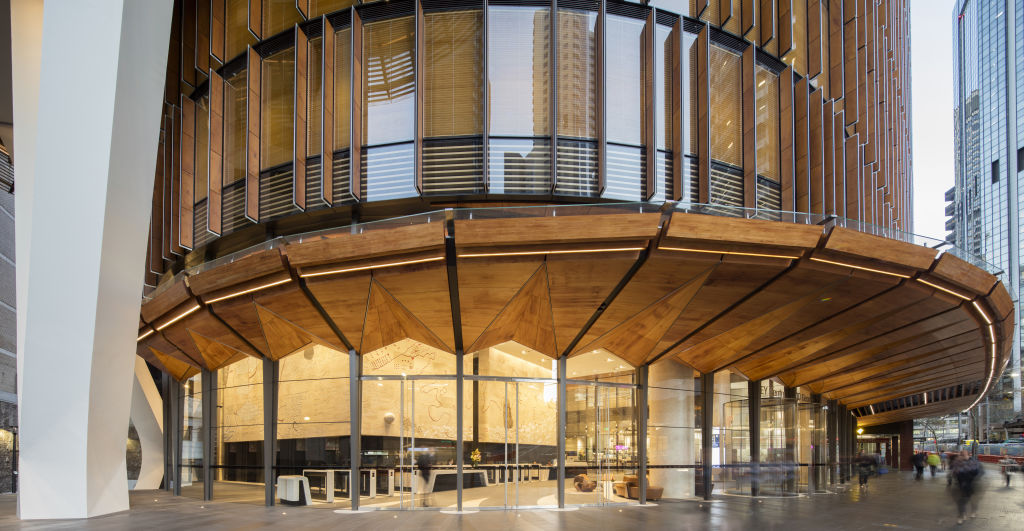
Zero-carbon goals spark electrification race
The race to decarbonise has sparked an electrification race across Australia’s major office markets.
Last year, JLL recorded nine buildings in Sydney and two buildings in Melbourne switching from gas to electricity and this year, a further nine in Sydney and six in Melbourne are expected to make the switch by 2027.
Shifting from gas to electricity, or repositioning, is being driven by pressure from major tenants with net-zero commitments.
It’s also being spurred on by the “green premium, brown discount” factor, where buildings with better environmental credentials are fetching greater rents and lower vacancy rates than so-called “brown” or older buildings with poor sustainability performance.
Research by Connor McCauley, head of sustainability at JLL, found green office buildings with high NABERS standards had an average 5 per cent lower vacancy rate and 10 per cent higher net face rent than the rest of the market.
The number of existing buildings repositioning has been slow over recent years, with further JLL research suggesting that by 2027, all-electric stock across Sydney and Melbourne CBDs will reach only 1.2 million square metres – just 15 per cent and 7 per cent of total stock, respectively.
However, the pace is starting to pick up as a construction shortage hits Australia’s office market.
McCauley said he was hopeful Australia could reach the federal government’s 82 per cent renewable energy target by 2030 to help reach net-zero emissions by 2050.
“If we’re in a situation where we’ve achieved this 82 per cent renewable energy target that the government’s set out on our grid by 2030 and a lot of the corporate commitments need to have more or less a 50 per cent reduction in emissions by 2030, then it’s almost stacking up,” he said.
“If we’ve got a highly renewable grid, if we’ve got corporates keeping their commitments and achieving these big reductions, then it’s just going to drive more demand for these spaces.”
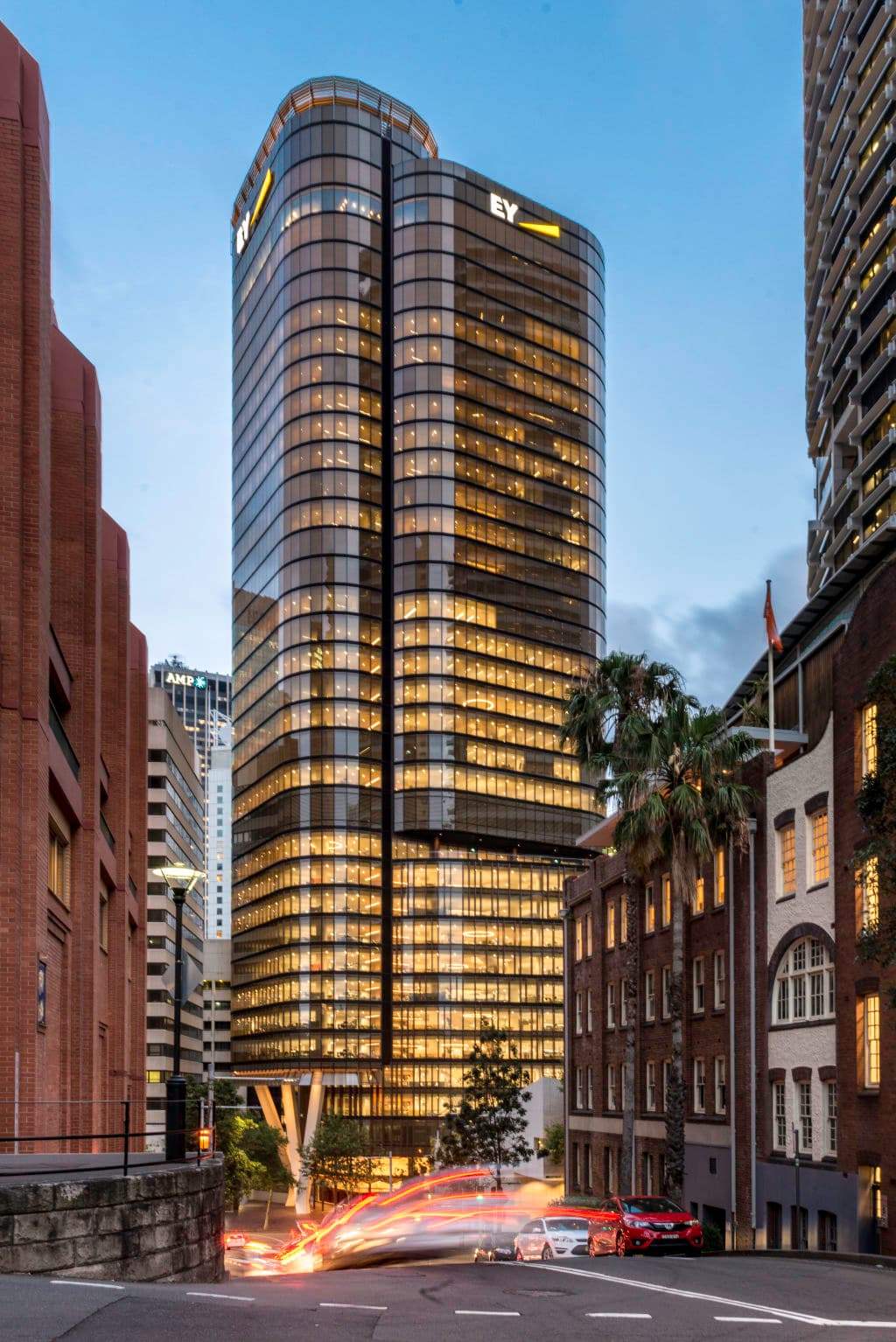
The 37-storey EY Centre at 200 George Street in Sydney’s CBD is one of the buildings in the process of moving from gas to electricity.
“It’s probably the biggest project and the most complex project that we’ve done,” said David Palin, Mirvac’s director of ESG.
“We’re actually doing both the domestic hot water and the heating hot water for the air-conditioning system. That’s probably the most complex that we’ve done so far and those works are underway right now.”
Palin said Mirvac had strategically timed its move away from gas when it became time to update bathrooms or kitchens in large office buildings. This means end-of-trip facilities can be repositioned and refurbished simultaneously.
Mirvac is currently working on three other repositioning projects at the Bay Centre and 1 Darling Island Road, both in Pyrmont, as well as 101 Miller Street in North Sydney.
Palin said the impetus to decarbonise existing buildings was both environmental and financial.
“It’s putting you in a really strong spot when you are competing for tenants in what is a challenging environment at the moment,” he said.
“We all feel that it really is the way of the future. If you’re using gas, you’ve got to buy offsets, and there’s volatility in those markets, but there’s also that potential reputational risk around using offsets and the amount of work you have to put into that.
“I think in the next 10 years we’ll see almost every A- and premium-grade asset will be electrified.”
Research by Savills found companies pushing the race to reposition are financial services, technology, and life sciences firms. This reflects Australian Council Superannuation Investors data showing that 94 per cent of ASX50 companies and 66 per cent of ASX200 companies have now set net-zero commitments.
Environmental, Social, and Governance (ESG) mandates are fast-moving from a reputational consideration to a regulatory obligation, said Chris Rowe, state head of NSW office leasing at Savills.
“Mandatory climate-related reporting will be phased in over the coming years, initially targeting the largest companies and progressively extending to more businesses,” he said. “This is driving greater collaboration between owners and tenants, as both parties face increasing reporting requirements.”