Inside the world’s best airport lounges
It’s no secret that premium airport lounges have become one of the travel industry’s hottest status symbols; you only have to scroll through the social media profiles of socialites and travel influencers to see it for yourself.
As global air travel continues to rebound and competition intensifies among international carriers, these spaces have evolved into some of the most sophisticated commercial interiors in the world.
No longer just a place to wait, they operate as high-performing hybrid environments, blending hospitality, workplace, wellness and retail design within tightly controlled operational footprints.
From Doha to Hong Kong, Istanbul to Adelaide, airlines are investing heavily in lounge precincts as both brand flagships and high-value assets within airport real estate ecosystems.
Social media visibility, tiered loyalty programs and increasingly exclusive access have further intensified demand, pushing the airport lounge well beyond its original function as a premium amenity.
Now, there’s a new generation of lounges designed to deliver comfort, choice and spectacle, balancing passenger wellbeing with the realities of operational efficiency and diverse traveller needs.
Here are six of the world’s best, from those that have proven to stand the test of time to the state-of-the-art recent openings.
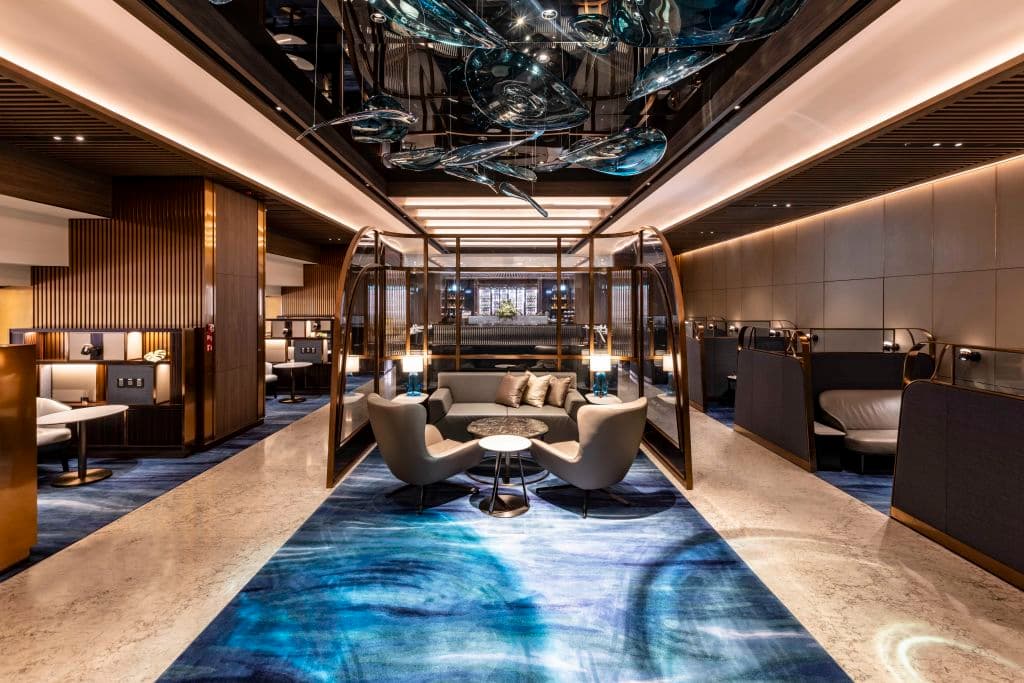
The Pier, Cathay Pacific, Hong Kong International Airport
Cathay Pacific’s The Pier lounge has long been recognised as a reference point in premium airport lounge design.
Serving both first- and business-class passengers, the lounge is structured around the concept of a residential retreat, with zones that prioritise privacy, calm, and intuitive circulation.
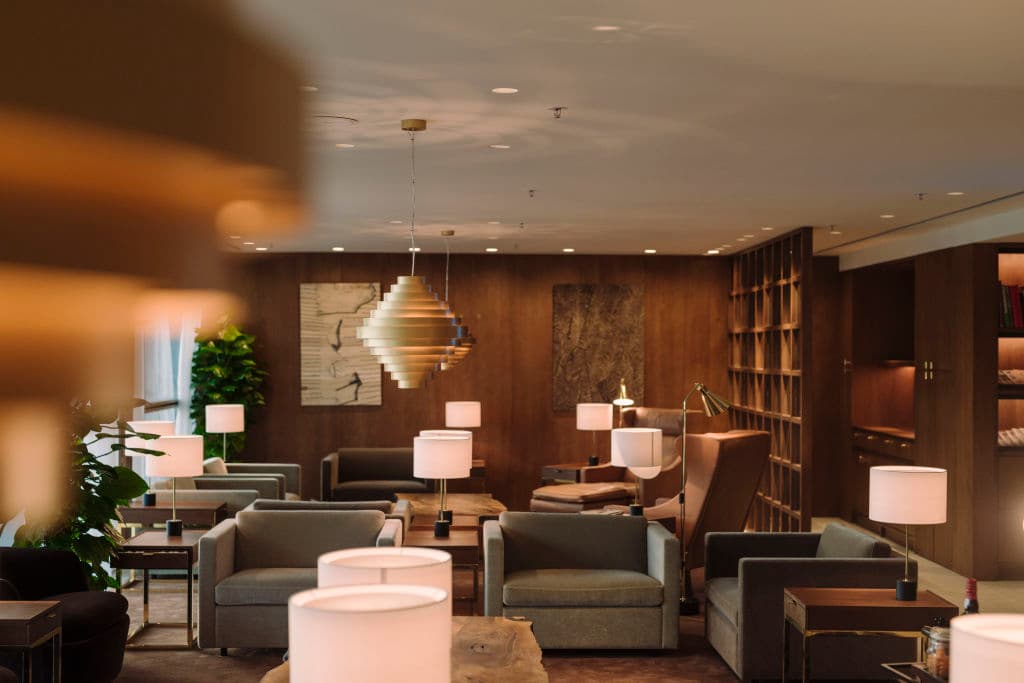
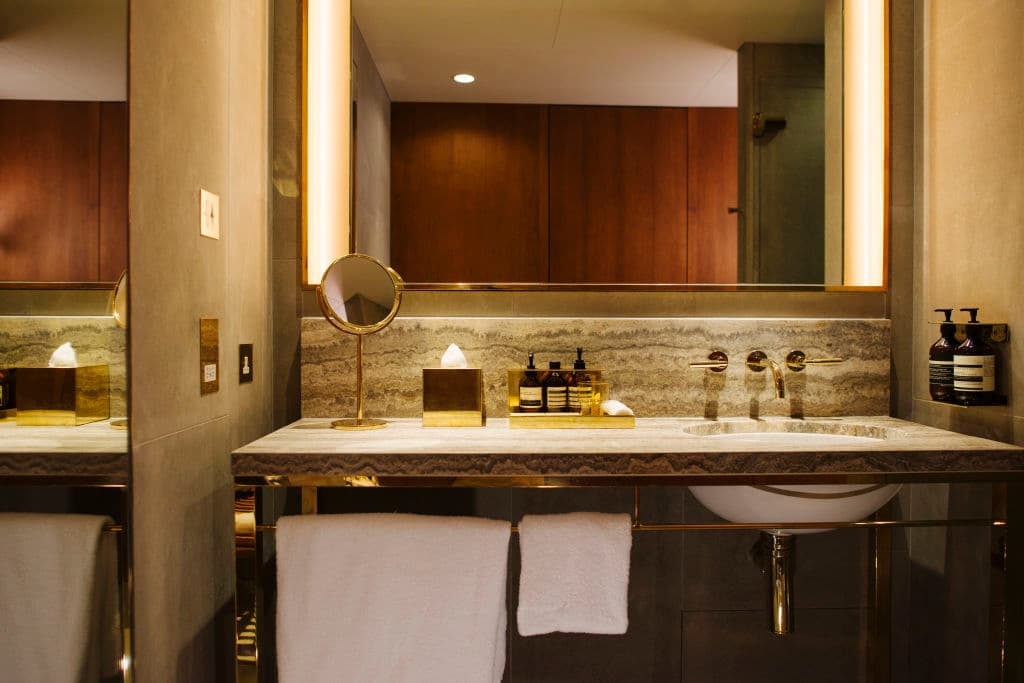
The interior architecture emphasises restraint and longevity, favouring timeless materials and adaptable layouts that support evolving passenger behaviours.
Rather than overt branding, the space relies on subtle spatial sequencing and acoustic control to create a sense of separation from the terminal environment.
For today’s developers and operators, The Pier is a shining example of how understated design can deliver enduring value, reducing the need for frequent refurbishment while maintaining a premium experience.
Qatar Airways Al Mourjan Business Lounge – The Garden, Doha
Airports across the Gulf (like most hospitality venues in the region) are renowned for setting and maintaining high standards, and, of course, Qatar Airways’ Al Mourjan Business Lounge is no exception.
The Garden spans more than 7390 square metres and accommodates up to 707 passengers, positioning it among the largest premium lounges globally.
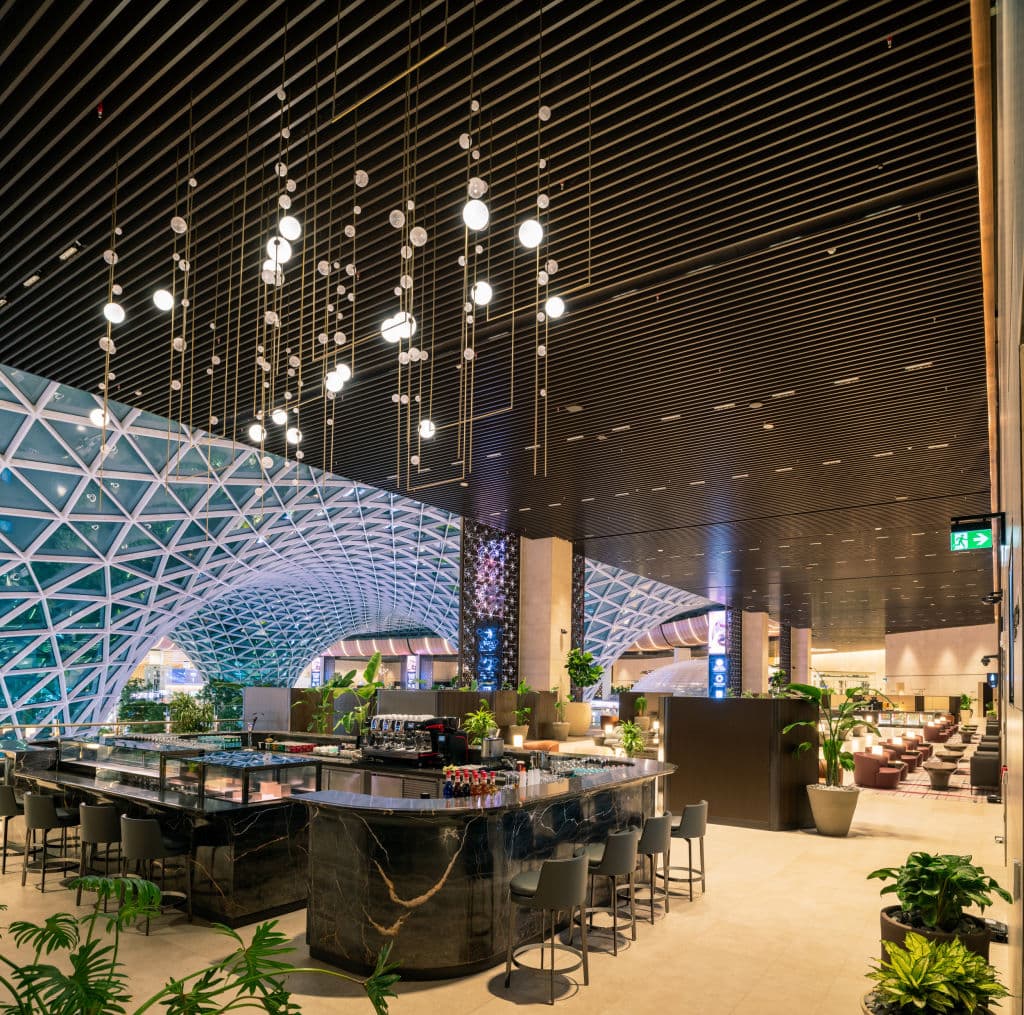
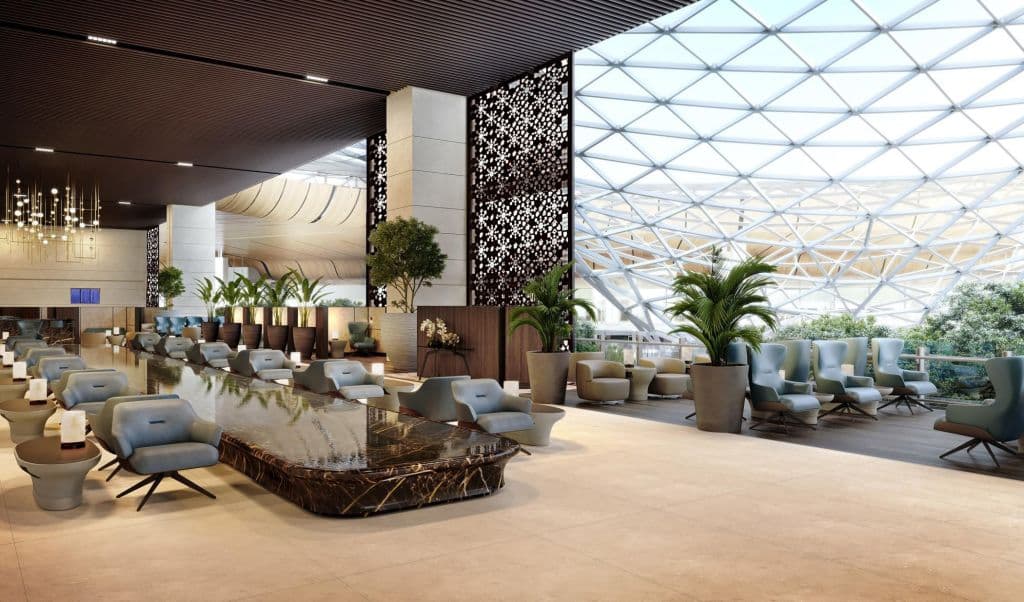
Designed as a sanctuary within Hamad International Airport, the lounge draws heavily on natural light and biophilic cues, with sight lines and material palettes responding directly to The Orchard indoor garden precinct below.
The planning strategy balances density with retreat, incorporating 24 quiet rooms, seven spa treatment suites and a variety of seating typologies that cater to both productivity and rest.
The Etihad First Class Lounge & Spa, Etihad Airways, Abu Dhabi
Just a stone’s throw away, The Etihad First Class Lounge & Spa at Abu Dhabi International Airport is another stand-out example of how airline-led interior design can elevate airport real estate into an integrated hospitality destination.
Far from a conventional waiting area, this lounge forms part of Etihad’s broader premium precinct and was designed as a sequence of environments to support rest, work, socialising and wellness under one roof.
Aligning with Etihad’s brand ethos of curated luxury, the First Class Lounge departs from standard open-plan configurations.
Plush seating alcoves and quieter retreats sit alongside social dining spaces and immersive wellness zones, including the internationally recognised Wellness Spa by ESPA, which brings a world-class spa experience into the airport context.
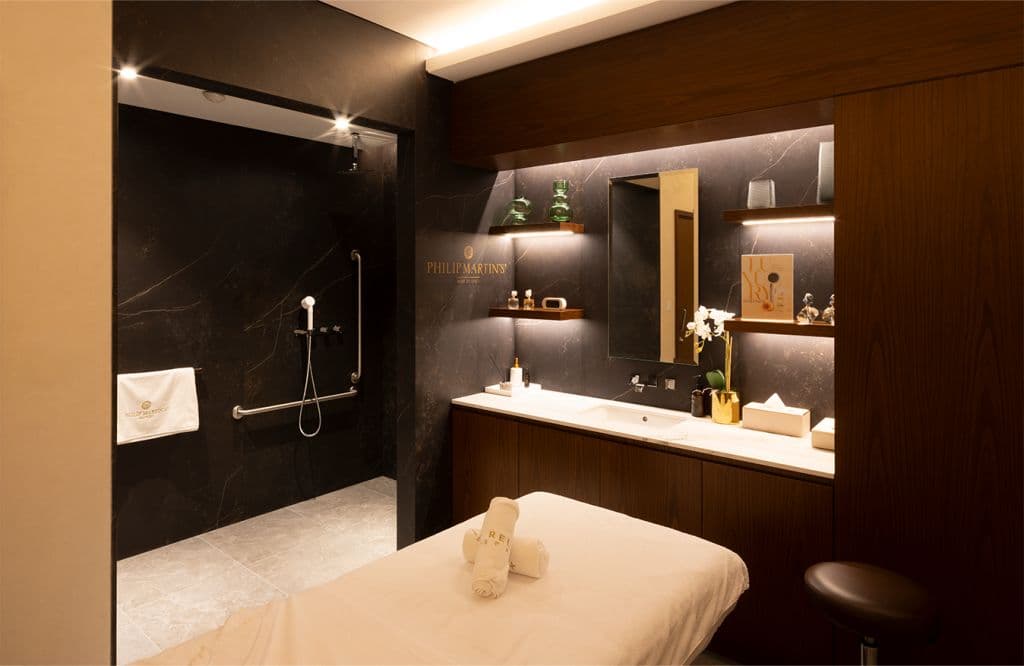
From a design perspective, the lounge layers experience over efficiency.
Daylight is modulated through bespoke screens and architectural geometry, while rich timbers, tactile upholstery and muted metallic accents create depth and calm.
This strategy also supports non-aeronautical revenue uplift, increasing dwell time and passenger spend within a secure zone.
Turkish Airlines Lounge, Istanbul Airport
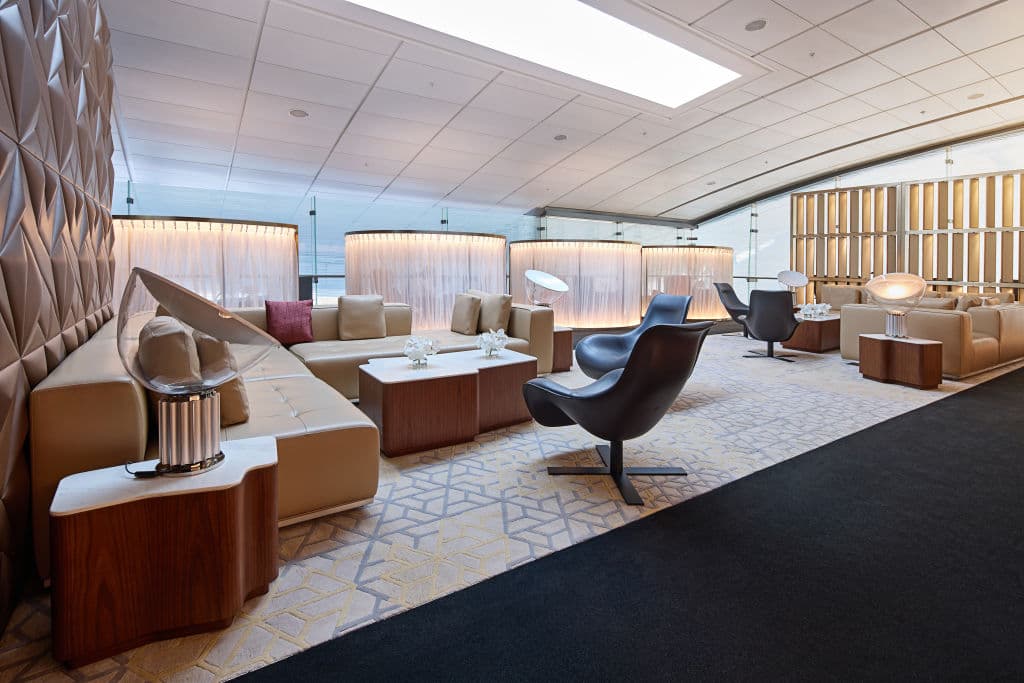
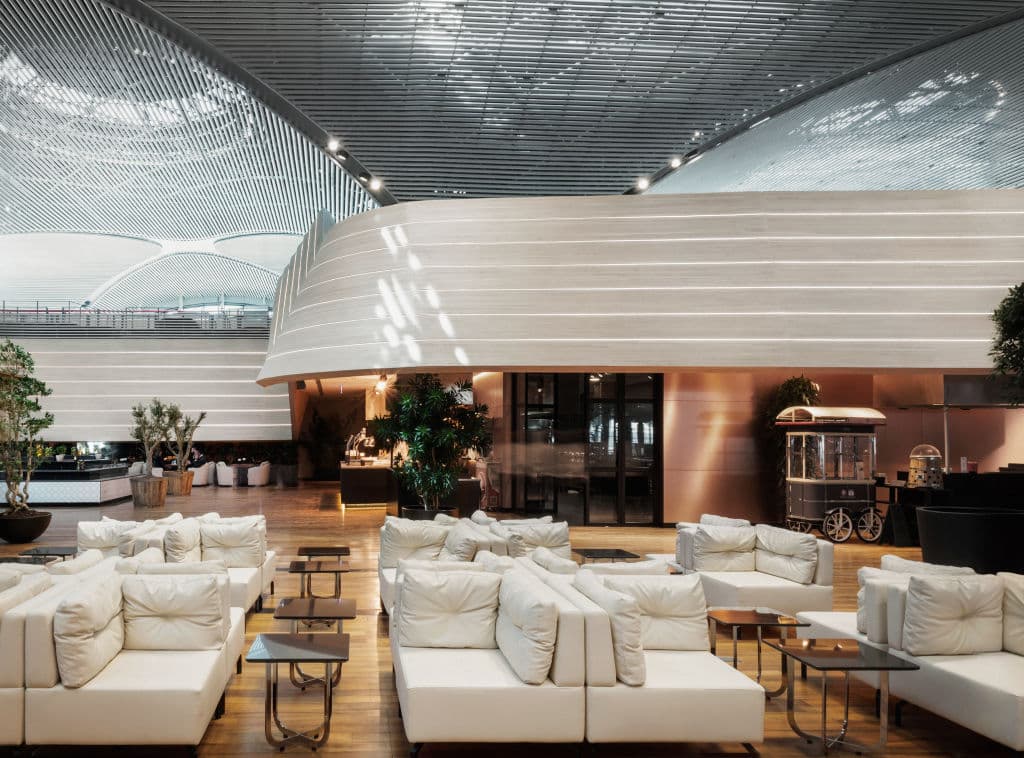
At Istanbul Airport, Turkish Airlines has created one of the most expansive lounge environments in global aviation, using scale as both a functional and experiential tool.
Rather than concentrating activity into a single central space, the lounge disperses programs across a broad footprint, accommodating dining, entertainment and family areas without compromising on experience for any demographic.
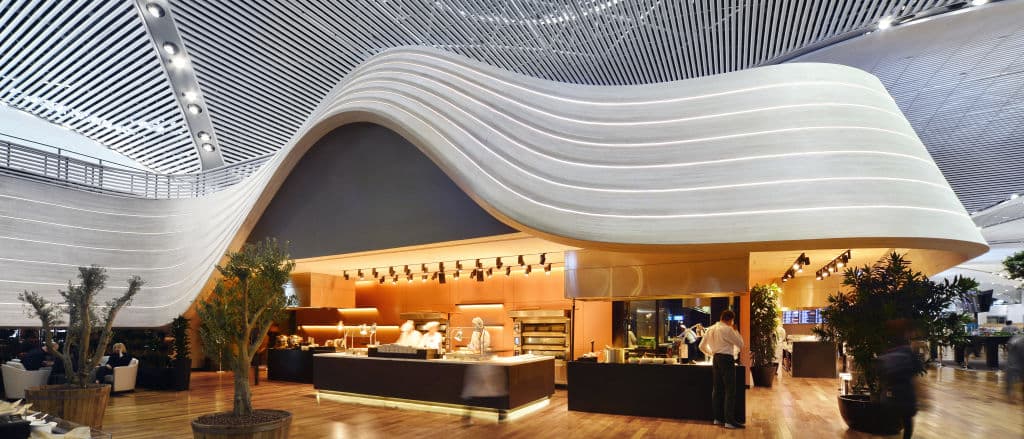
The interior is organised to support continuous movement, with long sight lines and intuitive circulation helping passengers navigate the space even during peak travel periods.
This distribution-driven approach allows different uses to operate simultaneously without visual or acoustic interference.
Scale is operational, allowing Turkish Airlines to absorb peak passenger volumes while maintaining a sense of choice and spatial generosity.
Qantas Lounge Precinct, Adelaide Airport
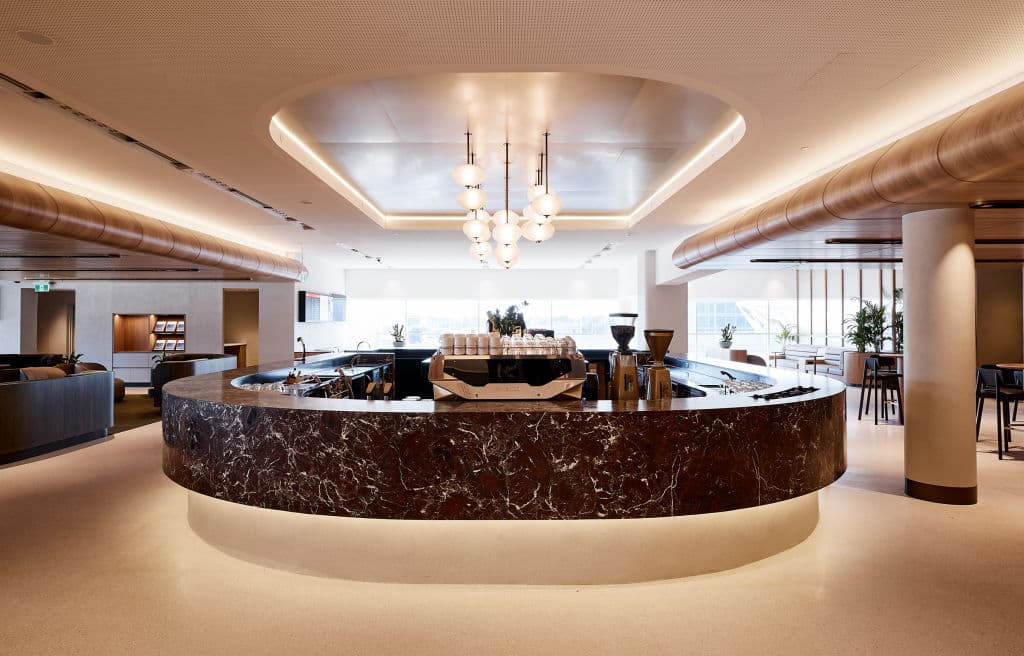
Designed by Architectus, the new Qantas Lounge Precinct at Adelaide Airport reflects the city’s growing profile as both a business and leisure destination.
As the South Australian capital continues to attract increased passenger numbers and new airline services, the lounge upgrade signals a shift toward more considered, long-term passenger infrastructure.
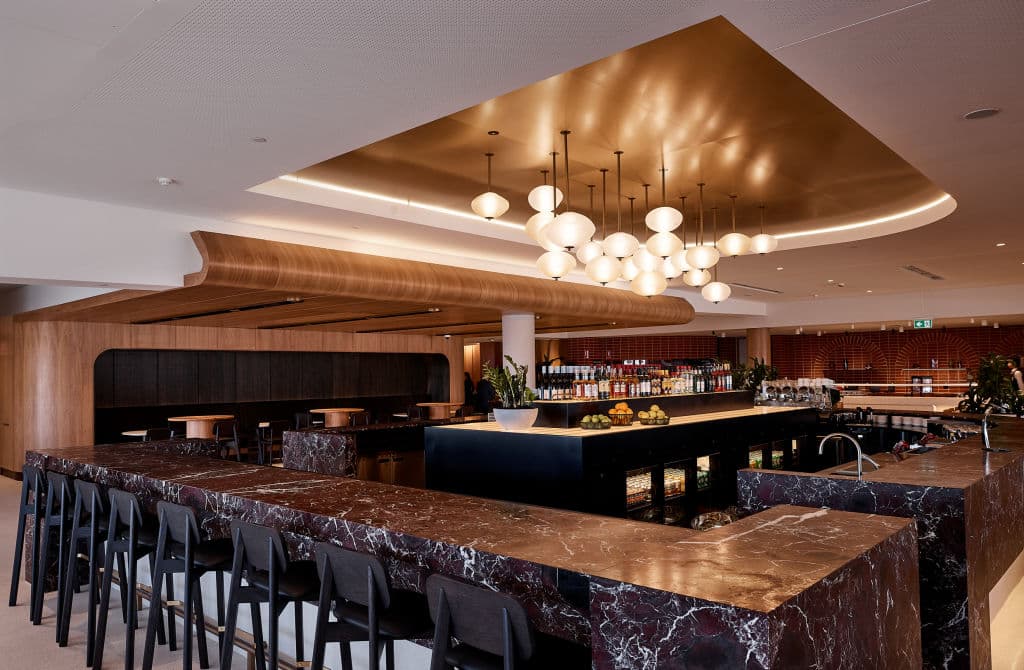
The project consolidates multiple Qantas lounge offerings into a single, cohesive area, improving spatial efficiency while responding to changing usage patterns.
Rather than replicating larger east coast terminals, the design draws on Adelaide’s local character, using material cues and a sense of openness to create a calmer, more grounded experience.
Singapore Airlines Lounges by HBA
At Singapore’s Changi Airport, Singapore Airlines’ lounge precinct, which was redesigned by hospitality and interior specialists HBA Singapore, reframes the premium pre-flight experience as an extension of the airline’s brand.
Completed in 2022, the suite of lounges demonstrates how carefully curated interiors can translate in-flight service values into a grounded, spatial experience.
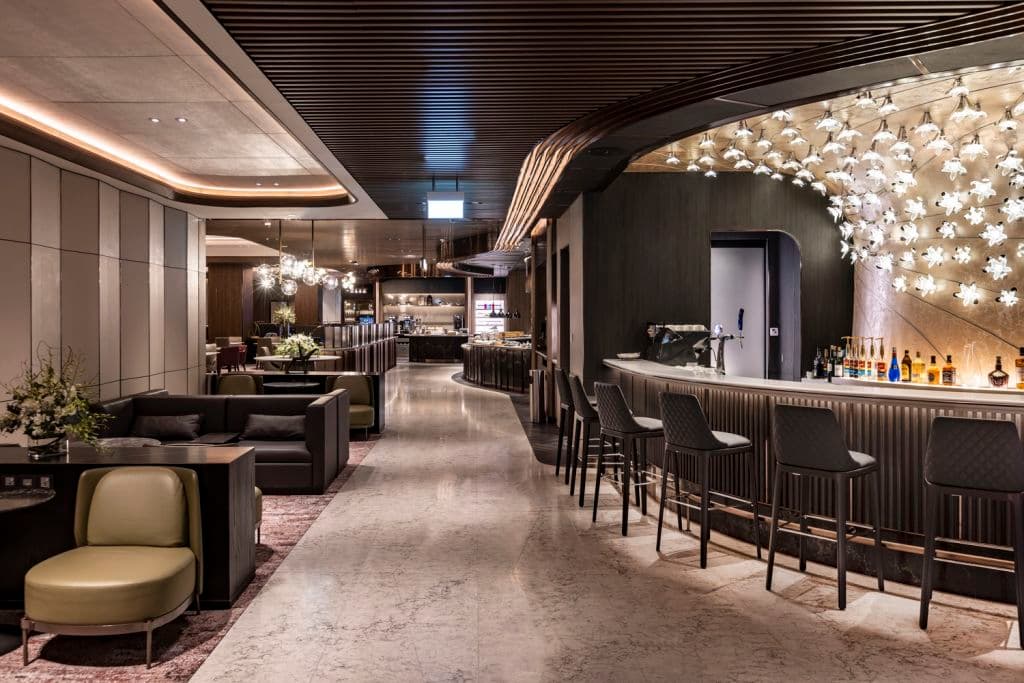
HBA’s design approach centres on strategic placemaking, beginning with a strong arrival sequence and unfolding through a cohesive yet varied series of interior zones.
Inside, curved circulation paths, textured surfaces and ambient lighting create a clear transition from terminal to retreat, while seating configurations support everything from social dining to focused work and rest.
Dining spaces double as integral architectural and subtle references to Singaporean culture, and locally inspired graphics give the space a distinct identity aligned with Changi’s global reputation.