Where are Australia's next commercial property hotspots?
Offices are tipped to return to favour with investors while industrial will continue to be a safe harbour for investors in 2026, experts predict.
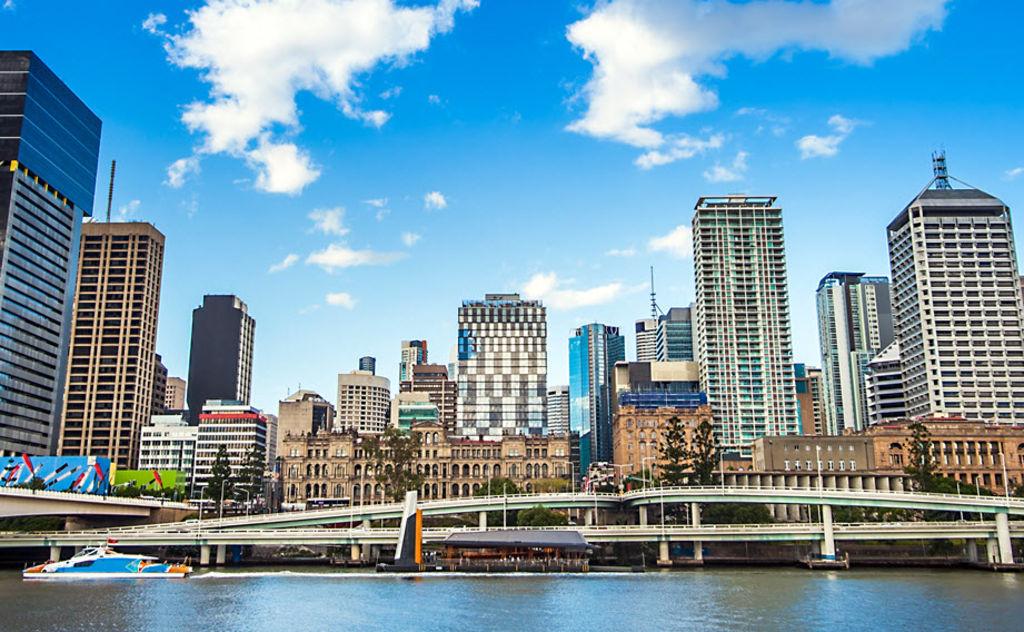
As investment capital follows the population north to Queensland, Brisbane along with it’s key coastal regions in the Gold and Sunshine Coasts are tipped to be hot performers.
Brisbane’s CBD will deliver the highest compound annual growth rate for rents in the country (7.1 per cent), outpacing Sydney (5.7 per cent) and Melbourne (4.4 per cent) between 2026 and 2030, according to the latest Knight Frank Australian Horizon report.
Elsewhere the smart money is on Melbourne, where a recent run of poor performance presents opportunities for savvy investors to enter the market at a lower price. While over in the west, Perth is shedding it’s image of resource reliance, with emergent opportunities across industrial assets, particularly those linked to defence.
Here are the commercial property hotspots tipped to dominate the market in 2026.
Queensland
Hotspots: Premium properties in Brisbane’s CBD, Brisbane Trade Coast and major regional centres.
While southern capitals grapple with tax changes and slower recoveries, Queensland is riding a wave of migration, infrastructure spending, and favourable tax settings for investors.
A-grade offices and industrial and commercial assets in key regions like the Gold and Sunshine Coasts are forecast to grow in 2026.
Knight Frank’s chief economist Ben Burston said top-tier CBD buildings will continue to outperform in 2026.
“While backfill space has been created by the new supply, availability in premium and high-A buildings has seen quick take-up,” Burston said.
“The difference between the top 10-15 buildings and generic A grade space will widen over 2026.”
The Brisbane Trade Coast has also emerged as a key hotspot. Anchored by the Port of Brisbane and the airport, this precinct commands a “substantial rental premium” over the wider market.
“With vacant freehold land virtually non-existent, land values are defying gravity, and rental growth is expected to outperform other locations,” Burston said.
One of the biggest shifts for 2026 will reflect a renewed confidence in regional Queensland. No longer viewed as just a holiday destination or a resource play, regions such as the Gold Coast and Sunshine Coast are emerging as a core allocation for serious investors.
Cushman & Wakefield head of investment sales Daniel Cullinane said regional investment markets in Queensland were seeing improved performance off the back of affordability, infrastructure improvements, population inflows and diversified local economies.
“We’re seeing investor activity driven by value re-rating potential and yield compression compared to metropolitan benchmarks, positioning these markets as a core allocation, rather than a peripheral strategy.”
Cullinane singled out regional Queensland for continuing investment potential, as capital was drawn to essential service sectors.
“Assets backed by high-calibre tenants – such as healthcare, fuel, fast food, and childcare – are attracting intense interest due to their income security,” he said.
Victoria
Hotspots: Cremorne’s office market and industrial precincts in the north and west.
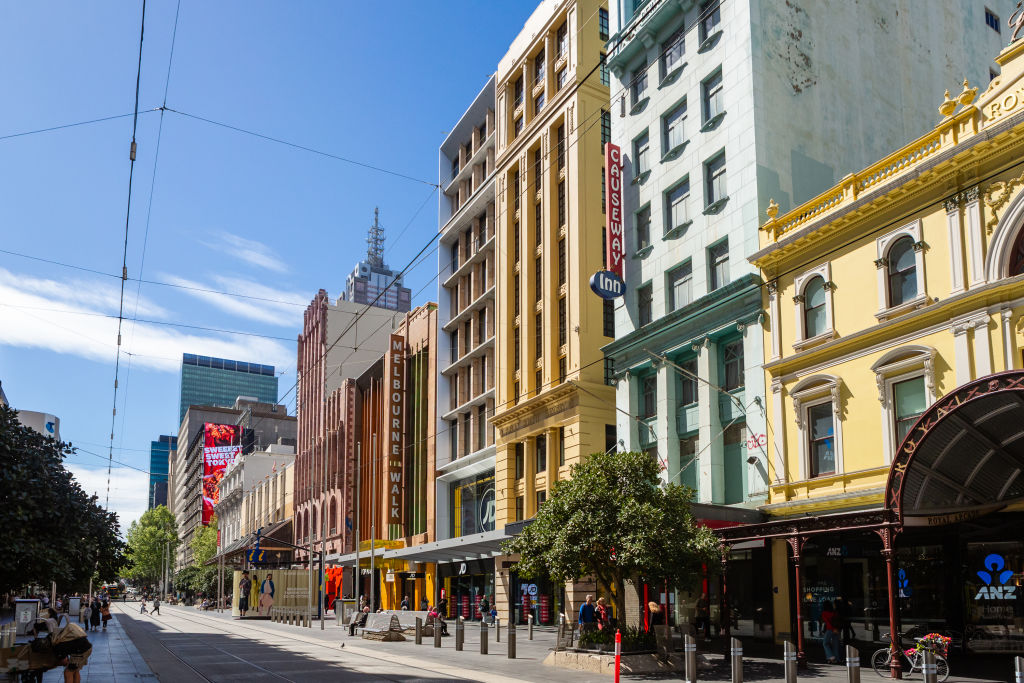
Recent market disruption is presenting the strongest opportunities for investors in Melbourne, according to JLL’s head of strategic research Annabel McFarlane.
“With Melbourne assets trading at significant discounts to replacement cost and spreads well above historical benchmarks, the city represents a rare value proposition for long-term capital,” said McFarlane.
“There is now a compelling opportunity for investors with higher return hurdles in office and for Melbourne assets where capital values have corrected the most through cycle,” she said, adding she expected the yield spread between the best and worst assets in terms of location quality and sustainability credentials would remain wide.
Although commercial outlooks released this month emphasised the opportunity to buy in a major global city at a discount, some specific locations were highlighted.
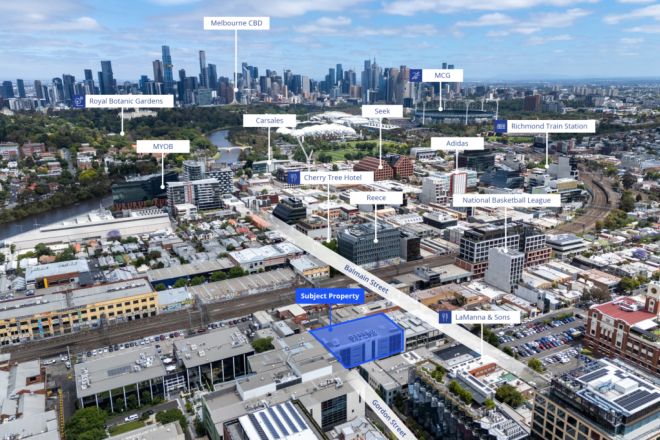
Knight Frank identified the city-fringe suburb of Cremorne as a standout performer in Melbourne’s office market and a tactical entry point for investors.
“Cremorne continues to outperform other Melbourne metropolitan office locations due to its proximity to premium amenities, high-quality hospitality venues, the MCG, the Rod Laver arena, and key transport links. Rent performance continues to outstrip the CBD, and the recent correction in asset values offers an opportunity for investors to get in ahead of the next wave of growth,” wrote Burston.
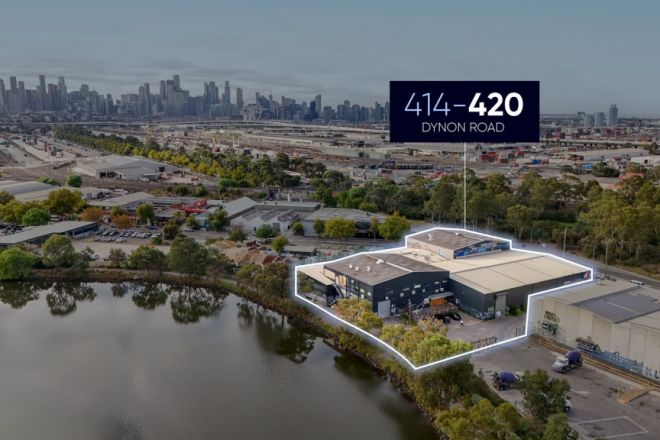
Investor attention should also focus on Melbourne’s industrial market in the city’s north and west precincts, as the east, historically the centre of city’s industrial market, was largely built out.
“The latest 10-year plan for industrial land released by the Victorian Government allocated nearly 80 per cent of future unzoned supply to these areas, with nothing for the east or inner south-east precincts, which confirms these areas as the future long-term hubs for industrial development,” the Knight Frank report said.
For investors keen on the digital asset market, Cushman & Wakefield’s APAC Outlook 2026 predicted Melbourne strengthening its position as a major data centre hub in the region.
“Johor, Bangkok and Melbourne have become the fastest growing cities, currently accounting for 8 per cent of regional capacity in Q3 2025, with their share expected to double to 16 per cent by 2030,” the report states, adding despite housing 60 per cent of the world’s population, the Asia Pacific region holds only 26 per cent of global data centre capacity.
NSW
Hotspots: North Sydney’s office assets, South Sydney’s industrial precinct.
For property investors in New South Wales, the playbook for 2026 is shifting from ‘wait and see’ to strategic expansion.
While the Sydney CBD office market remains the crown jewel, tight holding patterns are forcing investors to look at adjacent precincts to find value.
“We anticipate increased activity in 2026 as buyers face challenges finding value in the CBD, prompting capital to flow more aggressively into the broader metropolitan markets,” Cushman & Wakefield’s co-head investment sales NSW Matt Pontey said.
Knight Frank’s Australian Horizon report revealed completed office assets in North Sydney were out-performing the wider market by a substantial margin.
“The addition of the Sydney Metro has reinforced the primacy of North Sydney within the suburban office landscape, while the current yield spread makes a compelling argument for North Sydney as a relative value play,” said Knight Frank’s Burston.
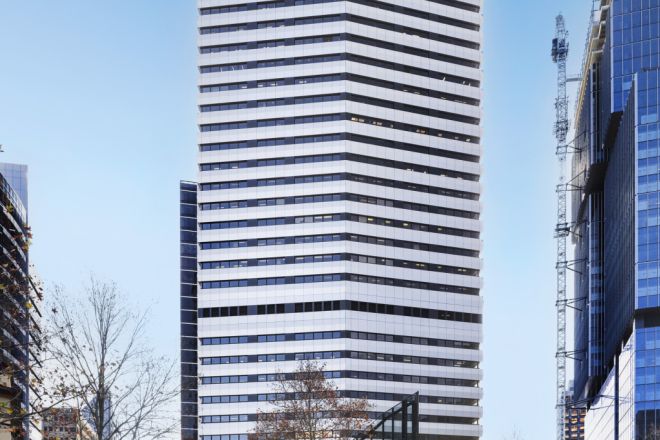
Colliers 2026 commercial property outlook sees the CBD’s western corridor benefiting as businesses consolidate from city-fringe suburbs like Bondi and Pyrmont into more connected hubs.
But the dominant narrative in Sydney’s office leasing sector for 2026 is that investment will follow the “flight to quality” trend as larger occupiers seek high quality, connected floors that support collaboration and a positive workplace experience.
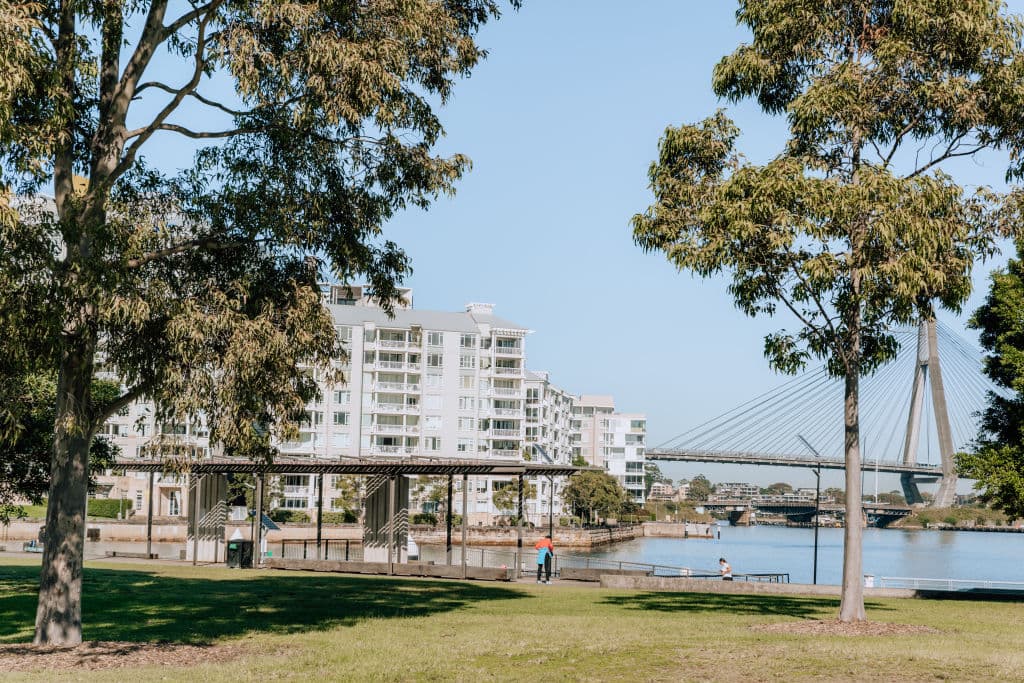
There’s good news for investors in Sydney’s industrial and logistics market.
Knight Frank suggests Sydney will see the strongest effective rental growth over the next five years, forecasting compound annual growth (net effective) at 6.4 per cent.
Of all the industrial precincts in Sydney, Burston predicted the established industrial precinct in South Sydney would experience “robust rental growth” in 2026.
“With limited new supply and container movements through Port Botany rising, vacancy rates are expected to come under downward pressure. Established precincts like Sydney South are forecast to have far more robust rental growth expectations than emerging areas,” he said.
South Australia
Hotspots: Mawson Park, data centres and purpose-built student accommodation.
While Sydney and Melbourne navigated complex recoveries in 2025, South Australia quietly positioned itself as a growth engine, fuelled by infrastructure, defence and a booming construction sector.
Adelaide’s industrial market is tightening, and for investors in 2026 the arrow points north: with the inner north market effectively built out, opportunity has migrated to the outer north, where rezoning is unlocking new potential.
Knight Frank’s Burston said Mawson Park in the outer north was proving popular with investors on the back of its technology park.
“Though this is a small site, there have been several new leases linked to tenants involved in the AUKUS partnerships,” he said.
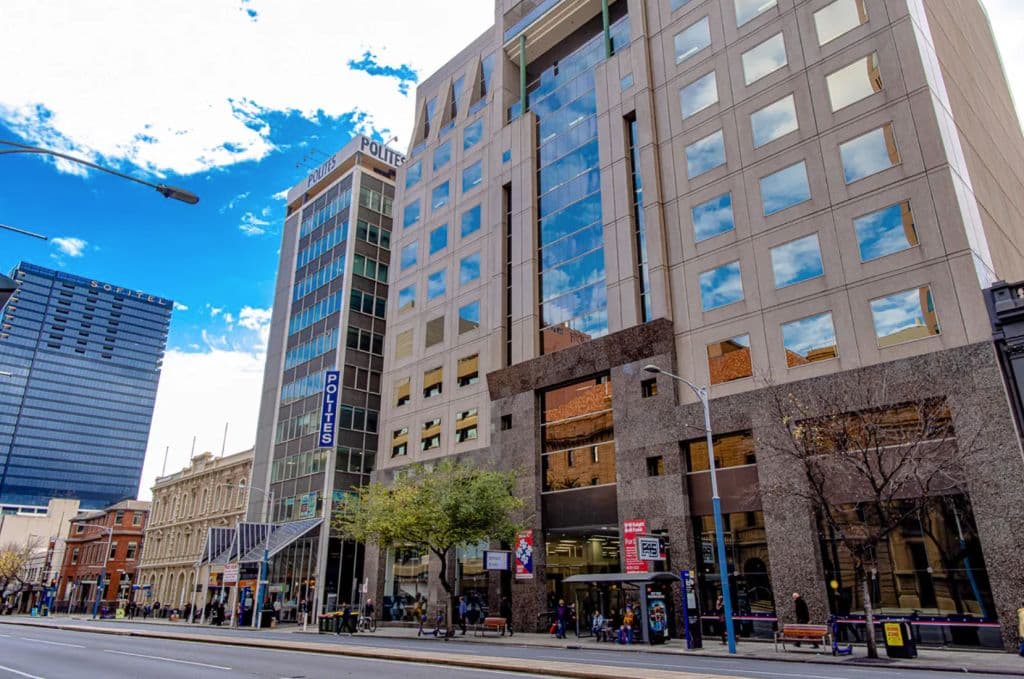
For investors priced out of Sydney or Brisbane, Adelaide offers a compelling value play due to lower transaction costs. According to Knight Frank, private investors are already competing to enter the market ahead of an anticipated recovery, pushing prime yields down.
Burston predicts Adelaide CBD prime rents will grow by 5.5 per cent per annum (CAGR) through to 2030 – a growth rate faster than Melbourne’s.
Cushman & Wakefield is tipping 2026 as the year of the “creative acquisition” in South Australia as investment managers look beyond traditional sectors to find returns.
“While no one knows the future and anything can change, the broad expectation is that there won’t be any cuts to the cash rate for some time,” Cushman & Wakefield’s senior executive, investment sales – SA Jack Dascombe said.
“Given this, in 2026 I believe investors, particularly investment managers, will become even more creative in their acquisitions, as the market’s requirement for strong returns and diversification grows stronger than ever. Data centres, medical and healthcare, and PBSA are key examples where the Adelaide market has plenty of room for continued growth.”
Western Australia
Hotspots: Perth’s office precinct and defence-related assets.
For property investors, the narrative in the West has shifted. It’s no longer just about riding the iron ore roller coaster; the state is at an inflection point where strategic diversification is driving the next wave of real estate performance.
According to the latest white paper from JLL, Western Australia is shifting from a resources-dominated cycle to one defined by defence, critical minerals, and value-add processing.
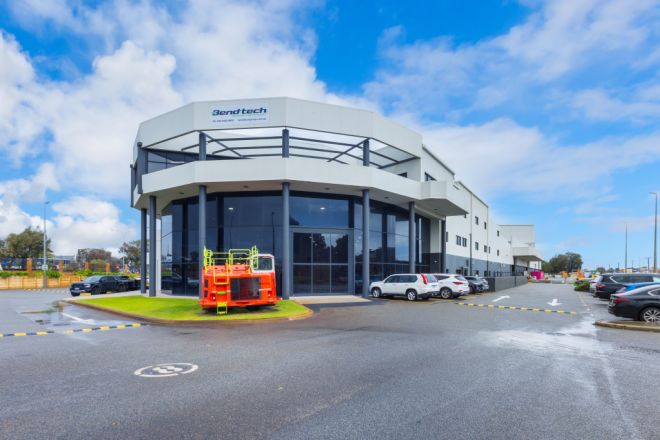
For investors in 2026, this economic evolution is creating specific, high-growth opportunities that stands in stark contrast to the eastern seaboard, say its co-authors JLL Real Estate economist Ronak Bhimjiani and research analyst Helen Ye.
In terms of the state’s industrial sector, Perth is in a league of its own. It is currently the tightest industrial and logistics market in Australia, with a vacancy rate of just two per cent. And while demand is robust across transport and warehousing, the real story for 2026 and beyond is defence.
The AUKUS agreement is described as a “game-changer” for Western Australia.
“Our analysis shows that defence-related investment is poised to create a new pillar of demand for the industrial and logistics market, with the potential to more than double the sector’s industrial footprint by 2034,” said Bhimjiani.
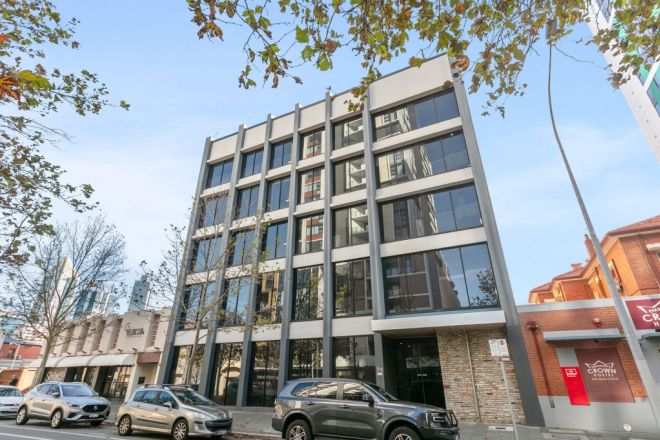
This economic transformation was directly reshaping the state’s commercial real estate landscape and the impacts were most pronounced in the office market, said Angelo Amara, JLL managing director – WA.
“The ‘blue-chip’ asset pull has created a two-tiered office market, with a 90 per cent rental gap between prime and secondary assets,” explained Amara.
“The most critical factor however, is the supply outlook. With no new office completions expected until at least 2030, the market has a clear runway for vacancy compression driven purely by demand.
“Our base case scenario sees the vacancy rate falling from 17.1 per cent to a range of 11-13 per cent, which will intensify competition for premium space and drive asset values higher,” he said.