The rise of weekday weddings: A new seven-day economy for venues
Saying “I do” on a Monday isn’t traditional, but for modern couples, marriage ceremonies are no longer limited to weekends.
Weekday weddings are on the rise as the cost of love competes with the soaring price of housing and other economic pressures, and as the country’s cultural makeup evolves. Australians are getting married later in life and rethinking how and, more importantly, when they celebrate their nuptials.
Many are finding better value beyond the customary Saturday-night function, and this shift to a seven-day wedding economy is opening revenue opportunities for venues that would otherwise have been entirely weekend-focused.
Easy Weddings’ Wedding Industry Report 2026 shows that Saturday is still the most popular day in Australia for a wedding (53 per cent), but the second-busiest day is Friday (20 per cent). Nine per cent are held on a Thursday, 8 per cent on a Sunday, 4 per cent on Tuesday and Wednesday, and 2 per cent on a Monday.
The marriage economy has been influenced by affordability concerns, changing work patterns and the trend towards less formal events. Some couples want to get hitched on culturally auspicious days, which may not fall on a weekend, and for those who don’t need a long planning process, weekdays are often available to book several months earlier than Saturdays.
Why weekday weddings are rising in Australia
Mary-Anne Lowe, owner of Bramleigh Estate in Warrandyte, 20 minutes north-east of Melbourne’s CBD, says Saturdays are a finite asset in the wedding business, while weekday weddings enable operators to spread fixed costs – such as venue overheads and permanent staff salaries – across more days.
“When you start getting your fourth, fifth and sixth wedding for the week, the costs of running the wedding go down and the profits go up,” she says. “It’s a double win for the business, because we know we’re going to fill up our Saturday nights, and we’ve only got 52 of them a year.”
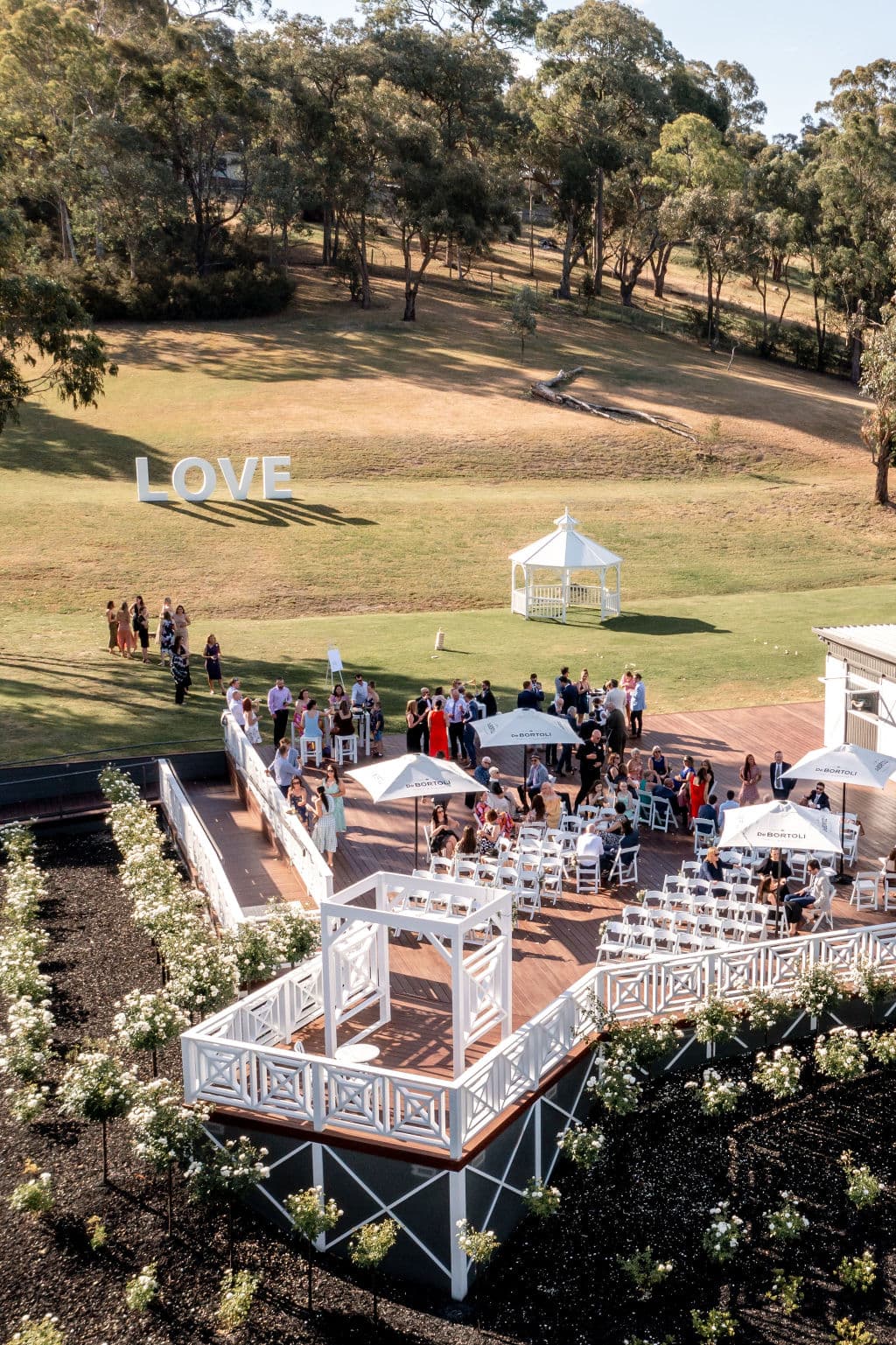
Lowe says the COVID-19 pandemic resulted in a backlog of hundreds of postponed weddings at her venue, on a verdant four hectares near Victoria’s Yarra Valley wine region. When restrictions were removed, Saturday nights were snapped up for years in advance.
“It created this perfect storm of creating a seven-day-a-week wedding economy,” Lowe says. “The only options for a lot of people at that time were to pick up midweek dates, unless they waited two or three years.”
Couples have since realised that weekdays don’t mean less romance or splendour, Lowe says.
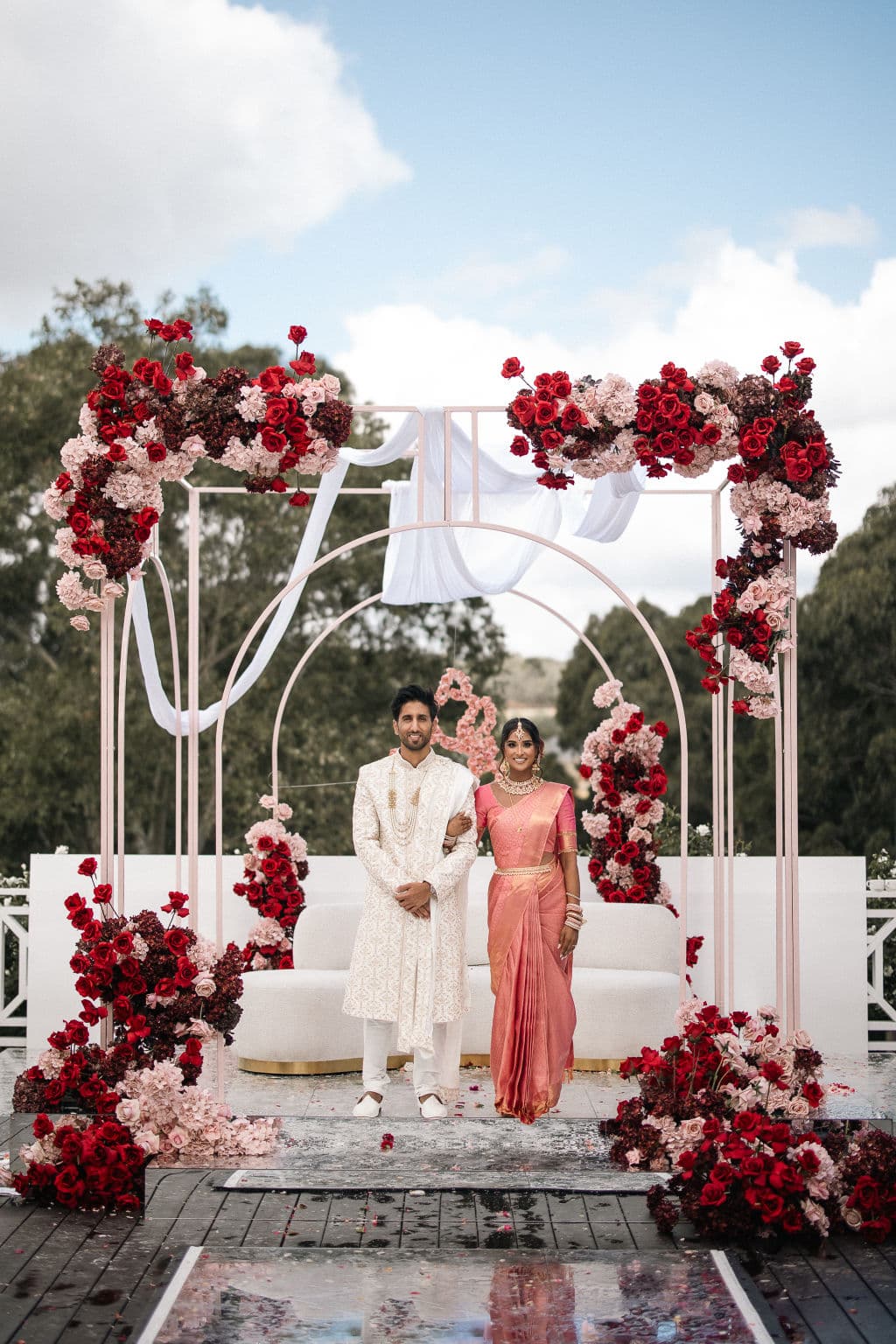
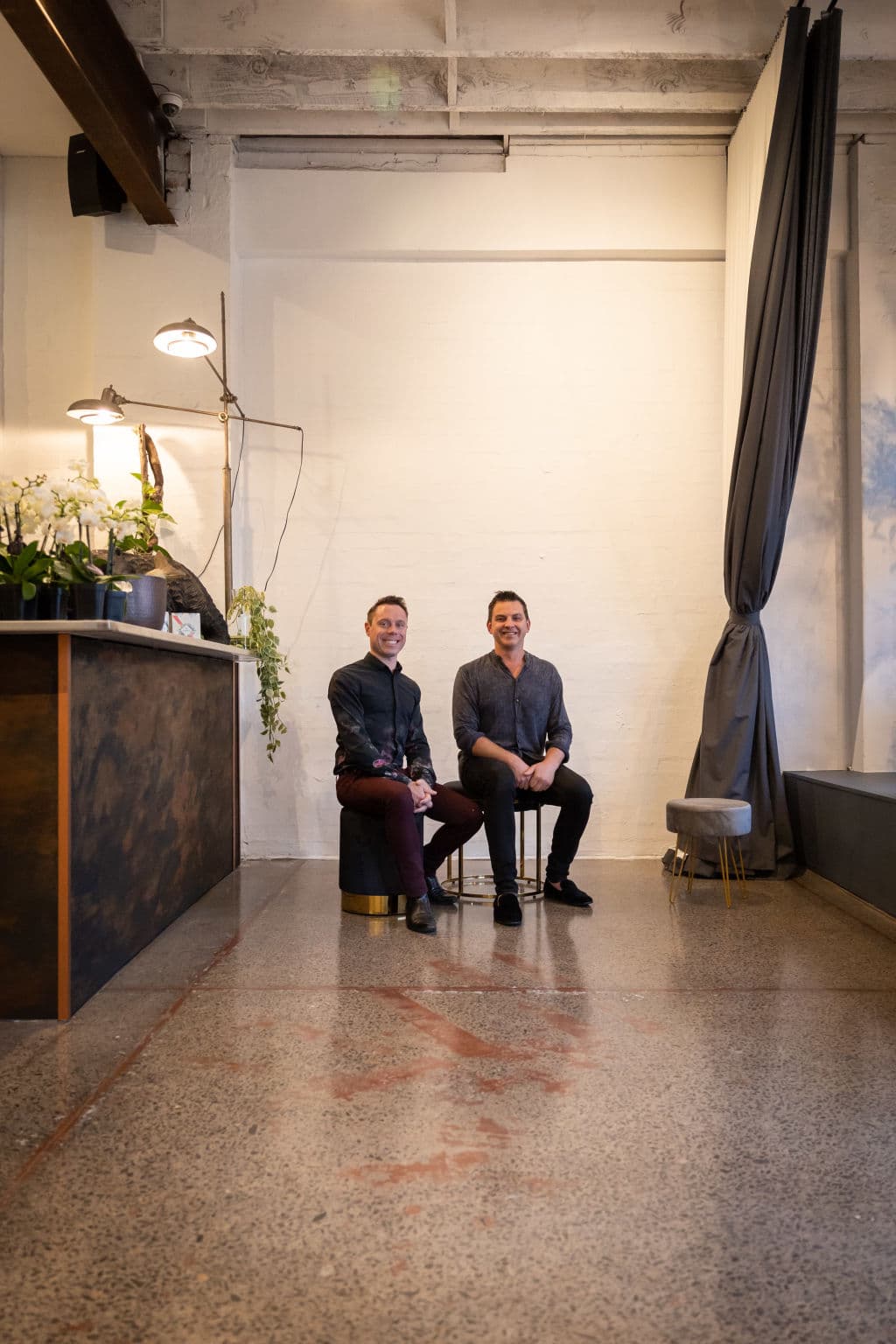
Tying the knot between Monday and Friday is now a preference, not a compromise, agrees Ben Cameron, venue manager of upmarket event space Edward.S, in Melbourne’s Prahran.
“From a venue perspective, flexibility has become a major factor,” he says. “Couples are balancing budgets, availability and guest experience differently now, and many guests are more open to taking time off work or making a wedding part of a longer weekend.”
Thursday nights are also in vogue, and Lowe says Bramleigh Estate books 45 out of 52 of those a year. “Sometimes the Thursdays will sell out before the Saturdays and Sundays,” she says.
How midweek weddings are reshaping venue economics
Social evolution has played its part. The median marrying age in Australia is 32.8 years for men and 31.2 years for women, rising steadily since the 1970s, according to the Australian Bureau of Statistics. By then, many couples have bought a home and started a family, and want their wedding to be special but not a financial imposition.
For those couples, a midweek wedding suits a trimmed guest list and low-key glamour. However, it’s not always a cheaper alternative. Some couples invite fewer loved ones and put their budget towards a bigger per-head spend, investing more in premium decor and experiences.
Shane Sipolis, creative director of floral designers Botanics of Melbourne and Cameron’s business partner at Edward.S, says these clients are discerning.
“Interestingly, weekday weddings often feel more curated and personal,” he says. “Couples tend to approach them with a very clear creative vision, so the styling, florals and guest experience become a huge focus.”
Inspiration saturation is also steering couples towards midweek affairs with outsourced coordination.
“There’s so much out there for the younger generation now – there’s Pinterest, Instagram, websites, TikTok – and decision-making fatigue kicks in,” Sipolis says. “There is a big mistrust growing. They wonder, ‘Can we actually do that? Or is it AI?’”
Cameron says this is a growing clientele who desire ease above all else. “There is a distinct group of people now who are time-poor and overwhelmed, and they literally just want to show up on the day,” he says.
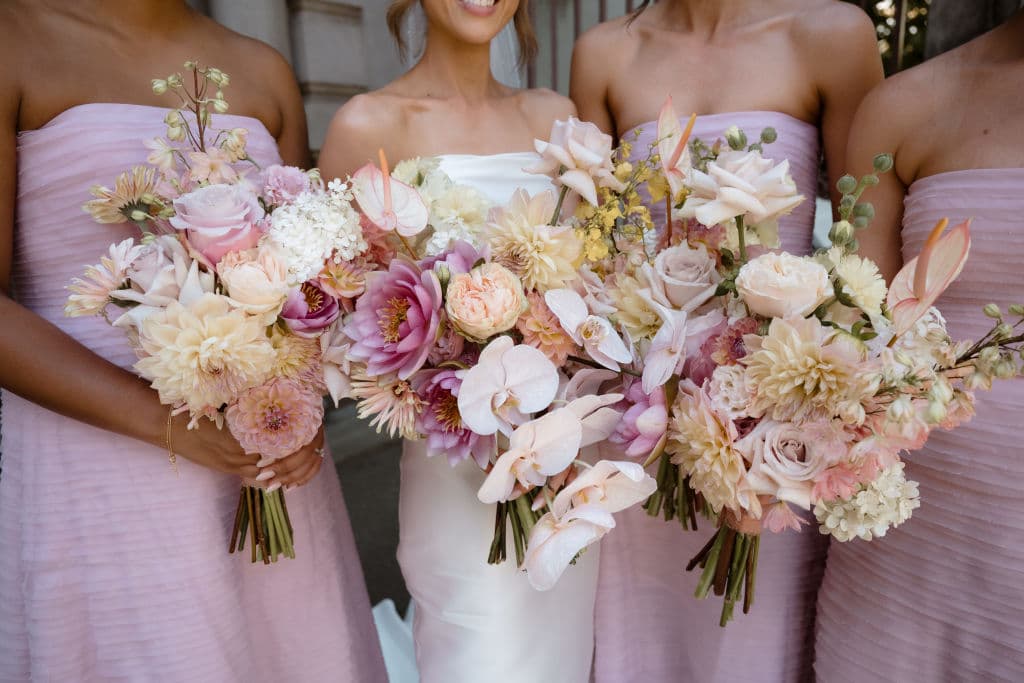
A ceremony followed by a long lunch has emerged as a popular midweek format. The diversity – and flexibility – creates a more sustainable business model, Cameron says.
“It’s definitely changed the operational rhythm of the business,” he says. “Planning, staffing and logistics now flow more evenly across the week rather than everything building toward a single Saturday peak.
“It’s also encouraged us to think more broadly about how the venue can function and evolve.”