The retail sector going large
Australia’s large-format retail property subsector is outperforming all others, with gross average face rents rising by 5.6 per cent over three years and national vacancy falling to 2.8 per cent.
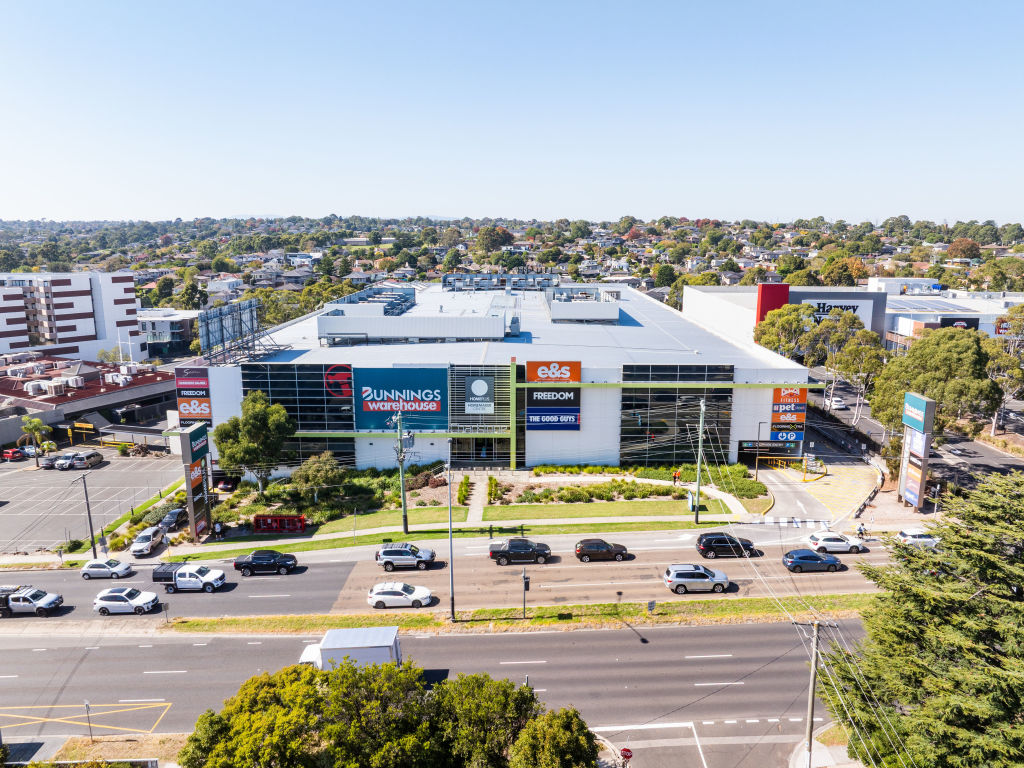
Also known as big box, bulky goods or homemaker centres, it is enjoying some of the tightest leasing conditions on record thanks to strong projected population growth and an upcoming shortage of new development.
Rental growth has been strongest in Western Australia, which recorded a 7.7 per cent three-year average, followed by 6 per cent in Queensland and 5.6 per cent in Victoria, according to a report by Colliers based on data from the Large Format Retail Association Directory and Deep End Services.
“Strong housing demand, coupled with resilient consumer spending through the ups and downs of economic cycles, has supported sustained rental growth in the LFR sector,” the report states.
“This has enabled landlords to consistently lift rents at times when other retail segments have not been able to do so as readily.”

Low vacancy rates are being driven by population growth and the ensuing boom in new homes. The government’s National Housing Accord aims to build 1.2 million new homes by 2029, and even if it falls short of that target, it’s a bonanza for large-format retailers, many of whom specialise in white goods, furniture and homewares.
Large-format retail, which includes the likes of Bunnings, Ikea and JB Hi-Fi, accounts for 23.9 per cent, or $106 billion, of all retail sales in Australia. The sector has become more popular with consumers each year, says Philippa Kelly, chief executive of the Large Format Retail Association.
“The stores are very driven to meet consumer demand, and they are very much destinations, so if you put a group of them together, a critical mass of them, it gives people an even greater reason to shop in that way,” she says.
“There are a number of key drivers for our sector, and the report points to the housing market and population growth, but it’s actually the renovation market as well. So when people get ready to put their property on the market, or when they’ve moved into a new property, they want to renovate it.”

However, while the demand for bulky goods might be healthy, the supply of new large-format superstores is lean.
Colliers estimates that just 600,000 square metres of new floor space will come onto the market in the next five years, which will keep vacancies low and rental growth high.
Large-format retail won’t be as heavily affected by today’s high construction costs as other retail sectors, such as shopping centres, which typically demand more luxury fit-outs. However, these advantages are counterbalanced by planning complexities, various state land taxes and a shortage of viable land.
“Planning constraints, rezoning complexity and limited land availability, particularly in metropolitan markets, have slowed the delivery of new centres,” says Will Goldsworthy, Colliers director Australia, large format retail leasing.
“With fewer new projects coming online, retailers are competing for established high-quality space, which is keeping vacancy compressed and supporting rental growth.”
The future of large-format retail in Australia may follow the lead of major brands in Europe and the US by moving to experiential retailing and investing in showrooms equipped with virtual reality and AI to appeal to customers wanting a “try before you buy” experience.