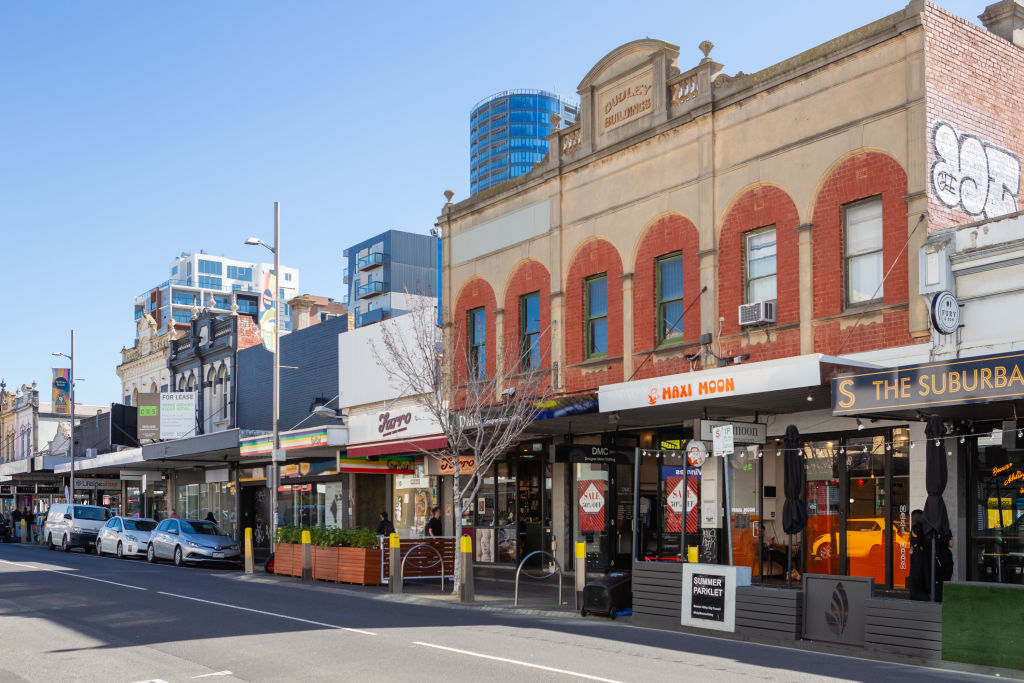
The reinvention of Melbourne’s high streets
From the high-end boutiques of High Street in Armadale and the eclectic energy of Chapel Street to the multicultural bustle of Brunswick’s Sydney Road, Melbourne’s high streets have long been among the city’s most recognisable shopping destinations.
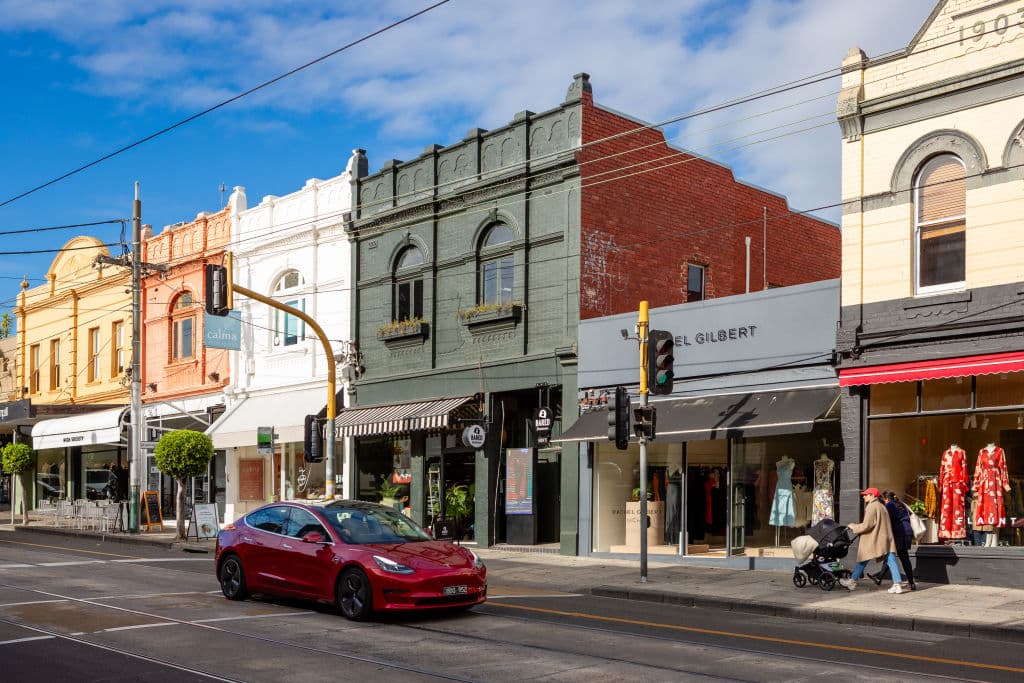
But their role is shifting. Once defined by traditional and specialty retail, particularly fashion, many strips are now transitioning into multi-use neighbourhood hubs centred on hospitality, services and wellness.
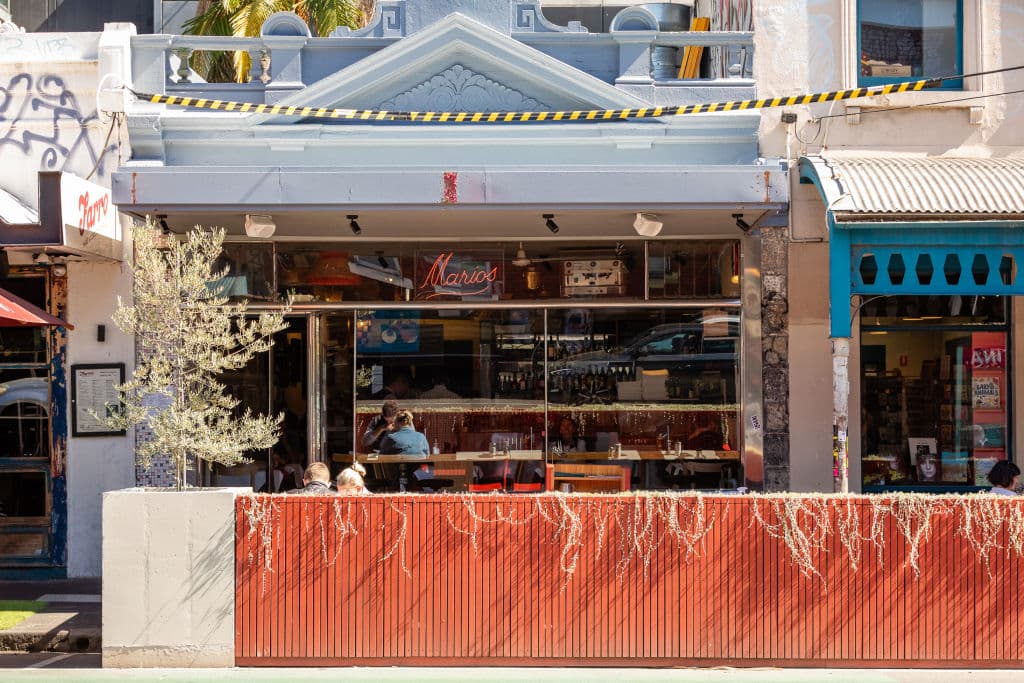
Many fashion retailers are moving to large shopping centres, which often come with guaranteed foot traffic and established retail catchments. In their place, high streets are increasingly home to businesses more closely tied to local communities: hotels, bars, restaurants, cafes, services, and wellness operators.
Hospitality is now the most dominant tenant category, as identified in the latest Walk the Strip report – a Fitzroys initiative that assesses 37 of Melbourne’s key shopping strips.
Annabel McFarlane, head of strategic research – Australia at JLL, says the transformation reflects a broader evolution in retail behaviour.
“Tenant mix has broadened from traditional fashion-led retailers towards a mix of daily needs and experiential-led retail,” she says.
Urban planning researcher Dr Fujie Rao notes there’s a structural reason behind the change: “If many goods can now be purchased online, what cannot easily be digitised are experiences – hospitality, cafes and services related to personal wellbeing.”
James Lockwood, division director – agency at Fitzroys, adds that the growth of service-based tenants is partly due to their relative resilience amid economic uncertainty and cost-of-living pressures.
“People will spend money on food – they enjoy the experience, and it’s a bit of a feel-good factor,” he says. “When times are tough, it separates the good operators from the bad operators. If you’re the best sandwich shop in Richmond or Seddon, people will come to you.
“And even when the cost of living is high, people still get their hair done, their nails done – those service businesses remain active.”
Population growth, rapid residential development and work-from-home policies are also reshaping how Melbourne’s high streets perform, says Lockwood. He explains that as more Melburnians are based closer to home, these strips have returned to daytime activity levels rarely seen since the pandemic.
“When you’ve got more people living on top of your shops and around them, the chances are those retail strips are going to perform pretty well,” Lockwood says.
According to Lockwood, Puckle Street in Moonee Ponds is a clear example of how residential development can support a thriving and tightly held high street. Over the past few years, the strip has welcomed thousands of new residential apartments and boasts a vacancy rate of just 2.4 per cent, according to the 2025 Walk the Strip report.
Other streets showing strong leasing demand are largely on the north side, says Lockwood, notably Brunswick Street, Fitzroy; Smith Street, Collingwood; and High Street, Northcote.
The inner north is also being challenged by growing competition in the west, with infrastructure improvements and population increases supporting new retail activity. This momentum could pave the way for more established, well-performing high streets in burgeoning hubs such as Footscray, Sunshine and Werribee.
In retail more broadly, strong leasing demand has also been reflected in improving vacancy rates across Melbourne. JLL data shows that CBD retail vacancy fell from a high of 16.7 per cent in 2021 to 5.01 per cent in the second half of 2025. In Melbourne’s neighbourhood shopping centres, vacancy has decreased from 7.74 per cent to just 2.44 per cent, giving them the lowest vacancy rates across the country.
Investors are certainly taking note, with many service and hospitality operators seen as relatively defensive tenants. They often come with longer lease terms, steady customer demand and repeat visitation.
“If you’ve got a new five-year or five-to-10-year lease with a strong tenant profile, investors will generally go harder at it because it provides security of income,” says Lockwood.
“Daily needs categories like grocery and food and beverage generate consistent foot traffic across dayparts and throughout the week, unlike fashion retail’s more sporadic visit patterns,” adds McFarlane.
Looking forward, McFarlane says the drop in vacancy indicates continued resilience across neighbourhood retail precincts. And with the Victorian government’s Activity Centres initiative aiming to deliver more than 300,000 new homes near major public transport by 2051, demand is only expected to strengthen.
Rao agrees, saying high streets will become even more embedded in local communities as consumer habits shift and daily life becomes increasingly local. He points out that they have historically served as civic hubs for neighbourhoods, supporting not only retail activity but also community life – a key source of their strength against retail disruption. High streets endure because they offer far more than just shopping.
“The future of high streets will likely become more localised and more closely connected to the sense of place within surrounding communities,” he says. “The multifaceted role of high streets will remain a strong source of resilience.”