Sports cities: From event venues to experience-led precincts
Over the past decade, Australia’s major sports venues have shifted from being primarily event-based assets to operating as high-frequency, experience-led destinations.
The evolution reflects changing audience expectations, intensifying competition for discretionary spending, and growing pressure on publicly funded infrastructure to deliver value well beyond match day.
According to the Gensler Design Forecast 2026, sports and entertainment venues, along with the districts that surround them, are now being reconceived as “city-scale platforms” for culture, commerce and community life rather than standalone facilities.
The shift makes customer experience the true measure of real estate value, where emotional engagement and year-round activity matter as much as capacity or square footage.
Live performance metrics support the global design firm’s prediction.
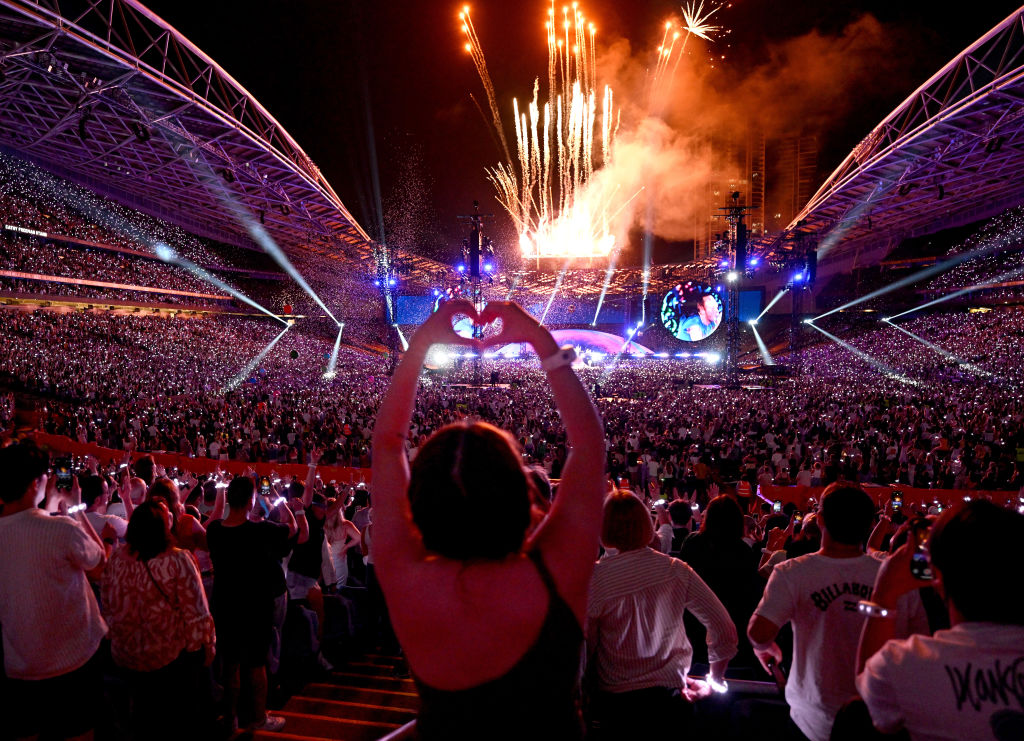
The 2023 Ticket Attendance and Revenue Report (Live Performance Australia) shows the Australian live performance industry generated $3.1 billion in ticket sales and recorded 30.1 million attendances, the highest on record, with stadium-scale concerts and events playing a major role in that growth.
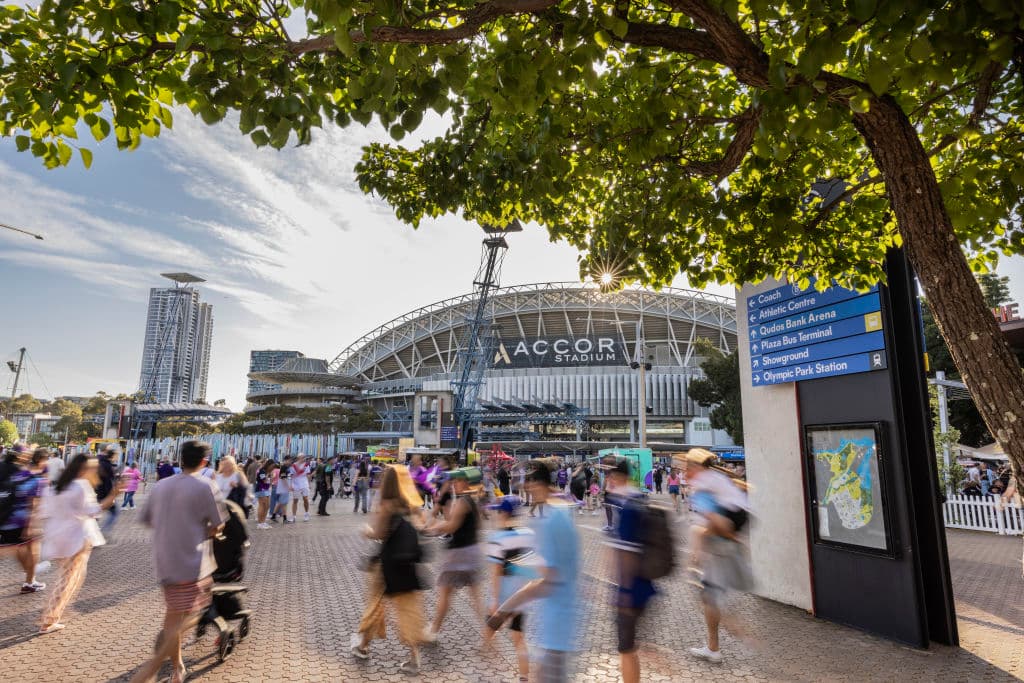
A spokesperson from Venues NSW says the organisation’s stadiums – from Allianz Stadium to Accor Stadium – are now active most days of the week.
“When the stars aren’t performing on the field or stage, venues are being used for functions, meetings, special celebrations, TV commercials and movie filming, tours and school and community group experiences,” the spokesperson says.
These non-match-day uses help support revenue streams beyond traditional match-day income, including hospitality, sponsorship and brand partnerships.
Driving value through flexibility
For operators and asset owners, flexibility has become fundamental to long-term value.
Rising construction costs have intensified the need for venues to perform across multiple use cases throughout their lifecycles.
Industry cost trackers show that the price of major infrastructure has risen significantly in recent years, placing greater emphasis on facilities that can adapt easily to a variety of uses.
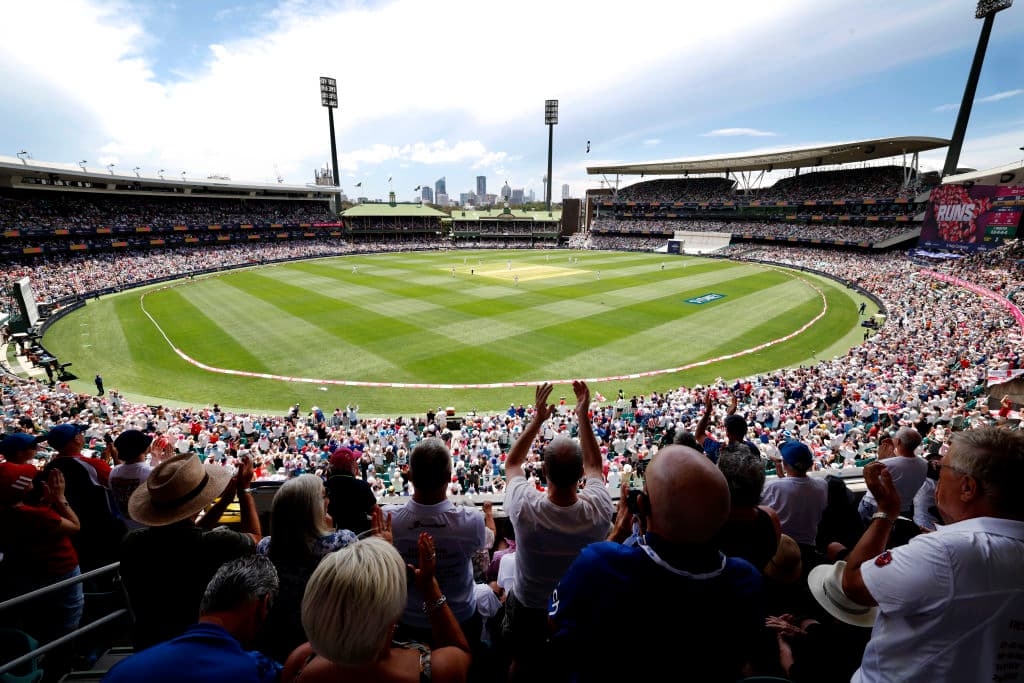
Venues NSW’s portfolio reflects this multi-purpose approach. Its stadiums are designed to host a range of sporting codes, large-scale concerts and high-yield functions within a single operational framework.
According to the spokesperson from Venues NSW, “our venues are all multi-purpose,” adding that this adaptability is “essential to the long-term success and viability of a venue.”
They note that fan experience sits at the centre of planning decisions, shaping “everything from the food and beverage served and amenities available to how patrons interact with staff and their overall journey through the stadium”.
Precinct integration
As sports venues evolve, their relationship to the surrounding city has become as important as what happens inside the gates.
Modern stadiums are now assessed as precinct anchors, where transport access, hospitality, public space and walkability directly influence utilisation and commercial performance.
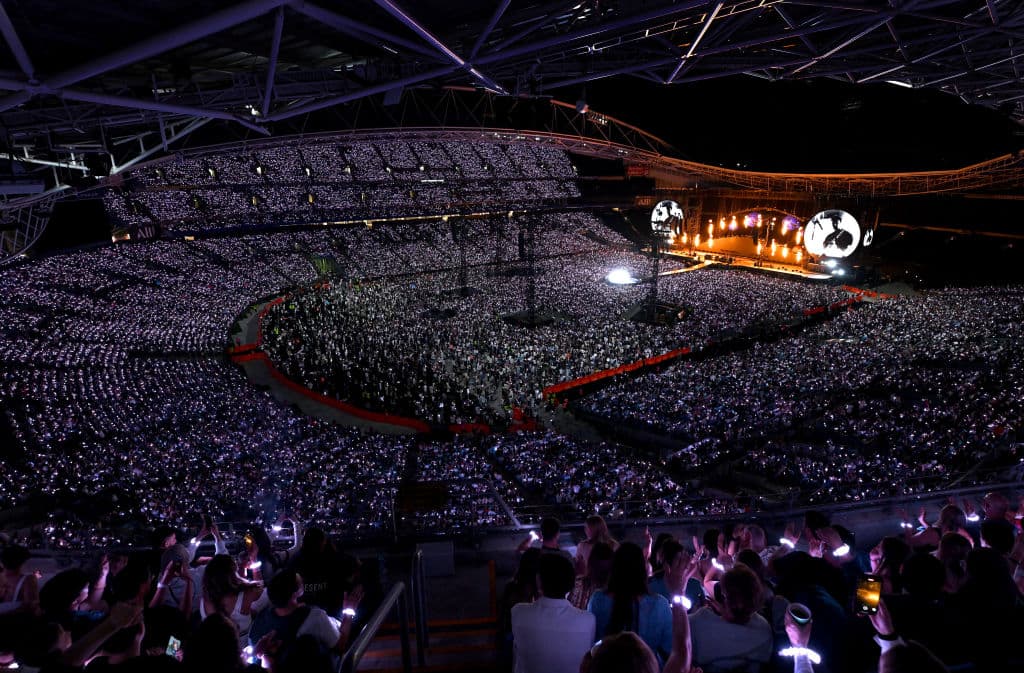
Adelaide Oval is a leading example in Australia. Integrated into Adelaide’s Riverbank Precinct and within walking distance of the CBD and Adelaide Railway Station, the venue benefits from strong public transport connectivity and pedestrian links.
The addition of the 138-room Oval Hotel, embedded within the stadium itself, has extended the venue’s role beyond event days, supporting accommodation, dining, and tourism activities year-round.
Adelaide Oval now hosts more than 60 events annually, spanning sport, concerts and cultural programming, positioning itself as an urban attraction rather than a single-use facility.
Venues NSW notes that the live experience begins well before fans enter a stadium.
“Being connected to public transport is important, as is the hospitality and food and beverage experience on offer,” the spokesperson said.
“We want to ensure an overall great experience for everyone so they keep returning for live sport and events.”
According to the Gensler Design Forecast 2026, walkable, mixed-use districts anchored by cultural assets such as sports venues are emerging as key drivers of long-term urban vitality and sustained real estate value.
The rise of women’s sport
Another powerful force reshaping venue design and operations is the rapid growth of women’s sport and the diversification of stadium audiences.
Independent attendance surveys show record crowds at women’s competitions and a marked increase in the popularity of non-traditional event types, indicating expanding audience bases that operators must cater to.
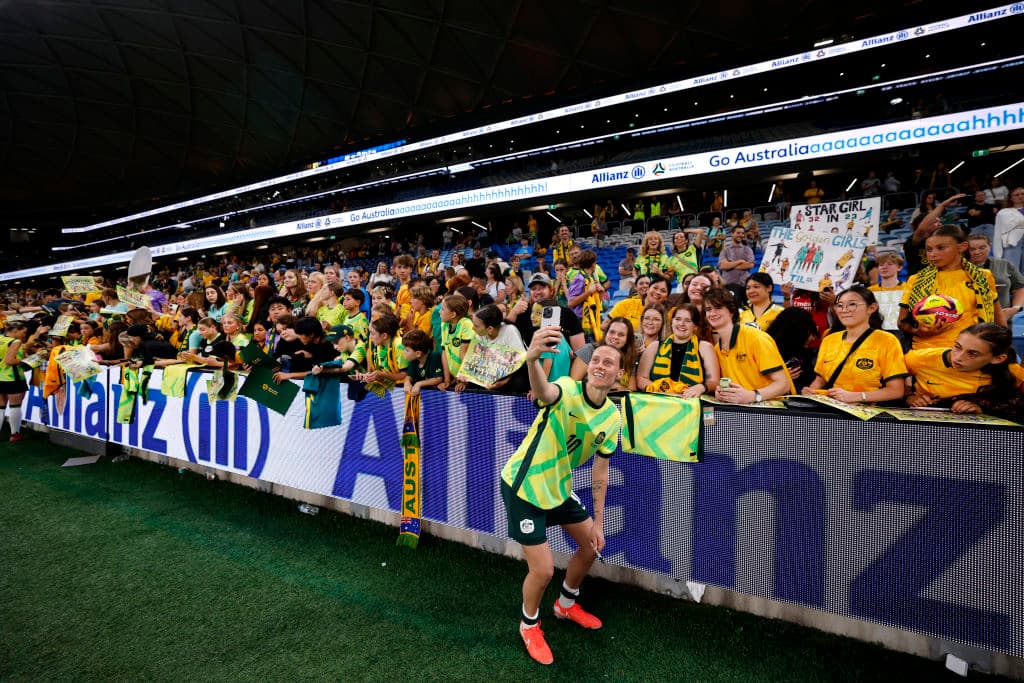
Venues NSW says stadiums are responding by improving amenities and implementing inclusivity measures.
“It’s imperative that stadiums cater to both women’s and men’s sport,” the spokesperson said, noting that newer venues and upgrades are delivering increased bathroom provision, more accessible circulation and facilities designed to support diverse audiences better.
These changes support longer dwell times, higher engagement and broader commercial opportunities, as venues continue to evolve alongside audience expectations.
Design practice coverage also highlights the growing influence of women’s sport on venue planning, with architects and designers exploring how facilities can respond to evolving user demographics and experience expectations, according to further Gensler research.
As Brisbane 2032 accelerates national investment in sports venues and supporting infrastructure, the lasting success of assets won’t be measured in gold medals. It will depend less on their ability to stage global events and more on how effectively they function as everyday places within their cities.