Singaporean giant to recharge Vic energy heartland with $10b AI hub

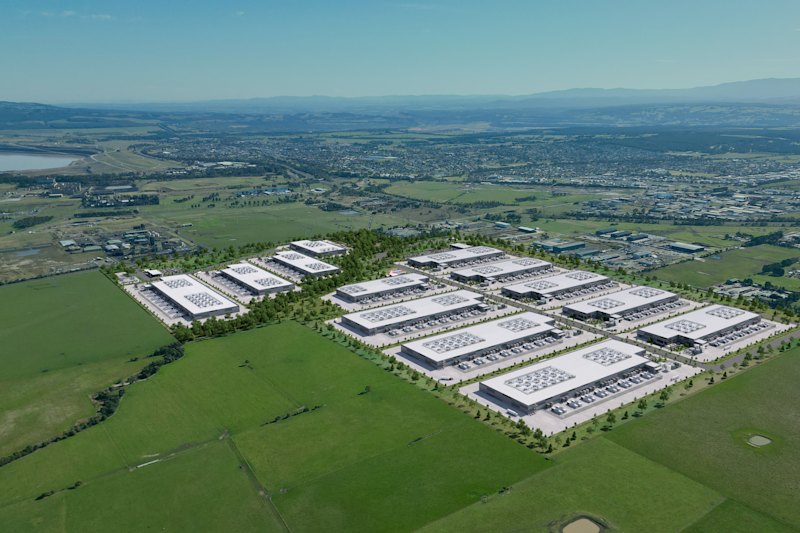
Singaporean asset manager Keppel is planning a $10 billion data centre hub near Victoria’s former Hazelwood power station, confident it can secure the power and water it needs to run what could become the largest site of the key artificial intelligence infrastructure in Australia.
The mega deal has been struck with Australian infrastructure player Lightwood Group and will give the Singaporean giant rights to lease a 123-hectare site near Morwell, in the heart of Victoria’s brown-coal-fired energy generation system.
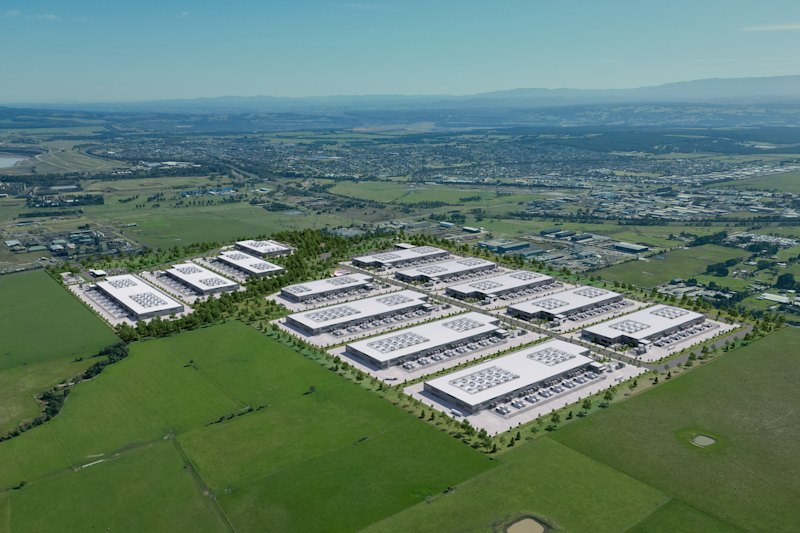
The site is also within the proposed Gippsland renewable energy zone, about 150 kilometres east of Melbourne.
The size of the site and its power capacity of 720 megawatts would allow Keppel to roll out a series of data halls which, including its customers’ own investment into servers and associated technology, would amount to an estimated $10 billion cumulative investment at the site.
Keppel’s announcement is the latest in a series of high-profile multibillion-dollar commitments from big data-centre players in NSW and Victoria as they race to meet artificial intelligence-driven surge in demand for cloud storage and digital infrastructure.
At the same time, the $150 billion data centre and renewables boom is stoking fears that the huge energy requirements from the new infrastructure will deplete Australia’s over-burdened energy system, forcing other big industrial users to scale back use.
Securing access to energy and water, which is used to cool the high-technology facilities, is critical to the success of any data centre proposal.
Data centres are so energy-intensive that they are typically described in terms of their power capacity. With a power capacity of 720MW, the Hazelwood hub is one of the biggest data centre projects announced in Australia.
Singapore-listed Keppel said it was confident it had those critical resources locked in through a deal with Lightwood involving an annual access fee that covered obtaining planning approvals and contracting for power and water.
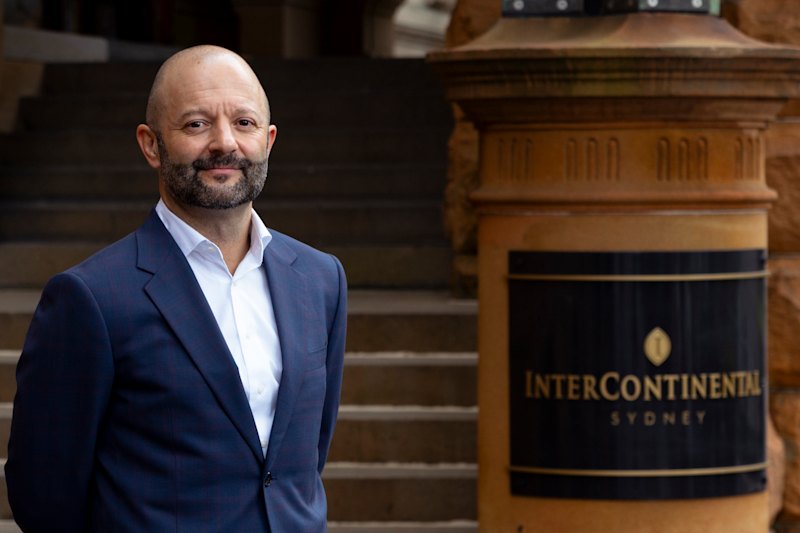
“Digitisation and AI are reshaping global compute needs, and Keppel is positioning ahead of this megatrend by investing upstream to secure early and exclusive access to power, water, and fibre connectivity at strategic sites in key data hubs,” said chief executive of Connectivity at Keppel, Manjot Singh Mann.
“Our power-banking strategy enables us to deliver shovel-ready capacity at speed and scale, significantly shortening time to development and service readiness, and without overburdening our balance sheet.”
Amid the frenzy of big-ticket data centre deals in the recent weeks, local player CDC received state government approval for a $3.1 billion facility in Sydney’s north-west in late November.
A week later, ASX-listed NextDC confirmed ChatGPT owner OpenAI would become the major customer of a $7 billion data centre to be built at Sydney’s Eastern Creek.
On Christmas Eve, Blackstone-controlled AirTrunk said it would spend $5 billion to develop its second data centre in Melbourne.
Keppel said it was in talks with “hyperscalers and neoclouds” interested in sites around Melbourne.
A hyperscaler refers to companies such as Amazon’s AWS, Microsoft Azure, and Google Cloud that provide cloud storage, while a “neocloud” is the next generation on from that, focused on AI use.
“The site near Morwell offers significant scalability, with clear pathways to securing competitively priced green power, non-potable water for cooling and low-latency fibre connectivity, making it a compelling location to site next-generation AI campuses,” said Keppel’s Mann.
The site’s location in the state’s energy generation belt means the data-centre hub could secure a dedicated transmission connection to nearby power terminal stations, bypassing the local distribution network, said Keppel.
The site is zoned to allow data-centre development and also benefits from Telstra’s intercity dark fibre network, a high-capacity, fibre-optic cable connecting Melbourne, Sydney and Canberra and the other state capitals.
The overnight announcement is a big win for Albury-based, family-owned Lightwood Group, which has been building up a regional portfolio of what it calls “energy-dense land” on which it hosts ground leases for renewable energy infrastructure and data centres.
“The [Morwell] site offers a rare combination of scale and existing infrastructure that is increasingly difficult to secure for data centre developments,” said Lightwood managing director Dan Collins.
“We’ve seen strong demand from data centres for cost-efficient, industrially zoned land with access to electrical and non-drinking water infrastructure that once supported the former Hazelwood power station, offering a scale of infrastructure rarely readily available in urban markets.”