Short supply of hotels drives conversion trend
High construction costs are set to put a squeeze on new hotels coming onto the market, with demand set to outstrip supply by 41 per cent in the coming years.
Hotel development is forecast to hit the brakes from 2028 and into 2029, CBRE research shows.
“The forward pipeline is thin, with only three projects totalling 828 rooms currently scheduled for completion in 2028,” says the CBRE Hotels Australia – Overview & Outlook 2026 report.
At the moment, 5143 hotel rooms are under construction in city-centre and metro locations nationally.
Analysis by Colliers suggests plans for a swathe of hotels will stall due to construction-cost hikes and state and federal governments incentivising residential construction to boost housing supply.
“Colliers has identified 6542 proposed rooms, although we expect few of these projects to commence against this construction backdrop and given the current laser sharp focus of all governments (and industry) on the living sector and housing supply,” it says in its Australian Accommodation Supply Update Report 2026.
In 2025, hotel construction growth slowed in Perth, Canberra, Cairns and Hobart, but rose slightly in Melbourne, Brisbane and the Gold Coast.
Supply and demand dynamics vary around Australia, with some cities faring well and others playing catch-up, says IHG managing director Matt Tripalone.
“A city like Sydney, for example, hasn’t seen a lot of new supply into the market in, say, a core CBD location, although we have signed projects in Sydney,” he says.
“Late last year, we announced Crowne Plaza in Parramatta, which is a growing business hub for us, and there’s quite a bit of latent demand there.
“Brisbane’s building towards the Olympics 2032, and the government’s been really vocal around the fact that they probably don’t have enough supply at the moment to satisfy the demands as they build towards that.
“So yes, we need to see more hotels entering markets like Brisbane and Sydney that have been supply-constrained for a number of years now.”
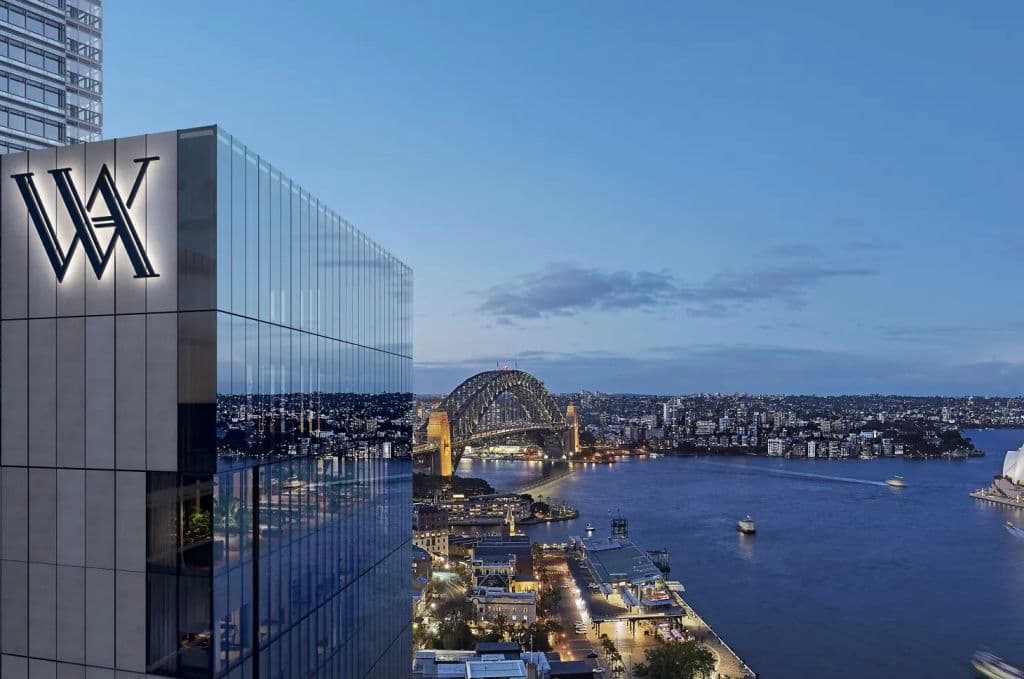
Construction of luxury developments between 2026 and 2028 is expected to surge above all other categories, with examples including Crystalbrook in Adelaide, the Waldorf Astoria in Sydney and the Hannah Street Hotel in Melbourne, all set for completion next year.
This reflects a rise in international visitors and expenditure, which were up by 7 per cent and 15 per cent, respectively, in 2025.
The short supply of incoming hotels has steered some developers towards conversion projects. Research backs up the financial case for redeveloping existing buildings, with CBRE’s data revealing hotels are changing hands for between 20 and 40 per cent below replacement cost. This means if developers can acquire a hotel for a low price and fund refurbishment, they stand to make better returns than they would from a newly built hotel.
Developer Ross Pelligra bought the former Rydges on Swanston hotel in Melbourne in 2020, and after extensive retrofitting and renovation, it opened as Crowne Plaza Carlton at the end of March.
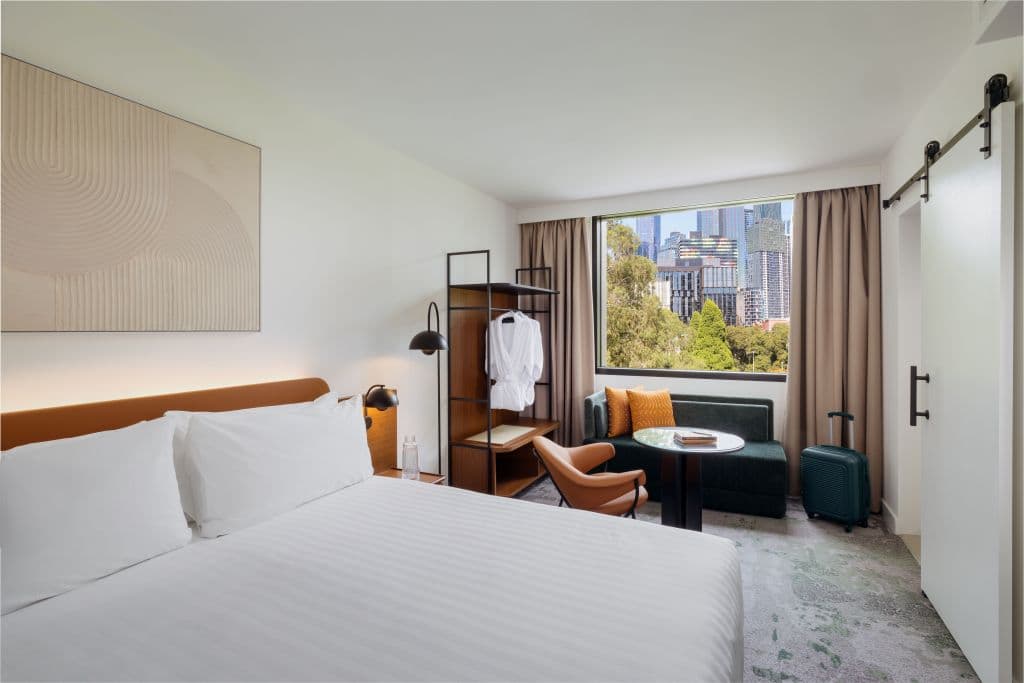
Pelligra says he opted for a refurbishment rather than a new build because he wanted to avoid high construction costs, and it was quicker to obtain planning approvals for a transformation project rather than a new build.
“We looked at the hotel and it was doing really well, so we wanted to get it operational as quickly as possible,” he says.
“With the costs of construction and rebuilding the structure, there are a lot of unknowns at the moment. So we just thought, we can refurbish it, we know what our costs are going to be, we’re not going to have any blowouts, and we can get it done pretty quickly and open
“I’ve come out ahead, but also if I was going to knock it down and rebuild, then I’d be putting a 25, 30-storey tower on there – and given the way the residential market is at the moment, the cost of capital is just not worth it.”
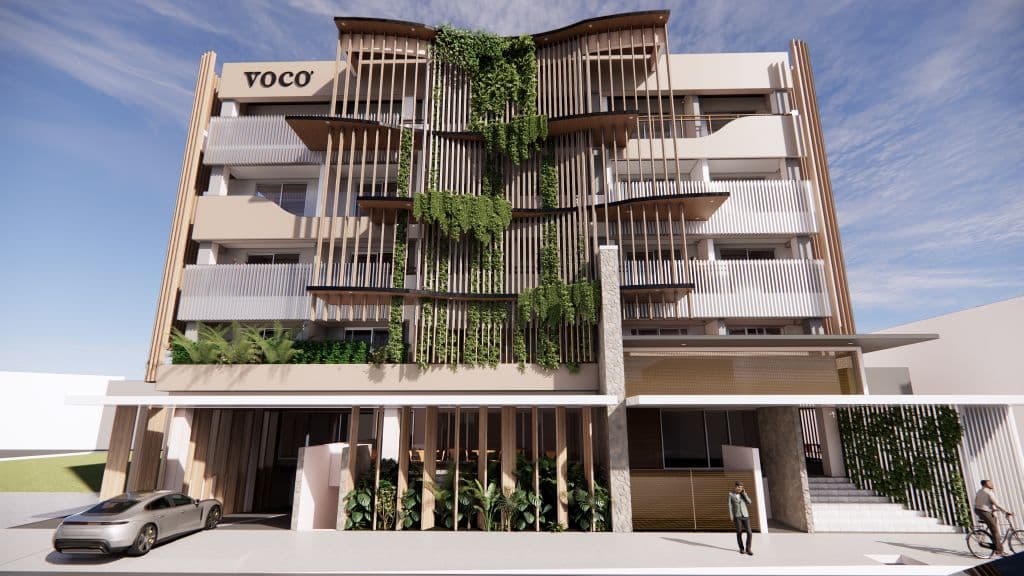
Adaptive reuse in the hotel sector is also seeing developers repurpose outdated office buildings. The recently opened Voco Darwin Suites in the Northern Territory is the product of a commercial office building conversion, as is the Punthill Tuggeranong hotel in Canberra, which opened in 2024.