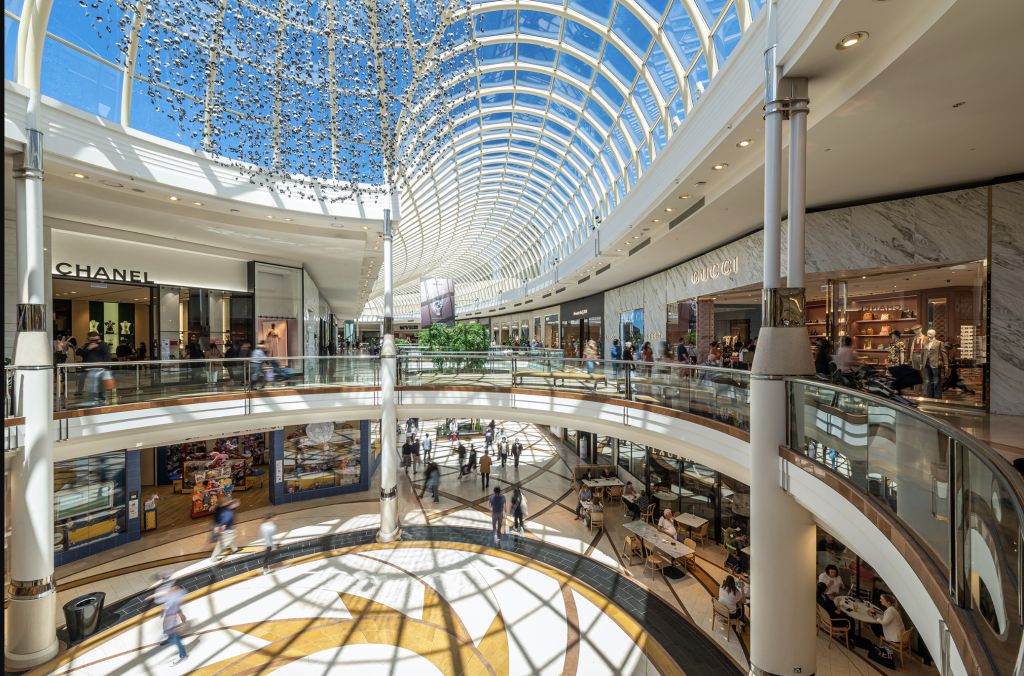
Retail reclaims centre stage as Australia’s most traded asset class
Australian retail property has emerged as the nation’s most actively traded commercial asset class for the third consecutive year, as improving liquidity and renewed investor confidence reposition the sector for growth this year.
“Australian retail has attracted significant capital and the sector is positioned as a standout investment destination in 2026,” says Lachlan MacGillivray, Colliers’ managing director, Asia Pacific retail capital markets.
“We expect to see heightened levels of transactional activity this year, with investors returning to core retail and strongly pursuing high‐quality retail centres with robust cash flows.”
According to Colliers’ latest Retail Capital Markets Investment Review, total retail investment volumes reached $13.16 billion in 2025, which is a 48 per cent year-on-year increase and the second-strongest result on record behind only 2021, showing that investors are changing their approach.
After a few cautious years of higher borrowing costs, they’re now turning to well-performing retail centres that provide reliable income and room for growth.
Regional shopping centres led transaction activity, accounting for $6 billion in sales, while neighbourhood centres attracted a further $2.9 billion, supported by demand for essential-service retail exposure and limited new supply entering the market.
In-person retail still popular among Aussie shoppers
These investment trends reflect a broader shift in how physical retail is viewed – no longer as a legacy asset challenged by online shopping, but as a service-driven environment that can deliver stable income and consistent foot traffic through experience-led tenancies.
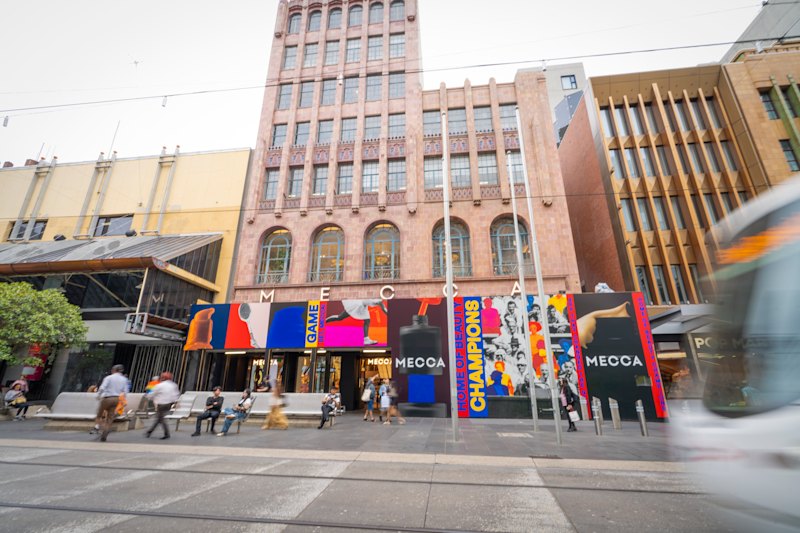
The opening of MECCA’s Bourke Street, Melbourne, flagship last year, for example, signalled growing retailer confidence in large-format, experiential store concepts designed to drive browsing and repeat visits rather than simply facilitate transactions.
Similarly, the most recent Christmas trading period highlighted the enduring importance of in-person retail environments. Despite continued growth in online spending, physical locations remained central to seasonal buying behaviour.
Prime Australian shopping centres currently maintain average occupancy levels of 98.9 per cent, which is significantly higher than the 94.6 per cent recorded in the United States, demonstrating the difference between the countries’ shoppers. In contrast, Australia’s online retail remains comparatively low at 13 per cent which is well below the US at 34 per cent.
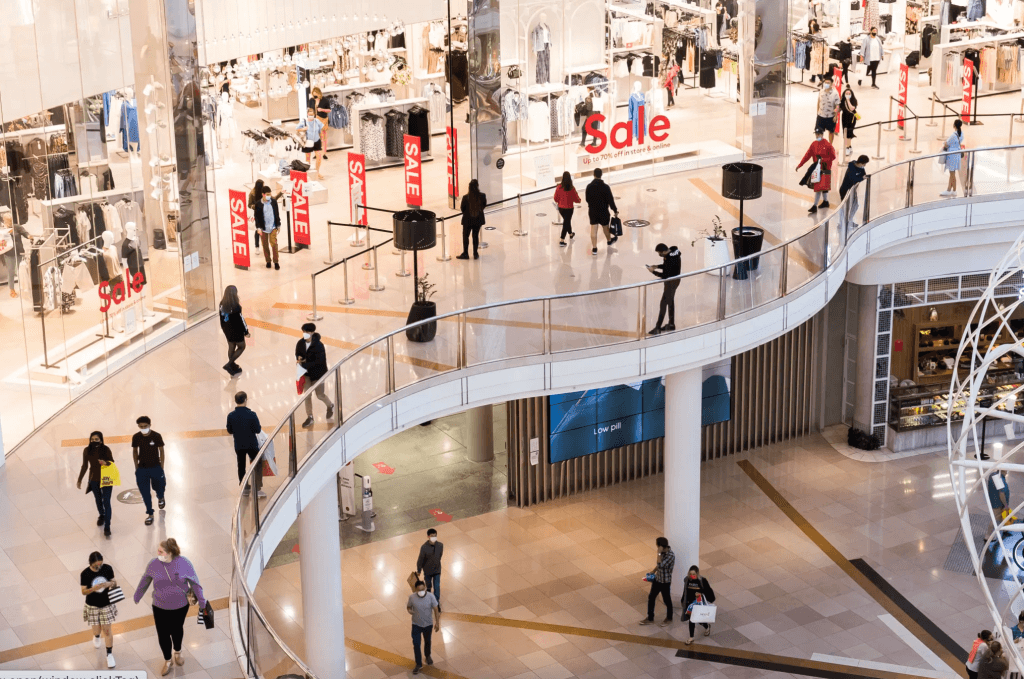
Investor behaviour is shifting
As investor interest expands across different asset types and locations, the growing volume of capital flowing into retail suggests the sector’s recent performance may be more than just a short-term rebound. Instead, a combination of limited new supply, steady consumer spending and experience-focused retail formats is driving a broader shift in how physical retail is valued within commercial property portfolios, positioning the sector as an ongoing focus for investment in the year ahead.
With no new regional shopping centres delivered nationally since 2018 and elevated construction costs continuing to limit future supply, competition is expected to intensify as valuations stabilise and rental income performance across retail assets is starting to strengthen.
Buyer demographics are also evolving across the middle market. Private capital, once concentrated below the $30 million price point, is increasingly pursuing larger neighbourhood and large-format retail assets in the $30 million to $100 million range, supported by lower borrowing costs and strengthened equity positions, enabling greater capital deployment.
Retail middle markets have become increasingly competitive, with both private and institutional investors targeting convenience-led and essential-service retail assets that offer stable income and future redevelopment potential.
“Retail middle markets are undergoing a structural shift,” says James Wilson, Colliers’ head of retail middle markets, Australia. “Tightening supply is meeting strong demand from a diverse pool of private and institutional buyers, and lower debt costs are enabling greater capital deployment.”
This trend has been particularly evident in Brisbane, where improved capital flows and stabilising yields have supported renewed investor interest in retail assets across both metropolitan and regional catchments.