Regions ripe for commercial investors
Economic uncertainty and rising interest rates are driving commercial property investors to prioritise passive income over long-term capital gain, say industry experts.
Elders Real Estate head of commercial John Talbot says Australian property investment has been built on the simple idea of buy, hold and let capital growth do the heavy lifting.
However, investors are now targeting something far more immediate and measurable: strong, reliable passive income.
In addition to fundamentally altering how investors think, current economic pressures are exposing the limitations of negative gearing, Talbot adds.
“For years, many investors relied on negative gearing, accepting short-term losses in exchange for long-term capital gains,” he says. “But that model is becoming harder to sustain.
“With higher costs and slower growth in some markets, investors are asking a more direct question: ‘Why am I losing money each month while waiting for growth that may or may not come?’
“This is accelerating the shift toward positively geared, income-producing assets.”
Elders Real Estate, a major player in the nation’s regional property markets, sees regional centres with significant population growth and strong infrastructure as fertile ground for investors.
In comparison to metropolitan markets, regional commercial property offers lower entry prices, less competition and higher yields, Talbot says.
“Regional real estate markets recorded around $10 billion in commercial transactions in 2025, up about 30 per cent from the previous year, which is a strong sign that regional markets are definitely on the radar of astute property investors,” he says.
The Regional Institute of Australia’s latest Regional Movers Index (RMI) backs the case for long-term investment in increasingly resilient regional economies.
Powered by CommBank data, the quarterly RMI released on March 30 shows the flow of people moving from capital cities to the regions was 31 per cent higher than the flow in the opposite direction.
“Long-term RMI trends show solid and consistent growth that we expect to continue,” says Kylie Allen, CommBank’s regional and agribusiness banking executive general manager.
The broadening of regional growth beyond the usual hotspots signals a maturing migration pattern, she adds.
“That shift brings real opportunities and reinforces the need for coordinated planning around housing and investment infrastructure,” Allen says. “It also underpins business confidence and increased demand for locally supplied products and services.”
CommBank has seen double-digit growth in business lending in regional and agribusiness over the past five years.
“This all adds up to stronger and growing regional economies,” Allen says.
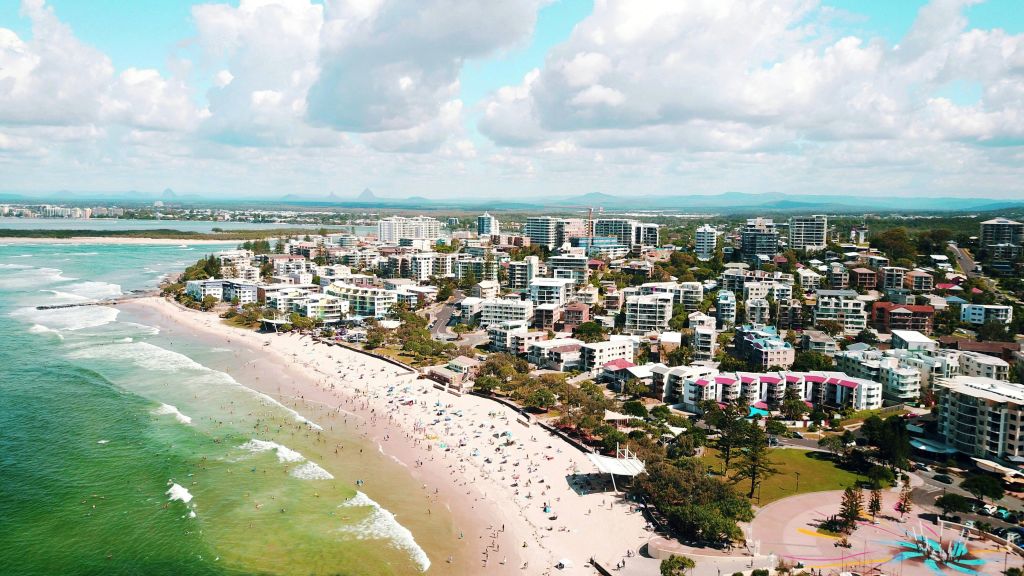
Queensland’s Sunshine Coast and Greater Geelong in Victoria are the most popular destinations for regional movers, according to the RMI, and both regions are seeing positive levels of commercial property investment.
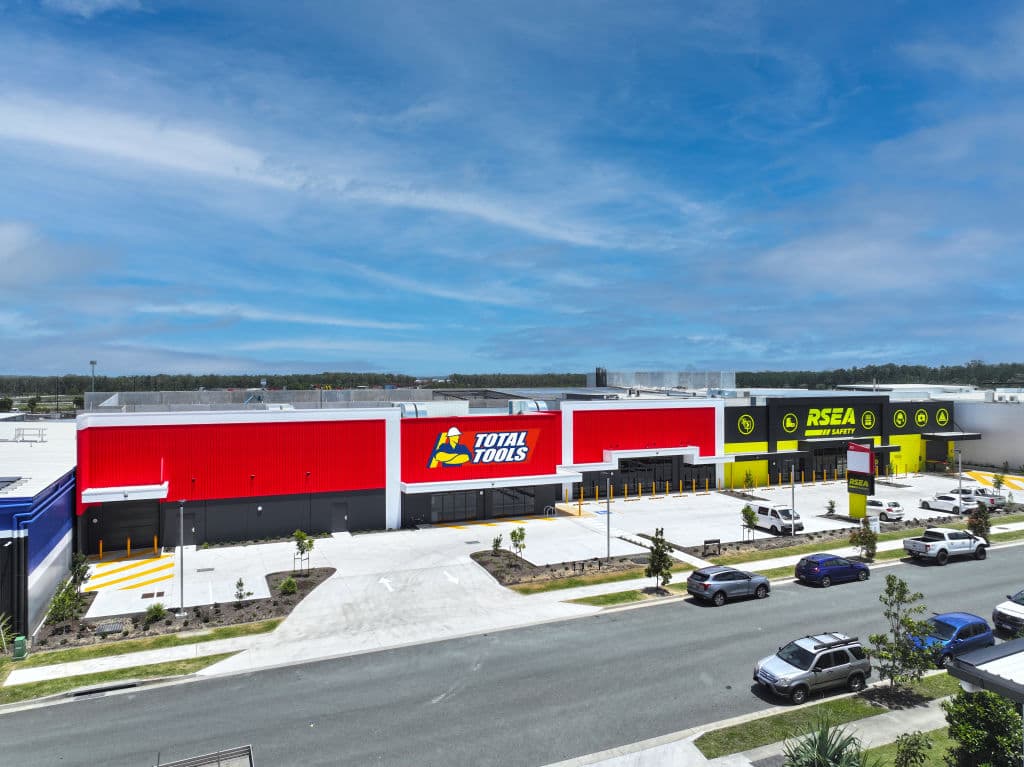
According to the Colliers Sunshine Coast Market Update for the second half of 2025, the region recorded six $10 million-plus investment sales and several lease deals in the $550-$600/square metre net range in an office market with low vacancy rates.
Nick Dowling, managing director at Colliers Sunshine Coast, says the region has “grown up” over the last decade, with the economy diversifying from its tourism roots to host a massive health sector, university, upgraded airport and private investment developments such as Aura, Australia’s largest master-planned community.
“Going back five years ago, we relied very heavily on local investors to purchase [commercial] property,” Dowling says.
“But thanks to the influx of buyer’s agents, we’re getting a lot more high-net investors from southern states coming into our market, and they’re probably dominating the buyer landscape now.”
Dowling says while he doesn’t disagree with the Elders proposition that there has been a shift in investors preferring passive income over long-term capital growth, investors on the Sunshine Coast have stopped looking for short-term leases where they can get immediate upside in rents.
“That’s because rents are peaking … so I think investors are retreating back to more longer-term cash flow opportunities.”
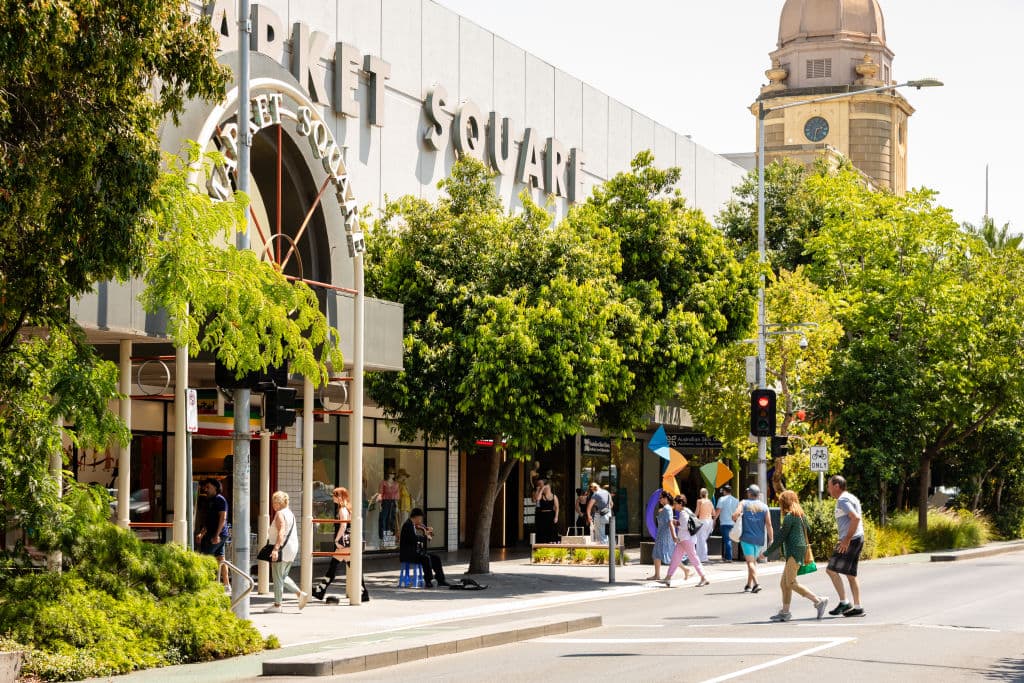
In Geelong, CBRE senior manager Scott Hawthorne has just sold a fast-food outlet in High Street, Belmont, to an overseas investor for $6.5 million.
“They just love the fast-food sector,” he says. “It was leased to El Jannah on a 20-year lease with annual rental increases – over the course of that 20-year lease, you end up getting $9.5 million back in rent.
“The cash-flow angle is spot on, but buyers always want land that’s going to appreciate, which is why you need a site that’s fundamentally sound.”
Earlier this year, Hawthorne sold retail strip Ormond Village, in the Geelong suburb of Thomson three kilometres from the CBD, to a Parramatta, NSW, investor.
“He wanted cash flow, a decent return, but he was also thinking, ‘What can I do with this land in 15 years?’” he says. “He could see the prospect for capital growth over time.”