‘No secret’: How David Harrison grew Charter Hall from $500m to $90b

There may be no better vindication for David Harrison’s stoicism through the dark days of commercial property’s downturn after the pandemic than the company’s share price this year.
Stock in Charter Hall, a property fund manager with close to $90 billion in funds under management, has delivered more than 60 per cent in total returns in the past year, compared to the index of its peers which has gone sideways.
Charter Hall’s share price took off again last month when Harrison upgraded its earnings forecast at the annual shareholder meeting, tipping more than 16 per cent growth.
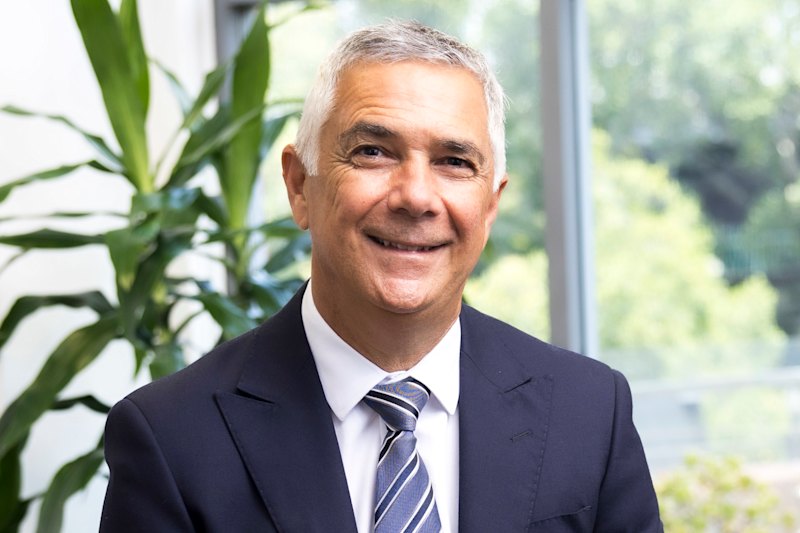
But the outperformance comes as little surprise to Harrison who has been a leader at Charter Hall since before it floated in 2005, and is one of this year’s Financial Review Business People of the Year.
“We made it clear to our unlisted investors and our shareholders that once you get through an inflection year – which I call out as being FY25 – you’re in an up cycle where earnings will continue to grow, cap rates will compress, and therefore asset values will start rising,” he said this week.
No conversation with Harrison is complete without a short primer on the essentials of commercial property market, including a mention of “cap rates”. It’s that same passionate dedication and encyclopedic knowledge of the sector – or as Harrison puts it being a “subject-matter expert” – that has established him as a highly regarded leader in the property sector and a pioneer in real estate funds management.
The “cap rates” that Harrison typically cites are an industry shorthand for capitalisation rates, akin to investment yield, which move inversely to values. As inflation hit after the pandemic and rates were lifted, cap rates rose also, causing carnage to the property portfolios of major investors and fund managers.
As a fund manager Charter Hall is among the first in line to suffer. Its business depends on the flow of equity into its funds, from some of the world’s biggest pension funds, sovereign wealth institutions and domestic super funds down to the 30,000 or so private investors who invest in its direct property funds. Amid the big chill of high rates, investor inflows also cooled.
Holding his nerve and steering the fund manager through that was Harrison, a highly successful commercial agent who had thrown his lot in with a small private fund manager Charter Hall in late 2004, six months before it went public with just $500 million in funds under management.
But it also meant Charter Hall was perfectly positioned when the cycle turned and the early stages of a recovery emerged. The first sign came when capital flows picked up as investors become more confident the downturn was over. Charter Hall latched on that sentiment quickly, launching a $2.5 billion convenience retail fund in August. Inflows for the first six weeks of the current financial year nearly match the total Charter Hall’s funds received for the previous year.
Adding to that momentum, are rising property valuations and the benefit of Charter Hall’s development pipeline, which takes on added importance for a market starved of new supply of commercial space.

All three factors should propel Charter Hall’s funds under management higher and in turn boost its earnings.
“That’s the way post-correction cycle have always worked for us and I don’t see this as being any different,” Harrison said.
But there’s more to it than that. Charter Hall is best known for its holdings in landmark office towers such as Chifley in the Sydney CBD, its industrial warehouses and a retail property portfolio ranging from convenience stores, to pubs and service stations.
In the industry lingo, that’s all core real estate and Harrison is sticking to his knitting.
“We’ve stuck to strategy of being the dominant player in core real estate. We’ve not been romanced by all things alternative,” he said.
Another factor high on Harrison’s recipe for success is what he calls being a “customer-centric fund manager”. As the cycle turns, the competition for capital among major property fund managers is heating up again, and it means the relationships and reputation Harrison has built over close to four decades in the property sector weigh heavily in his favour.
But Harrison is just as quick to call out his “bench strength”, the team of top executives who, he says, have been with him for a long time.
“They are subject-matter experts. If your management team is not deeply experienced in the sector it’s pretty difficult to outperform your peers.
“I’ve seen a lot of financial engineers come and go in the property sector and the genuine long-term, deeply experienced property experts have generally outperformed. These things matter.
“People often ask me what the secret sauce of Charter Hall is. It’s not so secret. It’s pretty simple. It’s keeping your strategy, clarity, consistency, only doing property [investment] in the sectors you’re an expert in, and I often say the best performing companies are the ones that avoid the potholes.
“Over the 20-year listed history, we’re not perfect by any means, but I think we’ve avoided a lot of potholes that others have fallen into.”